Leave Your Message
0102030405
3-Axis Servo Robotic Arm OEM Manufacturing Guide
2026-04-24
3-Axis Servo Robotic Arm OEM Manufacturing Guide
In automated production lines across injection molding, packaging, assembly, and material handling, 3-axis servo robotic arms stand out as reliable, cost-effective, and easy-to-integrate workhorses. For global buyers, brand owners, and system integrators, partnering with a professional OEM manufacturer ensures stable performance, consistent quality, and scalable supply. This complete guide walks you through every key stage of 3-axis servo robotic arm OEM manufacturing, helping you make informed decisions and build long-term, low-risk supply partnerships.
Table of Contents
- What Is a 3-Axis Servo Robotic Arm & Why OEM?
- Core Components & Material Selection Standards
- Complete OEM Manufacturing Process Flow
- Quality Control & Certification Requirements
- Customization Capabilities for OEM Projects
- How to Select a Reliable OEM Partner
- FAQ: Common Buyer Concerns Answered
What Is a 3-Axis Servo Robotic Arm & Why OEM?
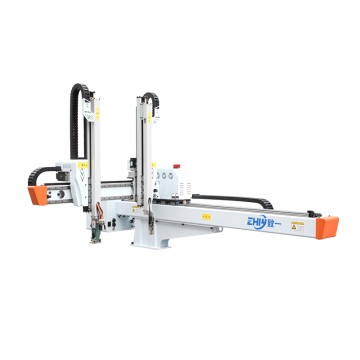
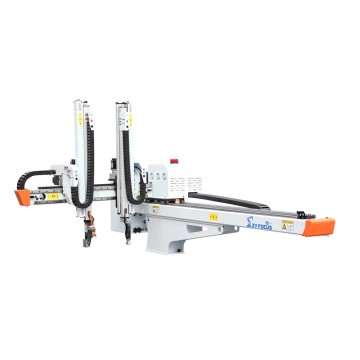
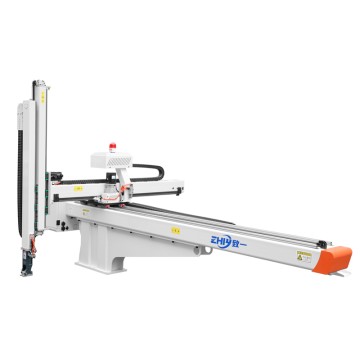
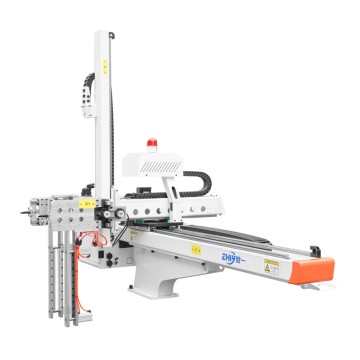
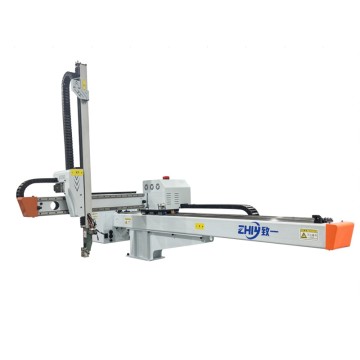
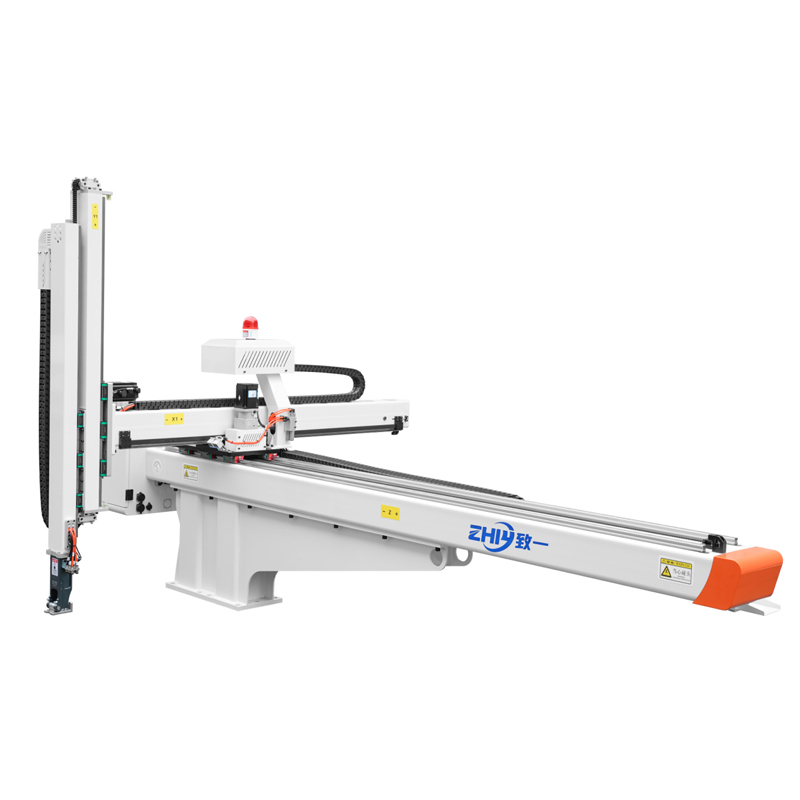
A 3-axis servo robotic arm is an industrial automation device that provides precise linear motion control across three independent axes—typically X, Y, and Z. Driven by high-performance servo motors and matched with dedicated controllers, these arms deliver stable, repeatable movements for picking, placing, transferring, and positioning tasks.
Why Choose OEM Manufacturing?
- Cost Efficiency: Lower per-unit cost through mass production without sacrificing quality.
- Customization Flexibility: Tailor structure, load capacity, reach, and interface to fit your application.
- Stable Supply Chain: Professional OEMs maintain mature supply chains and production lines for on-time delivery.
- Brand Compatibility: Supports private labeling, color matching, and interface standardization for your brand identity.
- Certification Compliance: Experienced manufacturers handle CE, ISO, and other safety and quality certifications.
Ideal for buyers in injection molding automation, 3C electronics, home appliances, auto parts, and logistics automation.
Core Components & Material Selection Standards
The performance and service life of a 3-axis servo robotic arm depend heavily on component quality and material choice. Reliable OEM manufacturers follow strict selection criteria.
Key Core Components
- Servo Motors & Drives: High response speed, strong overload capacity, low noise, stable at high cycles.
- Precision Transmission: High-rigidity ball screws, profile linear guides, and gearboxes for accuracy.
- Controller System: User-friendly programming, multi-stage safety protection, and easy fieldbus integration.
- Structural Parts: High-strength aluminum alloy or steel for stability under long-term operation.
Material Standards
- Arm Frames: High-strength aluminum extrusion with precision machining for light weight and rigidity.
- Guide & Slide Systems: High-frequency quenching, precision grinding, and anti-rust treatment.
- Fasteners & Connectors: Grade 12.9 high-strength screws with locking and anti-loosening design.
- Surface Treatment: Electrostatic spraying, anodizing, or powder coating for corrosion and wear resistance.
Complete OEM Manufacturing Process Flow
A standardized manufacturing flow ensures consistency, traceability, and on-time delivery for OEM orders.
- Requirement Confirmation
- Application scenario, load capacity, stroke range, working environment, and control interface.
- Customized dimensions, colors, logos, and installation methods.
- Design & Development
- 3D modeling, structural simulation, motion path optimization.
- BOM confirmation, component selection, and cost evaluation.
- Sample Production & Testing
- Prototype machining, assembly, and commissioning.
- Repeat positioning accuracy, load test, fatigue test, and noise test.
- Mass Production
- Precision CNC machining, parts inspection, semi-finished product assembly.
- Standardized assembly lines, torque control, and wiring specifications.
- Testing & Calibration
- Full-function run-in, accuracy calibration, safety interlock verification.
- Performance report generation for each unit.
- Packaging & Delivery
- Anti-collision, moisture-proof packaging suitable for sea/air freight.
- Complete documentation: user manual, certificate, test report.
-
- Installation guidance, debugging support, maintenance training.
- Fast-response spare parts supply and repair service. After-Sales & Technical Support
Quality Control & Certification Requirements
Global buyers prioritize consistent quality and regulatory compliance. Professional OEM manufacturers implement full-cycle quality control.
QC Key Points
- Incoming Inspection: Strict checks for motors, drives, guides, and structural parts.
- In-Process Control: Real-time monitoring of machining accuracy and assembly dimensions.
- Finished Product Testing:
- Repeat positioning accuracy (commonly ±0.05 mm or better)
- Full-load continuous operation test
- Noise, vibration, and temperature rise testing
- Safety circuit and emergency stop validation
Common International Certifications
- ISO 9001: Quality management system.
- CE: Compliance with EU machinery safety standards.
- RoHS: Restriction of hazardous substances.
- Other market-specific certifications as required.
Customization Capabilities for OEM Projects
A strong OEM manufacturer supports deep customization to match your application and market needs.
Common Customization Items
- Load & Stroke: From light-duty 5kg models to heavy-duty 50kg+ models; custom stroke lengths.
- Mechanical Structure: Single-arm, double-arm, single-section, double-section, or special beam designs.
- Control System: Custom programming, bus protocols, touch panels, or remote I/O.
- Appearance & Brand: Custom colors, logo printing, exclusive appearance design.
- Functional Add-ons: Pneumatic grippers, vacuum suction cups, visual positioning, etc.
- Application Adaptation: Optimized for high speed, high temperature, cleanroom, or harsh environments.
How to Select a Reliable OEM Partner
Choosing the right manufacturer directly affects project success and long-term costs. Use these criteria.
Key Evaluation Dimensions
- Industry Experience
- Years in Industrial Robotic Arms, especially 3-axis servo models.
- Project cases in your target industry.
- R&D & Design Capacity
- In-house mechanical, electrical, and software engineering team.
- Ability to solve structural, motion, and control problems.
- Production & Quality System
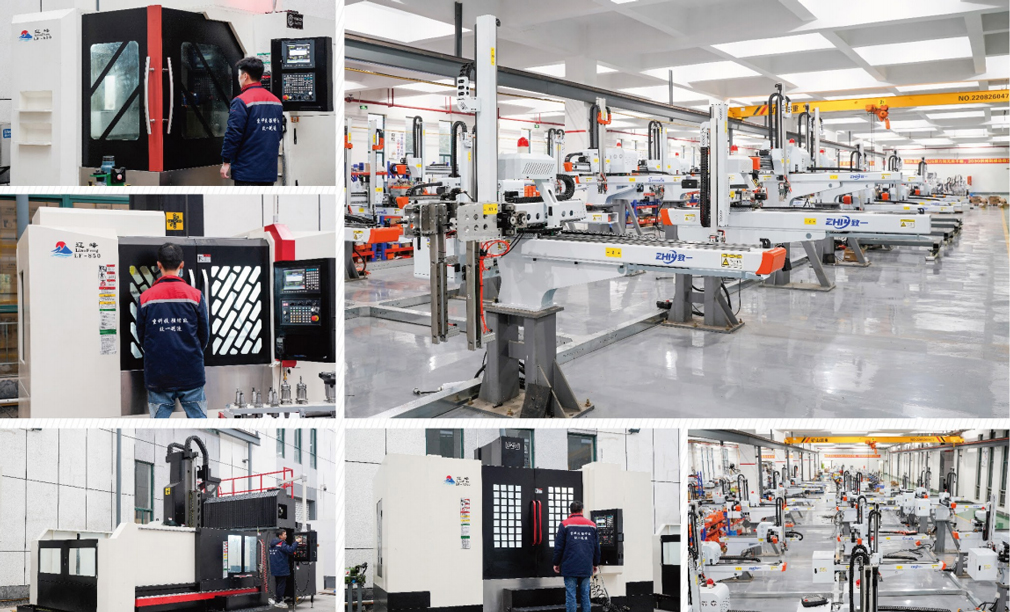
- Modern workshop, precision processing equipment, standardized assembly lines.
- Complete QC system and certification documents.
- Supply Chain & Delivery
- Stable component supply, short lead times, high on-time delivery rate.
- Flexible support for small-batch trials and large-volume orders.
- Service Capability
- Pre-sales consultation, program design, sample testing.
- After-sales support, training, and global service response.
Red Flags to Avoid
- Lack of complete certification or test reports.
- Unstable delivery or frequent component substitutions.
- Weak after-sales or unclear warranty terms.
- Inability to provide customized design or stable mass production.
FAQ: Common Buyer Concerns Answered
What is the typical repeat positioning accuracy?
Most standard models reach ±0.05 mm; high-precision versions can achieve ±0.02 mm based on design and testing.
What is the normal lead time for OEM orders?
Sample orders: 7–15 days. Small-batch production: 15–25 days. Bulk orders: 25–40 days, depending on quantity and customization.
Can you match our brand interface and protocol?
Yes. Professional OEMs support Modbus, CANopen, EtherCAT, and other common fieldbuses, and can customize to your controller interface.
Do you provide testing reports and certification?
Yes. Each unit includes a factory test report. We support complete CE, ISO 9001, and other required certification documents.
What about after-sales service?
We provide remote debugging, technical guidance, operation training, and a stable spare parts supply system to ensure continuous production.
Conclusion
3-axis servo robotic arms are foundational to modern automated production, and professional OEM manufacturing is the most efficient way to secure stable, high-quality, cost-effective equipment. By understanding components, production flow, quality control, customization, and supplier selection, you can build low-risk, high-value partnerships that support your business growth.
Whether you are expanding automation lines, developing private-label products, or building long-term supply chains, choosing a reliable OEM partner lays the groundwork for sustainable success.
Email:sales@zhiyirobotics.com
Whatsapp:15215884071