
Leave Your Message
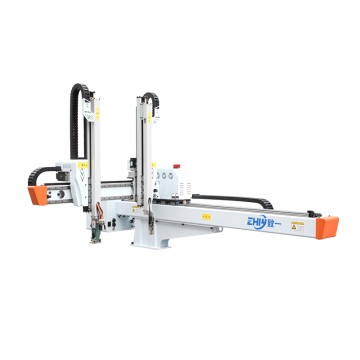
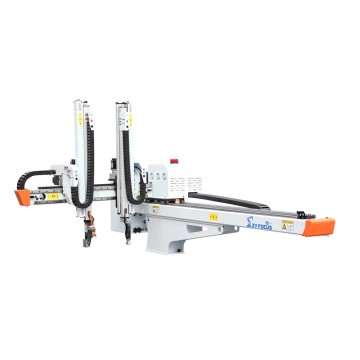
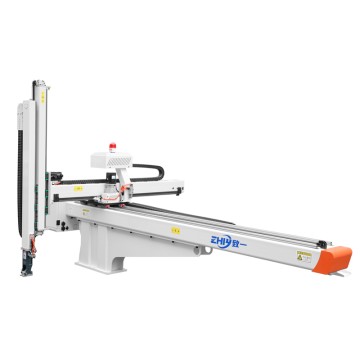
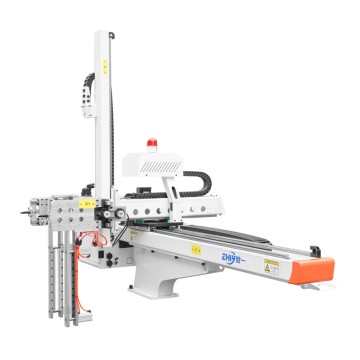
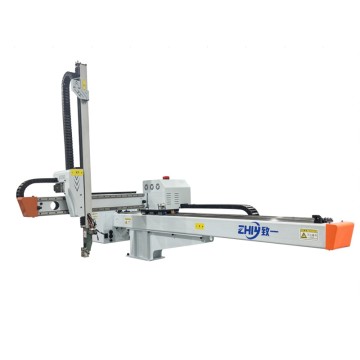
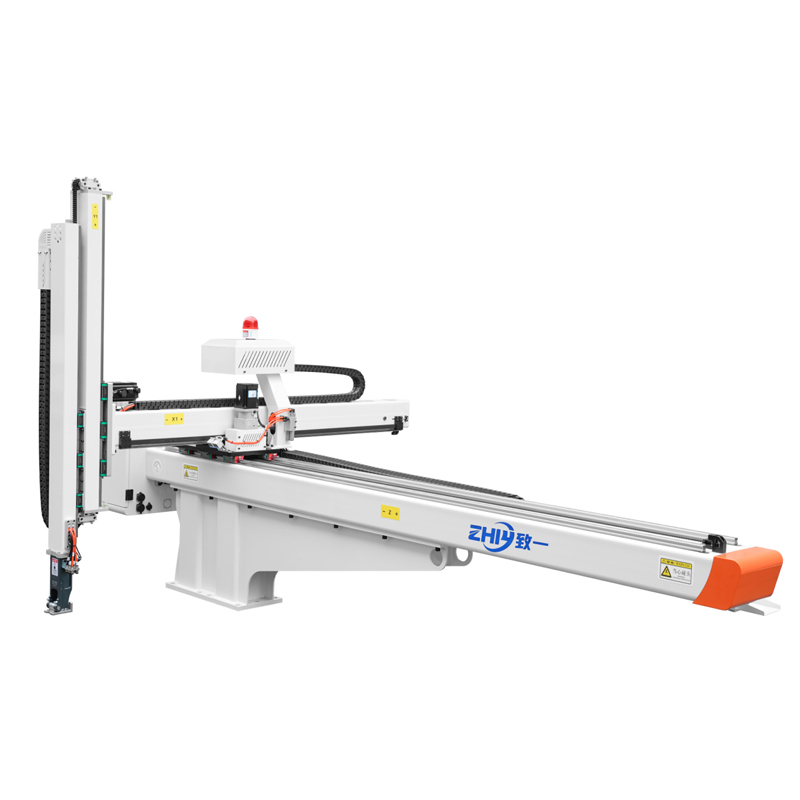
1300T Injection Molding Machine: A Selection Guide for Heavy-Duty Five-Axis Robots
1300T Injection Molding Machine: A Selection Guide for Heavy-Duty Five-Axis Robots
In the field of large-scale injection molding production, the 1300T injection molding machine, as a core production piece with high tonnage, is mainly used for the injection molding of heavy and large parts such as large plastic parts, automotive parts, and industrial enclosures. The selection of its automated supporting equipment directly determines production efficiency, product yield, and overall equipment utilization. Heavy-duty five-axis robots, with their multi-axis linkage, high precision, and high load capacity, have become the best automation solution for the 1300T injection molding machine. However, facing diverse product specifications and production needs, scientific selection is key to achieving intelligent upgrades of injection molding production lines. This article provides a professional selection guide for heavy-duty five-axis robots for 1300T injection molding machines for global injection molding industry buyers, covering core selection dimensions, parameter matching, process adaptation, and quality considerations. This guide helps accurately match production needs and achieve cost reduction and efficiency improvement.
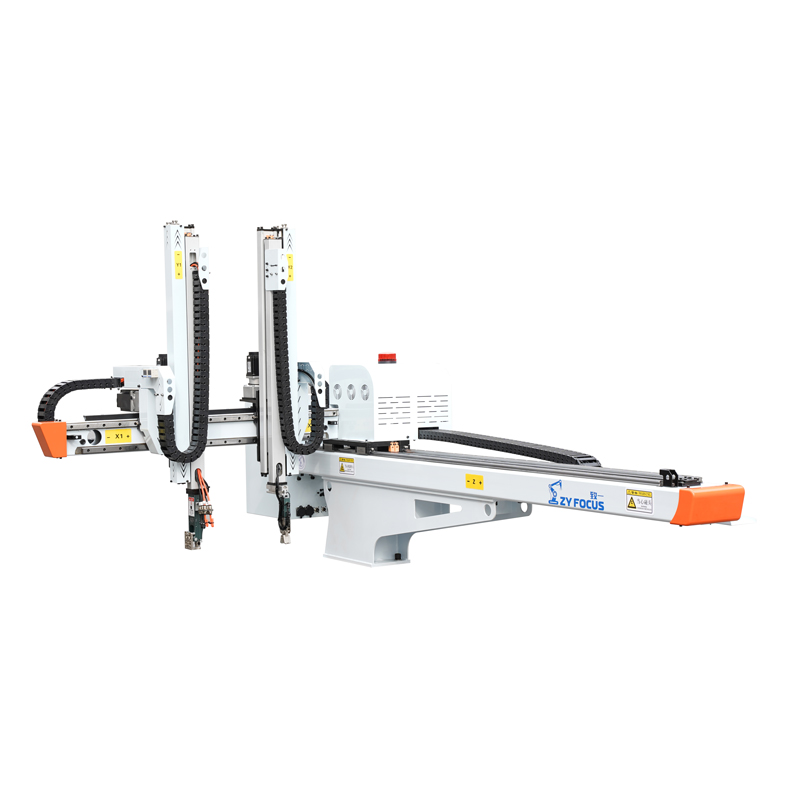
I. Core Prerequisite for Selection: Clearly Define the Core Needs of the 1300T Injection Molding Machine and Production
The selection of a heavy-duty five-axis robot is not a simple matter of matching a single parameter, but rather based on the 1300T... A comprehensive consideration of the injection molding machine's basic parameters, production process, and product characteristics is crucial. Clearly defining the following core requirements in the early stages can prevent selection errors from the outset, and these are also the primary considerations for global injection molding buyers:
Product and Mold Characteristics:Determine the maximum weight (including sprue material), dimensions, mold tie rod spacing, mold opening and closing stroke, and ejection system parameters. This is the foundation for determining the robot's load, stroke, and gripping method.
Production Process Requirements: Confirm whether the production involves complex processes such as in-mold inserts, in-mold labeling, sprue trimming, and automatic palletizing. Different processes have different requirements for the five-axis robot's functional modules and end effectors.
Production Line Efficiency Targets: Define the injection molding production cycle. The robot's idle cycle time must be less than the injection cycle time, allowing for error margins to avoid slowing down the overall production line.
Workshop Installation and Environment:Confirm the installation space for the injection molding machine (above, side, rear), workshop temperature and humidity, and oil and dust levels to determine the robot's installation method and protection level.
#1300T Injection Molding Machine Heavy-Duty Five-Axis Robot Selection#1300T Injection Molding Machine Mold Parameter Matching Robot
II. Core Selection Dimensions: Precise Matching of Six Key Parameters for 1300T Injection Molding Machines
The 1300T injection molding machine is a large-tonnage injection molding equipment. The matching heavy-duty five-axis robot needs to achieve precise matching in core parameters such as load, stroke, and accuracy. Any mismatch in parameters may lead to production delays, equipment interference, or even mold damage. The following six parameters are the core selection points:
(I) Load Capacity: Adapting to the Heavy Part Handling Needs of Large-Tonnage Injection Molding
The products processed by the 1300T injection molding machine are mostly large plastic parts, usually weighing over 15kg. Some automotive parts and industrial boxes can weigh up to 50kg. Therefore, the rated load of the heavy-duty five-axis robot must be ≥ 1.2 times the maximum weight of the product, with redundancy space reserved for sprue material and fixture weight. Simultaneously, attention must be paid to the effective payload capacity of the robotic arm to ensure no capacity attenuation within the maximum working radius, meeting the full-stroke gripping requirements from the mold center to the product placement point.
#1300T Injection Molding Machine Heavy-Duty Five-Axis Robot Load Standard
(II) Stroke Parameters: Covering the Entire Mold Range and Production Layout
Stroke parameters must be fully compatible with the mold dimensions and installation layout of the 1300T injection molding machine. The core focus is on three main indicators: lateral stroke, vertical stroke, and pull-out stroke:
Large Stroke: Must cover the furthest distance from the mold center to the conveyor belt/pallet/processing table. The recommended lateral stroke for the robot arm Supporting with the 1300T injection molding machine is no less than 2700mm. A double-section arm can further improve space coverage.
Vertical Stroke: Must cover the vertical height difference from the robot arm's standby position to the mold parting surface and product placement point, adapting to the high mold plate spacing of the 1300T injection molding machine. A minimum of 1700mm is recommended.
Pull-out Stroke: Must meet the robot arm's need to penetrate deep into the mold to retrieve parts, adapting to the deep mold cavity characteristics of the 1300T injection molding machine. A minimum of 900mm is recommended.
Simultaneously, it is important to ensure that the width of the robotic arm is less than the distance between the injection molding machine's tie rods, leaving a safety clearance of ≥50mm to avoid interference with the mold and tie rods during part removal.
(III) Positioning Accuracy and Movement Speed: Balancing Production Efficiency and Product Quality
Large products processed by the 1300T injection molding machine often require subsequent assembly. The repeatability of positioning must be within ±0.1mm to ensure consistent product placement and prevent rework in subsequent processes due to positioning deviations. Movement speed must be matched to the injection cycle while maintaining stability. The injection cycle of a 1300T injection molding machine is typically 15-30 seconds. The robotic arm's full cycle time must be controlled within 80% of the injection cycle. High-speed and stable motion control algorithms can reduce product shaking and prevent scratches and deformation on the surface of large plastic parts.
#Heavy-duty 5-axis robot for 1300T injection molding machine: Positioning accuracy requirements
(IV) Drive and Control System: Ensuring High Stability and Intelligent Integration
The heavy-duty 5-axis robot matching the 1300T injection molding machine must be driven by a full servo motor. Compared to pneumatic drives, servo drives offer advantages such as precise torque control, fast response, and energy efficiency, meeting the requirements for stable operation and precise movements under heavy loads. The control system, as the "brain" of the robot, must possess the following characteristics:
* Supports data storage for multiple mold sets (recommended ≥1000 sets) to adapt to the rapid mold change requirements of multi-variety production;
* Open standard communication interfaces (such as EtherCAT, Profinet) for seamless integration with injection molding machines, MES systems, vision inspection equipment, and other peripheral devices;
* Equipped with a graphical programming interface to reduce the difficulty of machine setup and improve production line debugging efficiency.
(V) End Effectors: Customized Adaptation to Products and Processes
End effectors are the part of the robotic arm that directly contacts the product. They need to be customized according to the characteristics and process requirements of the products processed by the 1300T injection molding machine. Core types include:
Pneumatic Grippers:Suitable for large, rigid plastic parts with gripping points, such as industrial enclosures and automotive bodies;
Vacuum Suction Cups: Suitable for flat, non-porous large panel products. Requires a high-powered vacuum generator to meet the adsorption needs of heavy products;
Composite Fixtures: Integrating gripping, adsorption, and shearing functions. Suitable for products with sprue gates or requiring on-site sprue gate trimming, reducing subsequent processes;
Insert Fixtures: Equipped with force control sensing, suitable for in-mold insert processes, ensuring precise placement of metal parts, threaded inserts, and other inserts without damaging the mold.
(vi) Protection Rating: Adaptable to the Harsh Environment of Injection Molding Workshops Injection molding workshops commonly experience problems such as oil contamination, dust, and high temperatures. The production environment of a 1300T injection molding machine is even more complex. The protection rating of the heavy-duty five-axis robot must be no less than IP54. Core components such as the motor and electrical control box must be sealed to prevent oil contamination and dust intrusion that could lead to equipment malfunction. Additionally, oil-resistant cables and high-temperature resistant bearings must be provided to ensure long-term stable operation of the equipment and reduce maintenance costs.
#Heavy-Duty 5-Axis Robot Protection Level Injection Molding Workshop
III. Process Adaptation Selection: Customized Solutions for Typical Application Scenarios of 1300T Injection Molding Machines
The application scenarios of 1300T injection molding machines are concentrated in the large-scale production of large plastic parts. Different processes have different requirements for the functional configuration of heavy-duty 5-axis robots, requiring targeted selection to achieve a perfect fit between the process and the equipment:
Scenario 1: Standard Part Retrieval + Automatic Palletizing
Core Requirements: Stable and efficient retrieval of large products, and multi-layer, multi-specification palletizing;
Selection Recommendation: Choose a heavy-duty 5-axis robot with a self-developed palletizing process package, supporting multiple custom pallet types without cumbersome programming; equipped with a high-load double-section arm to improve palletizing space utilization; add product counting function to achieve production data visualization.
Scenario 2: In-Mold Insertion + In-Mold Labeling
Core Requirements: High-precision placement of metal inserts and labels within the mold, with precise coordination with the injection molding machine's movements;
Selection Recommendations: Prioritize robotic arms equipped with six-dimensional force/torque sensors to improve repeatability to ±0.05mm, ensuring proper insert placement; equip with independent auxiliary arms to handle part removal and insert/labeling actions separately, improving production efficiency; support linkage with the injection molding machine's ejection and mold closing actions for full-process automation.
Scenario 3: Part Removal + Online Post-Processing
Core Requirements: Directly perform post-processing steps such as sprue trimming, deburring, and visual inspection after part removal, reducing production line footprint;
Selection Recommendations: Choose a heavy-duty five-axis robotic arm with a highly open control system, reserving multiple output interfaces for seamless integration with sprue trimming tools, vision cameras, etc.; equipped with a rotatable end effector for 360° processing without blind spots; support multi-station action switching to meet one-stop post-processing needs.
#1300T Injection Molding Machine Five-Axis Robot Selection for In-Mold Insert Process
IV. Quality and Service Considerations: Key Concerns for International Buyers
For global wholesale buyers in the injection molding industry, the reliability, brand qualifications, and global service capabilities of heavy-duty five-axis robots are selection factors as important as parameter matching. This is especially true for large-tonnage production equipment like the 1300T injection molding machine, where equipment failure can lead to the shutdown of the entire production line and cause significant losses:
(I) Product Qualifications and Certifications Qualified heavy-duty five-axis robots must possess internationally recognized certifications such as ISO9001 quality management system certification and CE certification to ensure that the product meets global production standards, facilitating export and multinational production layouts. Simultaneously, attention should be paid to the product's factory inspection report to confirm that core indicators such as load capacity, accuracy, and protection meet the specified values.
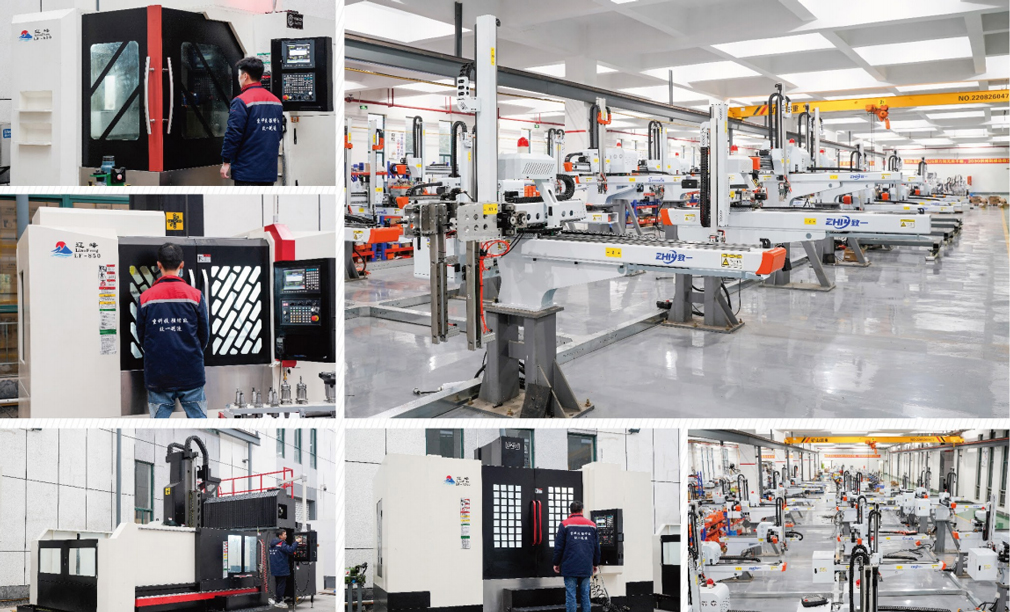
(II) Brand Technical Strength and Project Cases Choose brands with extensive experience in supporting large-tonnage injection molding machines. Prioritize examining the brand's number of patents, production capacity, and project cases, especially those supporting 1300T and above injection molding machines, to verify the brand's technical strength and equipment compatibility. Simultaneously, pay attention to the brand's R&D capabilities to ensure the equipment can iterate its functions along with upgrades in injection molding processes.
(III) Global After-Sales Service and Technical Support International buyers have high requirements for global after-sales service. Choose brands that can provide 24/7 remote technical support and a global network of local service providers to ensure rapid response and on-site repair when problems arise at overseas production bases. The brand should also provide professional installation, commissioning, and operation training services to reduce setup and labor costs on overseas production lines.
(IV) Equipment Cost-Effectiveness and Return on Investment Heavy-duty five-axis robots are high-value automation equipment. Purchasers need to comprehensively consider equipment price, maintenance costs, and energy efficiency to calculate the return on investment (ROI). A high-quality heavy-duty five-axis robot can achieve a return on investment within 1-2 years by improving production efficiency, reducing labor costs, and lowering product scrap rates. Simultaneously, the equipment's service life should be no less than 8 years to ensure long-term investment value.
#International Procurement Heavy-Duty Five-Axis Robot Quality Standards
V. Practical Selection Steps: A Complete Guide from Needs Analysis to Equipment Implementation
To help global purchasers efficiently select heavy-duty five-axis robots for 1300T injection molding machines, the following standardized practical steps are outlined to ensure a scientific and efficient selection process:
Data Collection: Comprehensively compile the core parameters of the 1300T injection molding machine (clamping force, tie rod spacing, mold opening and closing stroke, ejection parameters, etc.), product and mold characteristics, production process requirements, and workshop layout data;
Preliminary Screening: Based on core parameters such as load, stroke, and accuracy, screen 3-5... 1. Identify suitable brands and models, excluding products with obviously mismatched parameters;
2. Solution Evaluation: Require each brand to provide customized solutions, including equipment configuration, process adaptation, integration solutions, pricing, and after-sales service, and compare and evaluate the rationality and cost-effectiveness of each solution;
3. Prototype Testing: Require brands to provide prototypes for on-site or video testing to verify the robot's smoothness in picking up parts, positioning accuracy, cycle time, and other indicators in actual production, simulating various production scenarios;
4. Site Visit: Visit the brand's production base, testing center, and actual project cases to verify the brand's production capacity and the actual operating effect of the equipment;
5. Cooperation Implementation: After determining the cooperating brand, clarify details such as equipment delivery cycle, installation and commissioning, training, and after-sales service, and sign a formal purchase contract.
Website:https://www.zhiyirobotics.com/
Email:sales@zhiyirobotics.com
#Selection of Heavy-Duty 5-Axis Robot for 1300T Injection Molding Machine#Heavy-Duty 5-Axis Robot#1300T Injection Molding Machine Robot Matching#International Procurement of Heavy-Duty 5-Axis Robot for Injection Molding Machines#Load Standards for 31300T Injection Molding Machine Robots#Protection Level Requirements for Heavy-Duty 5-Axis Robots#Selection of In-Mold Insert Robots for 1300T Injection Molding Machines#Stroke Parameters of 5-Axis Robots for Large Tonnage Injection Molding Machines