
Leave Your Message
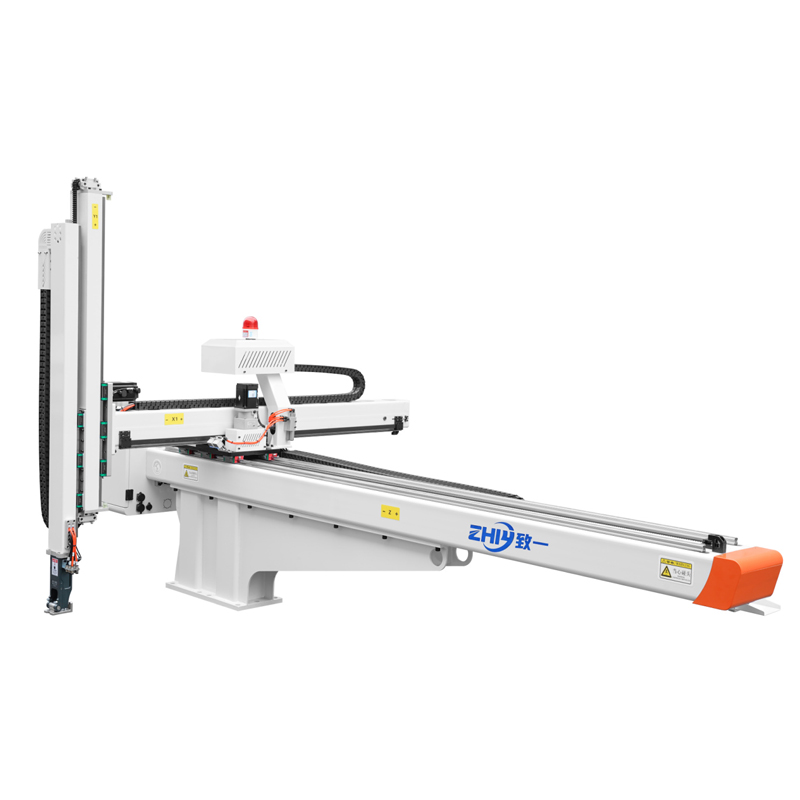
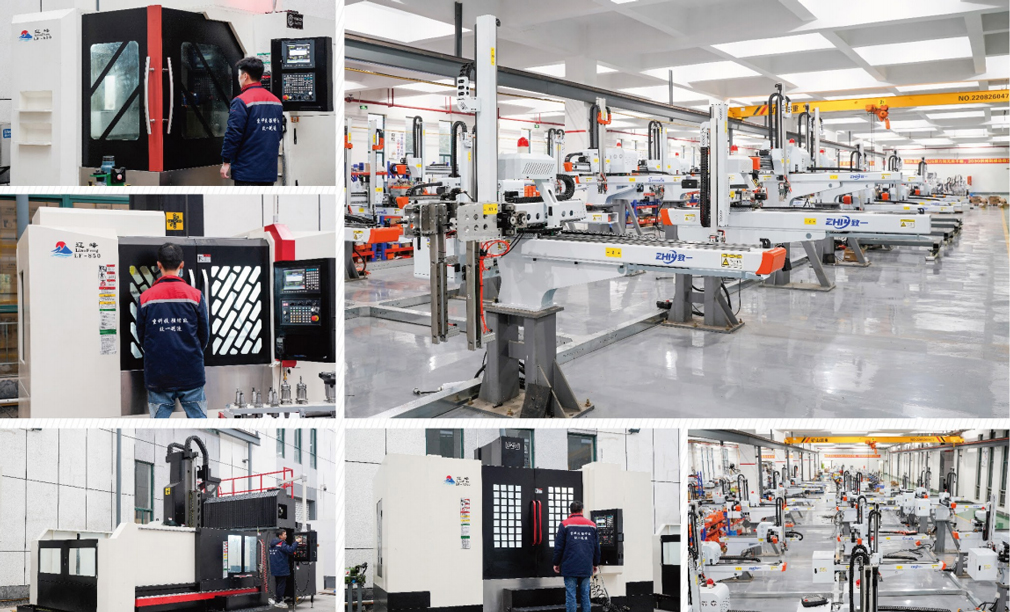
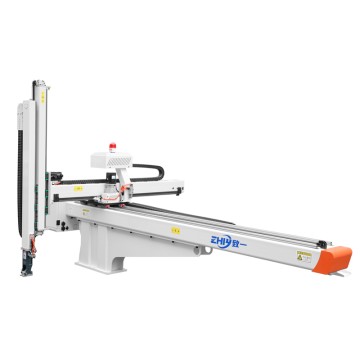
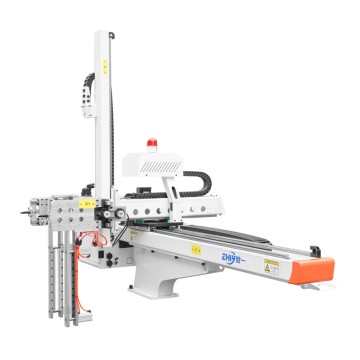
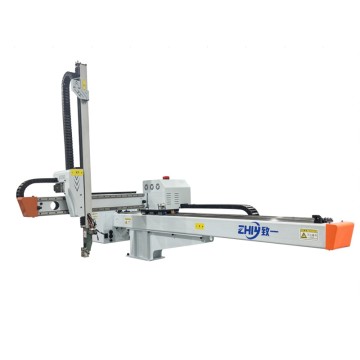
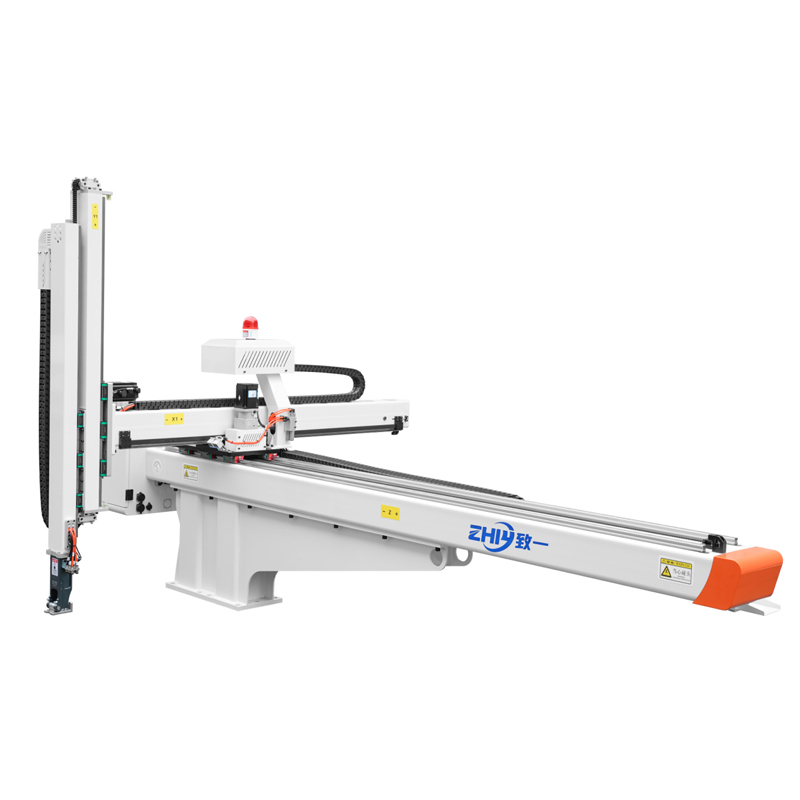
Triaxial Servo Robots: Precision Handling Solution for Hardware Manufacturing Challenges
Triaxial Servo Robots: Precision Handling Solution for Hardware Manufacturing Challenges
1. The Core Pain Points of Handling in Hardware Manufacturing
Precision Deficits with Manual Labor: Hardware components (e.g., precision gears, CNC-machined parts, stamping blanks) require consistent positioning during transfer. Manual handling introduces human error—even slight hand tremors or misalignment can cause scratches, dimensional inaccuracies, or damage to delicate features, pushing scrap rates as high as 5-8% in some operations.
Inefficiency in High-Volume Production: Hardware manufacturing often operates 24/7 to meet demand, but human workers need breaks, leading to unplanned downtime. Semi-automated systems (e.g., pneumatic arms) lack flexibility; reconfiguring them for new part sizes or workflows can take hours, slowing time-to-market for new products.
Safety Risks in Hazardous Environments: Many hardware processes involve sharp edges, high temperatures (e.g., post-heat treatment parts), or heavy components (5-50kg). Manual lifting or transfer increases the risk of workplace injuries, while also raising workers’ compensation costs and compliance burdens with standards like OSHA (U.S.) or CE (EU).
Inconsistency Across Shifts: Even well-trained teams may have slight variations in handling speed or technique, leading to inconsistent cycle times. This makes it hard to forecast production volumes and meet tight delivery deadlines—especially critical for international buyers who rely on just-in-time (JIT) supply chains.
2. Why Triaxial Servo Robots Solve These Challenges: Core Advantages
2.1 Unmatched Precision for Critical Hardware Applications
Repeat Positioning Accuracy: Most industrial-grade triaxial servo robots offer ±0.02mm to ±0.05mm repeatability—far below the tolerance thresholds of precision hardware components (typically ±0.1mm). This eliminates scrap from misalignment and ensures every part is handled consistently.
Smooth Motion Control: Servo motors provide gradual acceleration and deceleration, preventing sudden jolts that could scratch or deform delicate parts (e.g., thin-walled aluminum brackets or threaded fasteners). This is critical for high-value hardware where surface finish directly impacts product quality.
2.2 2-3x Efficiency Gains with Continuous Operation
Fast Cycle Times: With response speeds as low as 0.1 seconds per axis, these robots can complete transfer tasks (e.g., moving a CNC-machined part from a lathe to a inspection station) in under 2 seconds—cutting cycle times by 30-50% compared to manual handling.
Quick Changeovers: Via programmable HMI (Human-Machine Interface), operators can switch between part profiles in minutes—no mechanical adjustments needed. For manufacturers producing multiple hardware SKUs (e.g., different-sized bolts or washers), this flexibility slashes setup time and increases production agility.
2.3 Enhanced Safety and Compliance
Built-in Safety Features: Most models include emergency stop buttons, light curtains, and force sensors—if the robot detects a collision (e.g., with a worker or equipment), it shuts down instantly. This aligns with strict standards like ISO 13849-1 (functional safety for machinery).
Reduced Human Exposure: By handling heavy, sharp, or hot components, robots minimize workers’ contact with hazardous materials. This lowers injury rates and helps manufacturers comply with regional regulations (e.g., EU’s Machinery Directive 2006/42/EC).
2.4 Cost Savings Over the Long Term
Lower Scrap Rates: By reducing errors, robots cut scrap costs by 40-60%—a significant saving for high-material-cost hardware (e.g., brass or stainless steel parts).
Reduced Labor Costs: One Robot Can replace 2-3 full-time workers for repetitive handling tasks, eliminating overtime pay and training costs for new employees.
Minimal Maintenance: Servo motors have fewer moving parts than pneumatic systems, requiring only quarterly inspections (vs. monthly for pneumatics). This reduces maintenance downtime and spare parts costs.
3. Key Applications of Triaxial Servo Robots in Hardware Manufacturing
3.1 Cnc Machine Tool Loading/Unloading
Unattended Operation: Robots load raw materials (e.g., metal bars, forgings) into CNC machines and unload finished parts—allowing 24/7 production even with minimal staff.
Consistent Part Positioning: By holding parts to ±0.03mm accuracy, robots ensure CNC tools cut to exact specifications, reducing rework rates by 70% or more.
Example: A European hardware manufacturer of automotive fasteners replaced manual CNC loading with triaxial servo robots. They saw a 45% increase in CNC throughput and a 55% drop in fastener scrap rates.
3.2 Precision Stamping and Punching Handling
High-Speed Transfer: They match the speed of stamping presses (up to 120 cycles per minute), ensuring no bottlenecks in the production line.
Non-Marring Grippers: Customizable grippers (e.g., vacuum cups for flat parts, soft-jaw clamps for curved surfaces) protect delicate finishes—critical for visible hardware components (e.g., decorative metal handles).
3.3 Assembly Line Component Transfer
Multi-Station Integration: Robots transfer parts between assembly stations (e.g., from a bearing press to a bolt-tightening station) without human intervention, reducing assembly time by 25-30%.
Error-Proofing: Integrated vision systems (optional add-on) verify part orientation before transfer, preventing misassembly and reducing warranty claims.
3.4 Post-Processing Handling (Inspection, Packaging)
Precision Inspection Transfer: They move parts to inspection stations without shifting, ensuring CMM measurements are accurate and reliable.
Uniform Packaging: For bulk hardware (e.g., bags of screws), robots count and place parts into packages with ±1 part accuracy, eliminating customer complaints about missing items.
4. Real-World Case Study: How a Asian Hardware Manufacturer Boosted Competitiveness
Challenge
High Scrap Rates: Manual handling of small, threaded fittings (2-10mm in diameter) led to 7% scrap due to cross-threading or surface scratches.
Low CNC Utilization: CNC machines sat idle during worker breaks, limiting production to 16 hours/day.
Labor Shortages: Finding workers willing to perform repetitive, high-precision tasks was increasingly difficult, leading to delayed orders.
Solution
Custom soft-jaw grippers to protect threaded surfaces.
Ethernet connectivity with CNC machines for synchronized operation.
Vision systems to verify part orientation before CNC loading.
Results
Scrap Rate Dropped to 1.2%: The robots’ precision eliminated handling-related errors, saving $80,000/year in material costs.
CNC Utilization Reached 95%: 24/7 operation increased monthly output by 50%, allowing the company to fulfill a new $2M/year order from a U.S. aerospace client.
Labor Costs Cut by 30%: 8 robots replaced 12 manual workers, while remaining staff were retrained for higher-value tasks (e.g., robot programming, quality control).
5. How to Select the Right Triaxial Servo Robot for Your Hardware Operation
3-5kg robots: Ideal for small parts (e.g., screws, washers).
10-20kg robots: Better for larger components (e.g., CNC-machined housings, heavy brackets).
6. Next Steps: Get a Custom Triaxial Servo Robot Solution for Your Hardware Line
Free on-site (or virtual) workflow assessments to identify bottlenecks.
Custom gripper and software configurations for your unique parts.
Global technical support (24/7) and training to ensure smooth deployment.
Compliance with international standards (CE, UL, ISO) to simplify export/import.