
Leave Your Message
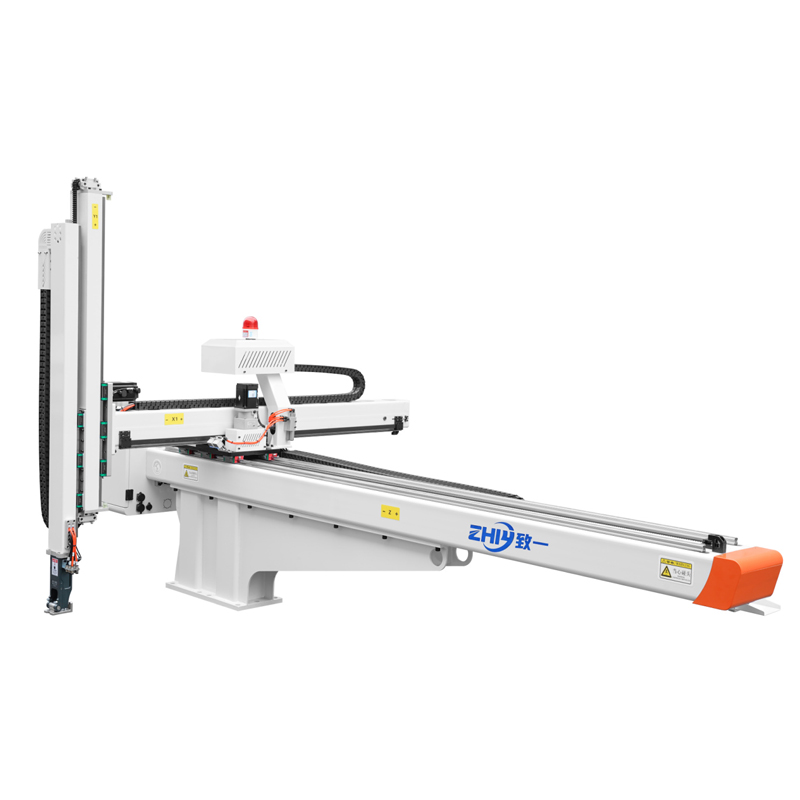
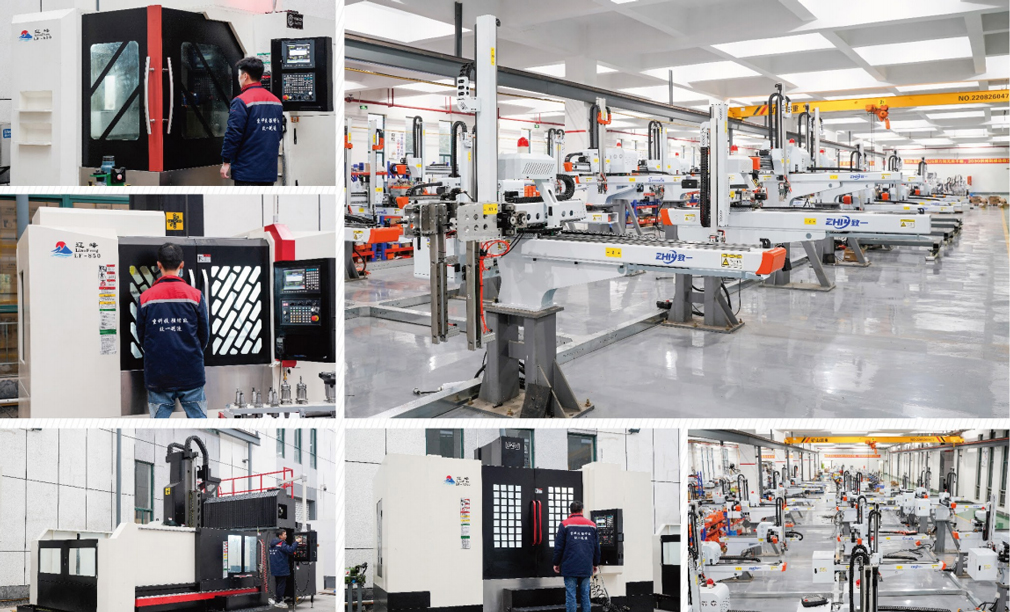
Interpretation of import and export trends of three-axis servo robots
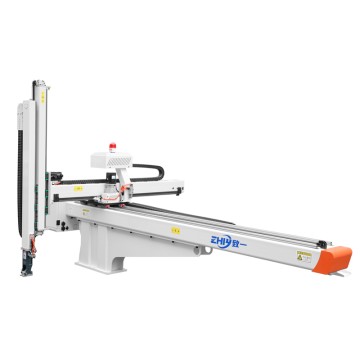
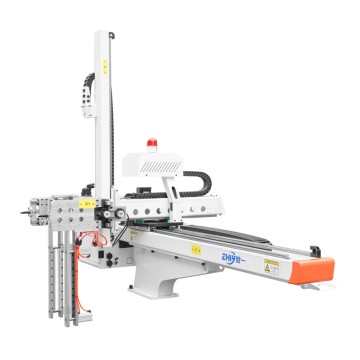
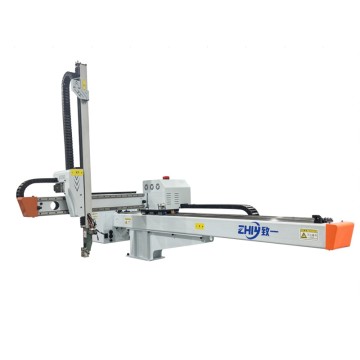
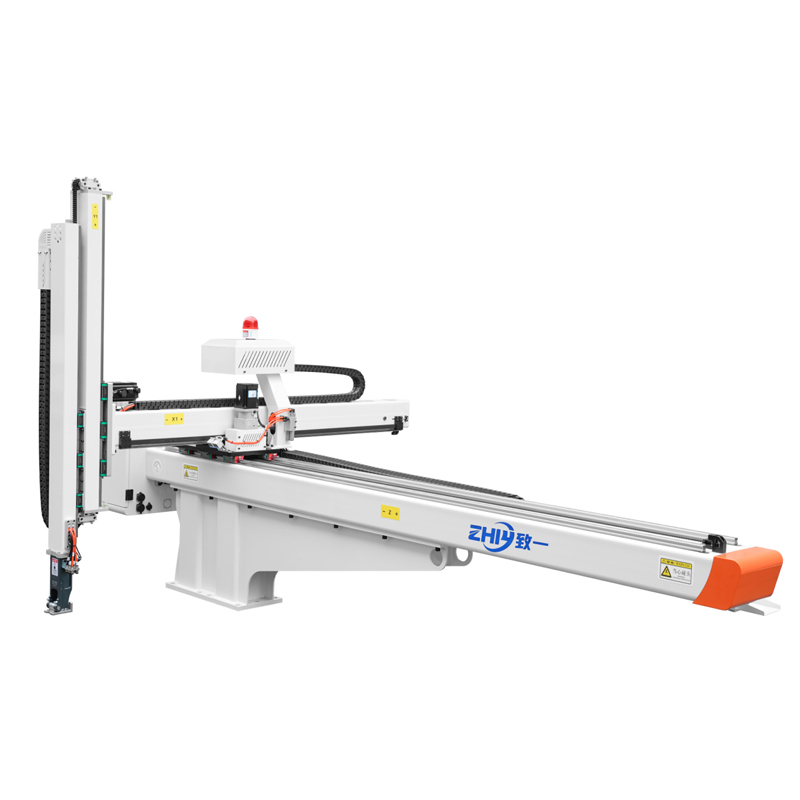
Global Trade Policy Changes: An Interpretation of Three-Axis Servo Robot Import and Export Trends
I. Trade Policy Shifts: A Double-Edged Sword for the Global Robot Market
The global three-axis servo robot market in 2025 is being profoundly impacted by the wave of trade policy restructuring. Developed economies, represented by the United States, have made the most radical policy adjustments. The tariff list released in April explicitly included industrial robots and core components in the scope of the additional tariffs, resulting in a 60% drop in Chinese robot export orders to the US. This policy continues the suppressive logic of the 2018 trade war, but focuses more on China's strengths in areas such as intelligent manufacturing. Meanwhile, Europe is creating green trade barriers through the Carbon Border Tax (CBAM), indirectly requiring imported robots to meet higher energy efficiency standards. The North American CHIPS Act, by restricting the export of high-end chips, has hampered the export of Robot Technology equipped with intelligent control systems.
Policy trends in emerging markets present a different picture. Countries along the Belt and Road Initiative, such as Thailand and Indonesia, are attracting investment in automation equipment by streamlining import approvals and offering tax exemptions. By 2025, China's industrial robot exports to Southeast Asia will increase by 32% year-on-year, with three-axis servo manipulators becoming the primary choice due to their cost advantages. Notably, the special smart manufacturing policies and zero-tariff export incentives launched by China's Ministry of Industry and Information Technology are forming a dual policy framework of "promoting domestic upgrades and expanding overseas markets," pushing the localization rate of core components to exceed 45% by the end of 2025.
II. Import and Export Trends: The Market Restructuring Logic Behind the Data
(I) Exports: From Single Dependence to Diversification
The global export landscape is undergoing significant differentiation. Traditional key markets are facing headwinds: Tariffs are impacting the North American market, leading to a 14% decline in purchases of high-end robots with Six Axes or more. While three-axis robots have experienced a temporary respite as they are not core products, their price competitiveness has been severely weakened by the 25%-35% tariffs. In Europe, affected by the energy crisis and geopolitical factors, robot purchases from China are expected to decline year-on-year in 2025, with only demand for precision assembly robots for new energy vehicles maintaining growth.
Emerging markets are becoming key to breaking through this bottleneck. Southeast Asia, driven by the expansion of its electronics contract manufacturing industry, is driving a surge in imports of three-axis servo robots. A Vietnamese electronics contract manufacturer saw a 58% year-on-year increase in robot purchases in 2025, 80% of which were three-axis models. Latin America is experiencing a 40% annual increase in demand for economical three-axis robots as automotive parts manufacturing upgrades its automation. From a product perspective, the export share of intelligent three-axis robots equipped with vision guidance is expected to rise from 22% in 2024 to 35% in 2025, becoming the segment with the strongest premium.
(II) Imports: Accelerated Substitution Amidst Core Technology Competition
Developed countries still dominate imports in the high-end market. High-precision three-axis servo robots from Japan's FANUC and Germany's KUKA, with their ±0.01mm positioning accuracy, account for 80% of China's imports in the semiconductor packaging and testing sector. Due to their involvement in advanced manufacturing technology, these products are unlikely to be fully replaced in the short term. However, import substitution in the mid-range market has achieved significant results: by 2025, China's import substitution rate for three-axis robots will reach 68%, and the share of domestic servo system manufacturers will exceed 35%. Products from companies such as Inovance Technology have already partially replaced those of Panasonic and Mitsubishi.
Trade policy has become a catalyst for substitution. The US's imposition of tariffs on core components has led to a "tariff inversion"—the import tax rate for complete devices is lower than that for components, forcing companies to accelerate domestic production. For example, the load stability of domestically produced precision reducers has increased by 40% compared to 2020, and they are now on par with products from Japan's Harmony Systems in the 3C electronics assembly market, driving China's import dependence down from 59% in 2021 to 32% in 2025.
III. Policy-Driven Technological and Market Evolution
(I) Technological Iteration: Innovation Breakthroughs Driven by Policy
Tariff barriers and technological blockades have actually accelerated the technological upgrade of three-axis servo robots. In terms of control accuracy, domestic companies have improved repeatability from ±0.02mm to ±0.01mm through proprietary algorithms, approaching world-class standards. Regarding intelligence, the penetration rate of embedded control systems will rise from 31% in 2023 to 57% in 2025, and models supporting remote diagnostics and self-learning will command an export premium of 30%.
Green transformation has become a new technological competitive advantage. In response to European carbon tariffs, companies have launched models equipped with energy-saving servo motors, consuming 25% less energy than traditional products. They also utilize recyclable aluminum alloy bodies to reduce environmental impact. These "low-carbon" robots already account for 18% of orders in Germany and France. Modular design has become standard, enabling rapid model changeovers to accommodate multiple workstations, reducing deployment time from seven days to two, making them popular among small and medium-sized enterprises.
(II) Market Strategy: From Passive Response to Proactive Strategies
Leading companies have established a mature policy response system. In terms of capacity deployment, companies like Roborock and Efort have established factories in Vietnam and Mexico, circumventing US tariffs through "local production + regional sales." By 2025, export costs from their Vietnamese base to the US had decreased by 18%. Regarding market development, they have established a localized service network for the Belt and Road Initiative, establishing repair centers in Thailand and Malaysia, reducing response times from 48 hours to 8 hours.
Business model innovation enhances risk resilience. The proportion of rental services will increase from 9% in 2023 to 18% in 2025. Through bundled "hardware + software + maintenance" packages, the company has increased customer retention to 72% in the Indian market. A "tiered payment" program, designed for small and medium-sized customers, has lowered the purchasing threshold and driven a 65% sales increase in the Brazilian market.
IV. 2026 Trend Forecast and Enterprise Response Guide
(I) Three Core Trends
Regionalized trade patterns are taking shape: North America and Europe will form regional markets with high technological barriers, while Southeast Asia and Latin America will become the fastest-growing emerging markets. It is expected that emerging markets will account for over 45% of global exports in 2026.
Struggle for control over technical standards is intensifying: The collaborative robot communication protocol led by China is expected to become an international standard, giving three-axis manipulators an advantage in interface compatibility. Exports of related models are expected to grow by 40% in 2026.
Breakthroughs in core components: The localization rates of servo motors and precision reducers will reach 42% and 48%, respectively, driving a further 15% reduction in overall machine costs and further enhancing international competitiveness.
(II) Practical Recommendations for Enterprises
Market Layout: Develop a strategy of "maintaining market share in high-end European and American markets while capturing growth in emerging markets," focusing on three core hubs: Thailand (electronics manufacturing), Mexico (auto parts), and Turkey (home appliance production). Product Strategy: Customize models for different markets. Exports to the US focus on "cost-effective basic models" to mitigate tariffs; exports to Europe prioritize "low-carbon, intelligent models" that meet environmental standards; and exports to Southeast Asia emphasize "high-stability, economical models" suitable for high-temperature and high-humidity environments.
Compliance Management: Establish a dynamic monitoring mechanism for global trade policies, focusing on tracking the US Section 301 investigation and EU CBAM list updates, and complete product certification and tariff planning in advance.