
Leave Your Message
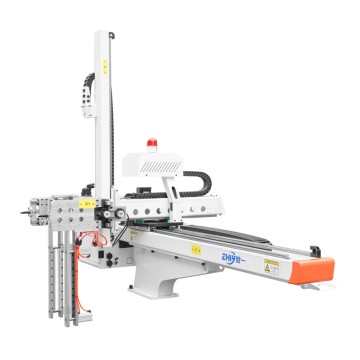
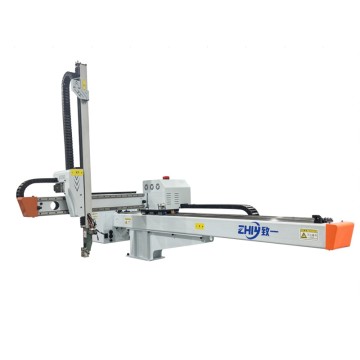
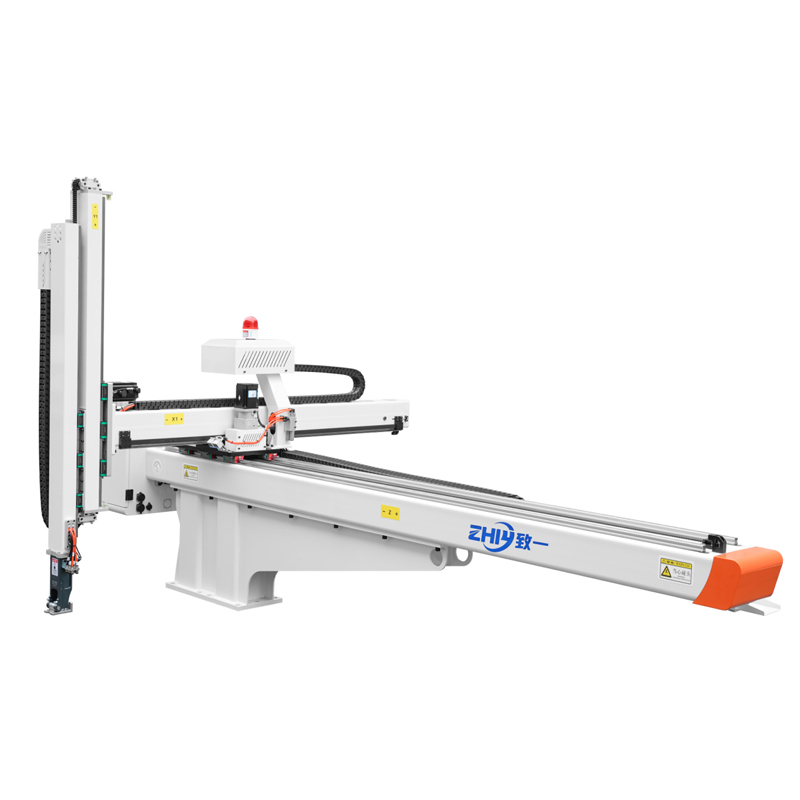
In-depth Analysis of the Three-Axis Servo Injection Molding Robot Export Market
In-depth Analysis of the Three-Axis Servo Injection Molding Robot Export Market
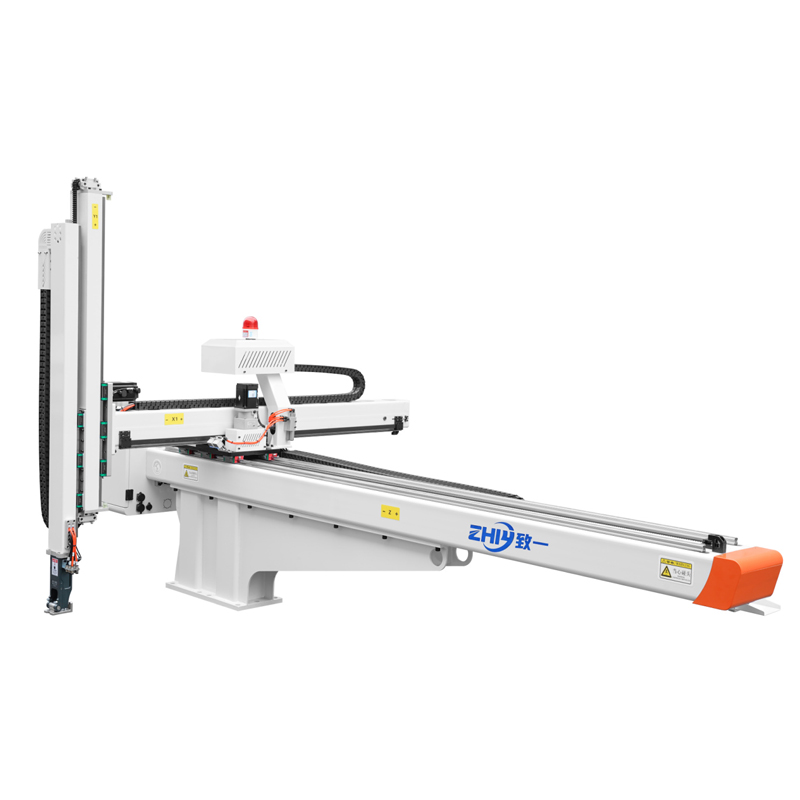
As the global manufacturing industry shifts toward intelligent and unmanned operations, three-axis servo injection molding robot arms, with their core advantages of precise control, efficient operation, and high cost-effectiveness, have become key equipment for automation upgrades in industries such as automotive, electronics, and medical. With rising labor costs, increasing production precision requirements, and the restructuring of global supply chains, the export market is experiencing structural growth opportunities. This article will provide international professional buyers with panoramic market insights from five perspectives: the global market landscape, regional demand characteristics, core drivers, key purchasing decisions, and future trends.
I. Global Market Overview: Scale Expansion and Structural Upgrades in Parallel Mode
1. Overall Market Growth Trends
The global injection molding Robot Market is experiencing steady growth, reaching $4.23 billion in 2025 and projected to exceed $5.87 billion by 2030, maintaining a compound annual growth rate (CAGR) of 6.8%. Three-axis servo models, as a staple in the mid-range market, command over 35% of the global injection molding robot market thanks to their strong adaptability and manageable costs. Their penetration rate continues to rise in small and medium-volume production scenarios.
This growth is driven by multiple factors: Global manufacturing labor costs are rising by an average of 4.2% annually, prompting companies to accelerate automation substitution. Trends such as lightweighting in automobiles and increasing precision in consumer electronics are driving a surge in demand for repeatable positioning accuracy (within ±0.1mm) in the injection molding process. Furthermore, the increasing domestic production rate of servo motors (from 43% in 2020 to 61% in 2023) is reducing the cost of three-axis models by 12-15%, further stimulating demand in emerging markets.
2. Product Competition Landscape
The global market is characterized by "concentration in the high-end and fragmentation in the mid-end." International brands such as Germany's KUKA and Japan's Yaskawa dominate the high-end market with core technological advantages. Chinese domestic companies such as Topstar and Siweker have achieved breakthroughs in the three-axis servo market through technological iteration, increasing their global market share from 28% in 2023 to 31% in 2025 and projected to reach 34% in 2030.
The focus of competition is shifting from single hardware competition to a comprehensive "performance + service" competition. Three-axis models with modular designs (which can shorten production line conversion cycles by 40%) and integrated IoT operation and maintenance systems are more popular, and these intelligent upgrades can command a price premium of over 20%.
II. In-depth Analysis of Regional Markets: Demand Differences and Layout Strategies
Different regions have differentiated market demands due to their manufacturing infrastructure, policy orientations, and cost structures. Accurately understanding regional characteristics is a core competitive advantage in export businesses.
1. Asia-Pacific Market: Growth Engine and Local Competition
As the world's largest injection molding robot market, the Asia-Pacific region will account for 52% of the market share in 2025, with Southeast Asia being the fastest-growing segment. Vietnam and Thailand will see a 28% year-on-year increase in injection molding robot imports in 2025, driven primarily by the relocation of electronics contract manufacturing, expansion of automotive parts production capacity, and local labor shortages.
Demand Characteristics: Primarily low- and mid-range three-axis models, with a focus on cost-effectiveness (target price 25-30% lower than European and American brands), fast delivery (with lead times within 4-6 weeks), and basic after-sales service. These products are primarily used in the production of consumer goods such as home appliance housings and plastic tableware. The Indian market, on the other hand, is characterized by "import substitution," with the proportion of local production expected to increase from 35% in 2025 to 52% in 2030. Suppliers with both knock-down component export and local assembly capabilities are in strong demand. Entry Recommendations: For ASEAN countries such as Vietnam and Malaysia, we can leverage China's Pearl River Delta supply chain advantages to provide standardized three-axis models. For the Indian market, we recommend collaborating with local distributors to provide installation and commissioning services to circumvent import tariff barriers.
2. European Market: Stringent Standards and Energy-Saving Orientation
Although the European market is experiencing steady growth (CAGR of 8.2%), the entry barrier is high. The EU EN201 machinery safety standard is a core entry requirement, covering 12 mandatory test items, including energy hazard control, protective device durability, and electrical insulation performance. After the implementation of the Carbon Border Adjustment Mechanism (CBAM), energy-saving manipulators with energy consumption reduced by at least 15% will have a greater competitive advantage.
Demand Characteristics: Primarily in the automotive and medical industries, three-axis models are required to feature low noise (≤70dB), optimized energy consumption (20% energy savings compared to traditional models), and CE certification. Some high-end applications require integrated vision recognition systems (positioning accuracy of 0.02mm). Manufacturing powerhouses like Germany and Italy have a strong demand for customization. For example, the food packaging industry requires food-grade grippers that meet FDA standards.
Entry Recommendations: Prioritize obtaining EN201 and ISO 14001 environmental certifications, launch energy-saving packages (including variable frequency drive technology) for automotive parts manufacturers, and establish after-sales service centers in Central and Eastern Europe, such as Poland and Hungary, to shorten response times.
3. North American Market: Reshoring Drives and Flexible Demand
The US Chips and Science Act is driving the reshoring of manufacturing. New investment in the North American injection molding robot market is expected to reach $2.3 billion in 2025, leading to a surge in demand for automation equipment from small and medium-sized factories. Three-axis servo models are the preferred choice for small injection molding companies due to their flexible deployment and simple programming. They are widely used in the production of automotive interiors and consumer electronics accessories.
Demand Characteristics: Emphasis on "plug-and-play" (installation and commissioning cycle ≤ 3 days), remote operation and maintenance capabilities, and UL electrical certification. High compatibility requirements are also required (compatibility with local injection molding machine brands such as Milacron). With the rise of customized production, modular three-Axis Robots that support rapid mold changes (changeover time less than 15 minutes) have seen a 12% growth rate, far exceeding the industry average.
Entry Recommendation: Partner with local North American system integrators to provide integrated "robot + peripheral equipment" solutions. Target automotive industry clusters like Mexico and launch specialized robots that comply with North American automotive industry standards (AIAG).
4. Middle East and African Markets: Unleashing Potential and Basic Demand
Driven by logistics automation, robot procurement in the Middle East is expected to grow by 47% in 2023, primarily for plastic packaging and building materials production. While the African market is still in its developmental stages, home appliance assembly plants in countries like South Africa and Nigeria are experiencing strong demand for economical three-axis robots. Chinese brands, owing to their competitive pricing, hold a 71% market share.
Demand Characteristics: Demand primarily focuses on standard models, with emphasis on durability (suitable for high-temperature and dusty environments) and spare parts availability. There is a high degree of price sensitivity (target unit price below $15,000). After-sales service primarily relies on on-site repairs. Entry Recommendation: Adopt a "high cost-effectiveness + pre-positioned spare parts" strategy, establish regional spare parts centers in Dubai and Johannesburg, and launch customized models with wide voltage (220V-480V) for the North African market.
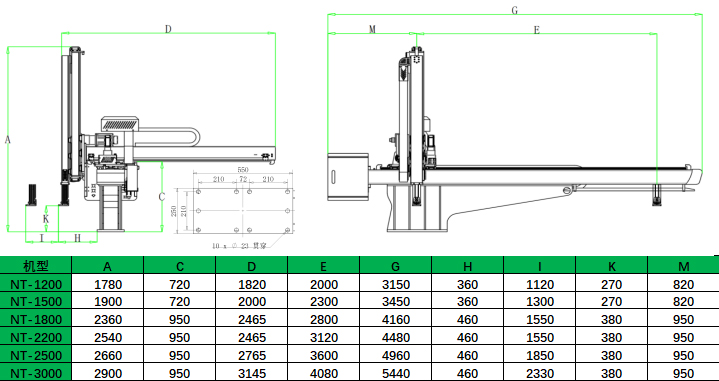
III. Core Drivers: Deconstructing the Underlying Logic of Market Growth
1. The Inexorable Demand for Automation in Manufacturing
Global manufacturing robot density has increased from 113 units per 10,000 employees in 2018 to 175 units per 10,000 employees in 2025. The injection molding industry, a labor-intensive sector, faces a particularly urgent need for automation. Three-axis servo robots can increase output per workstation by 3-4 times, shortening the payback period to 2.3-3.5 years. In the home appliance industry, the shortest time is just 2.3 years, making them the optimal choice for small and medium-sized enterprises (SMEs) to enter automation.
2. Downstream Industry Upgrades
The automotive industry contributes 32.5% of demand. The trend toward lightweighting in new energy vehicles is driving an increase in the use of plastic components, driving the adoption of three-axis robots in bumper and battery casing production. Demand for micro-precision injection molded parts in the consumer electronics sector is growing at an annual rate of 11.4%, requiring robots to possess higher precision. While the medical industry currently accounts for only 8.7% of the market, the growth rate of three-axis robots dedicated to sterile environments has reached 15.6%, making it a high-profit segment.
3. Technological Upgrades Lower the Barrier to Entry
Breakthroughs in the localization of servo motors and control systems have significantly reduced equipment costs. The widespread adoption of visual recognition technology (penetration rate reaching 39.7% in 2024) has enabled three-axis robots to meet the needs of a wider range of precision applications. The new generation of robots features a modular design, allowing users to combine arms and end effectors to meet diverse production needs, from plastic cups to automotive parts.
4. Policy dividends continue to be released.
China's "14th Five-Year Plan" intelligent manufacturing plan is promoting the improvement of supporting industrial chains. The Yangtze River Delta has formed an industrial cluster with an annual production capacity of 100,000 intelligent robots. The EU's Industry 5.0 strategy encourages the purchase of energy-saving equipment. India has increased import subsidies for automation equipment to 25%. These policies have created a favorable environment for the export of three-axis servo robots.
IV. International Buyer's Purchasing Decision Guide: From Demand Matching to Supplier Selection
1. Clarify Core Requirements
Before purchasing, it is important to accurately define the application scenario: injection molded part weight (which determines the robot's load capacity, typically selecting a range of 1-50kg), production cycle (high-speed models can reach up to 3 times/second), accuracy requirements (±0.1mm for general consumer goods is sufficient, while ±0.05mm is required for electronic components), and environmental conditions (high-temperature environments require heat-resistant motors, and cleanrooms require dust-proof designs). For the packaging industry, it is recommended to prioritize models with dual-speed telescopic arms, which can reduce mold loading and unloading times by 40%.
2. Essential Compliance Certifications
Different markets have clear entry requirements: EN201 certification is required for the European market, focusing on safety interlocks and electrical insulation performance; UL/CSA certification is required for North America; and while certification thresholds are lower for the Southeast Asian market, ISO 9001 quality system certification is recommended to enhance trust. In accordance with the EU's CBAM policy, equipment lifecycle carbon emissions data must be proactively provided.
3. Key Dimensions for Supplier Evaluation
Professional buyers should assess supplier strength across multiple dimensions:
Technical Capabilities: Core component supply chain (preferably using servo motors from well-known brands such as Inovance and Delta), R&D investment (leading companies should contribute over 5%);
Delivery Capabilities: Standard model lead times (ideal: 4-6 weeks), customized response times;
Service Levels: Whether local installation and commissioning are provided, spare parts availability (recommended ≤7 days), and remote diagnostic capabilities;
Cost Structure: Consider not only the initial purchase price, but also operating energy consumption (energy-saving models can save up to $3,000 annually) and maintenance costs.
V. Seizing the Next Wave of Growth Opportunities
1. Three Key Technological Development Directions
Intelligent Upgrade: AI vision and adaptive path planning technologies will rapidly penetrate the market. By 2030, the proportion of intelligent operation and maintenance service revenue will exceed 18%, enabling 14-day early warning of faults.
Energy-Efficiency Transformation: The EU's carbon tariff policy is driving energy-saving models into the mainstream, and the penetration rate of variable frequency drive technology is expected to exceed 90% by 2030.
Modularization: Demand for rapidly reconfigurable models is growing at a rate of 9.4%, meeting the needs of small-batch, high-variety production.
2. Key Market Opportunities
In the short term (1-3 years), we will focus on the electronics contract manufacturing industry in Southeast Asia and the Mexican automotive parts cluster. In the medium term (3-5 years), we will capitalize on the incremental demand driven by the rise of India's domestic manufacturing industry. In the long term, we will focus on the automation upgrades in Africa's home appliance assembly industry. Targeting the high-end European market, we can collaborate with local companies to develop GMP-compliant medical models, with gross profit margins exceeding 45%.
3. Upgrading Buyer Cooperation Strategies
It is recommended to establish long-term technical partnerships with suppliers, prioritizing manufacturers with customization capabilities to jointly develop solutions tailored to your production lines. For bulk purchases, suppliers can be asked to offer a "Robot as a Service" (RaaS) leasing model, reducing initial investment costs by 35%.
Conclusion: Seizing Partnership Opportunities in the Wave of Automation
The export market for three-axis servo injection molding robot arms is experiencing a dual dividend period of booming demand and technological advancements. Regional market characteristics present both challenges and opportunities. For international professional buyers, accurately matching their production needs, understanding regional market regulations, and selecting suppliers with strong technical and service capabilities are key to reducing costs, increasing efficiency, and enhancing competitiveness.