Leave Your Message
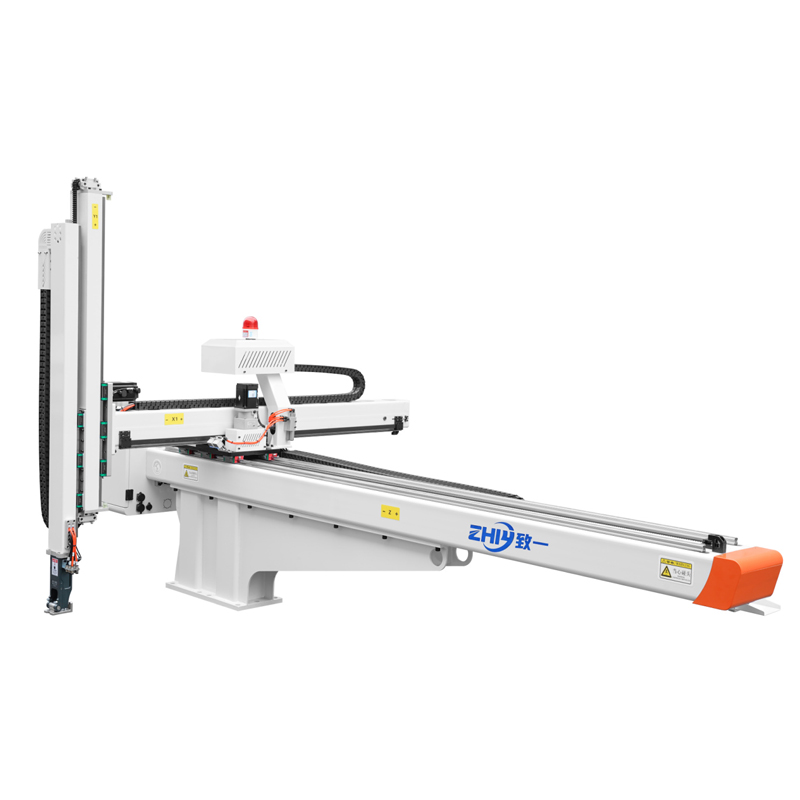
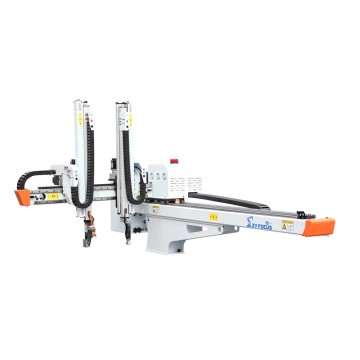
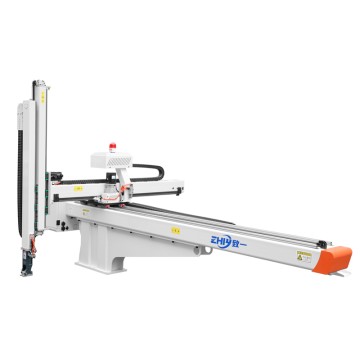
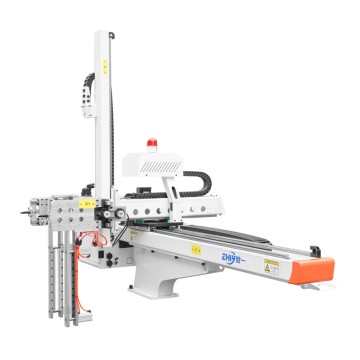
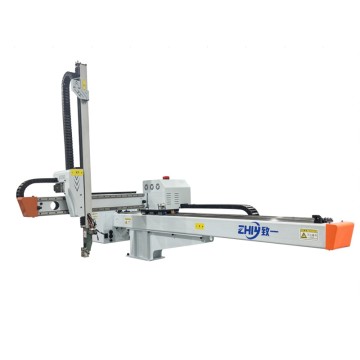
Comparison of Different Drive Methods for Three-Axis Servo Robots
Comparison of Different Drive Methods for Three-Axis Servo Robots
In the global wave of automation upgrades in manufacturing, three-axis servo robots have become core equipment in industries such as electronics assembly, automotive parts processing, and food packaging. Choosing the right drive method directly determines the equipment's production efficiency, maintenance costs, and return on investment cycle—an incorrect selection can lead to insufficient production capacity, frequent repairs, or even premature equipment replacement.
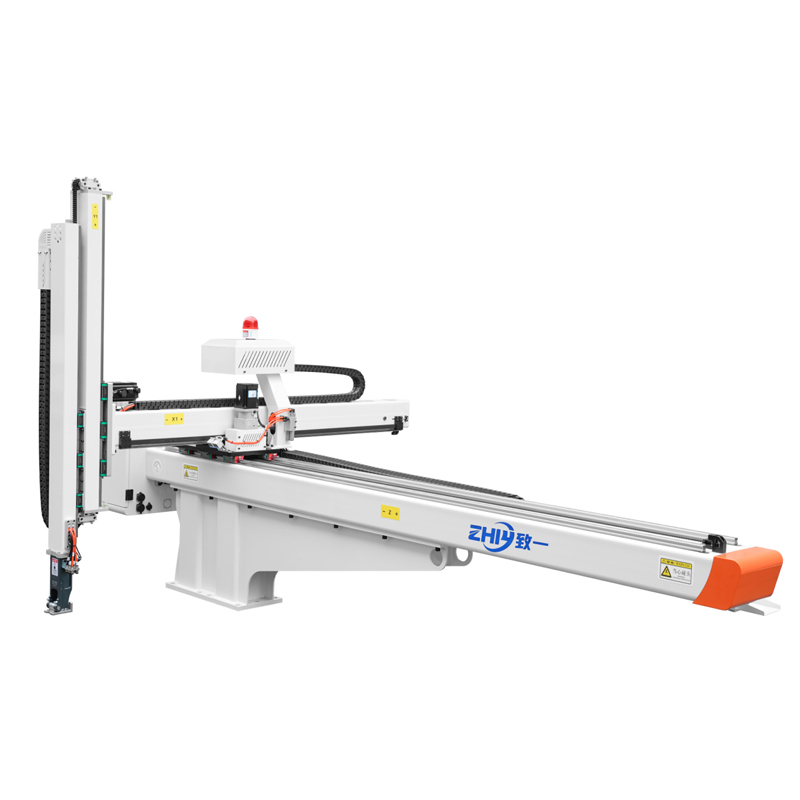
I. Why is the drive method a core selection criterion for three-axis servo robots?
The drive system of a three-axis servo robot is like its "power heart," responsible for converting the kinetic energy of the servo motor into precise linear or rotary motion. Its performance directly affects three core purchasing concerns:
Investment Cost-Effectiveness: The balance between initial purchase cost and subsequent maintenance cost. For example, while some drive methods may have a low initial purchase price, the cost of replacing wear parts each year may double.
Production Adaptability: Whether it can meet specific industry requirements, such as the ±0.01mm accuracy requirement in electronics manufacturing, or the automotive industry's need for loads exceeding 50kg.
Global Adaptability: Exported equipment must meet the standards of the target market, such as energy consumption and noise restrictions in European and American markets, and the tolerance requirements for high temperature and humidity environments in Southeast Asian markets.
Data from the International Federation of Robotics (IFR) in 2024 shows that the equipment idle rate due to improper drive selection reached 12%, with over 60% of these cases attributed to compatibility errors by wholesale buyers. Therefore, a comprehensive comparison of drive method differences is crucial.
II. In-depth Comparison of Mainstream Drive Methods for Three-Axis Servo Robots
Currently, in the global market, electric drive is the absolute mainstream drive method for three-axis servo robots (accounting for over 85%), supplemented by a small number of hydraulic/pneumatic drives for special applications. In electrical drives, the three most representative transmission structures are ball screws, synchronous belts, and rack and pinion gears. Their specific differences are as follows:
(I) Comparison of Core Drive Method Technical Parameters
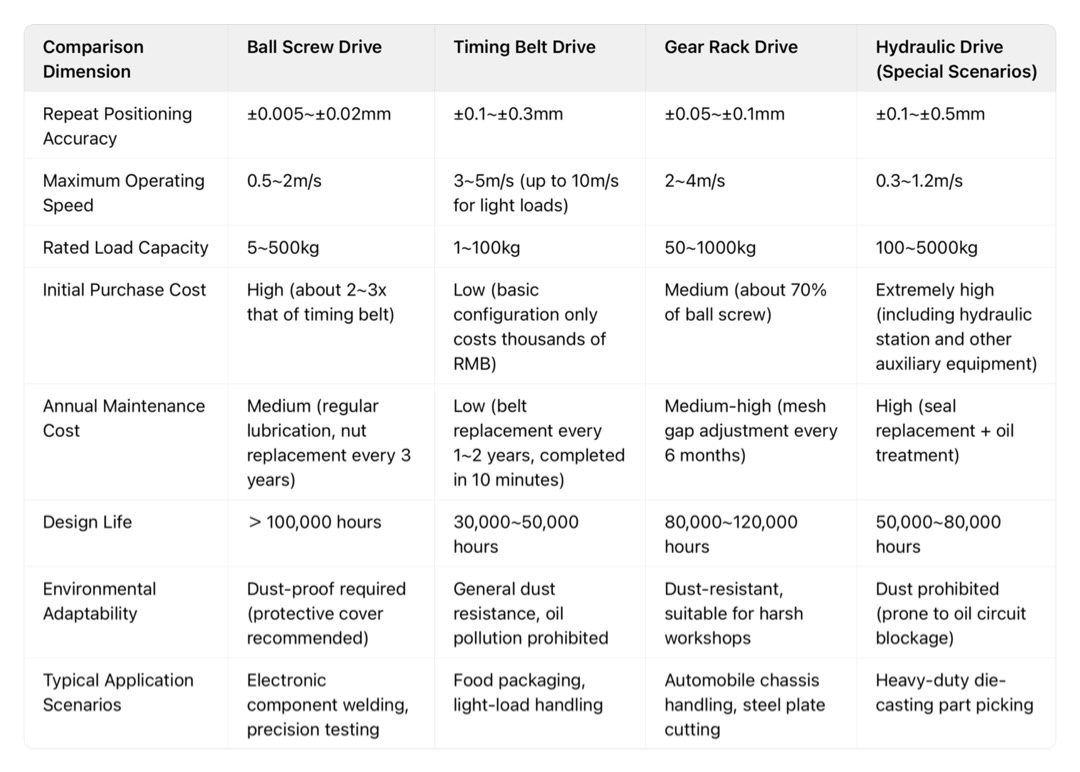
(II) Analysis of the Core Advantages and Disadvantages of Each Drive Method
1. Ball Screw Drive: The "Optimal Solution" for High-Precision Scenarios
Ball screws transmit force through the rolling of steel balls, converting the rotational motion of a servo motor into linear motion. This is the preferred solution for high-precision three-axis servo robots. Its core advantage lies in its extremely small backlash (<0.005mm). Combined with closed-loop control of the servo motor, it can achieve positioning accuracy of ±0.01mm – a rigid requirement in industries such as semiconductor packaging and precision electronic assembly.
However, buyers should be aware of its limitations: Screws longer than 2 meters are prone to sagging due to their own weight, requiring additional support mechanisms and increasing costs; and the maximum speed is limited by the screw's critical speed (usually not exceeding 2m/s), making it unsuitable for purely high-speed scenarios. Furthermore, dusty environments accelerate steel ball wear, necessitating auxiliary equipment such as protective covers.
2. Synchronous Belt Drive: A Cost-Effective Tool for High-Speed, Light-Load Operation
Synchronous belt drives utilize a steel-core polyurethane belt meshing with pulleys for power transmission. They offer three main advantages: high speed, low noise, and controllable cost. Their maximum speed can reach 5 m/s, more than twice that of ball screws, and the initial purchase cost is only 30%~50% of that of a ball screw drive of the same specifications. This makes them ideal for light-load, high-speed applications such as food processing and handling plastic parts.
International buyers should be aware of their precision limitations: Synchronous belts are prone to elastic deformation due to temperature, resulting in a repeatability accuracy of only ±0.1~±0.3 mm, which cannot meet the requirements of precision machining. Furthermore, their load capacity is limited (typically <100 kg), requiring frequent belt replacements in heavy-load applications, thus increasing long-term maintenance costs. However, new steel-core synchronous belts have controlled tensile deformation to within 0.02%, making them a viable alternative to ball screws in some mid-range applications.
3. Rack and Pinion Drive: A Must-Have for Heavy-Duty, Long-Stroke Applications
Rack and pinion drives utilize the rotation of gears to drive the linear motion of a rack, offering the core advantages of high load-bearing capacity and unlimited stroke. Its rated load can reach over 1000kg, and by splicing multiple rack segments, a stroke exceeding 10 meters can be achieved, making it an essential solution for heavy-duty scenarios such as automotive parts handling and loading/unloading large machine tools.
The main challenges of this drive system lie in noise and precision control: insufficient manufacturing precision can generate noise >75dB when the gears and rack mesh, requiring the addition of a soundproof cover; furthermore, backlash must be eliminated through a pre-tightening device, otherwise the precision will drop below ±0.05mm. Fortunately, European and American brands have improved precision to the ±0.01mm level through tooth surface grinding technology, although this increases procurement costs by 20%~30%.
4. Hydraulic/Pneumatic Drives: "Supplementary Solutions" for Special Scenarios
Hydraulic drives, with their lifting capacity of hundreds of kilograms, are still used in extreme heavy-duty scenarios such as heavy die casting. However, the risk of oil leakage and pollution, along with the high cost of hydraulic stations, has led to their gradual replacement by high-load rack and pinion drives. Pneumatic drives, due to their low cost and rapid action, are still used in small plastic machinery, but their ±0.5mm accuracy and limited load capacity are insufficient for the needs of servo-level equipment.
A 2024 report by the International Federation of Robotics (IFR) shows that hydraulic/pneumatic drives now account for less than 5% of three-axis servo robots, with electric drives becoming the absolute mainstream—especially the combination of servo motors and precision transmission mechanisms, which combines precision and flexibility.
III. 3 Steps to Lock in the Optimal Drive Solution
Step 1: Clarify Core Requirement Parameters
Before procurement, three key indicators need to be identified to avoid blind selection:
Accuracy Requirements: Electronic manufacturing requires ±0.02mm (ball screws preferred); packaging industry requires ±0.5mm (synchronous belts are sufficient).
Load and Stroke: For single-axis loads > 50kg, select rack and pinion; for strokes > 3 meters, use priority rack and pinion or synchronous belt (ball screws require additional support).
Operating Speed: For cycle times > 120 cycles/minute, select synchronous belt; for low-speed precision operations, select ball screw.
Step 2: Matching the Target Industry Scenarios
Different industries have significantly different requirements for drive methods. Considering the characteristics of the international market, the following adaptation logic can be used as a reference:
Electronics/Semiconductors (mainly Europe and America): High precision and low noise are required. Ball screw drives are recommended. Pairing with Delta ASD series servo drives can achieve ±0.005mm accuracy, meeting European and American electronics factory standards.
Automotive Parts (Globally Compatible): Heavy load and long stroke requirements are prominent. Rack and pinion drives are the optimal solution. It is recommended to choose ground racks, adapted to Siemens V90 servo systems to improve stability.
Food/Packaging (mainly Southeast Asia): Cost and speed are emphasized. Synchronous belt drives offer the best cost-performance ratio. Using polyurethane materials meets the hygiene requirements of the food industry, and the maintenance cycle is adapted to the maintenance capabilities of Southeast Asian factories.
Step 3: Calculating the Total Life Cycle Cost
International procurement needs to consider both initial investment and long-term operation and maintenance. Based on a 100,000-hour lifespan, the following calculations are made:
Ball Screw Drive: High initial purchase cost (approximately 20,000 RMB), but low maintenance cost (500 RMB per year), total cost approximately 25,000 RMB.
Synchronous Belt Drive: Low initial purchase cost (approximately 8,000 RMB), but requires belt replacement 4 times (200 RMB each time), total cost approximately 9,000 RMB.
Rack and Gear Drive: Medium initial purchase cost (approximately 14,000 RMB), meshing clearance adjustment averages 800 RMB per year, total cost approximately 22,000 RMB.
IV. New Trends in Drive Technology in 2025
Hybrid Drive Systems: Hybrid pneumatic and electric drives are becoming a new hot topic. For example, gripping actions use pneumatic drives (low cost), while positioning actions use synchronous belt drives (high precision), which can reduce costs by 30% while meeting medium precision requirements.
Direct drive without reduction gear: High-torque, low-speed servo motors require no reducer and connect directly to ball screws or rack and pinion gears, reducing mechanical losses by 50% and extending lifespan to over 150,000 hours. This technology is currently used in high-end models by brands such as Stäubli.
Intelligent adaptation algorithm: The seventh-generation servo controller integrates a neural network algorithm that automatically adjusts drive parameters based on load changes. For example, Doosan Robotics' VX series uses this technology to reduce failure rates by 60%, making it ideal for multi-variety production scenarios.
Website:https://www.zhiyirobotics.com/
Email:sales@zhiyirobotics.com
#Three Axis Serv#Three Axis Servo Robot#Robots Arm 250-350t#3 Axis Servo Robot#Three axis Servo Robot Arm