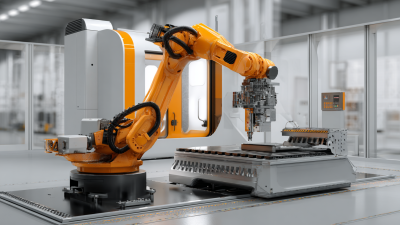
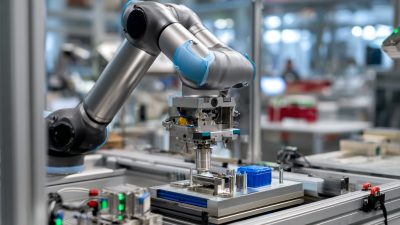
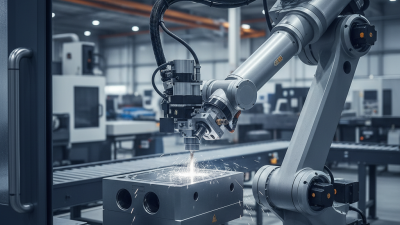
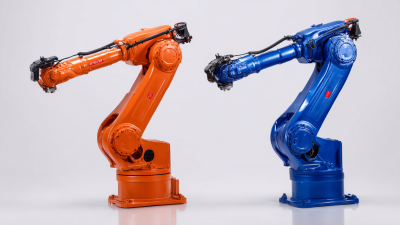
You know, the way manufacturing tech has been progressing is pretty incredible lately — it’s really changing the game when it comes to production efficiency. One standout innovation I’ve come across is the Robot CNC Machine. These machines are a pretty cool combo of CNC (that’s Computer Numerical Control for those who don’t know) and robotic automation. Dr. Sam Patterson, who’s a robotics expert at Tech Innovations Corp, even says, “Robot Cnc Machines are really pushing the boundaries of what’s possible in manufacturing these days.” That’s quite the statement, right?
What’s so great about these machines? Well, besides making things faster, they’re super accurate too. They can handle complex tasks that need a high level of precision — stuff that would take a lot of time and effort if done manually. Plus, they’re great at automating those repetitive tasks, which helps cut down on human error. But, let’s be real, jumping into this tech isn’t all rainbows and sunshine. For smaller companies, the costs and the training needed to get everyone up to speed can be pretty tough hurdles to clear.
And here’s where it gets a bit deeper. As we start relying more on these smart machines, we should probably think about what that means for the workforce. Are we truly ready for a world where machines do so much of the work? And what about the skilled workers who might find their jobs changing or even disappearing? The future of Robot CNC Machines is exciting, no doubt — but it also raises some important questions about finding the right balance and making sure we’re adapting smartly in the manufacturing scene.
Definition and Overview of Robot CNC Machines
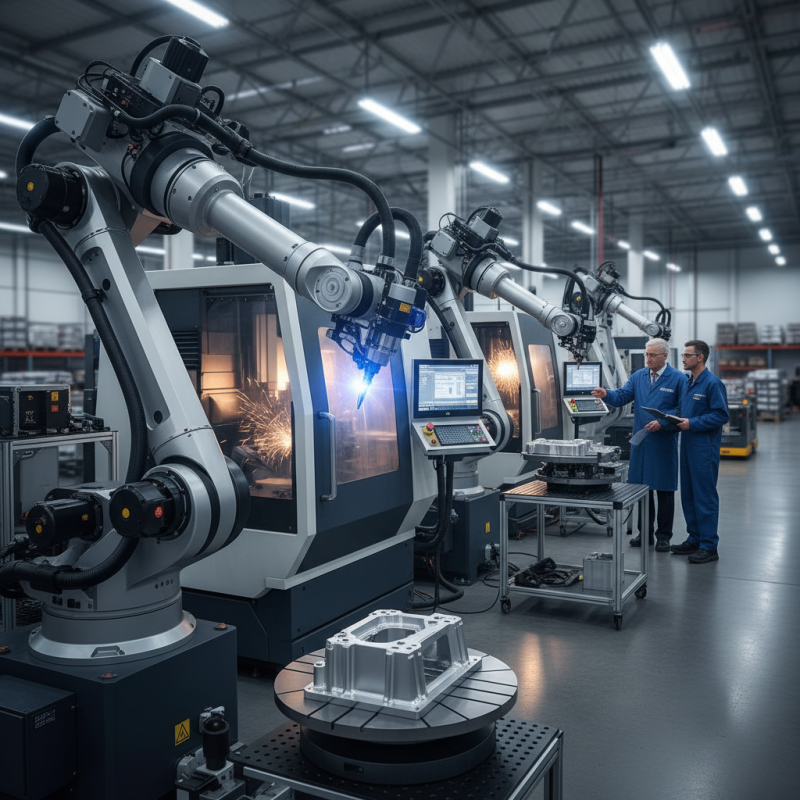
Robot CNC machines represent a significant advance in manufacturing technology. These machines combine the precision of Computer Numerical Control (CNC) with robotic capabilities. According to a report by MarketsandMarkets, the global market for CNC machines is expected to reach over $100 billion by 2026. This growth highlights the increasing need for automation in various industries.
The integration of robotics allows for greater flexibility. A robot CNC machine can easily switch tasks with minimal downtime. These machines can produce intricate designs and complex shapes without extensive reprogramming. However, operators may need additional training to harness their full potential. It’s essential to consider the initial investment and ongoing maintenance costs.
Despite their advantages, these machines are not without challenges. They may face issues with software compatibility or operational glitches. Further, some operators report that programming complexities can lead to delays. As industries adopt these technologies, continual assessment of performance is critical to ensure efficiency.
Types of Robot CNC Machines and Their Applications
Robot Cnc Machines are revolutionizing various industries. They offer precision and efficiency. There are different types that cater to specific tasks. For instance, robotic arm CNC machines are versatile. They handle tasks like cutting, welding, and assembly. These machines excel in automotive and aerospace manufacturing. According to industry reports, the global CNC machine market is projected to grow at a CAGR of 6.3% from 2020 to 2027.
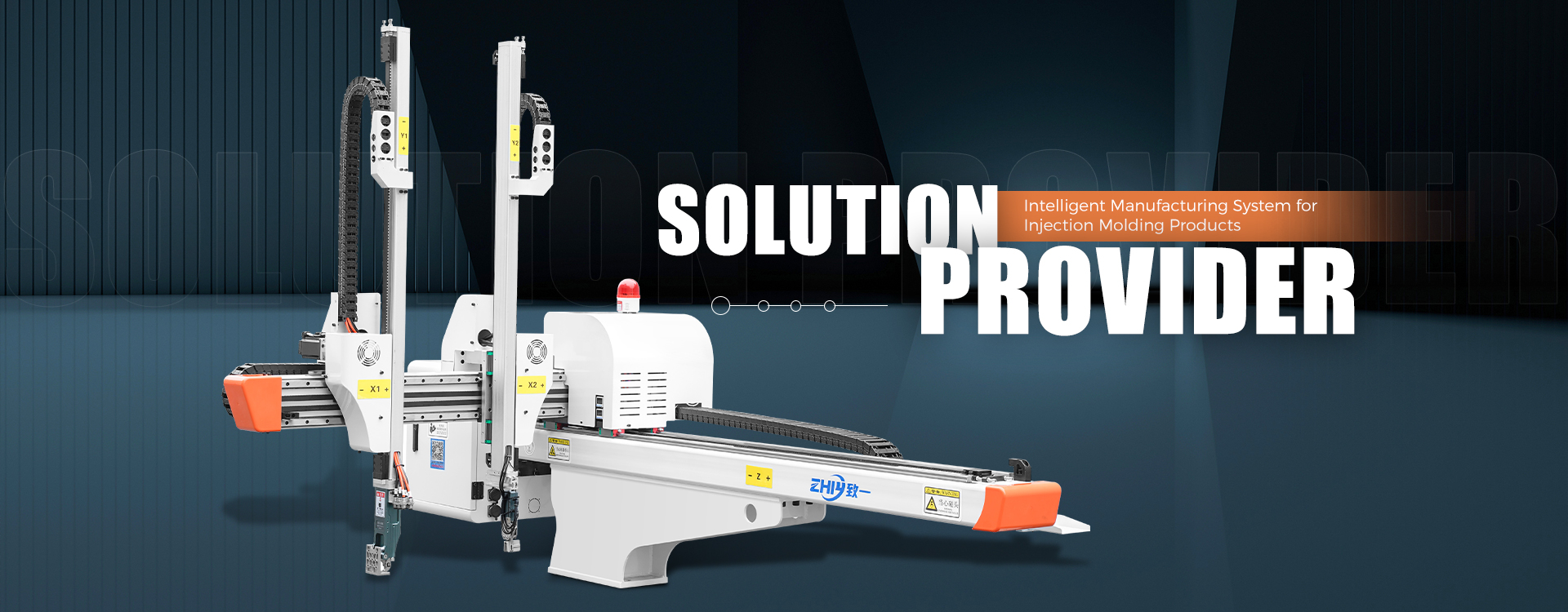
Another type includes Cartesian CNC machines. They are known for their simplicity and robustness. These machines move along three axes, making them ideal for precise machining tasks. Industries such as woodworking and prototyping benefit from these machines. With their straightforward operation, they are great for newcomers. Data indicates that the demand for CNC machines in woodworking is expected to increase by 8% annually.
Tips: Regular maintenance is crucial for optimal performance. Ensure the machine's software is updated frequently. Training staff on proper usage can minimize errors. These steps lead to improved productivity. Understand that every machine has learning curves. Adjustments might be necessary to meet specific project needs.
Types of Robot CNC Machines and Their Applications
This bar chart illustrates the various types of Robot CNC machines and their applications in different industries. The data represents the number of distinct applications for each type, highlighting their relevance and versatility in modern manufacturing processes.
How Robot CNC Machines Operate: The Workflow
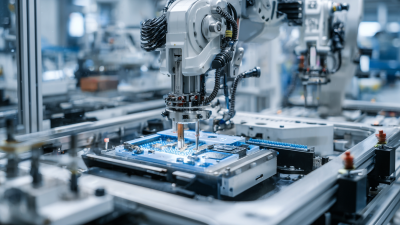
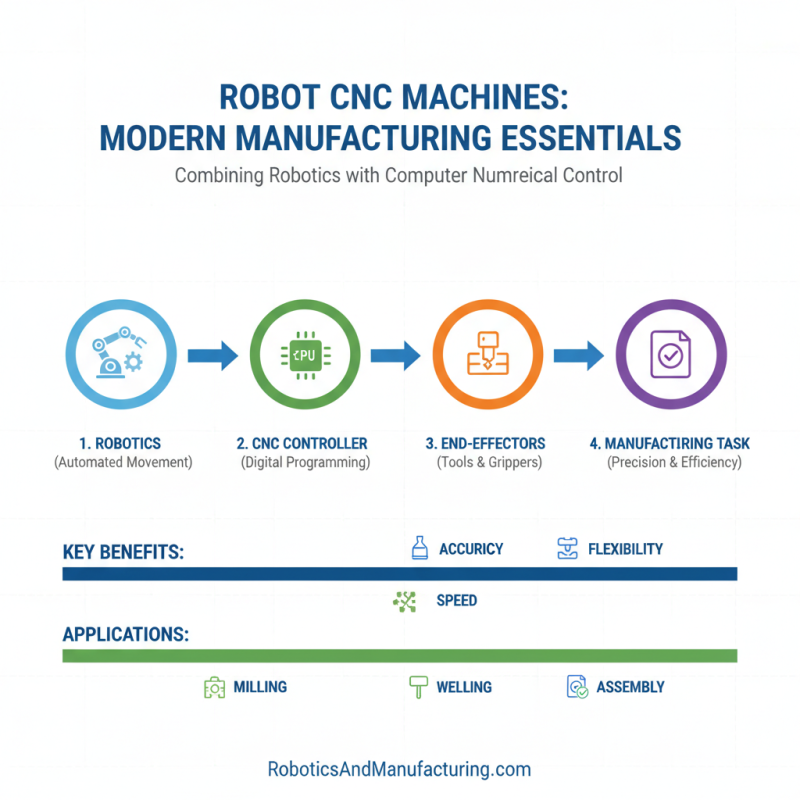
Robot CNC machines combine robotics with computer numerical control for precise manufacturing. Typically, a Cnc Robot operates using a series of programmed commands. These commands direct the machine to cut, shape, or assemble materials based on specific designs.
The workflow begins with design software. An engineer creates a 3D model, which is converted into a CNC program. This process is crucial, as errors at this stage can lead to significant flaws in production. Next, the Cnc Robot executes the program, manipulating tools and materials with high accuracy. Reports highlight that using robots can boost efficiency by up to 30%. However, operators must continually monitor the machines for potential issues, such as tool wear or misalignment.
Tips: Regular calibration of your Cnc Robot is essential. This ensures long-term accuracy and reduces costly rework. Always check tool conditions after extended use; it can save time and materials. Remember, even the best technology needs human oversight. Mistakes happen. Continuous learning from these experiences is key to optimal results.
Programming and Software Used in Robot CNC Systems
Robot CNC systems combine robotics with computer numerical control (CNC) technology. These systems require specialized programming and software to operate efficiently. The software layer allows operators to create precise instructions that guide the Cnc Robot Arm. This programming can often be complex. Operators must understand both coding and machinery.
Different software options exist for robot CNC systems. Some programs feature user-friendly interfaces, while others require extensive technical knowledge. A common challenge is selecting the right software that suits a specific application. Integrating the software with the hardware can also pose difficulties, and errors can lead to costly mistakes.
Moreover, ongoing updates and training are essential for success. Technology evolves quickly. Regularly learning about the latest programming tools and techniques is crucial. Sometimes the software may not perform as expected. This can be frustrating and requires a reflective approach to problem-solving. Adapting to these challenges is part of the journey in mastering robot CNC systems.
Advantages of Using Robot CNC Machines in Manufacturing
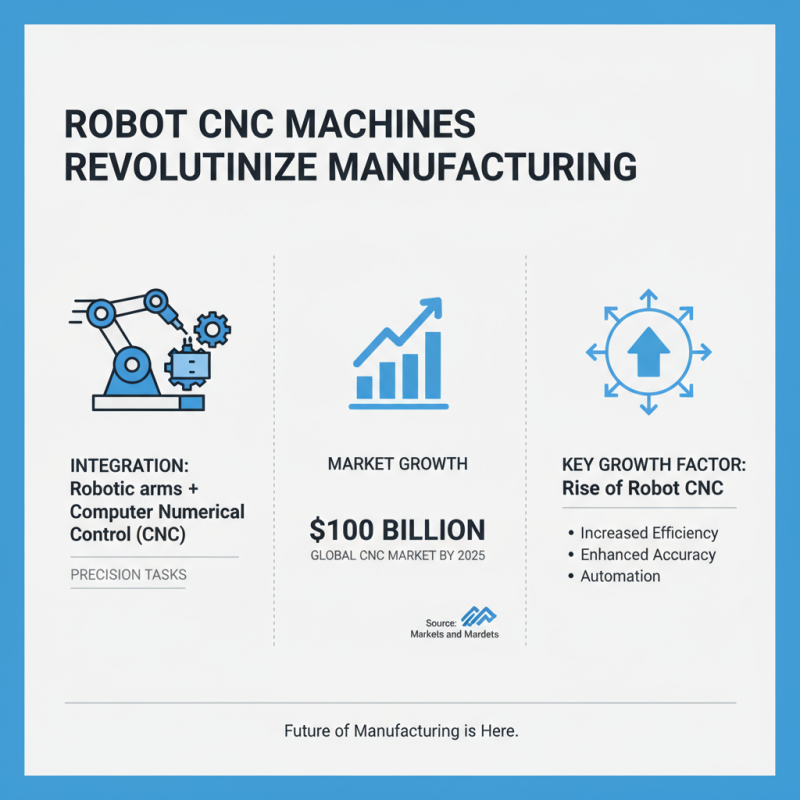
Robot CNC machines are revolutionizing the manufacturing landscape. These machines integrate robotic arms with computer numerical control for precision tasks. According to a report by Markets and Markets, the global CNC market is expected to reach $100 billion by 2025. The rise of robot CNC machines is a significant factor in this growth.
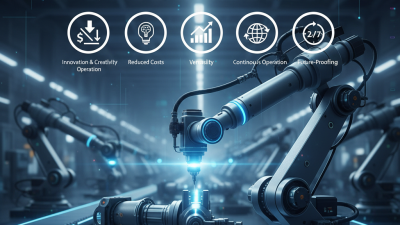
One major advantage is efficiency. Robot CNC machines can operate continuously without breaks. This reduces downtime and increases production rates dramatically. For example, some systems can achieve a productivity increase of up to 30%. However, the initial investment can be steep, leading many manufacturers to hesitate. This upfront cost must be weighed against long-term benefits.
Flexibility is another key advantage. These machines can adapt to varying tasks quickly. A HolonIQ report states that 85% of manufacturers are looking to automate operations for improved adaptability. Yet, this shift can be daunting. Employees may require retraining for these advanced systems. Change management becomes essential in this context. Balancing innovation with workforce concerns is a complex challenge in the manufacturing sector.
Future Trends in Robot CNC Technology and Automation
The landscape of manufacturing is changing rapidly. Robot CNC machines are leading this change, especially in automation. We see the rise of the 5 Axis Cnc Robot Arm. This technology enables greater precision in cutting and shaping materials. However, challenges remain in fully integrating these systems into existing workflows. Not every factory is ready for such advanced tools.
Future trends point towards more intuitive interfaces. Operators will benefit from user-friendly designs. Yet, there’s a potential for over-reliance on automation. As machines take on more tasks, skilled workers may find it harder to adapt. The need for ongoing education and training will be crucial.
Moreover, sustainability is becoming a key focus. Technological advancements should consider environmental impacts. The efficient use of materials and energy-saving features will likely emerge. While the future is bright, we must approach it cautiously. Balancing innovation with responsibility is essential.
Conclusion
A Robot CNC Machine is an advanced tool that combines robotic technology with computer numerical control to enhance precision and automation in manufacturing processes. These machines are made up of key components such as robotic arms, controllers, and cutting tools, all designed to work in harmony. There are various types of Robot CNC Machines, each tailored for specific applications, from milling and drilling to 3D printing.
The operation of a Robot CNC Machine involves a streamlined workflow that begins with programming the machine via specialized software. This process allows for high levels of customization and efficiency, leading to significant advantages in manufacturing, including reduced labor costs and improved accuracy. As technology evolves, the future of Robot CNC Machines points towards even greater automation and integration, further revolutionizing the manufacturing landscape.