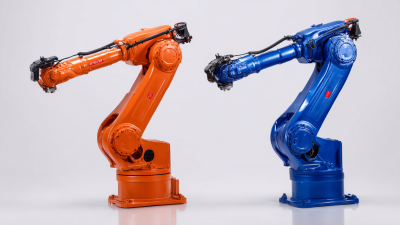
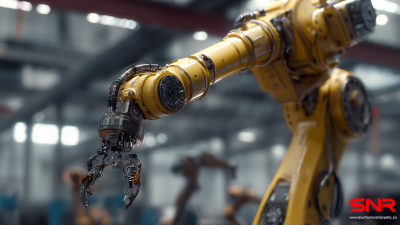
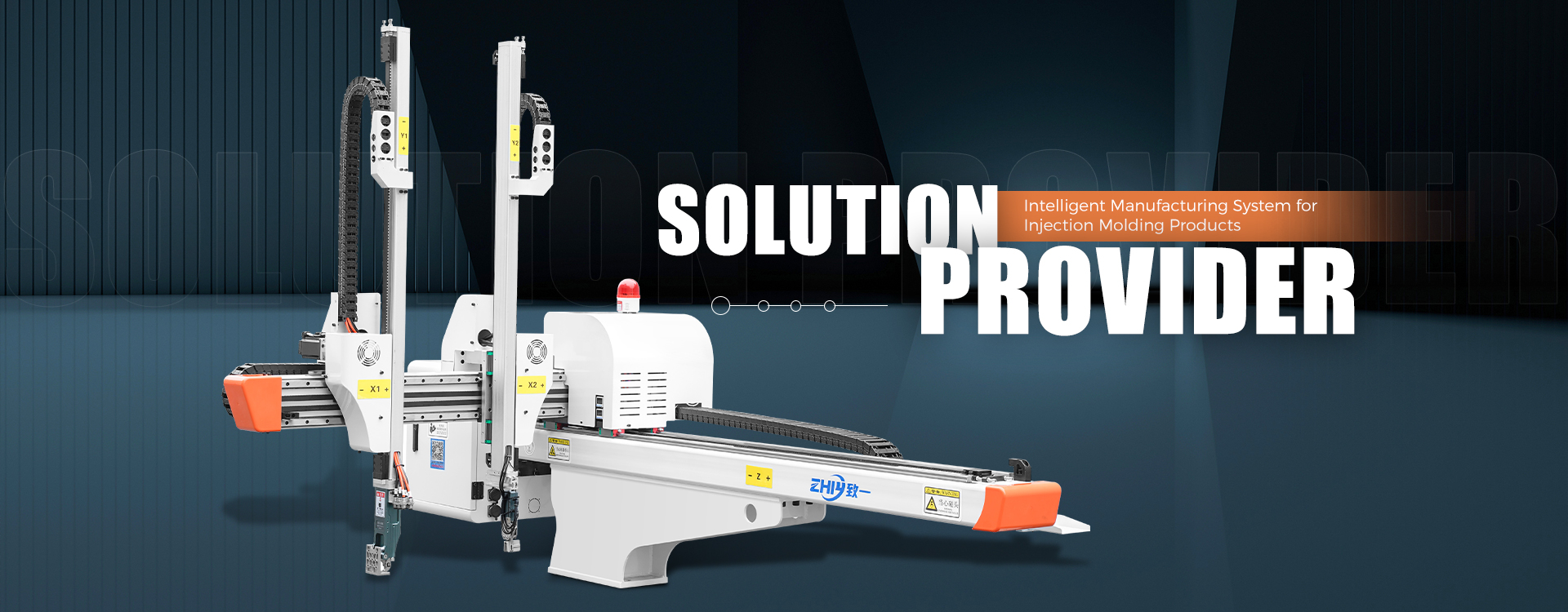
In the fast-changing world of manufacturing these days, using automation tools like Robot Cnc Machinesis really shaking things up. I read somewhere that, according to a recent report from the International Federation of Robotics, the industrial Robot Market could hit over$70 billion by 2026. That huge jump is mainly because companies are really craving better efficiency and precision in their production lines. One company that's clearly leading this charge is Zhejiang Zhiyi Intelligent Robot Co., Ltd., which started back in 2017. They’re heavily focused on providing top-notch automation equipment and solutions that help factories move towards smarter, more automated operations. By tapping into the power of Robot CNC Machines, manufacturers can bump up their productivity, cut down on costs, and basically stay ahead in a global game that’s all about innovation and tech upgrades. It’s pretty exciting to see how technology is transforming the industry so quickly, isn’t it?
Exploring the Impact of CNC Robots on Modern Manufacturing Efficiency
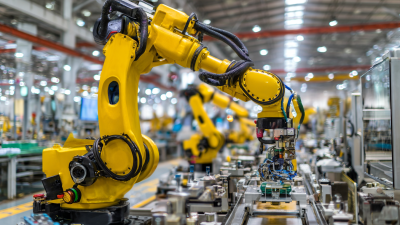
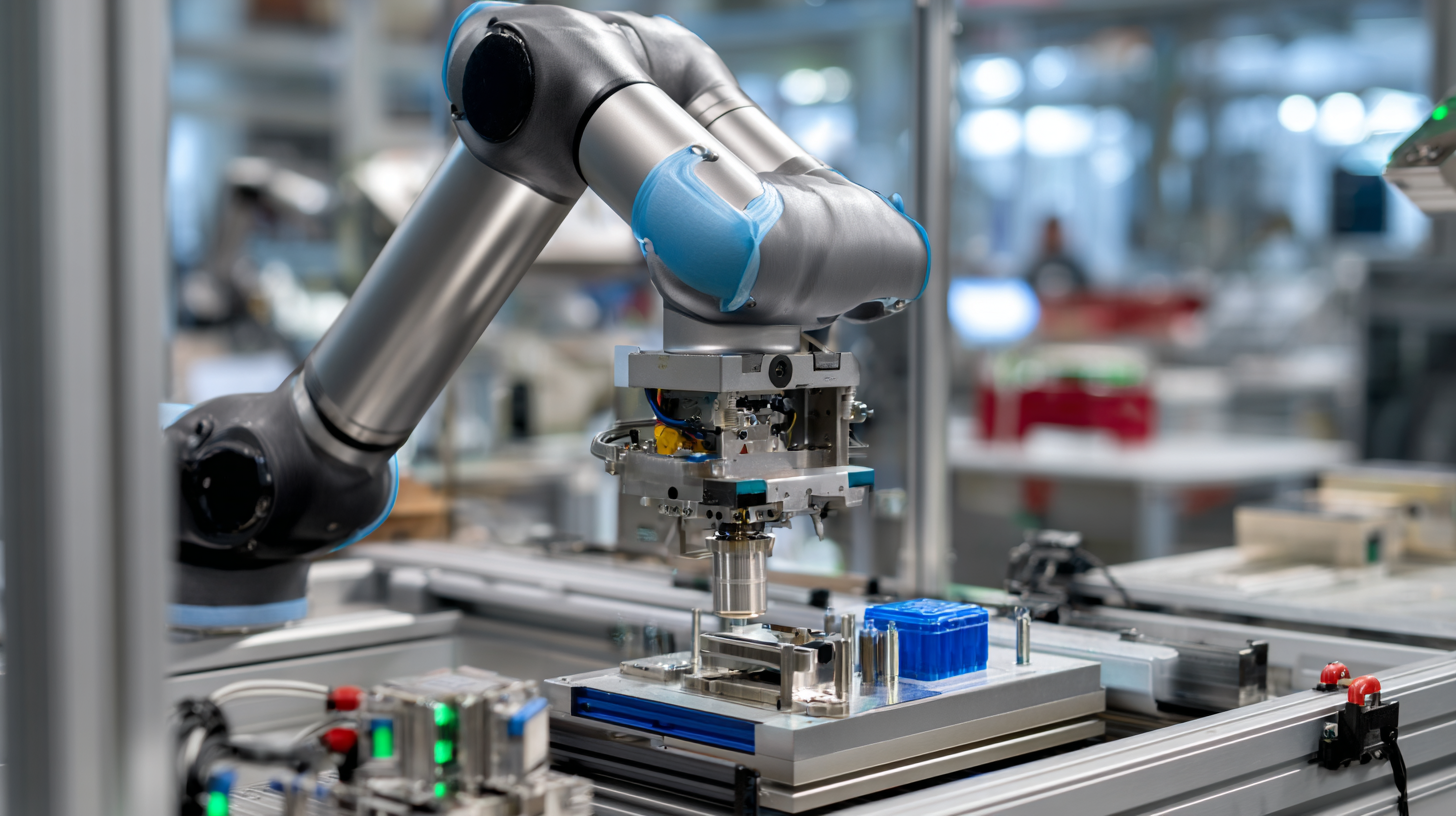
You know, integrating CNC robots into today's manufacturing processes has really pushed the boundaries when it comes to efficiency and precision. Honestly, by automating things like milling, drilling, and laser cutting, producers can get a lot more done—without so many errors creeping in from humans. And what's pretty cool is how digital twins are changing the game. They don't just help with keeping an eye on things in real-time; they also make it easier to predict when a machine might need maintenance before it actually breaks down. That way, everything runs smoother, and machines stay at their best. Honestly, you can really see the difference in industries like metal additive manufacturing, where CNC robots now handle super complex designs that were a real stretch before.
If you're looking to get the most out of CNC robots, one solid tip is to invest in proper training for your team. When operators really understand the software and hardware, things just flow better. And keeping the machines and their software up-to-date is another game-changer—helps your production stay flexible and ready for new designs or shifts in volume.
Don't forget about maintenance, too. Setting up a good preventive schedule can save you a lot of headaches down the line. Catching small issues early before they turn into big problems can mean less downtime and longer-lasting equipment. Overall, if you embrace these strategies, you’re really unlocking the full potential of CNC robots and setting yourself up for a future where manufacturing is faster, smarter, and more efficient than ever.
Key Success Stories: Transformations Achieved with CNC Robotics
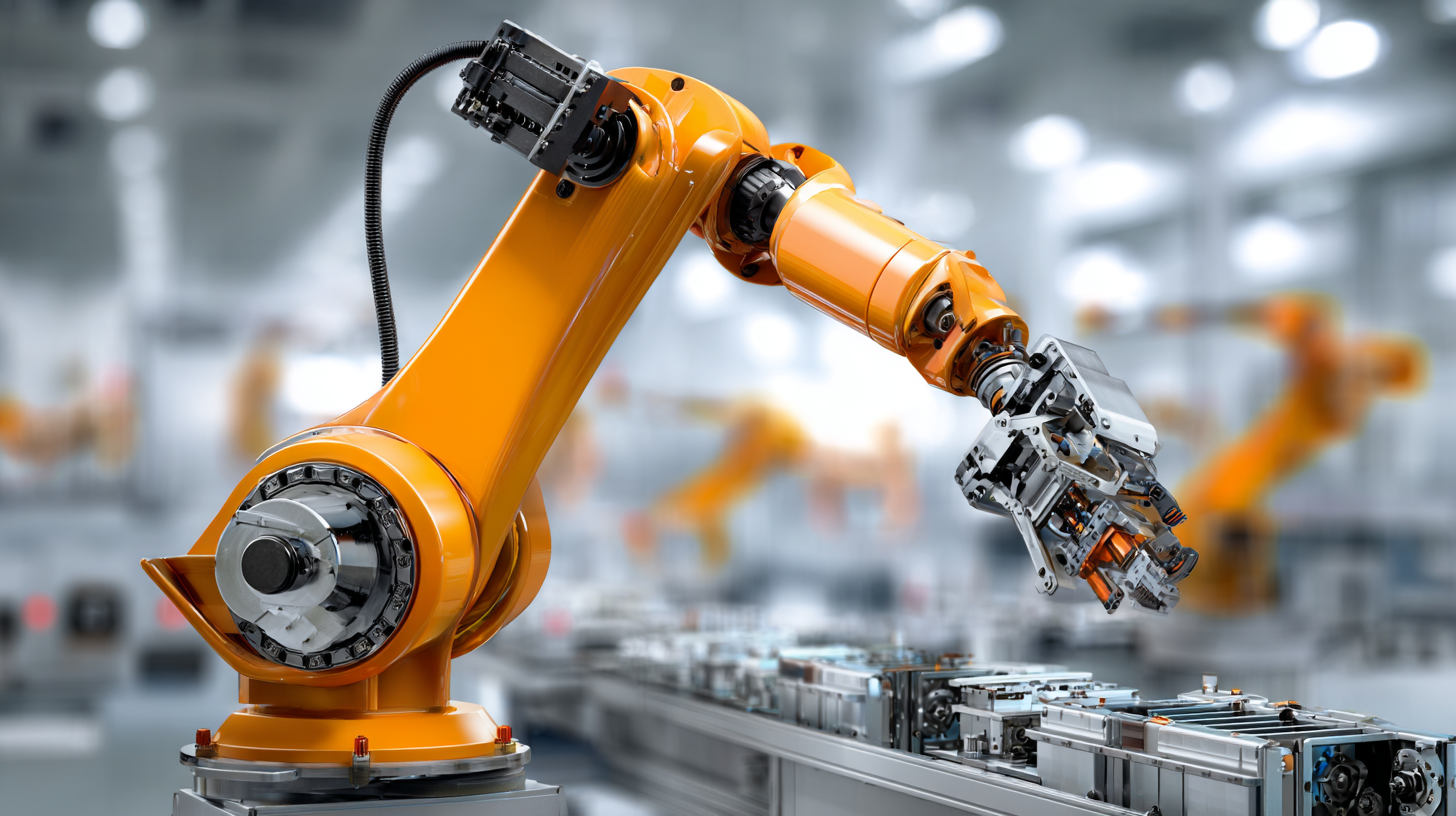
In today’s fast-changing world of manufacturing, introducing CNC robotics has really been a game-changer for tons of industries. I want to share a pretty cool success story from a big-name car manufacturer that was struggling with their production speed and accuracy. Once they brought in a cutting-edge CNC robot system, everything changed — they managed to automate some pretty complex machining tasks, cutting down their overall production time by almost 40%. It’s pretty impressive how this upgrade not only sped things up but also boosted their product quality. It just really shows what robotic tech can do, especially in tough manufacturing environments.
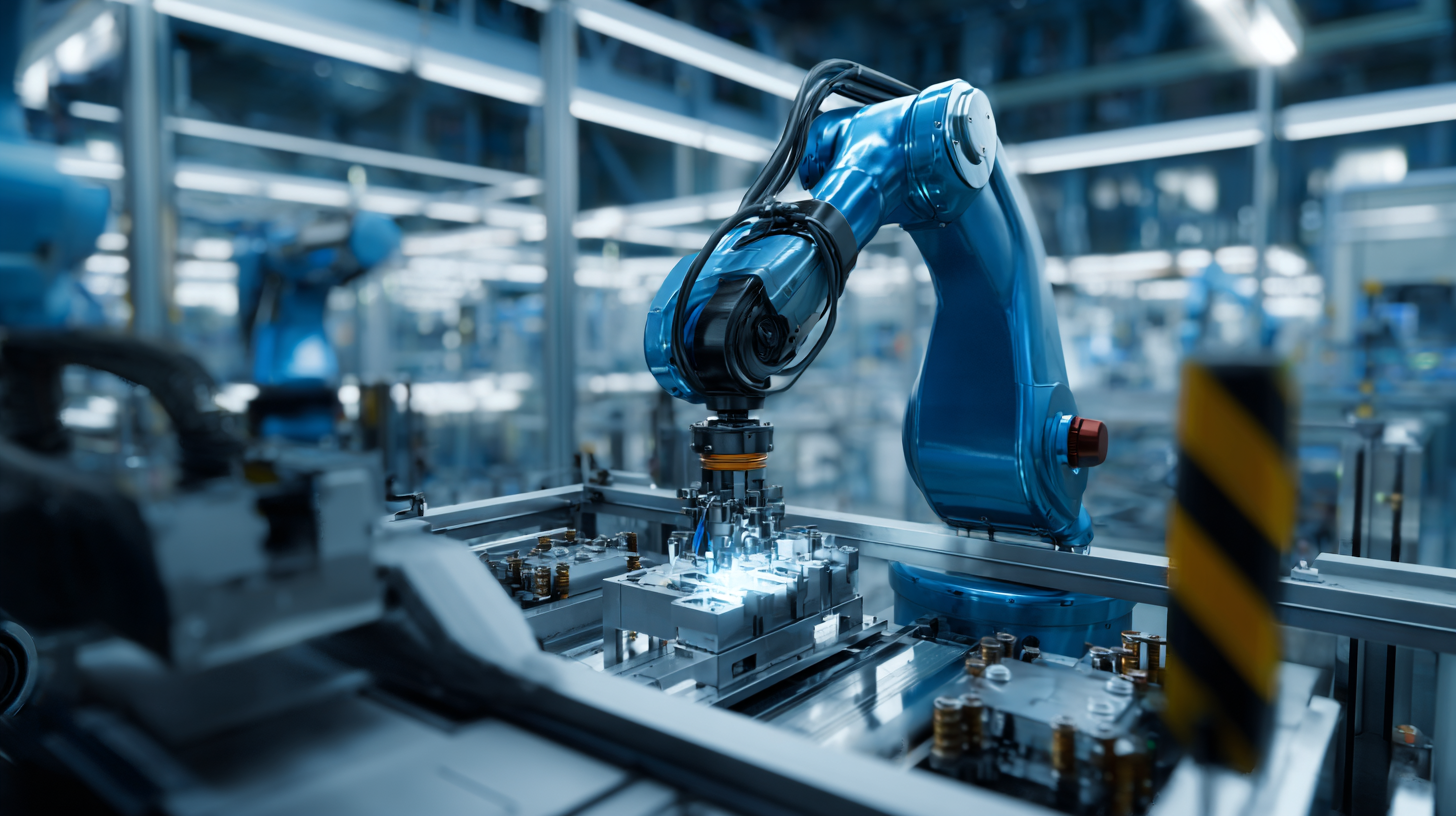
And there’s another inspiring example from the aerospace world. There was this company that makes super precise parts, and they were having a tough time because of a shortage of skilled workers. So, they decided to jump into CNC robotics. They set up a robotic CNC machining station, and suddenly, their workflow got way smoother. Not only did this help tackle the labor shortage, but they also managed to crank up their output by 50%, all while sticking to strict safety and quality standards. These stories really highlight how CNC robotics are opening up new possibilities in manufacturing, pushing innovation forward, and helping companies stay competitive across different industries.
Best Practices for Implementing CNC Machinery in Your Production Line
Getting your CNC machinery up and running smoothly in your production line is pretty much essential if you want to make the most of what manufacturing tech can do. At Zhejiang Zhiyi Intelligent Robot Co., Ltd., we really believe that sticking to the right practices can make a big difference—boosting productivity and making your operations way more streamlined. One of the first things you wanna do is take a solid look at your current processes before bringing in those CNC machines. This way, you can spot any bottlenecks or spots where automation can really make a difference, saving you time and headaches down the road.
And don't forget about your team! Training is super important. Your workers need to understand how to operate and care for CNC equipment so they can work efficiently without constant supervision. Providing thorough training sessions and offering ongoing support makes a huge difference—giving your employees confidence and helping your production run more smoothly over the long haul.
Oh, and here’s a little secret: keep evaluating and tweaking your approach as you go. Regular check-ins and feedback loops will help you stay ahead of tech changes and shifting demands, making sure your production line stays competitive and efficient. By following these simple but key practices, manufacturers can really unlock the full power of CNC technology and turn their operations into smarter, more productive setups.
Unlocking Manufacturing Potential with Best Robot CNC Machine Success Stories in Industry - Best Practices for Implementing CNC Machinery in Your Production Line
| Industry Sector | CNC Technology Used | Key Benefits Achieved | Best Practices |
| Automotive | 5-Axis CNC Machines | Increased precision, faster production cycles | Regular training for operators, investment in high-quality tooling |
| Aerospace | CNC Milling Machines | Enhanced material compatibility, reduced waste | Implementing rigorous quality control processes, utilizing advanced software |
| Medical Devices | Laser-Cutting CNC Machines | Precision manufacturing, improved product quality | Automation of producing components, employing CAD software |
| Electronics | CNC Routers | Increased throughput, better design capabilities | Utilizing rapid prototyping techniques, regular maintenance of machinery |
| Home Furnishings | CNC Woodworking Machines | Custom designs at scale, minimal lead times | Engagement with designers early in the process, investment in ergonomic designs |
Overcoming Challenges: Lessons Learned from CNC Robot Implementations
You know, adding CNC robots into manufacturing lines has really changed the game. But, of course, it hasn’t all been smooth sailing. A recent report from the International Federation of Robotics suggests that the global market for industrial robots could hit about $66 billion by 2025—mainly because everyone’s so eager to automate their production. That said, lots of companies run into real challenges when trying to roll out these systems. Things like retraining workers or reworking existing processes can be pretty daunting. For example, there’s this case study by McKinsey where manufacturers saw about a 20% jump in productivity after tweaking their procedures to fit robots—but only after they invested in proper training for their staff first.
What’s clear from these stories is that successful integration isn’t just about the tech. It’s also about people. A Deloitte survey even found that around 60% of manufacturers say employee pushback is a huge hurdle to automation. So, creating a workplace culture that encourages collaboration between humans and robots is really key to easing these kinds of tensions. Plus, staying flexible and always looking for ways to improve machine capabilities helps companies not just work more efficiently but also sparks new ideas for product development. As more industries jump into automation, learning from these experiences will be super important if we really want to unlock the full potential of manufacturing tech.
Future Trends in CNC Robotics and Their Implications for Manufacturers
Looking ahead, the future of CNC robotics is pretty exciting. We're on the verge of some real game-changing advances, especially when it comes to improving precision, efficiency, and versatility in manufacturing. As more industries jump on the automation bandwagon, we're starting to see robots that can handle complex tasks with incredible accuracy. What's even cooler is how these machines are becoming more adaptable to different production needs. With artificial intelligence getting bigger in the mix, CNC robots will be able to learn from their environment and tweak their processes on the fly. This means less waste, less downtime—that's a big win, right?
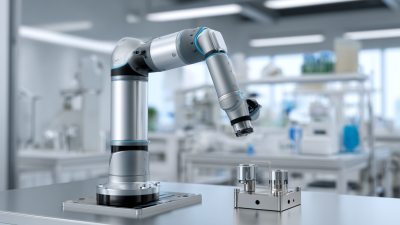
And then there's this whole trend of collaborative robots, or cobots, which is really shaking things up. These guys are designed to work side-by-side with human operators, making workflows smoother and boosting safety at the same time. It’s like a perfect teamwork between human intuition and robotic efficiency. Manufacturers who jump on this train will unlock some serious levels of productivity and innovation. All in all, these tech developments are paving the way for a manufacturing world that's more agile, responsive, and ready to take on whatever challenges come next.