Leave Your Message
0%

As manufacturing keeps evolving, it's pretty clear that precision and efficiency are more important than ever. Industry expert John Smith from TechMachinery puts it simply: the Robot Cnc Machine is really changing the game when it comes to production. This just goes to show how big of an impact these machines are making.

Robot Cnc Machines are amazing for delivering precise automation, and they do a great job at cutting down human errors. Plus, they help keep product quality consistent. That said, the upfront cost can be pretty intimidating for some manufacturers, and maintaining or programming these machines isn’t always straightforward — you need skilled folks to handle that. But honestly, those challenges shouldn’t overshadow the many benefits.

Getting A Robot CNC Machine onboard can really help streamline your operations and give a serious boost to productivity. The competitive advantage they offer often makes the initial hurdles worth it. Lots of companies are starting to rethink their traditional processes and are seeing the long-term perks that come with automation.
Why Choose a Robot CNC Machine for Your Manufacturing Needs?

What is a Robot CNC Machine and How Does It Work?

Why Choose a Robot CNC Machine for Your Manufacturing Needs?

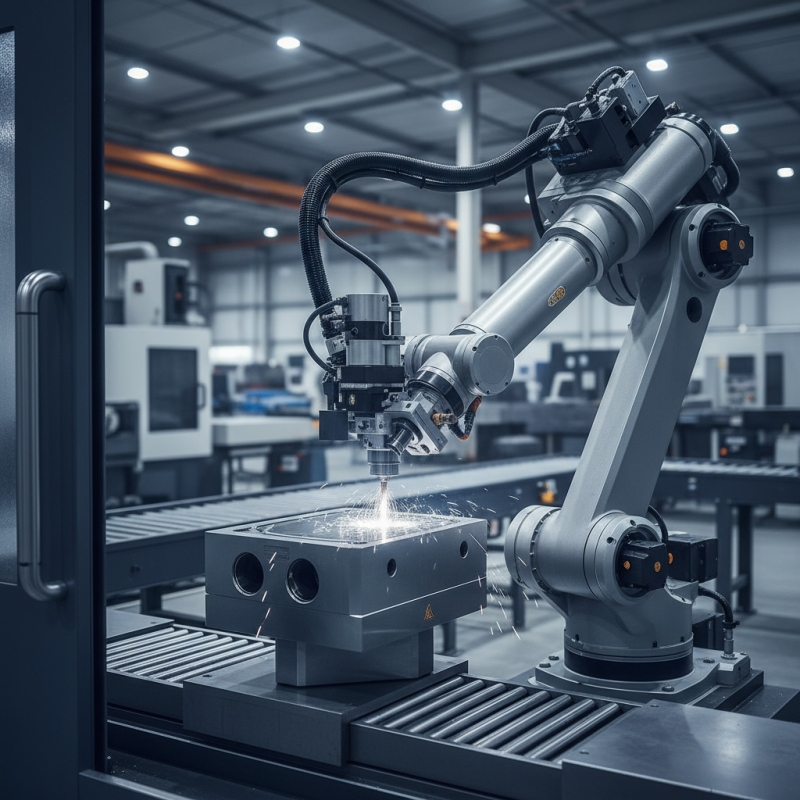
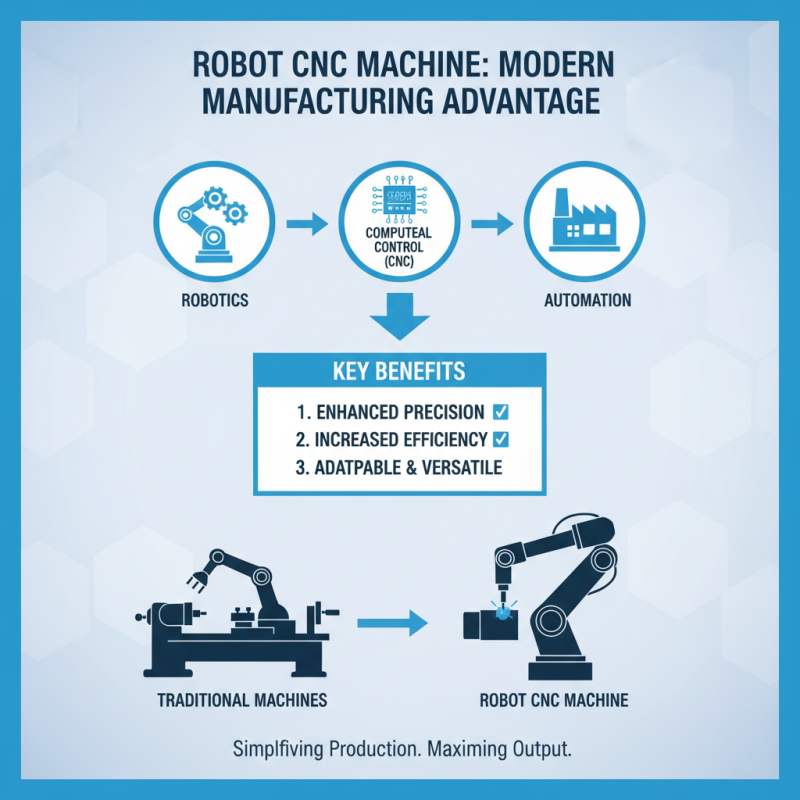
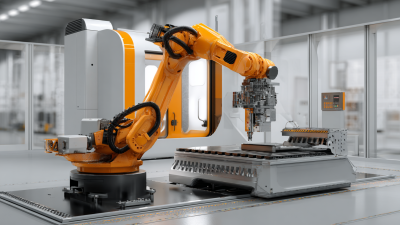
A robot Cnc Machine is an advanced tool used in modern manufacturing. It combines robotics and computer numerical control (CNC) technology to automate tasks. This combination enhances precision and efficiency in various production processes. Unlike traditional machines, a robot CNC machine can adapt to different tasks quickly, making it versatile.

The operation of a robot CNC machine involves programming that directs the robot's movements. This programming utilizes CAD (Computer-Aided Design) files, which guide the machine to cut and shape materials accurately. The machine interprets these files and executes the instructions with remarkable accuracy. However, programming errors can lead to production mistakes. It's essential to double-check the code and test the machine beforehand.

**Tips for Effective Use**: Always ensure proper calibration of the CNC machine. This prevents defects during production. Training operators on both the robot and CNC aspects is vital. Skilled operators can minimize errors and increase efficiency. It's helpful to review past projects regularly. Reflecting on outcomes can lead to continuous improvement in processes.

Benefits of Using Robot CNC Machines in Manufacturing

The manufacturing landscape is evolving rapidly. Robot CNC machines are at the forefront of this change. Their precision and efficiency make them invaluable. According to a recent report, companies using robotic machining saw productivity increases of up to 30%. This can translate to significant cost savings and improved product quality.

Adopting these machines can also reduce labor issues. In industries facing labor shortages, robots step in effectively. They work longer hours without breaks and minimize the risk of human error. A study indicated that businesses that implemented robot CNC machines reduced defects by approximately 20%. Early adopters have noted a return on investment within months. However, the initial setup costs can be daunting for some firms.

Yet, concerns do arise. The need for skilled operators to manage these machines remains critical. Training employees can take time and resources. Additionally, integrating robot CNC machines into existing workflows may disrupt production temporarily. Evaluating these trade-offs is essential for any manufacturer considering this transition. The potential for higher efficiency and lower operational costs must be balanced with these challenges.

Comparison of Robot CNC Machines and Traditional CNC Machines

In the evolving landscape of manufacturing, the distinction between robot CNC machines and traditional CNC machines is critical. Robot CNC machines often deliver higher precision and flexibility. A report by MarketsandMarkets indicates that the CNC machine market is expected to reach $106 billion by 2026, driven in part by advancements in robotics. These machines can automate complex processes, reducing human error and increasing efficiency.

However, there are challenges. Robot CNC machines usually come with a higher initial investment. This can be a barrier for small manufacturers. Additionally, maintenance and programming require skilled personnel, which can strain resources. A study shows that nearly 70% of manufacturers feel unprepared to adopt robotic automation fully. This reflects a significant gap in training and understanding.

On the other hand, traditional CNC machines are often simpler to operate. They might be better suited for straightforward tasks. These machines do not require the same level of investment in training. However, their limitations become apparent in more complex production scenarios. As industries push for greater efficiency, the trend towards Cnc Robot technology may redefine traditional workflows, challenging manufacturers to adapt or risk falling behind.

Key Industries Benefiting from Robot CNC Technology

In manufacturing, CNC technology revolutionizes processes. Key industries benefit immensely from robot-based systems. Automotive, aerospace, and electronics lead this transformation. In automotive production, a report shows that 72% of companies adopt Cnc Robot Arms for precision machining. These arms enhance productivity and reduce human error.

Aerospace manufacturers also see gains. With tight tolerances required, the accuracy of a Cnc Robot Arm is crucial. For instance, the industry reports a 30% increase in efficiency when using robotic arms over traditional methods. Yet, automation creates challenges. Workforce displacement remains a concern, impacting job security.

Electronics assembly lines embrace robotics due to the high volume and complexity of products. The speed of a Cnc Robot Arm meets demand effectively. However, integrating these technologies isn't effortless. Companies face skill gaps in managing robotic systems. The return on investment can take time to realize as organizations learn to adapt.

Factors to Consider When Choosing a Robot CNC Machine

Why Choose a Robot CNC Machine for Your Manufacturing Needs?

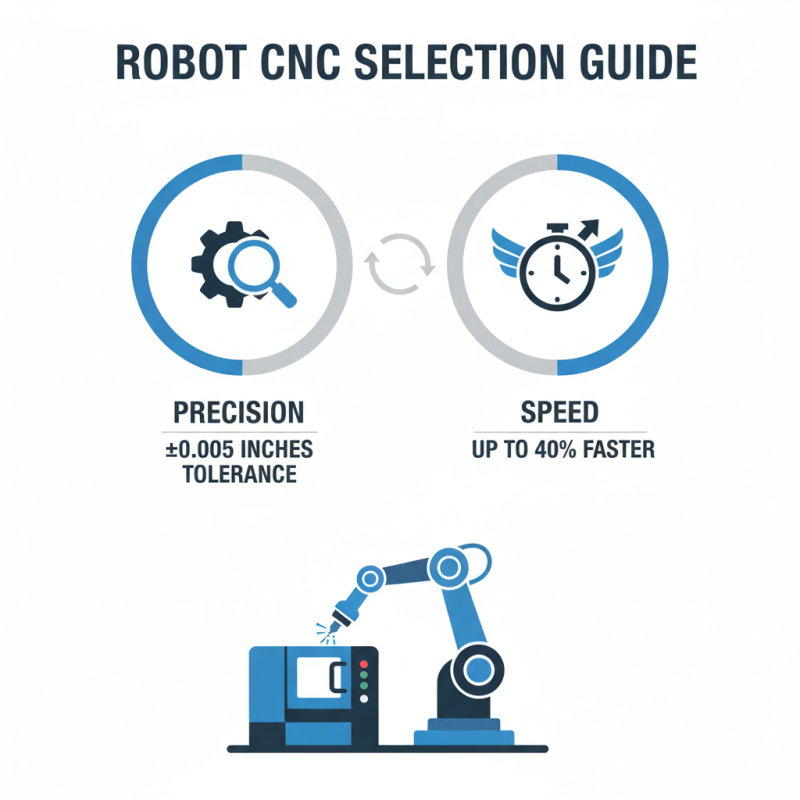
When selecting a robot CNC machine, several factors come into play. Precision is often at the top of the list. According to industry reports, robotic CNC systems can achieve tolerances of ±0.005 inches. This level of accuracy is crucial for high-quality manufacturing. Moreover, speed is another critical consideration. Robots can operate continuously, increasing production rates by up to 40% compared to traditional CNC machines.

Cost-efficiency should be assessed as well. Initial investments may be higher, but long-term savings on labor and material waste make robotic systems appealing. Current estimates indicate that companies can reduce production costs by around 25% with more precise control and less waste. However, not all manufacturing processes are suitable for automation. Careful evaluation is necessary to avoid wasted resources.

**Tips:** Before investing, analyze your specific production needs. Consult with industry experts to identify the best fit. Stay updated on technology trends to ensure you choose a model with a long lifespan. Lastly, consider the training requirements for your staff. Transitioning from manual to robotic systems may present challenges that require time and resources to overcome.

Cost Analysis: Investment vs. Long-Term Savings with Robot CNC

Choosing a robot CNC machine can significantly impact manufacturing costs. Initially, the investment might seem high. However, analyzing the long-term savings reveals a different story. A robot CNC, like the 5 Axis Cnc Robot Arm, enhances precision. This precision minimizes material waste and reduces labor costs. Over time, the savings often outweigh the initial expense.

Tips: Calculate your production cycle time. A faster cycle means more output. Evaluate how often you need reworks or corrections. Reducing these can save substantial money.

Moreover, consider the maintenance costs. Robot CNC machines may require less frequent repairs. This reliability improves efficiency. However, it’s important to invest in proper training for operators. Misunderstanding the technology can lead to costly mistakes. The goal should be maximizing the benefits of your robot CNC investment.

Future Trends in Robot CNC Machines and Automation in Manufacturing

The future of manufacturing is closely tied to advancements in robot CNC machines. Automation is transforming how businesses operate. These machines can perform complex tasks with remarkable precision. This allows for higher efficiency and lower costs. As technology progresses, we can expect more integration of artificial intelligence in CNC machines. This will lead to smarter operations and decision-making processes.

Tips: Regular maintenance is crucial for optimal performance. Neglecting this can result in expensive downtime. Additionally, involving your team in training can help maximize the benefits of robotic automation. It fosters a culture of continuous improvement.

However, embracing automation comes with challenges. Workforce adaptation is important. Not everyone is comfortable with new technologies. Effective training programs can alleviate this issue. Balancing human skills with robot capabilities is vital. The goal should be collaboration, not replacement. Manufacturers must reflect on their unique needs and how to incorporate robots effectively.

FAQS

: What is the main benefit of using the product?

: The product offers improved efficiency in daily tasks, saving time and effort.

How can I best utilize the product?

For optimal results, follow the user guidelines closely and adapt them to your routine.

Is there any training required?

Basic training is suggested to understand the features. Experience can lead to better usage.

Can I use it outdoors?

Yes, it is designed for both indoor and outdoor use. Ensure it is secured in windy conditions.

What if it doesn’t perform as expected?

If performance is lacking, reevaluate your technique and consider making adjustments.

Is customer support available if I face issues?

Yes, support is available. It may take time to receive a full response.

What should I do if I encounter a problem?

Begin with troubleshooting steps in the manual. Sometimes, minor issues can be overlooked.

Are there any limitations to its use?

There are some usage limits. Be mindful of the environment and specific conditions.

How often should I perform maintenance?

Regular maintenance is crucial. Consider checking every month for optimal performance.

Can I return the product if unsatisfied?

A return policy exists, but conditions apply. Review the policy to ensure eligibility.

Conclusion

A Robot CNC Machine is an advanced integration of robotics and computer numerical control technology, designed to enhance precision and efficiency in manufacturing processes. By automating tasks that were traditionally performed by manual labor or standard CNC machines, these machines offer numerous benefits including increased productivity, reduced labor costs, and improved manufacturing accuracy. Industries such as automotive, aerospace, and electronics are particularly benefiting from the adoption of Robot CNC technology, which allows for complex designs and rapid production cycles.

When considering a Robot CNC Machine, factors such as cost, required specifications, and the intended application are crucial. Although the initial investment may be significant, the long-term savings in labor and production efficiency often justify the expense. As technology continues to evolve, the future of Robot CNC Machines looks promising, with advancements driving further automation and innovative manufacturing solutions. Embracing this technology can transform production lines, making businesses more competitive in a rapidly changing market.
Sophia

Sophia

Sophia is a dedicated marketing professional at a pioneering automation equipment company established in 2017. With a deep understanding of the company’s products and a passion for promoting intelligent transformation in the manufacturing industry, she plays a crucial role in bridging the gap......
Previous Exploring 2025 Technology Trends for the Best Industrial Robot Arm Solutions