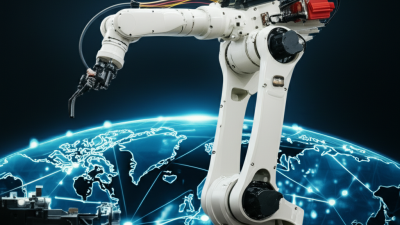
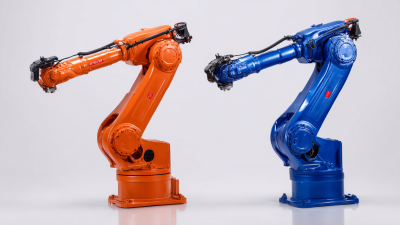
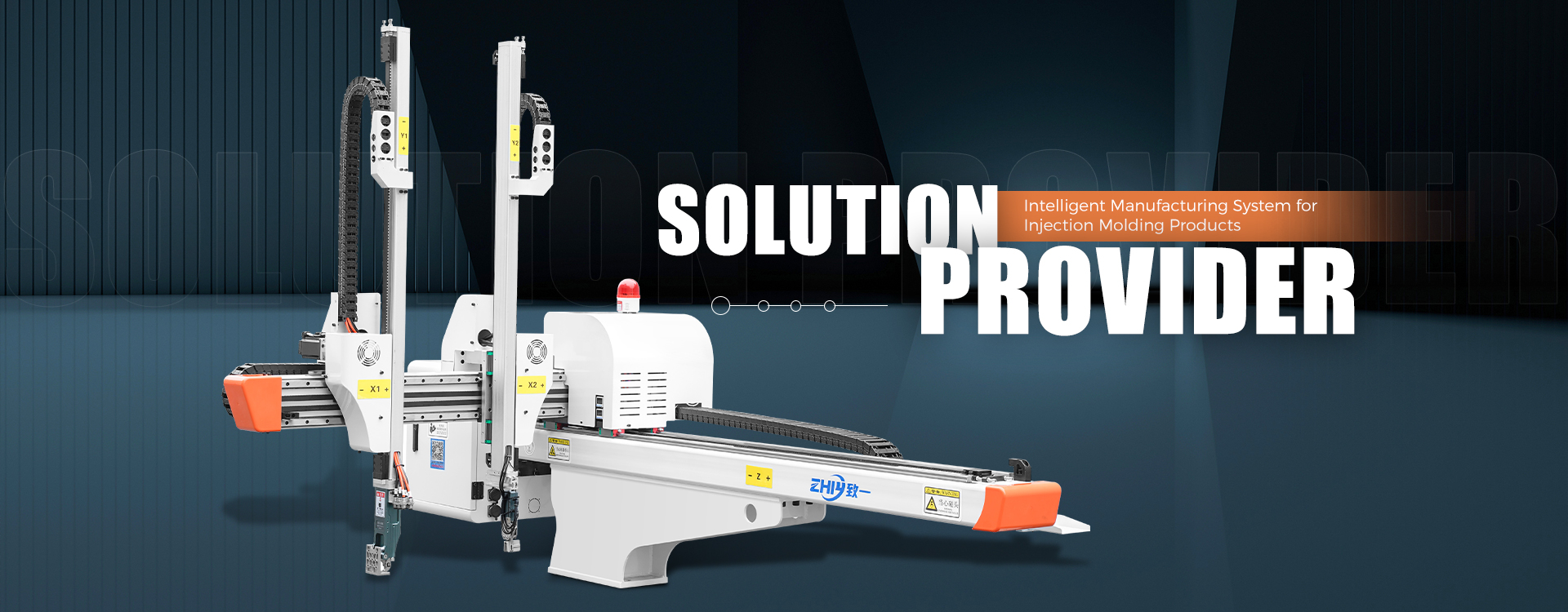
You know, the manufacturing world is really going through a big change right now, especially with all these new high-tech advancements, like precision production taking center stage. I was reading some recent reports, and it looks like the global market for injection molding machines is expected to hit around $18 billion by 2026, growing at a steady rate of about 3.3% annually. That’s pretty impressive, and honestly, it’s all driven by the growing demand for high-quality, detailed products across all sorts of industries—think automotive, consumer goods, and healthcare. One part of this shift that's really standing out is the rise of Injection Robots, which are making manufacturing more efficient and much more precise. Now, companies like Zhejiang Zhiyi Intelligent Robot Co., Ltd.—who started back in 2017—are really leading the charge here. They’re all about creating top-notch automation tools and solutions to help factories move towards smarter, more automated production. By using these Injection Robots, manufacturers can boost their precision, cut down on waste, and stay flexible enough to meet whatever comes next in the market. It’s pretty exciting to see how all this tech is shaping the future of manufacturing, don’t you think?
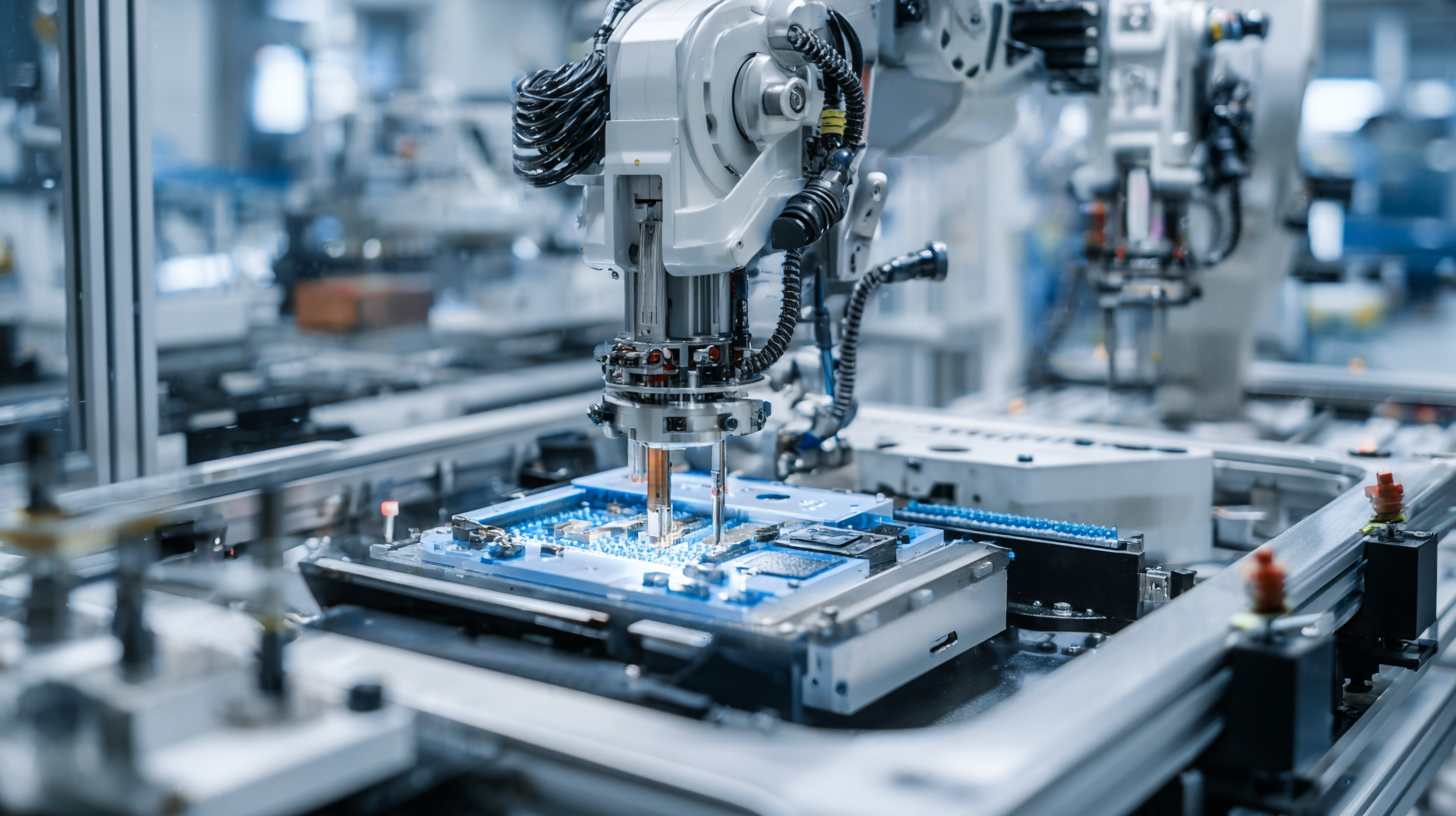
Benefits of Advanced Injection Robots in Modern Manufacturing
These days, advanced injection robots are really shaking up how we do manufacturing. They bring such a crazy level of precision and efficiency that old-school methods just can’t compete. It’s pretty amazing how they can pull off intricate designs with such tiny margins for error—this means manufacturers can really push the boundaries, creating top-notch products that meet those ever-growing consumer expectations. Plus, all that precision helps cut down on waste, which is a big win for making things more sustainable.
On top of that, integrating these Smart Robots makes the whole production process smoother and faster. Since they handle all those repetitive tasks, people can focus on the more complex stuff—kind of like freeing up your team to get creative, you know? And because these robots are so adaptable, manufacturers can quickly switch gears if market demands shift or if custom orders come in. That kind of flexibility is a huge advantage in today’s super-competitive world. Honestly, adopting this kind of tech isn’t just about immediate gains; it sets the stage for long-term growth and better overall efficiency. No wonder more companies are jumping on board!
Key Features of Precision Production in Robotic Systems
Advanced injection robots are really shaking things up in manufacturing right now. They’re making it possible to get super precise with production, which is pretty cool. According to a recent report from the International Federation of Robotics (or IFR for short), the global market for industrial robots is expected to hit around $70 billion by 2025—that’s a huge jump, mainly because more factories are jumping on the automation bandwagon. These robots are especially awesome when it comes to injection molding, where their accuracy is crucial—think complex automotive parts or tiny electronics. Thanks to smart sensors and AI algorithms, these machines can adjust in real-time, making sure everything stays consistent and reducing waste like a boss.
One of the coolest parts? They really help streamline the whole workflow. McKinsey & Company did a study that found manufacturers using automation can see productivity bumps of up to 30%. Robots with fancy vision systems can even spot and fix defects as they happen—which means better quality products without extra hassle. Plus, these robots can run 24/7, cutting down cycle times and letting companies handle more custom orders without sacrificing quality. As more industries jump into this tech, it’s pretty clear that the future of manufacturing is going to be all about the precision, reliability, and efficiency brought by these advanced injection robots.
Integrating IoT with Injection Robots for Enhanced Efficiency
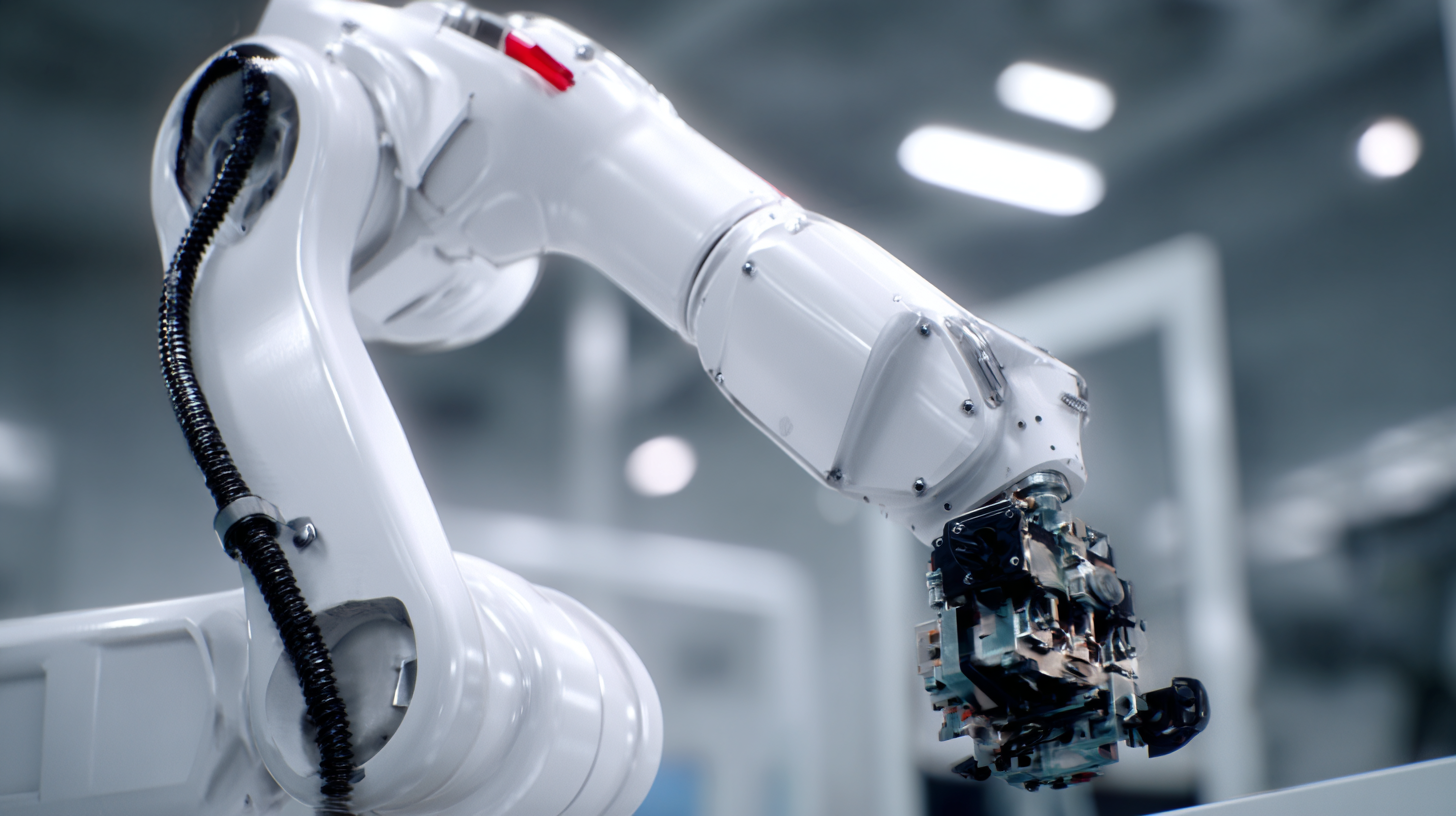
Have you noticed how the Internet of Things (IoT) is really shaking up manufacturing these days? It’s pretty amazing—when you hook up these advanced injection robots to a network of sensors and data tools, it’s like giving factories a brain of their own. Manufacturers now get real-time updates on how everything's running, which means they can spot issues early, do predictive maintenance, and fine-tune their schedules on the fly. All this results in less downtime and way less waste, making things run smoother overall.
What’s even cooler is that these IoT-enabled robots can actually adapt during production. So, if something’s a little off—say, a parameter isn't quite right—the system can immediately recalibrate itself. It’s a neat way to boost precision and keep quality standards high, without breaking a sweat. As more companies jump on this tech bandwagon, they're better equipped to handle market demands, all while making smarter use of resources and cutting costs. Honestly, it’s kind of exciting to see where this is headed!
Best Practices for Implementing Injection Robots in Factories
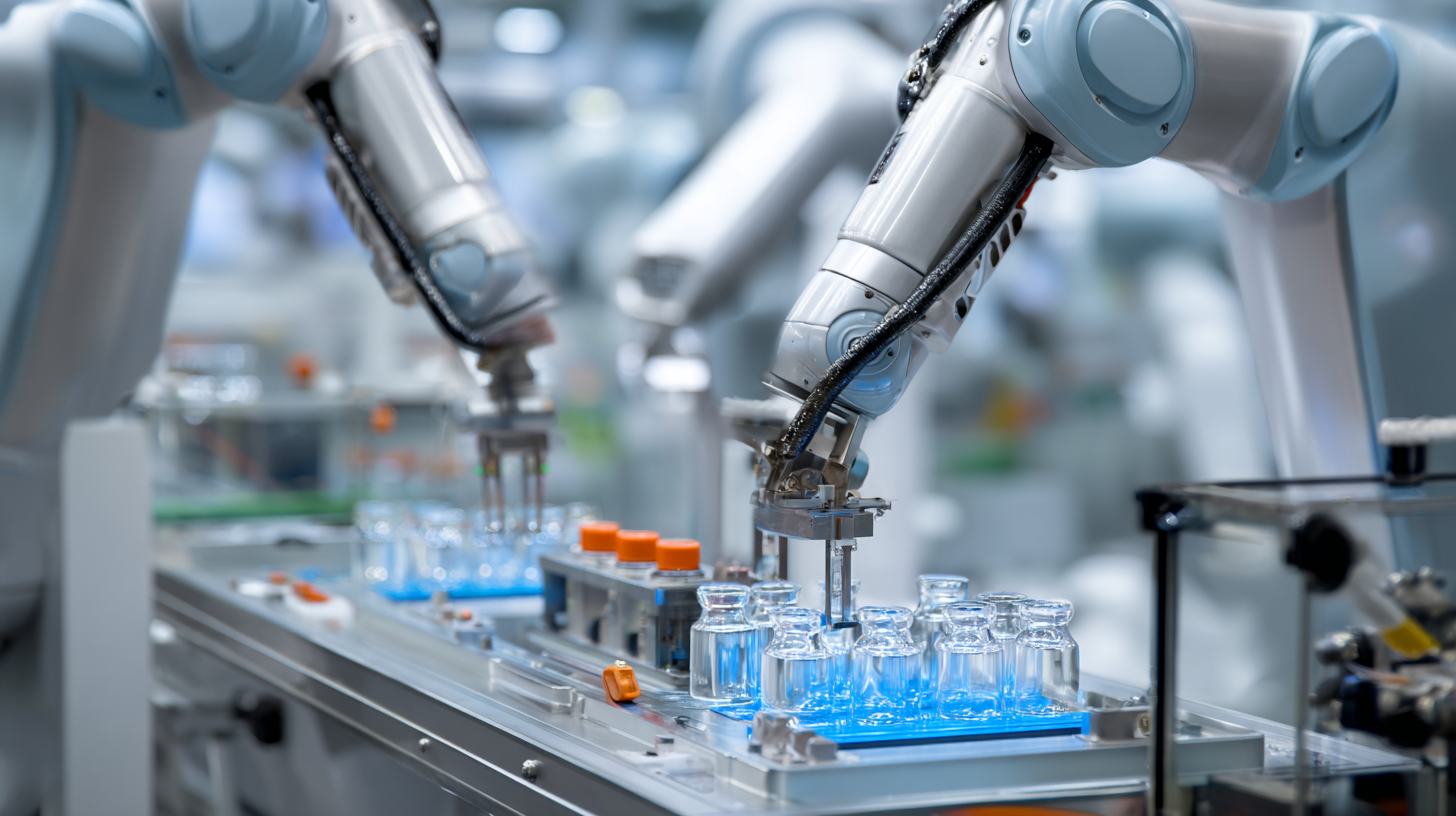
You know, when advanced injection robots started making their way into manufacturing, it really felt like a game changer for getting things just right. I saw in a report from the International Federation of Robotics that use of industrial robots is expected to grow by more than 15% every year—that's pretty significant and shows just how vital they’re becoming for keeping things running smoothly.
But here’s the thing: to successfully bring these robots into the mix, manufacturers need to follow some best practices. That means taking a good, hard look at your current workflows and making sure the robot programming fits perfectly with your specific production line needs.
Also, rolling out these robots gradually can make a huge difference. Instead of going all-in at once, a phased approach helps your team adapt without causing too much disruption. I came across a McKinsey study that pointed out companies who scaled their robotics step-by-step actually saved up to 30% on initial costs—that’s a pretty sweet deal.
And don’t forget, training your staff to work alongside these smart machines is super important. When workers know what they’re doing, productivity just shoots up. Plus, setting up solid safety protocols—like proper sensor calibration and emergency stop measures—not only keeps everyone safe but also makes the whole operation run more smoothly.
Basically, with the right planning, these robots can really boost both efficiency and safety in manufacturing environments.
Overcoming Challenges in Adoption of Advanced Robotics in Manufacturing
So, you know, bringing advanced robotics into manufacturing really has the potential to boost efficiency and precision by quite a bit. But let’s be honest—there are still some hurdles that make it not super straightforward to just jump in. I read in a report by McKinsey that companies who do manage to get robotics up and running can see their productivity jump by as much as 30%. Sounds great, right? But here’s the thing: the upfront costs can be pretty steep, and finding workers skilled enough to handle these high-tech systems isn't always easy. A survey in the International Journal of Advanced Manufacturing Technology even found that almost half of manufacturers—47%, to be exact—are pretty uncertain about whether the investment will actually pay off in the end, and that’s holding a lot of folks back.
If you're thinking about adding injection robots to your production line, a smart move might be to start small with some pilot projects. That way, you can really get a feel for the costs and logistics without risking too much all at once. Plus, investing in training your current team can make a big difference—helping them get comfortable with the new tech and smoothing out the transition.
It’s also super important for tech companies and manufacturers to work closely together. Custom solutions that fit your specific needs can really make a difference in the results. And, here’s a little something to keep in mind—according to the World Economic Forum, digital transformation could create up to 40 million new jobs around the world by 2030. So, yeah, overcoming these challenges isn't just about avoiding headaches; it’s about unlocking some serious potential for the future.
Future Trends in Injection Robot Technology and Manufacturing
Looking ahead, the future of injection robot tech in manufacturing really seems bright. Companies are making big strides to boost precision and efficiency across all sorts of industries. One cool trend is how artificial intelligence and machine learning are being integrated — now, robots can actually adapt and optimize their work on the fly. They analyze production data in real-time, which helps cut down on waste, speed things up, and keep quality consistently high. Honestly, that makes them pretty invaluable in environments where top-notch precision really matters.
Another neat development is the rise of collaborative robots, or cobots, which are designed to work side-by-side with human workers. This combo allows for a more flexible approach to manufacturing — folks can focus on the tougher, more complex tasks, while the robots handle all the repetitive stuff. Plus, innovations in handling materials and automated quality checks are really helping streamline workflows, making it easier to stick to those high standards we all want. As manufacturers keep moving in this direction, these injection robots are gonna play a huge role in transforming the industry and fueling future growth.
FAQS
: The global market for industrial robots is projected to reach $70 billion by 2025.
Advanced injection robots enhance precision by utilizing advanced sensors and AI algorithms that allow for real-time adjustments, ensuring accuracy and minimizing waste.
Manufacturers that adopt automation can increase productivity by up to 30%.
IoT-enabled injection robots provide real-time insights into operations, allowing for monitoring of performance, predictive maintenance, and optimization of production schedules, which reduces downtime and waste.
The integration of AI and machine learning enables robots to adapt and optimize operations in real-time, reducing waste and increasing throughput while ensuring consistent quality.
Collaborative robots (cobots) are designed to work alongside human operators, enhancing flexibility in manufacturing by allowing workers to focus on complex tasks while robots manage repetitive processes.
Advanced vision systems enable injection robots to identify and correct defects on-the-fly, enhancing the quality of the final product.
Injection robots can operate continuously, reducing cycle times and enabling manufacturers to meet the growing demand for customized products without sacrificing quality.
Future trends include increased integration of AI and machine learning, development of collaborative robots, and innovations in material handling and automated quality control.
IoT-enabled injection robots can recalibrate their operations based on real-time feedback from the production line, maintaining high-quality standards consistently.
Conclusion
These days, advanced injection robots are really shaking up manufacturing. They’re making production way more precise and efficient, which is pretty awesome. What’s cool is that many of these robots have features that help keep things accurate and consistent every time. Plus, when you connect them with the Internet of Things (IoT), factories get smarter — they can track data better and run more smoothly, leading to more streamlined production lines.
That said, bringing these robots into the mix isn’t always a walk in the park. Companies need to be careful with how they implement them and tackle some of the hurdles that pop up along the way. As the tech keeps progressing, we’re seeing more focus on automation and smarter systems — kind of like what Zhejiang Zhiyi Intelligent Robot Co., Ltd. is aiming for with their move to make manufacturing more intelligent and connected. It’s an exciting time, even if there are a few bumps in the road!