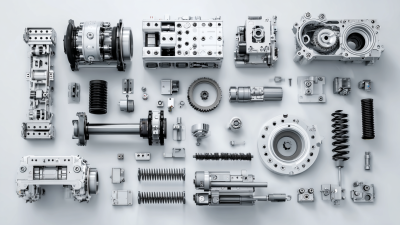
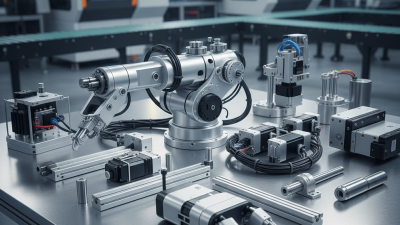
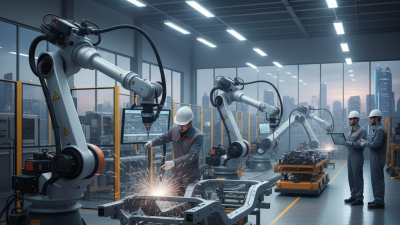
In the fast-changing world of robotics, choosing the right Robot Parts is super important if you want to stay innovative and efficient. Dr. Emily Carter from Robotics Innovations Inc. highlights this when she says, “The future of robotics really depends on the quality and how versatile its parts are.” Her words remind us how crucial it is to pick reliable components.
The market's pretty packed with all kinds of Robot Parts — from servos to sensors — and figuring out what you really need can be a bit overwhelming. Every choice you make could seriously impact how well your project performs. So, it’s a good idea to think about compatibility and durability before you buy. Unfortunately, a lot of companies overlook these details, which can lead to stuff breaking down later on.
Getting high-quality Robot Parts isn’t just about fixing things now — it’s about setting yourself up for the future. As industries evolve, their needs change too. It’s worth asking yourself: are you prioritizing performance or just trying to save a buck? Making smarter, informed decisions today can save you a lot of trouble down the line. The right parts don’t just keep things running smoothly; they can turn your ideas into real, working robots and push the whole industry forward.

Overview of the Global Robotics Market in 2026
The global robotics market is poised for significant transformation by 2026. Current estimates suggest the market could reach around $500 billion. This growth is driven by advancements in AI, automation, and the increasing need for efficiency across industries. Robotics is becoming essential in sectors like healthcare, manufacturing, and agriculture.
Interestingly, reports indicate that nearly 60% of companies plan to integrate robots into their operations by 2026. This shift reflects a broader trend towards operational automation. However, companies must choose the right parts to optimize performance and cost. Understanding the specific requirements of each application is crucial.
Tips: When selecting robot parts, prioritize suppliers that offer robust support and consultation. Evaluate compatibility carefully to avoid integration issues. Regularly reassess your configurations as technologies evolve. Mistakes here can lead to increased costs and inefficiencies. Companies need to remain agile and adapt as new robotics solutions emerge. Continuous learning in this space is essential for success.
2026 Best Robot Parts for Global Buyers to Consider
| Part Type | Material | Weight (g) | Price Range (USD) | Applications |
| Servo Motor | Aluminum | 500 | 50 - 150 | Industrial Automation |
| Robotic Arm | Plastic Composite | 2000 | 300 - 500 | Manufacturing |
| Sensor Module | Silicon | 50 | 10 - 30 | Navigation |
| Control System | Metal | 800 | 200 - 400 | Robotics & Mechatronics |
| Battery Pack | Lithium-Ion | 300 | 100 - 200 | Mobile Robots |
Key Considerations for Selecting Robot Parts
When selecting robot parts, several key considerations come into play. Firstly, it's crucial to evaluate the compatibility of components. Each part of A Robot operates within a unique ecosystem. Ensuring that motors, sensors, and control units work harmoniously is essential. Poor integration can lead to inefficiency and functionality issues.
Material quality is another significant factor. The durability of robot parts affects the overall lifespan of the machine. Opting for high-quality materials can enhance performance, but they may also raise costs. Buyers should weigh the benefits against their budget constraints.
In addition, consider the supplier’s reliability. Research suppliers to verify their reputation and customer feedback. Questions about product support and warranty are vital, too. While it may seem straightforward, some buyers miss this step, leading to unresolved issues later. Balancing quality, cost, and supplier trustworthiness can be challenging yet necessary for making informed decisions.
Top Manufacturers of Robot Components Worldwide
The global landscape of robot components manufacturing is rapidly evolving. According to the International Federation of Robotics, the industry is projected to grow by 26% by 2024. This growth reflects a rise in demand for innovative technologies. Manufacturers are focusing on key areas, such as sensors, actuators, and control systems. Developing reliable robot parts is a top priority for many firms.
Many leading manufacturers invest heavily in research and development. They strive for higher precision and efficiency in their processes. Reports indicate that over 70% of robot manufacturers prioritize sustainability in component production. This trend will likely affect purchasing decisions worldwide. Several key players emphasize the importance of local supply chains, reducing risks related to complex logistics.
While the market is promising, challenges persist. Quality assurance remains a significant concern, and inconsistent standards can hinder progress. Consumers often face difficulties in sourcing components that meet their specific needs. In this evolving landscape, understanding the components that make up a robot is essential. The focus on "Robot And Its Parts" is crucial in ensuring the technological advancements of tomorrow.
Emerging Technologies in Robotics Parts
In recent years, the landscape of robotics has seen rapid advancements, particularly in the realm of robot parts. Emerging technologies have transformed Industrial Robot Parts, enhancing their capabilities and functionalities. According to a report from the International Federation of Robotics, the global market for industrial robots is expected to grow by 13% annually through 2026. This growth highlights the importance of innovative components in maximizing performance.
Manufacturers are increasingly turning to lightweight materials and integrated sensors that enable smarter automation. These enhancements lead to improved efficiency and reduced energy consumption. A report from MarketsandMarkets shows that the demand for robotics components is driven by the need for greater precision and adaptability in production processes. While these innovations promise many benefits, the challenge lies in ensuring compatibility among various robotic parts and systems, which can complicate the integration process.
Despite the advancements, the industry grapples with concerns related to supply chain stability and cost management. High-quality components often come with a premium price tag, and this can hinder small businesses from investing in the latest technologies. Additionally, as the demand for customized solutions increases, manufacturers must constantly innovate. Balancing performance and cost remains a critical area for reflection in the evolving field of industrial robot parts.
Cost-Effectiveness: Budgeting for Robot Parts
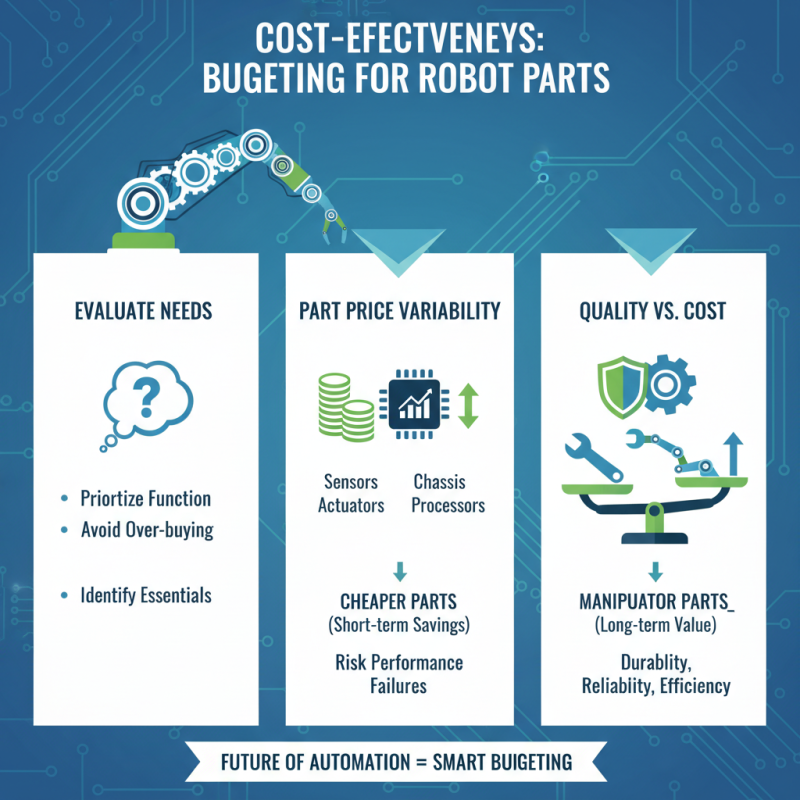
When considering robot parts for your projects, cost-effectiveness is critical. The future of automation depends on thoughtful budgeting. Each component's price can vary greatly. It’s essential to evaluate what you genuinely need. In some cases, cheaper parts may not deliver the required performance. Investing in quality components like Manipulator Parts can save money in the long run.
Evaluate your budget carefully. Start with a clear plan that prioritizes critical components. Research alternative suppliers to find better deals. Some suppliers offer bulk discounts. This approach can reduce costs significantly. However, always assess the quality of manipulator parts. In some instances, lower-priced options might lead to failure.
Can't compromise on performance? Focus on the core functionalities that matter most. Sometimes, opting for a few high-quality pieces is wiser than filling your cart with numerous cheap parts. You may find yourself replacing inferior items. Reflect on previous purchases to inform your decisions. Balancing quality and cost is an ongoing challenge that requires constant review.
Trends in Sustainability and Eco-Friendly Components
Sustainability is a critical focus in the robotics industry. As global awareness of environmental issues grows, buyers look for eco-friendly components. Many companies are adopting practices that reduce waste and energy consumption. This trend creates opportunities for innovation in robot parts.
Eco-friendly materials, such as bioplastics and recycled metals, are gaining traction. These materials lower the carbon footprint. However, sourcing sustainable components presents challenges. Not all manufacturers can ensure the same quality or performance. Buyers must rigorously evaluate suppliers.
Moreover, consumers are increasingly interested in energy-efficient robots. Efficient motors and power systems minimize energy use during operation. However, this can lead to a compromise on speed or power. Designers must balance performance with sustainability. The journey is complex, with room for improvement. How do we ensure eco-friendliness without sacrificing quality?
Future Prospects: Innovations in Robotics Parts by 2026
As we look towards 2026, the landscape of robotics parts is evolving significantly. Innovations will focus on improving efficiency and versatility. According to a recent report by the International Federation of Robotics, the global market for robotic components is expected to grow by over 20% annually. Enhanced sensors and AI integration are vital in this growth.
One noteworthy trend is modular components. These pieces allow for greater adaptability in various applications. Users can mix and match parts, creating customized solutions. Yet, this flexibility brings challenges. Ensuring compatibility and maintaining quality are crucial for long-term success.
Another area of innovation is in energy efficiency. As robots become more widespread, their power consumption must be managed effectively. Research indicates that battery technology will advance, providing longer operational times. However, the question remains: how can we ensure these solutions are sustainable?
Robot Robot 2 is just one example of how emerging technologies can impact the industry. Continuous improvement and innovation are essential. As we strive for a future filled with smarter robots, it’s vital to remain aware of potential pitfalls along this journey.
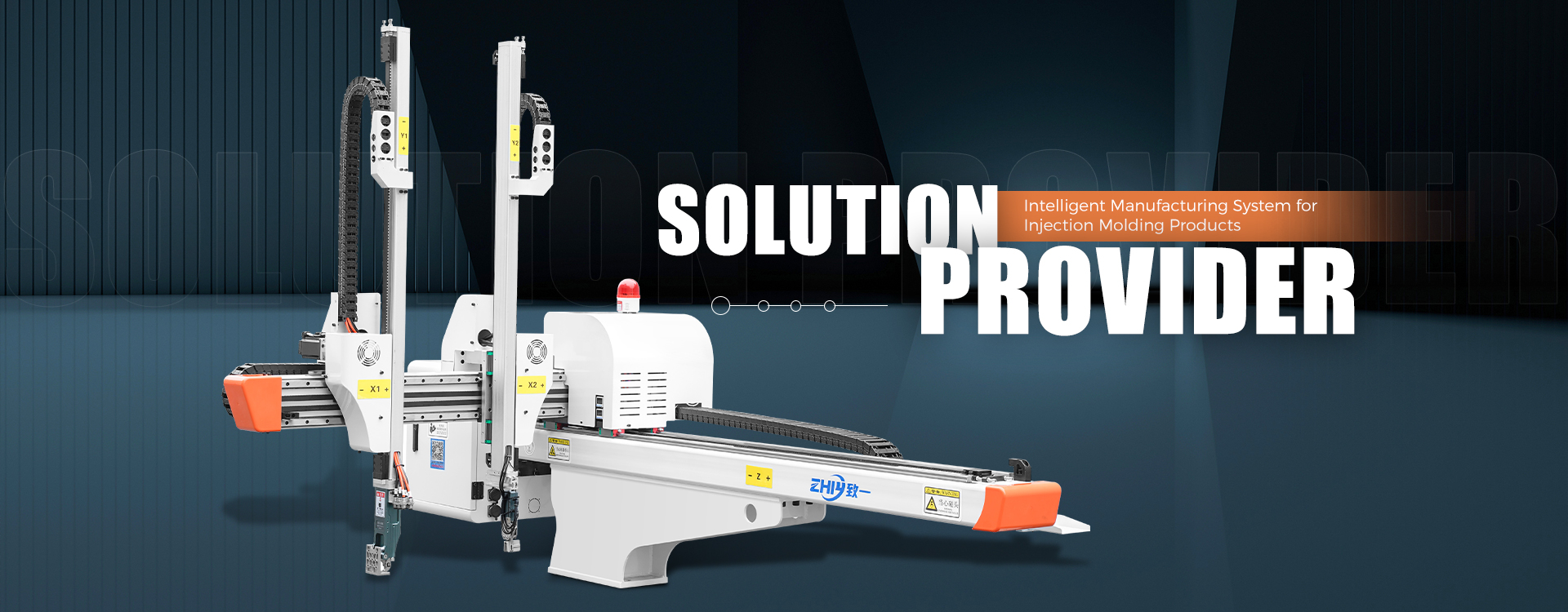
Optimizing Injection Molding Production with Three-Axis Servo Robots: Solutions for 2000T-2300T Machines
The realm of injection molding automation is witnessing significant advancements, particularly with the integration of three-axis servo robots. These sophisticated manipulators are specifically designed to optimize production processes for 2000T-2300T injection molding machines. According to industry reports, the automation of injection molding can lead to a productivity increase of up to 30%, while simultaneously reducing labor costs by approximately 20%. This efficiency is pivotal for manufacturers looking to remain competitive in fast-paced markets such as automotive parts and home appliances.
Three-axis servo manipulators are engineered to deliver exceptional performance with remarkable load capacities and versatile travel ranges, allowing for precise control during the injection molding cycle. This level of precision is critical, as even minor variations can lead to defects in high-demand sectors. For instance, detailed studies indicate that integrating advanced automation can minimize cycle times by 15%-25%, thereby enabling manufacturers to increase output without sacrificing quality.
Moreover, these manipulators are adaptable to various production requirements across multiple industries. As manufacturers strive to meet diverse demands, the flexibility offered by three-axis servo systems ensures that they can efficiently handle varied tasks, from complex assembly to high-speed sorting, ultimately enhancing operational performance and driving sustained growth in productivity.
FAQS
: Sustainability is critical. Companies aim to reduce waste and energy.
Bioplastics and recycled metals are popular. They help lower carbon footprints.
Quality and performance vary. Not all manufacturers meet the same standards.
They minimize energy use but may compromise speed or power. Balancing is necessary.
They enable customization by allowing users to mix and match parts.
Ensuring compatibility and maintaining quality is essential for success.
Advances will lead to longer operational times. Sustainability remains a question.
The robotics market is growing rapidly. Efficiency and versatility are crucial.
Rigorously assess quality and sustainability of the suppliers’ materials.
Balancing eco-friendliness with quality and performance often requires trade-offs.
Conclusion
The article explores the evolving landscape of the global robotics market as it stands in 2026, highlighting essential factors for buyers to consider when selecting robot parts. Key considerations include technological advancements, compatibility, and reliability of components, which are critical for optimal robot performance. It also addresses the rise of top manufacturers who are setting industry standards, alongside innovations in robotics parts that incorporate emerging technologies.
Moreover, the article emphasizes the importance of cost-effectiveness, encouraging buyers to budget wisely while striving to incorporate sustainable and eco-friendly components into their systems. As trends shift towards greener solutions, the future of robotics parts appears promising, with continuous innovations paving the way for enhanced functionality and efficiency in robotic applications.