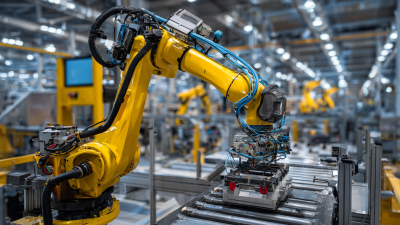
In today’s fast-changing world of manufacturing, you really can't overstate just how important Industrial Robots have become. I remember chatting with Dr. Sarah Johnson from Robotics Innovations Ltd., and she said something that stuck with me: “Industrial robots are actively transforming how we produce things.” These machines aren't just fancy gadgets; they actually boost efficiency and precision, taking on tasks that used to be a big human effort.
But it’s not all smooth sailing. The perks of using industrial robots go way beyond just making things faster. They help cut down errors, which means the final product tends to be way better in quality. Plus, they’re great for safety—taking on the really risky jobs so workers aren’t put in harm’s way. Of course, there are some hurdles too, like the hefty upfront costs and the ongoing maintenance they require. Bringing in Robot Industrial tech is a bit of a shift—it changes how teams work and the skills people need.
Despite these challenges, one thing’s for sure: the potential to stay competitive is huge. As more manufacturers jump on board with robotics, it really makes you think about finding the right balance—between automation and keeping human jobs. Moving forward, the best bet might be a teamwork approach, where skilled workers team up with robots to get the best results. Honestly, this partnership is pretty exciting, though it’s also a bit complicated. It’s a journey that manufacturers everywhere are navigating right now, and it’s definitely worth paying attention to.
Benefits of Industrial Robots in Manufacturing Efficiency
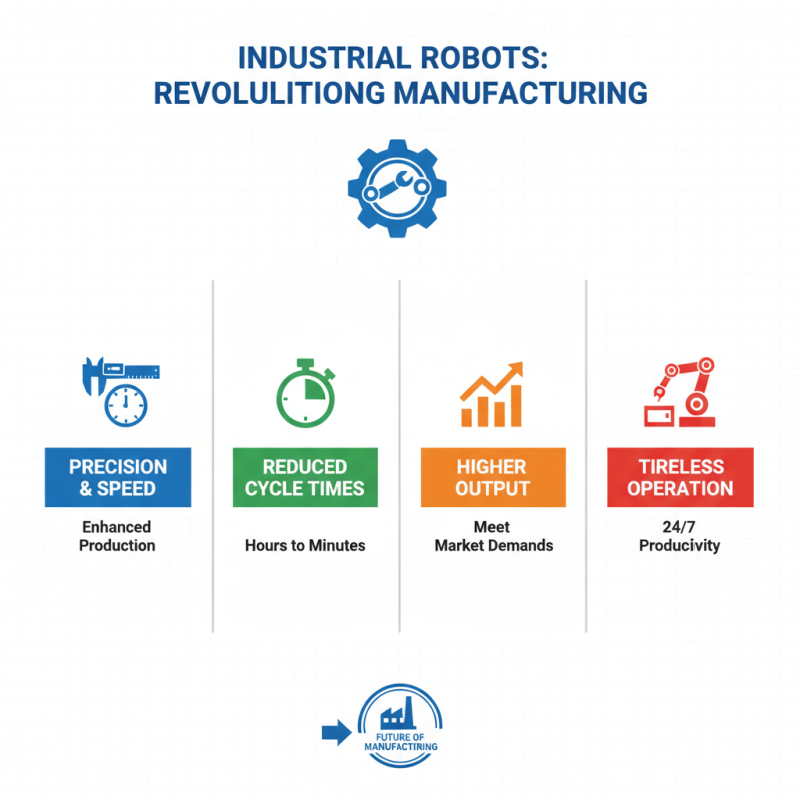
Industrial robots are revolutionizing manufacturing efficiency in various ways. Their precision and speed enhance production processes. These machines work tirelessly, reducing cycle times significantly. Tasks that once took hours can now be completed in minutes. This speed leads to higher output levels, which can meet growing market demands.
To maximize the benefits, companies should focus on proper integration. Training staff to work alongside robots is crucial. Communication between robots and human workers can improve operations. Implementing regular maintenance checks helps prevent downtime.
Investing in industrial robots can initially seem daunting. However, the long-term gains often outweigh these costs. It’s vital to assess whether the specific applications align with business goals. Some processes may still require human judgment and flexibility. Balancing automation and human input can create a productive environment where both thrive.
Enhancing Precision and Quality Control with Robots
Precision and quality control are critical in manufacturing. An Industrial Robot plays a vital role in achieving both. These machines can work tirelessly, consistently performing tasks with high accuracy. They are designed to reduce human error, which can occur during repetitive tasks. The integration of robots allows for intricate operations that require delicate handling.
However, there are challenges to consider. Implementing An Industrial Robot often requires initial investment and training. It can be a learning curve for workers. Some industries hesitate due to concerns about job displacement. Balancing automation and employment is necessary for a smooth transition. The technology should augment human workers, not replace them.
Quality control improves significantly with robots. They can monitor production processes continuously. Low-quality items can be identified quickly, minimizing waste. Yet, there's a risk of over-reliance on automation. A malfunctioning Robot Might lead to production delays. Therefore, regular maintenance and oversight are essential. Reflecting on these aspects can help maximize the benefits of industrial robots.
Cost Reduction through Automation in Production Processes
Automation in manufacturing processes leads to significant cost savings. For instance, using an Industrial Agv Robot can reduce labor expenses. These robots work tirelessly, performing repetitive tasks with precision. This capability allows companies to minimize errors and waste. Mistakes in production can be costly. Moreover, robots do not require breaks or shifts like human workers.
In addition to labor costs, automation reduces overhead. Maintenance costs can also decline with robots. While the initial investment may seem high, many companies see a return on that cost quickly. However, there can be challenges. Integrating new technology takes time and training. Staff may feel uncertain or resistant. Addressing these concerns is crucial for success.
Automation simplifies production lines, enhancing efficiency. Yet, some businesses struggle to adapt. They may not fully utilize the technology at their disposal. Flexibility is vital in this evolving landscape. Balancing automation with human skills can create a streamlined process while fostering innovation. It's a delicate dance between machines and talent.
Improving Worker Safety and Reducing Workplace Hazards
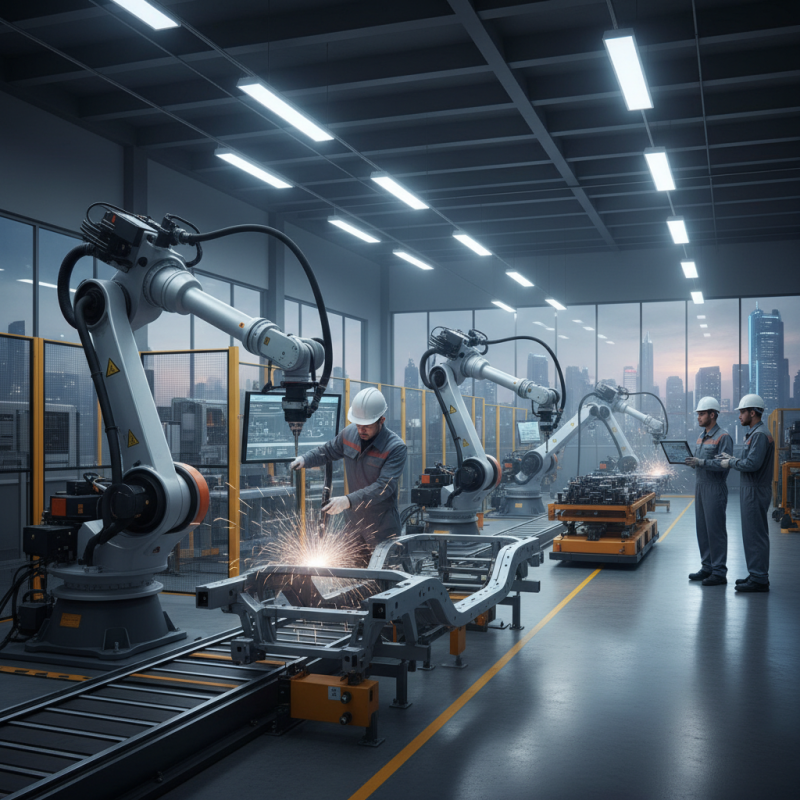
The integration of industrial robots in manufacturing significantly enhances worker safety. Studies reveal that industries utilizing these robots have reported a 30% reduction in workplace injuries. Tasks that were once hazardous, like heavy lifting or precision assembly, can now be performed by an Industrial Robot Arm. This transition frees human workers from dangerous environments, allowing them to focus on oversight and quality control.
Moreover, robots excel in environments with toxic substances, high temperatures, or hazardous machinery. By taking on these extreme conditions, industrial robots prevent potentially life-threatening incidents. However, there are challenges. Not all facilities can afford this technology, and some employees may fear job displacement. The implementation process also requires training. Workers need to understand how to work alongside machines effectively. Finding a balance in this transition is crucial.
Surprisingly, reports show that workplace hazards still exist, even with robotic integration. While robots lower the risk in many areas, they can also introduce new dangers if not properly managed. For instance, accidents between a human and an industrial robot arm have occurred due to poor programming. Addressing these risks is essential for maximizing safety benefits. Proper maintenance and operator training can mitigate many of these issues and create a safer work environment.
Increased Production Speed and Output Capacity
Industrial robots are transforming manufacturing by significantly increasing production speed and output capacity. These machines can work faster than human workers. They perform repetitive tasks consistently, reducing the likelihood of errors. This efficiency allows companies to meet growing demand without sacrificing quality. A well-implemented robotic system can work around the clock, maximizing output.
Tips for incorporating robots in your workflow include assessing your current production needs. Identify tasks that robots can handle more efficiently. Don’t overlook employee training. Workers should understand how to work alongside robots. This integration is crucial for a smooth transition.
While robots offer many advantages, there are challenges to consider. Initial costs can be high. Maintenance is necessary to avoid downtime. Additionally, employees may feel uncertain about job security. Companies must address these concerns. Open communication can ease worries and enhance collaboration between humans and robots. Enjoy the journey of innovation but remain mindful of its impacts.
Flexibility and Adaptability of Robots in Diverse Tasks
The modern manufacturing landscape is rapidly evolving. Industrial robots play a crucial role in this change. Their flexibility and adaptability allow them to undertake various tasks. For example, robots can switch from assembly to packaging within moments. This adaptability is vital when production demands shift frequently. They can handle different materials and products efficiently.
Using robots in diverse tasks helps reduce downtime in production lines. In a busy factory, every second counts. If a robot can quickly adjust to a new job, it saves time and money. However, not all robots can adapt seamlessly. Some may require extensive programming changes for new tasks. This can lead to inefficiencies and frustration.
Despite these challenges, the benefits of utilizing industrial robots outweigh the drawbacks. Factories that embrace these technologies often see increased productivity. However, companies must focus on training employees to work alongside robots. Understanding how to collaborate with these machines is essential. This partnership can lead to a more efficient and innovative manufacturing process. The potential for improvement is vast, but it requires careful consideration of how robots are integrated.
Streamlining Supply Chain Management with Robotics Integration
Integrating robotics into supply chain management brings notable advantages to manufacturing. Robotics can improve efficiency. These machines handle repetitive tasks easily. They work faster than human workers in many scenarios. This speed can reduce production times significantly.
Additionally, robots minimize errors that often occur during manual processes. Reduced mistakes lead to better quality products.
However, the transition to robotics isn't always smooth. Training staff to work alongside robots can take time. Some employees may resist this change. It is crucial to involve the team in the process. This inclusion builds trust and allows for feedback. Without proper communication, the integration may face challenges. Always remember to assess workflow regularly. Adjustments might be necessary to improve collaboration.
Robots can collect data and analyze it effectively. This data-driven approach allows manufacturers to predict demand better. It helps maintain inventory levels efficiently. Yet, relying heavily on technology can create risks. Downtime in robotic machines can disrupt the entire supply chain. Diversifying supply chain strategies is essential to manage these risks. Balancing human oversight with robotic efficiency can drive success.
Enhancing Precision and Efficiency in Automation: A Deep Dive into the Three-Axis Servo Robot Market Trends and Projections (2023-2028)
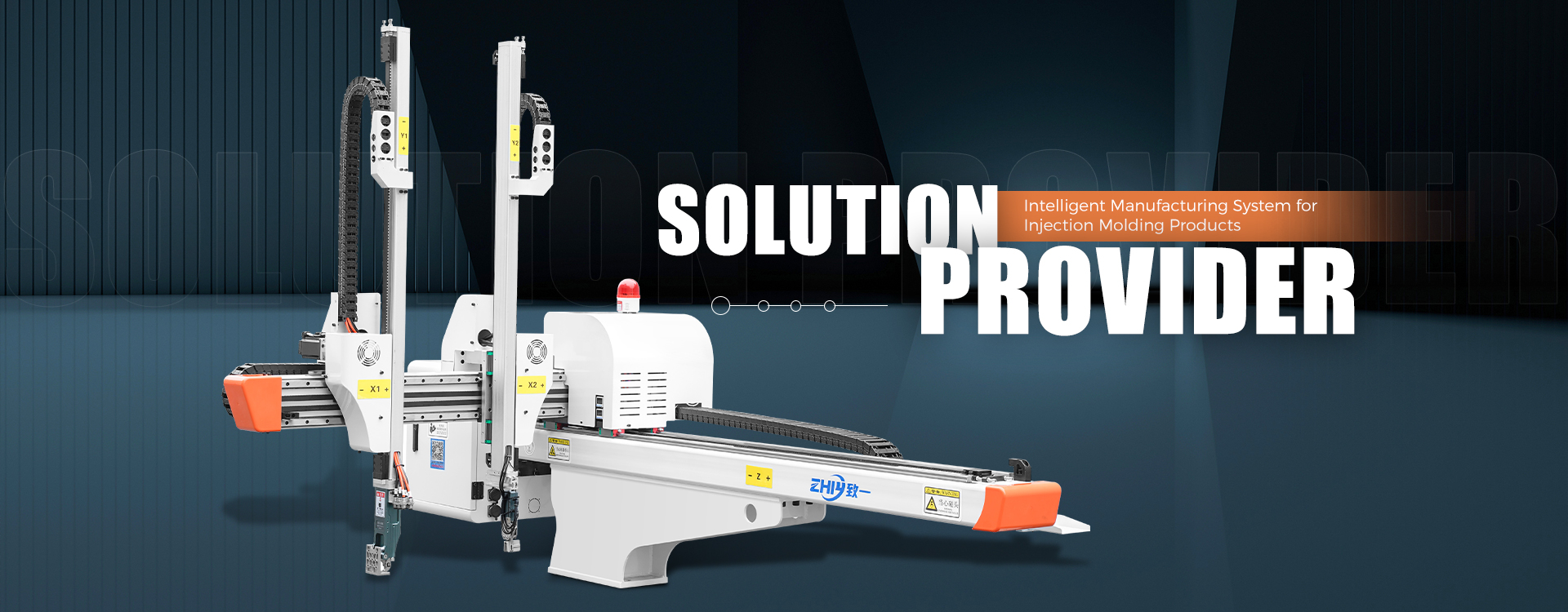
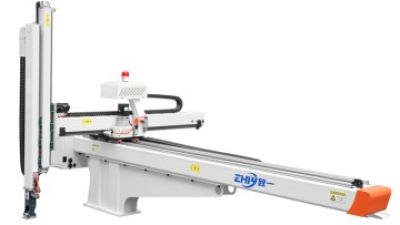
In the highly competitive landscape of the injection molding industry, automation's role in enhancing precision and efficiency has become paramount. Recent projections for the three-axis servo robot market show a robust growth trajectory, with an anticipated CAGR of over 15% from 2023 to 2028. This surge can be attributed to the increasing demand for automation solutions that improve flexibility in manufacturing processes while maintaining high levels of productivity. The integration of advanced servo control systems ensures that robots can operate with exceptional accuracy, crucial for the intricate demands of modern injection molding applications.
The significance of high-performance automation equipment is underscored by the need for cost-effective production solutions. In environments requiring handling of complex molds and high-load materials, three-axis servo robots excel due to their stability and capability to adapt to diverse tasks. Industry reports indicate that businesses implementing these automation systems have reported a 30%-40% increase in operational efficiency. Such improvements allow manufacturers to optimize their processes comprehensively, significantly reducing downtime and contributing to overall cost control.
As manufacturers increasingly recognize the value of integrating advanced robotics into their operations, the three-axis servo robot stands out as a leading solution. Enhanced precision not only fosters a reduction in waste but also enables seamless operations that can handle heavy loads — an essential feature for the evolving demands of injection molding. This transition towards automation signifies a pivotal shift in production strategy, emphasizing the necessity for businesses to adopt innovative solutions that bolster their competitive edge.
FAQS
: The product aims to enhance daily convenience and improve productivity.
Follow the instructions closely. Experiment with settings for personalized use.
High-quality materials ensure durability. Check the manual for specifics on each component.
Yes, avoid extreme temperatures. Handle the product carefully to prevent damage.
Use a soft cloth for cleaning. Regularly check components for wear and tear.
First, check the power source. If issues persist, refer to the troubleshooting section.
Yes, but check the return policy details. Time limits may apply.
A warranty covers specific issues. Review the warranty terms for coverage details.
Reach out via the provided contact methods. Response times may vary.
Focus on features that suit your needs. Consider unique benefits and user feedback.
Conclusion
Industrial robots have become integral to modern manufacturing processes, offering numerous benefits that enhance overall production efficiency. By automating various tasks, these robots not only improve precision and quality control but also significantly reduce costs associated with production. Moreover, their use leads to safer work environments by minimizing workplace hazards, thereby protecting workers.
The flexibility and adaptability of industrial robots allow them to handle diverse tasks seamlessly, increasing production speed and output capacity. Additionally, robotics integration streamlines supply chain management, fostering more efficient workflows. Overall, the implementation of industrial robots in manufacturing is a strategic move that drives innovation and competitiveness in today's fast-paced industrial landscape.