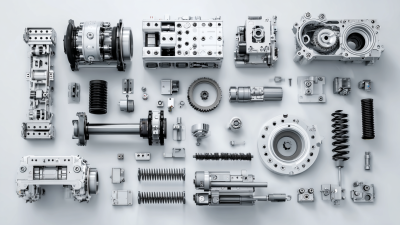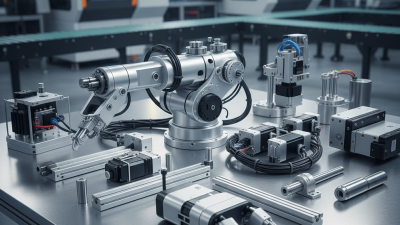
The 139th Canton Fair really offers a fantastic chance to check out some essential Robot Partsthat are super important in today’s tech world. Industry experts like Dr. Samuel Tech, CEO of Robotics Innovations, emphasize just how key this event is, saying, “Great quality Robot Parts are pretty much the backbone of advanced automation solutions.” It just goes to show that having the right parts can really boost efficiency and spark new innovations in robotics.
At the fair, you’ll see a whole bunch of exhibitors showing off Different Robot Parts that can really improve manufacturing processes. Whether it’s sensors, actuators, or other components, each one plays a big role in building smarter systems. Plus, with new AI-powered features like smarter searches and navigation tools, it’s easier than ever for buyers to find suppliers that meet top quality standards, like ISO and CE certifications.
That said, it’s not all smooth sailing. Manufacturers often face the tough challenge of keeping quality consistent while trying to keep up with demand for high-tech Robot Parts. This can sometimes lead to performance hiccups. So, as a buyer, you need to be pretty sharp and choose carefully. The fair isn’t just about buying stuff — it’s really about exploring the possibilities and making thoughtful decisions about what’s right for your needs.
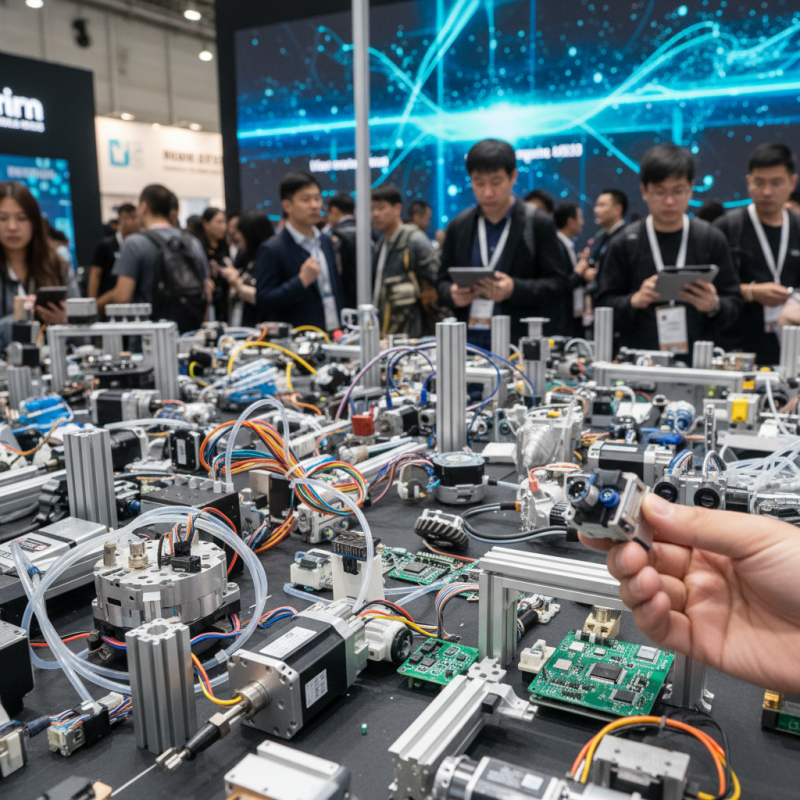
When attending the 139th Canton Fair, sourcing the right components for robotics is essential. Key parts play a crucial role in the overall functionality of A Robot. Understanding what to look for can greatly enhance project outcomes. From sensors to actuators, each part contributes uniquely to robot performance.
For sensors, look for products with high accuracy and quick response times. Proximity sensors and vision systems help robots navigate effectively. Consider compatibility with various frameworks too. Actuators are equally important; choose ones that offer precise control. Remember, high torque levels can help in heavy-lifting tasks.
Tips: Always check for reliable suppliers. You want to build long-term partnerships. Don’t rush your evaluations; take time to gauge product quality. Sometimes, less popular components can be surprisingly effective.
While it’s easy to focus solely on high-tech innovations, sometimes simplicity is key. Investigate basic components that are reliable yet cheaper. They can be the backbone of a good design. Ensure to audit your choices regularly. The field of robotics keeps evolving. Keep learning from your experiences. Engage with experts, and you’ll discover new insights into the world of Robot And Its Parts.
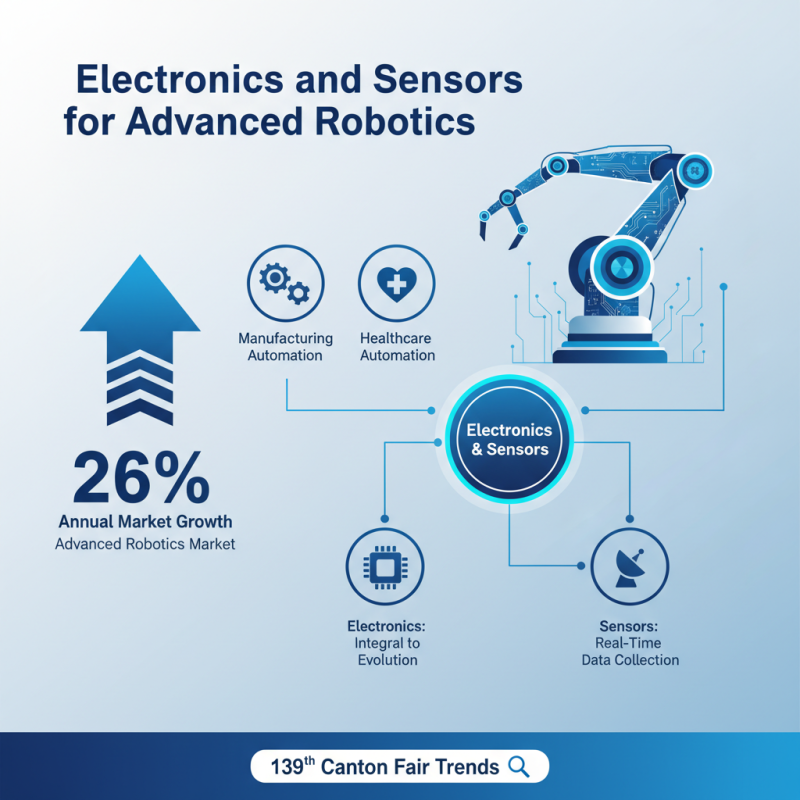
When sourcing electronics and sensors at the 139th Canton Fair, specific trends are emerging. The market for advanced robotics is projected to grow by 26% annually. This consistent growth is driven by automation in sectors like manufacturing and healthcare. Electronics are integral to this evolution. Sensors play vital roles in robotics, enabling real-time data collection.
Data from recent industry reports reveals that over 70% of robotics companies prioritize sensor integration in their designs. Quality sensors enhance precision and responsiveness in Industrial Robot Parts. Modern sensors, such as LiDAR and infrared, are crucial. They improve navigation and safety in automated systems. However, sourcing high-quality components can be challenging. Not all suppliers meet the evolving standards.
Robotics demand is also affecting sensor prices. Manufacturers need to be cautious. Investing in sensors is essential, but it comes with risks. The right electronic components may not always align with budget constraints. Quality vs. affordability is a common dilemma. Robotics developers must reflect on their priorities to optimize their systems effectively.
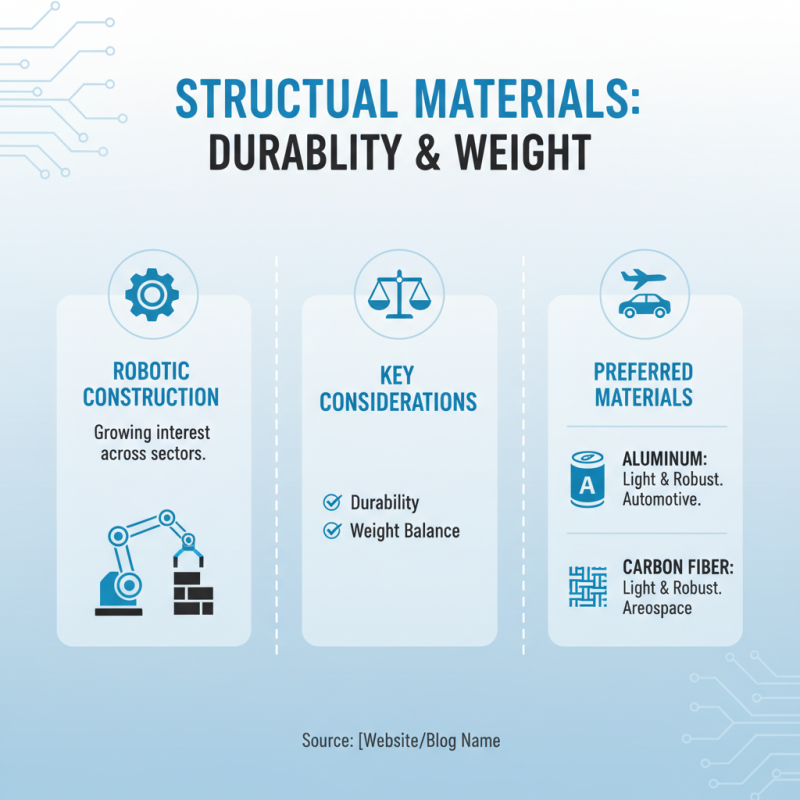
Building robots gathers interest across various sectors. The structural materials used play crucial roles in ensuring durability and weight balance. For instance, in the automotive and aerospace industries, materials such as aluminum and carbon fiber are preferred. They are light yet robust, improving performance without adding excessive weight.
When considering materials for your robot's Manipulator Parts, you must analyze trade-offs. Steel offers strength but adds weight, potentially limiting mobility. Conversely, advanced composites, while lighter, may not match steel's strength in certain applications. Industry reports suggest that over 60% of manufacturers prefer lightweight materials to enhance performance metrics. Reflecting on such statistics can guide better material choices.
Tips: Always prototype with various materials. Understand how each affects your robot's weight and durability. Consider real-world applications and stress tests. This reflection improves long-term success. Remember, the right material impacts everything from movement to lifespan. Proper analysis saves cost and time in the development phase.
At the 139th Canton Fair, sourcing high-quality actuators and motors is vital. These components are the backbone of robotic systems. They empower precise movements and control in machines across various industries. In 2022, the global actuator market was valued at approximately $38 billion. Forecasts indicate this figure will exceed $50 billion by 2028. Rapid growth signals a surge in demand.
Actuators convert energy into motion. They come in diverse types, including pneumatic, hydraulic, and electric. Each type serves specific applications. Electric actuators, for example, offer accuracy and efficiency. According to industry reports, they dominate 70% of the market share. Motors, similarly, are crucial. Brushless and stepper motors are trending due to their versatility and reliability.
However, sourcing these parts has challenges. Quality control is essential. Suppliers might cut corners, compromising performance. It’s a common issue that requires careful evaluation. Not every actuator or motor can meet strict industry standards. Buyers must remain vigilant. Understanding specifications and application needs is key. Investing time in supplier research could lead to significant gains.
| Part Type | Function | Material | Voltage (V) | Torque (Nm) | Weight (kg) |
|---|---|---|---|---|---|
| DC Motor | Rotation | Copper | 12 | 0.5 | 0.2 |
| Stepper Motor | Precise Positioning | Aluminum | 24 | 1.2 | 0.5 |
| Linear Actuator | Linear Motion | Steel | 230 | 5.0 | 1.0 |
| Servo Motor | Controlled Movement | Plastic | 6 | 0.3 | 0.1 |
The control system is crucial in modern robotics. It integrates software and hardware into a seamless unit. According to a recent report from the International Federation of Robotics, over 30% of robotic failures trace back to control system errors. This indicates a critical area to focus on when sourcing robot parts.
Developers often overlook the importance of real-time data processing. A robust control system can enhance response times. This is essential for applications like autonomous vehicles and industrial robots. Industry experts suggest that well-designed control software can improve efficiency by up to 40%. Yet, many manufacturers still struggle to integrate advanced algorithms. It raises questions about investment in training and resources.
Sourcing parts at the Canton Fair can provide opportunities to innovate. It’s a chance to explore cutting-edge sensors and programmable controllers. However, high-quality components are only part of the equation. Properly integrating these with existing systems can pose challenges. The potential for error increases with complexity. Manufacturers must be prepared to address these issues proactively. It’s a fine line between advancement and oversight in the world of Robot Robot 2.
Ensuring reliability in robotics is vital for factory automation. Safety components play a crucial role in this respect. According to recent industry reports, around 30% of robotic failures are due to safety system inadequacies. These failures can lead to expensive downtime and unsafe work conditions.
Safety sensors are essential. They detect obstacles and prevent collisions. Studies suggest that incorporating advanced safety technologies can reduce accident rates by up to 40%. However, many manufacturers overlook these components. This oversight may stem from cost concerns or lack of awareness. Investing in reliable sensors may ultimately save money in the long run.
Additionally, safety relays and emergency stop systems are fundamental. They require proper maintenance to function correctly. Neglected safety systems can create significant risks. Data shows that improperly maintained safety equipment contributes to nearly 25% of workplace injuries in automated environments. Evaluating these systems regularly could enhance safety and prevent tragedies. Balancing cost and reliability remains a challenge for many manufacturers.
Emerging trends in robot parts at the 139th Canton Fair highlight the rapid evolution of automation technology. Recent industry reports indicate that the global robotics market is projected to reach $135 billion by 2025. This surge drives demand for innovative components and advanced functionalities in robot design. Manufacturers are increasingly sourcing lightweight materials. These enhance efficiency and performance, a crucial aspect in many applications.
One vital trend is the rise in smart sensors. These devices enable robots to interact more effectively with their environments. A study shows that over 60% of robotic applications now utilize some form of sensory technology. However, quality control remains a challenge. Poorly calibrated sensors can lead to operational failures. This issue could hinder potential advancements in automation.
Another notable trend is the push for modularity in robot parts. Modular designs allow for easier upgrades and repairs. Industry analysts note that modular robotics can reduce downtime by 30%. Yet, not all suppliers provide high-quality modular components. Buyers need to tread carefully and conduct thorough evaluations. Emphasizing these emerging trends, the Canton Fair showcases a landscape ripe with opportunity and challenges in the robotic industry.
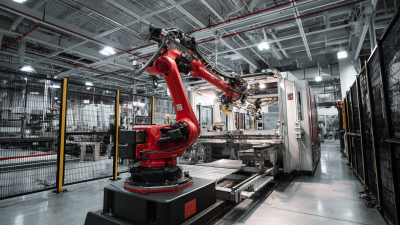
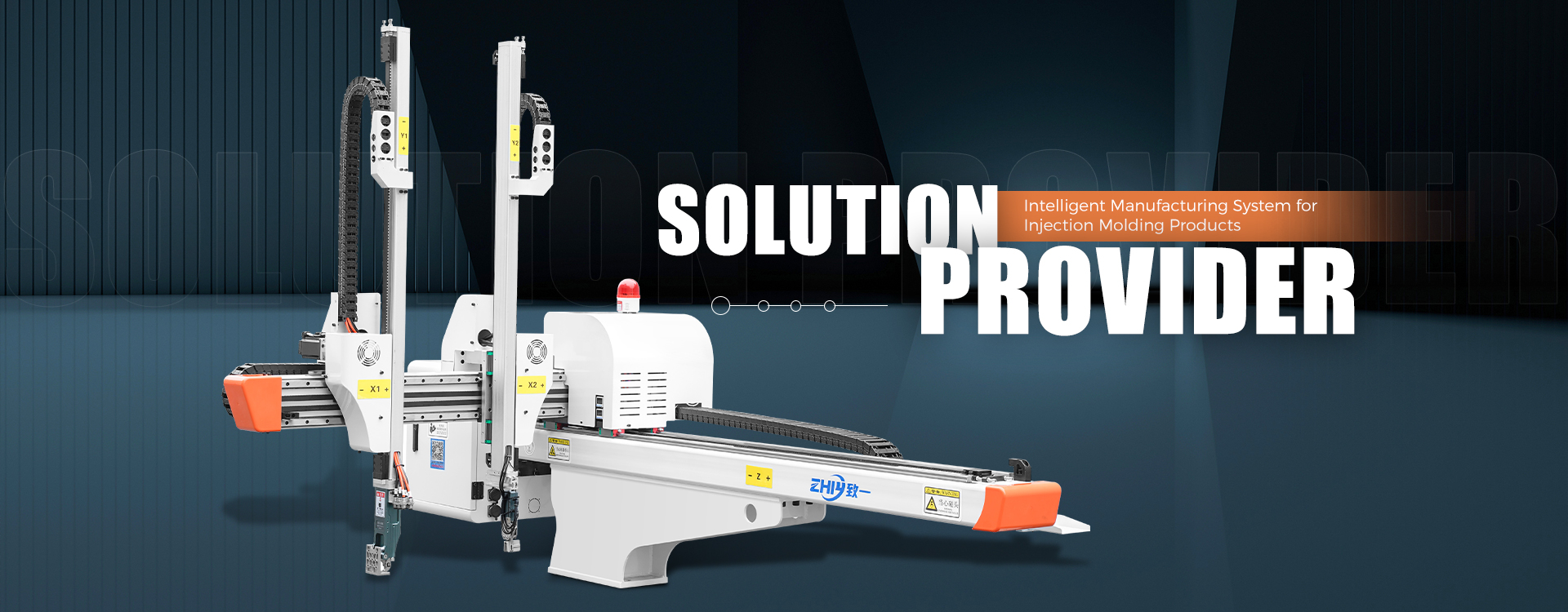
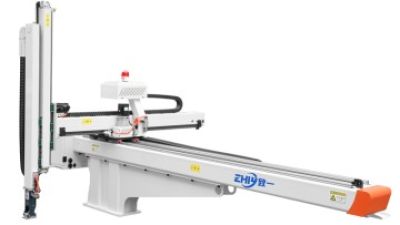
In the rapidly evolving field of injection molding machine automation, the adoption of innovative three-axis servo robots represents a significant advancement. These robots, specifically engineered for 2000T-2300T injection molding machines, are transforming production lines by enhancing efficiency and precision. With a robust load capacity and a flexible travel range, these manipulators are versatile enough to meet the varying demands of different industries including automotive, home appliances, and industrial products.
One of the key advantages of our three-axis servo manipulators is their high-precision control, which not only streamlines operations but also minimizes the potential for errors during production. This level of accuracy is crucial in industries where the quality of components directly impacts the final product. Additionally, reducing labor costs through automation allows manufacturers to allocate resources more effectively, ultimately leading to increased profitability and competitiveness in the market. By integrating these advanced robots into their production processes, businesses can maximize output while ensuring consistent quality in their products.
: Key components include sensors and actuators. Each part enhances robot performance uniquely.
Choose sensors with high accuracy and quick response times for better navigation.
Actuators provide precise control and high torque, essential for heavy-lifting tasks.
Always check supplier reliability and evaluate product quality carefully.
Yes, basic yet reliable components can form a solid foundation for designs.
Advanced robotics is projected to grow by 26% annually, driven by automation.
Quality sensors improve precision and responsiveness, which are vital for performance.
Sourcing high-quality components can be difficult, as not all suppliers meet standards.
Yes, robotics developers often struggle with balancing quality and affordability.
Regular audits of selected components can help optimize systems effectively.
The 139th Canton Fair presents a unique opportunity for sourcing essential robot parts that are crucial for the advancement of robotics technology. Key components include a wide range of electronics and sensors that enhance the functionality of robotic systems, as well as structural materials that prioritize both durability and weight considerations. Actuators and motors are pivotal in powering robotic movements, while control systems play a vital role in integrating software with hardware for seamless operation.
Moreover, safety components are integral in ensuring reliability and effective operation in various environments. The fair also highlights emerging trends in robot parts, showcasing innovative solutions that could shape the future of robotics. As robotics continues to evolve, the Canton Fair serves as a significant platform for manufacturers and developers seeking to enhance their products with the latest technologies in robot parts.