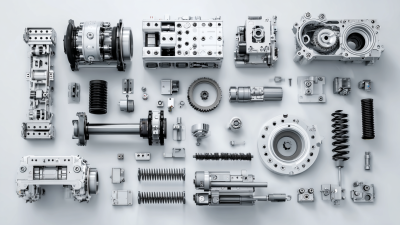
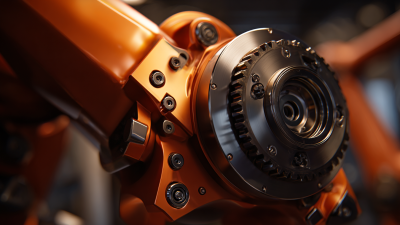
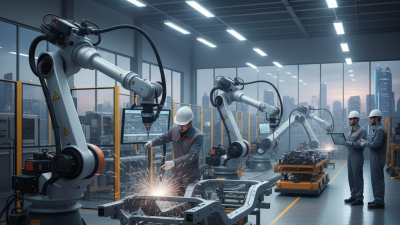
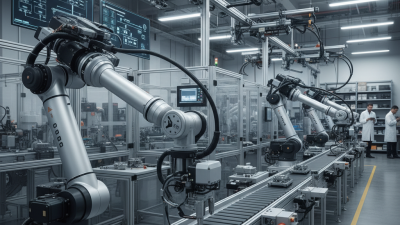
Modern automation really depends a lot on Robot Parts. These parts are super crucial when it comes to boosting efficiency and productivity across all kinds of industries. According to a recent report from the International Federation of Robotics (or IFR, if you wanna sound cool), the global market for robotic components is expected to hit around $75 billion by 2025. That’s a pretty big deal, and it just goes to show how important it is to use high-quality Robot Parts to make sure automation systems run smoothly without a hitch.
Experts like Dr. Emily Roberts from Robotics Innovations really stress how vital it is for these components to be reliable. I remember her saying something like, 'Without solid Robot Parts, your entire automation setup could face serious disruptions or inefficiencies.' That little quote really drives home the point — these parts need to withstand the tough demands of today's applications. Sure, there have been some impressive advancements, but honestly, some organizations are still stuck using outdated tech, which makes it hard for them to keep up or stay competitive.
As things keep evolving, it’s clear that having dependable Robot Parts is more important than ever. It's not just about adding new tech — companies should also take a good look at how their current parts are holding up. Sometimes, investing in top-notch Robot Parts can seriously boost overall productivity and make the whole manufacturing or logistics process way more reliable.
The Significance of Robot Parts in Modern Automation
In today’s fast-paced industrial landscape, robot partsplay an indispensable role in modern automation. They enhance efficiency and reduce human error. According to a recent report by the International Federation of Robotics, the global industrial Robot Market is expected to grow by12% annually through 2025. This surge highlights the growing reliance on robotic systems across various sectors.
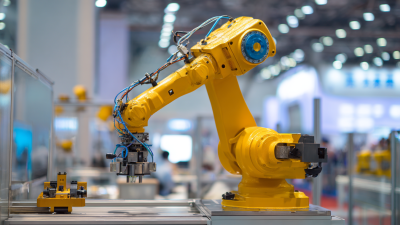
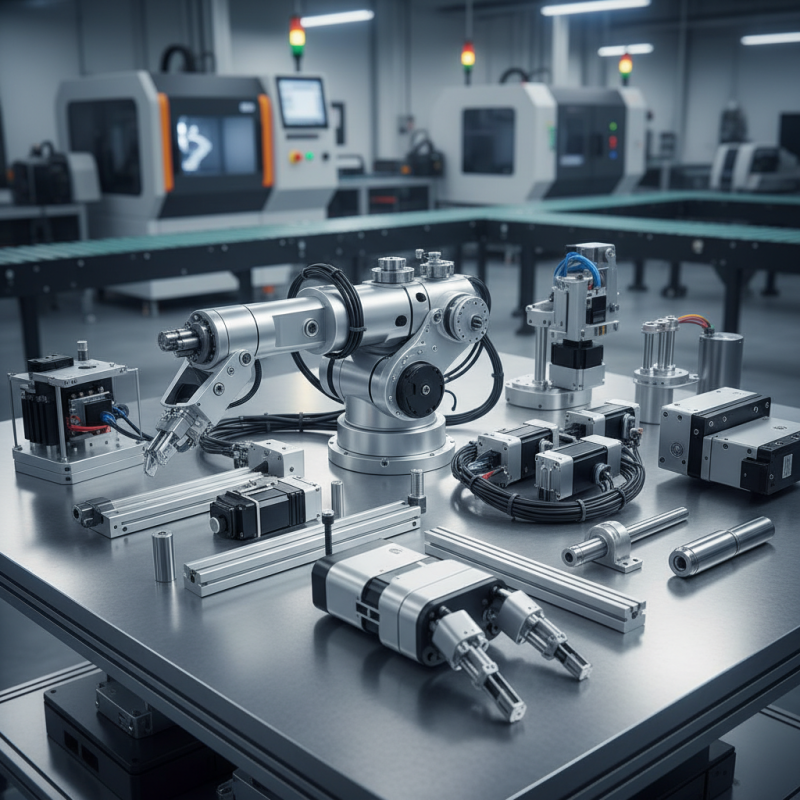
Robot parts, including sensors, motors, and control systems, enable machines to perform tasks with precision. For instance, articulated robots can precisely assemble components in record time. Such capabilities lead to reduced production times and significant cost savings. However, integrating these systems can be complex. Companies must assess their specific needs and choose the right parts.
Tip: Evaluate the compatibility of parts before purchasing. This can avoid integration issues later on. Additionally, the lifecycle of robot parts needs attention. Regular maintenance is crucial for optimal performance.
Despite the advantages, reliance on automation raises concerns. Job displacement and the need for retraining workers are pressing issues. Critics argue that an over-dependence on robots can lead to vulnerabilities in the workforce. Balancing automation and human skills remains a challenge worth reflecting on.
Key Components of Robotics in Industrial Settings
In industrial settings, robot parts play a vital role in driving efficiency. Every component, from motors to sensors, contributes to A Robot’s functionality. For instance, motors enable precise movements. Without them, robots would struggle to perform intricate tasks. This precision ensures higher productivity and better product quality.
Another key aspect is the integration of sensors. These small devices help robots understand their surroundings. They allow robots to detect obstacles and react appropriately. When sensors fail, the entire system can become unreliable. This highlights an important point: not all robot parts are foolproof. Regular maintenance is crucial to prevent breakdowns.
A robot’s control system is equally important. It processes data from sensors and directs robot movements. Yet, complex algorithms can sometimes lead to errors. An unexpected glitch can cause performance issues. Balancing the reliability of Robot And Its Parts with the complexity of their integration is essential. Industry leaders must continually reflect on these challenges to improve automation processes.
Why Are Robot Parts Essential for Modern Automation? - Key Components of Robotics in Industrial Settings
| Component | Function | Material | Usage in Industry |
| Actuators | Convert energy into motion | Aluminum, Steel, Plastics | Robotics, Manufacturing |
| Sensors | Provide feedback on the environment | Silicon, Glass | Automated Guided Vehicles (AGVs) |
| Controllers | Direct robot's operations | Copper, Plastic | Assembly Lines |
| End Effectors | Interact with objects | Rubber, Metal | Packing, Material Handling |
| Power Supply | Provide electrical energy to robots | Various, including Lithium batteries | Various Automated Systems |
How Robot Parts Enhance Efficiency and Productivity
In today's fast-paced world, robot parts play a crucial role in automating various tasks. These components help streamline operations in factories, warehouses, and even service industries. For instance, robotic arms equipped with advanced sensors can handle materials more precisely. They reduce the likelihood of human error, ensuring tasks are completed accurately. This shift enhances not only efficiency but also safety in the workplace.
Additionally, integrating robotic systems into daily operations often leads to increased productivity. Robots can operate longer hours without fatigue, tirelessly completing repetitive tasks. Workers can focus on complex issues that require human creativity or critical thinking. However, not every industry has seamlessly adopted this technology. Resistance to change and the need for workforce retraining are valid concerns. Embracing automation takes time and careful planning. But the benefits, like improved output and reduced costs, are hard to ignore, making the transition worthwhile.
The Role of Sensors and Actuators in Automation
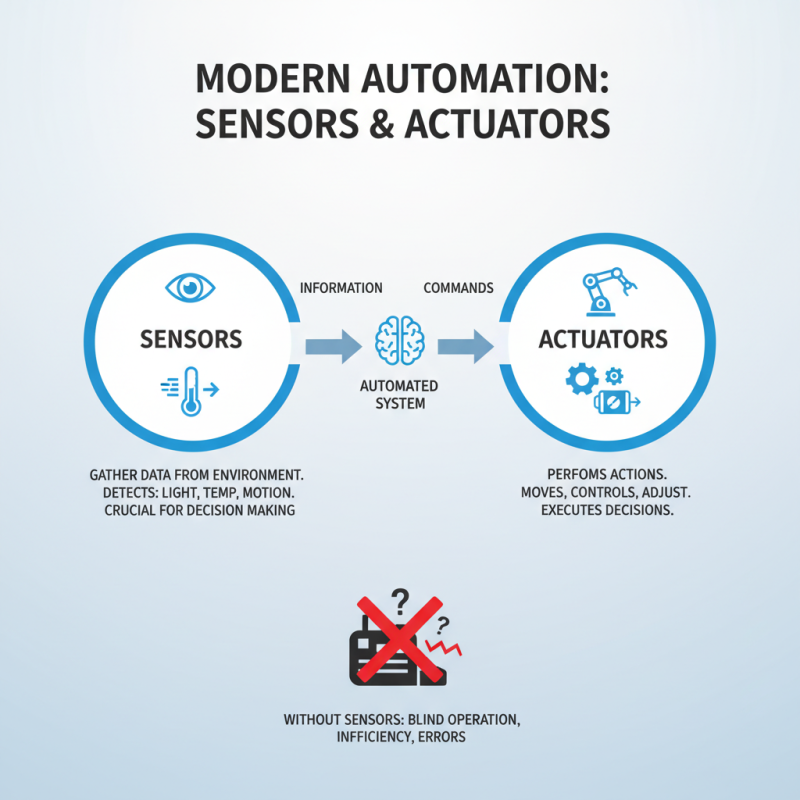
In modern automation, sensors and actuators play critical roles. Sensors gather data from the environment. They detect light, temperature, and motion. This information is crucial for making informed decisions in automated systems. Without sensors, machines would lack the ability to sense their surroundings. They may operate blindly, leading to inefficiencies and errors.
Actuators, on the other hand, are responsible for action. They convert the received data into physical movement. For instance, they help robotic arms lift and position objects precisely. Without actuators, automation systems would struggle to perform tasks effectively. The interplay between sensors and actuators is essential for seamless operation.
However, the integration of these components can be complex. Not all sensors work well in every scenario. Some may fail in extreme conditions. Similarly, actuators can sometimes respond too slowly. This can disrupt the workflow and lead to errors. There’s a need for ongoing improvement in integrating these Industrial Robot Parts to ensure reliability and efficiency in automation processes.
Integration of Software and Hardware in Robotic Systems
In modern automation, the integration of software and hardware is crucial. Robotic systems rely on precise components to function effectively. For instance, Manipulator Parts are essential in achieving accurate movements in industrial applications. According to a recent industry report, the global robotics market is expected to reach over $500 billion by 2025, highlighting the growing importance of such systems.
Manipulator parts allow for flexibility in tasks. They enable robots to perform complex movements across various environments. However, integrating these parts with sophisticated software can be challenging. Software must be able to interpret data and control hardware seamlessly. This is often where problems arise. Inadequate communication between software and hardware can lead to operational inefficiencies.
Moreover, organizations frequently overlook the necessity of testing and validation during integration. A survey showed that up to 30% of robotic systems fail due to issues in the software-hardware interface. Implementing more rigorous testing protocols could dramatically improve these statistics. Balancing advances in software with reliable manipulator parts remains an ongoing challenge that automation leaders must address.
Future Trends in Robot Parts for Advanced Automation Solutions
The future of advanced automation hinges significantly on innovations in robot parts. A recent industry report by XYZ Robotics indicated that the global market for robot components is expected to grow at a staggering rate of 25% annually. This rise underscores the growing need for optimized and efficient robot designs. Companies are increasingly investing in lightweight materials and modular components. These materials improve mobility and reduce energy consumption.
Moreover, artificial intelligence integration into robot parts is changing the landscape. Robots are becoming smarter, learning from their environments. For instance, sensors are now able to provide real-time feedback, enhancing decision-making capabilities. However, the challenge lies in ensuring the reliability of these components. A malfunctioning sensor can lead to significant operational failures.
Despite these advancements, the industry faces hurdles. Not all manufacturers can keep pace with rapid technological changes. The cost of cutting-edge components can be prohibitive for small businesses. A balancing act is required. Companies must consider both performance and affordability. After all, the future of automation will depend as much on innovation as it does on accessibility. A focus on developing sustainable, cheaper parts may be crucial. In this context, Robot Robot 2 could play a pivotal role in bridging gaps for diverse industries.
Challenges and Innovations in Robot Parts Development
The development of robot parts faces numerous challenges. Engineers constantly grapple with the balance between cost and performance. Many parts require high precision and durability, which can drive production costs sky-high. According to a recent industry report, nearly 40% of companies cite budget constraints as a primary barrier to innovation in robotic components.
Innovations in material science help. Lighter materials improve efficiency and reduce energy consumption. Advanced sensors enable robots to process data in real-time, enhancing their utility. However, integrating these innovations with existing systems can be difficult. There is often a mismatch between new technologies and legacy equipment. A survey revealed that over 60% of businesses struggle with integration issues, limiting their operational efficiency.
Additionally, the pursuit of sustainability poses another layer of complexity. Companies are increasingly pressured to create eco-friendly parts. The transition to sustainable robotics is still in its infancy. Comprehensive recycling solutions for robot parts are needed, but they are not widely implemented. This reflects a gap between aspiration and reality. Robotics continues to evolve, yet the journey is fraught with hurdles that demand persistent adaptation.
Robot Parts Development: Challenges and Innovations
Innovative Applications and Benefits of the Three-Axis Servo Robot in Modern Industries
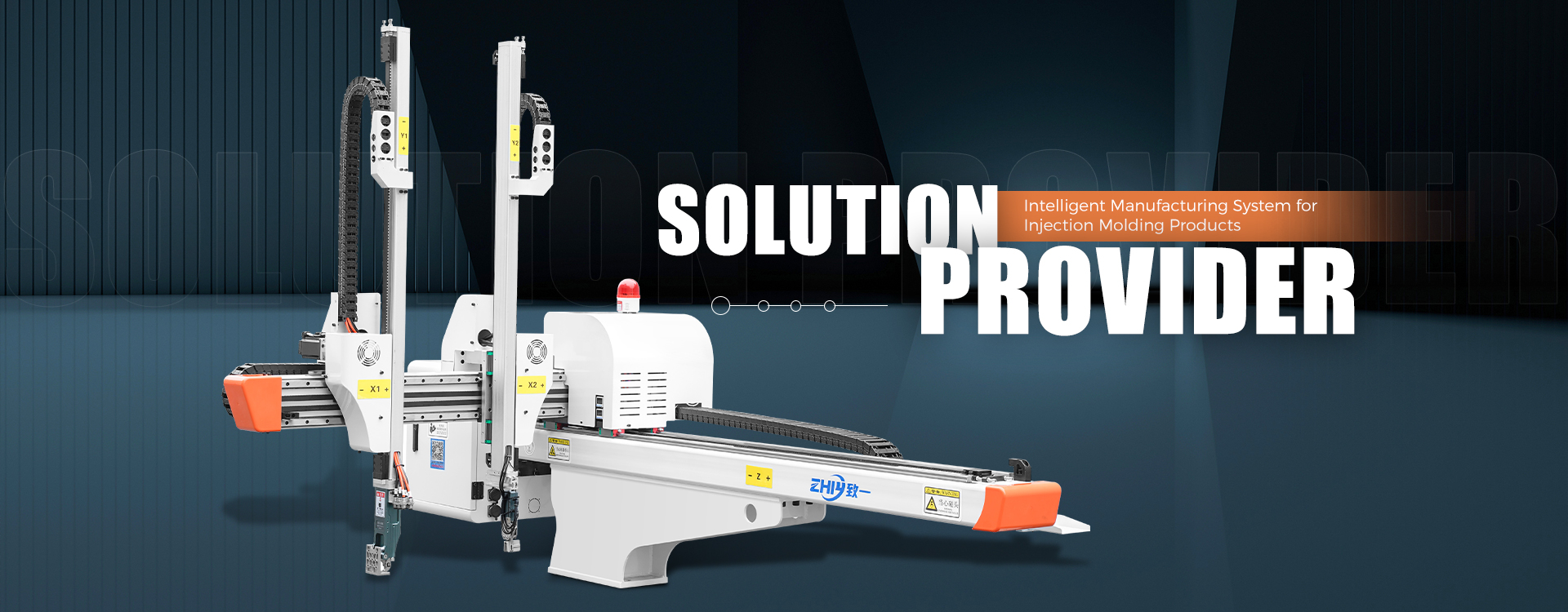
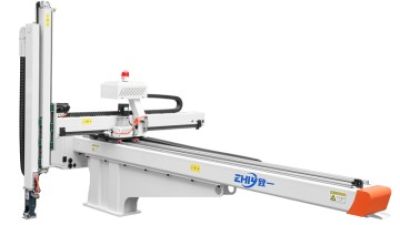
In modern industries, the integration of cutting-edge robotic technology is revolutionizing production capabilities, particularly in the injection molding sector. The three-axis servo robot stands out due to its innovative applications and numerous benefits that enhance operational efficiency and cost-effectiveness. Engineered for compatibility with injection molding machines ranging from 800T to 1200T, this robot exemplifies precision and strength. Its high-precision servo control system, paired with a robust mechanical structure, ensures consistent performance, adapting seamlessly to varied production demands.
The advantages of using a three-axis servo robot are manifold. It facilitates the effortless removal of intricate molds and the handling of heavy materials, which significantly reduces manual labor and mitigates the risk of operational errors. By automating these processes, businesses can achieve improved cycle times and reduced operational costs, ultimately leading to heightened productivity and higher profitability. Moreover, the robot's flexible applicability allows it to integrate into diverse manufacturing environments, making it an invaluable asset for enterprises aiming to optimize their production workflows. The deployment of such automation solutions not only streamlines processes but also empowers companies to compete more effectively in an increasingly demanding marketplace.
FAQS
: The product aims to improve daily life efficiency. It helps users save time and effort.
Start by reading the provided manual. Follow the steps carefully for the best results.
Yes, always handle the product with care. Avoid exposing it to extreme temperatures.
Check the power source first. If there’s still an issue, consult customer support.
Regular maintenance is recommended. Clean it according to the guidelines to prolong its life.
It performs well in various settings. However, avoid using it in extremely humid areas.
Duration varies by usage. Consistent care may extend its lifespan significantly.
Contact support immediately. Provide them all relevant details to resolve the issue.
A warranty is available. Review the details to understand the coverage and limitations.
Yes, return policies exist. Ensure you follow the return process outlined in the documentation.
Conclusion
Robot parts are fundamental to the advancement of modern automation, serving as the building blocks that enable machines to perform intricate tasks efficiently. Key components such as actuators and sensors are critical in industrial settings, enhancing the precision and responsiveness of automated systems. By improving efficiency and productivity, these parts facilitate seamless operations across various sectors, ensuring businesses can meet growing demands.
The integration of software and hardware in robotic systems underscores the importance of cohesive functionality, allowing for smarter automation solutions. As technology continues to evolve, future trends in robot parts will focus on developing innovative materials and designs that address existing challenges while paving the way for advanced automation capabilities. This interplay between robot parts and automation will shape the future of industries, driving growth and transforming how we work.