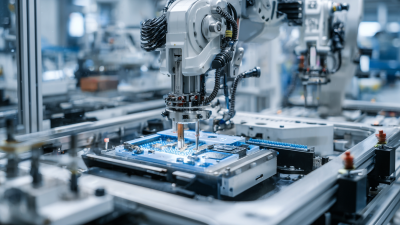
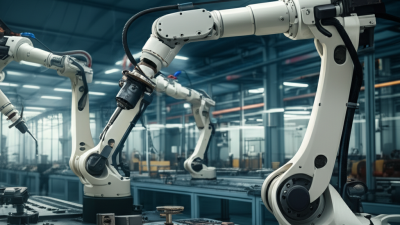
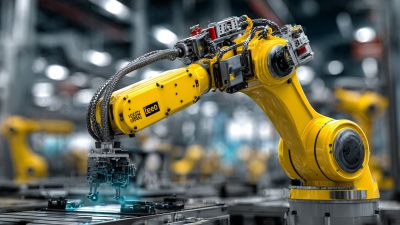
Lately, you've probably heard a lot about Industrial Mechanical Armsand how they're changing the game across different industries. Honestly, their accuracy and speed have really reshaped manufacturing processes. Dr. Emily Tran from Advanced Robotics Solutions even says, "Industrial Mechanical Arms enable companies to hit incredible levels of productivity." But, let’s be real — bringing this tech into everyday work isn’t always smooth sailing.
A lot of businesses are jumping on the bandwagon to boost their output. These arms are fantastic for handling repetitive tasks, cutting down human errors and preventing employee fatigue. Still, getting everything up and running takes time, some training, and of course, investment. Not everyone finds it easy to make the switch — some industries face quite a bit of resistance at first. And let's not forget, for smaller companies, the costs can be a real barrier, which means not everyone has access to this cool tech yet.
That said, despite those hurdles, it’s pretty clear how much this technology can open up new doors for innovation. They make workplaces safer, especially where things can get a little risky. As organizations figure out how to handle the challenges, the upside—like increased efficiency and new possibilities—can really change how they operate. Looking ahead, the future of manufacturing is definitely leaning more and more on these advanced systems, which means a mix of technical know-how and a bit of willingness to try new things is key.
Understanding Industrial Mechanical Arms and Their Applications
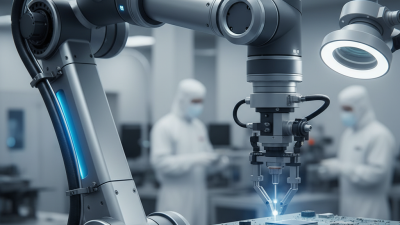
Industrial Mechanical Arms play a crucial role in various sectors. These robotic systems enhance efficiency in manufacturing and assembly tasks. Their design allows for precision and repeatability, which is essential for modern production lines. In automotive manufacturing, mechanical arms can assemble parts with incredible speed. This boosts productivity and minimizes human error.
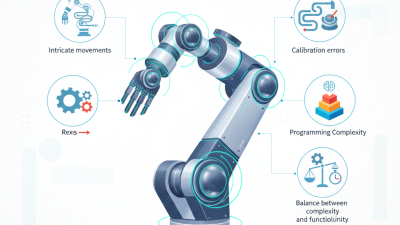
However, the implementation of mechanical arms isn't without challenges. Companies must invest in training personnel to operate these sophisticated systems. Additionally, maintenance is necessary to ensure their longevity and consistent performance. Budget constraints might hinder small businesses from adopting this technology. Yet, the potential benefits often outweigh these challenges.
In warehouses, mechanical arms are used for sorting and packaging. They handle heavy items, reducing physical strain on workers. Some businesses find that integrating these machines requires careful planning. It's important to analyze workflow to determine the best fit for operations. As industries evolve, the role of mechanical arms will likely expand, driving innovation and efficiency.
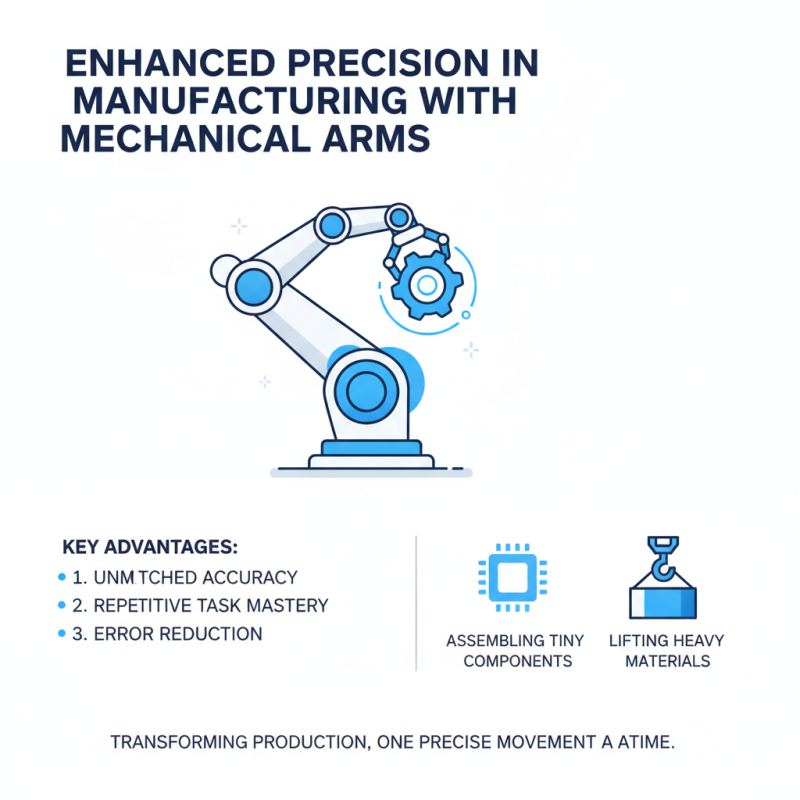
Enhanced Precision in Manufacturing with Mechanical Arms
Mechanical arms transform manufacturing by offering enhanced precision. These advanced tools perform repetitive tasks with accuracy that human hands cannot match. Whether it's assembling tiny components or lifting heavy materials, precision is crucial in reducing errors.
The integration of mechanical arms minimizes waste during production. These systems follow programmed routines that ensure uniformity. However, a reliance on technology raises concerns. Over time, machinery can develop glitches. Regular maintenance is essential to uphold quality.
Training operators to work alongside these arms is vital. Human oversight balances the operation, preventing potential mishaps. Creating a collaborative environment between machines and workers enhances overall productivity. With careful implementation, the benefits of mechanical arms can be fully realized in various manufacturing processes.
Increased Production Efficiency through Automation
Industrial mechanical arms are revolutionizing production lines. They automate repetitive tasks, which significantly boosts efficiency. By deploying these Robotic Arms, manufacturers can reduce human error. This leads to consistent, high-quality outputs, which is vital for competitive industries.
With automation comes the ability to operate 24/7. Mechanical arms can work through shifts without fatigue. This constant productivity is impressive, yet it raises questions about workforce implications. Will human jobs be replaced? It's important to address this concern while enjoying the benefits of automation.
Maintenance of these systems is crucial. While they can enhance production, they require regular checks. Downtime for repairs can negate some efficiency gains. Companies need to ensure they have skilled personnel to manage these machines. Balancing automation with a knowledgeable workforce can lead to the best outcomes.
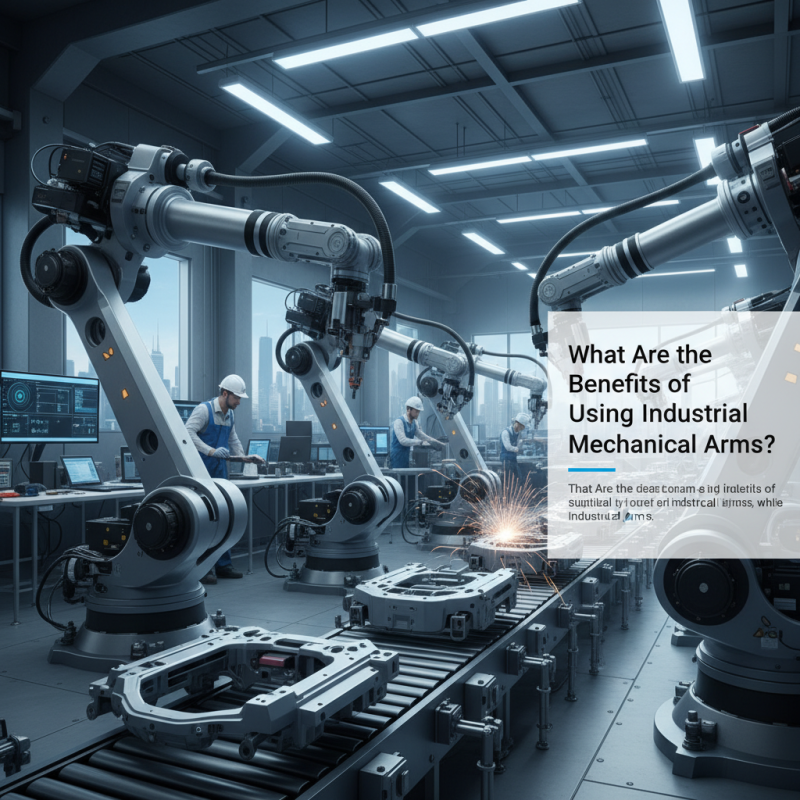
What Are the Benefits of Using Industrial Mechanical Arms? - Increased Production Efficiency through Automation
| Benefit | Description | Impact on Production Efficiency |
| Increased Speed | Mechanical arms can operate at high speeds consistently without fatigue. | Reduces cycle time, allowing for more products to be manufactured per hour. |
| Precision | Robotic arms can perform tasks with high accuracy, reducing errors. | Minimizes waste and rework, increasing overall production quality. |
| Flexibility | Modern robotic systems can be reprogrammed for different tasks. | Allows for quick changes in production lines, adapting to industry demands. |
| Cost Efficiency | Reduction in labor costs and minimized error-related costs. | Overall reduction in production costs, enhancing profit margins. |
| Safety | Robotic arms can take over dangerous tasks, reducing worker injuries. | Creates a safer working environment, potentially lowering insurance costs. |
Cost Savings and Return on Investment of Industrial Arms
The integration of Industrial Arms into manufacturing processes has shown significant potential for cost savings. A report by the International Federation of Robotics indicates that automating tasks with robotic arms can reduce labor costs by up to 40%. This figure translates to substantial savings for companies that rely on repetitive tasks. In addition, Industrial Arms minimize the chances of human error, which can lead to costly reworks. Accurate handling of materials can decrease waste by over 20%, offering another layer of financial efficiency.
Moreover, the return on investment (ROI) from Industrial Arms is compelling. Research reveals that organizations often recoup their initial investment within two years. By improving production speed and consistency, companies can boost output by up to 30%. Implementing an Industrial Arm doesn't just enhance daily operations; it positions companies to compete more effectively. However, businesses need to invest time in training staff to work alongside these technologies efficiently. Without proper integration, the full potential benefits may remain untapped. It's essential for companies to evaluate their unique needs and carefully strategize the deployment of Industrial Arms for optimal outcomes.
Versatility of Mechanical Arms in Various Industries
Mechanical arms have revolutionized multiple industries with their versatility. In manufacturing, these arms automate repetitive tasks. They provide precision and speed that human workers may struggle to achieve. Parts can be assembled more quickly and accurately, reducing errors and improving overall efficiency.
In the medical field, mechanical arms assist in surgeries. They allow for greater dexterity and control in complex procedures. Surgeons can perform intricate tasks that require a steady hand. Yet, reliance on technology raises questions about skill retention. Will future surgeons lose their manual dexterity?
The agricultural sector also benefits from mechanical arms. They can handle delicate crops without damaging them. Tasks like planting and harvesting are done faster than ever. However, there are concerns about job displacement in rural areas. As more tasks become automated, the need for traditional labor might decline. Balancing innovation with employment remains a challenge.
Safety Improvements in Workplaces with Industrial Arms
Safety improvements are at the forefront of adopting Industrial Robot Arms in various workplaces. These robotic systems are programmed to handle tasks that pose risks to human workers. By taking on repetitive or hazardous tasks, they greatly reduce workplace injuries. This shift allows employees to focus on more skilled roles. Using Industrial Robot Arms decreases accidents linked to human error, promoting a safer environment.
However, reliance on technology comes with considerations. The implementation of Industrial Robot Arms requires proper training and oversight. A poorly designed system can lead to operational hazards, defeating the purpose of safety. Monitoring and routine maintenance are crucial to ensure these systems function correctly. Humans must remain vigilant, as over-reliance could create complacency. It’s essential for workplaces to foster a culture of safety alongside technological advancements. Balancing robotics and human oversight is vital for maximizing safety benefits.
Future Trends in Industrial Mechanical Arm Technology
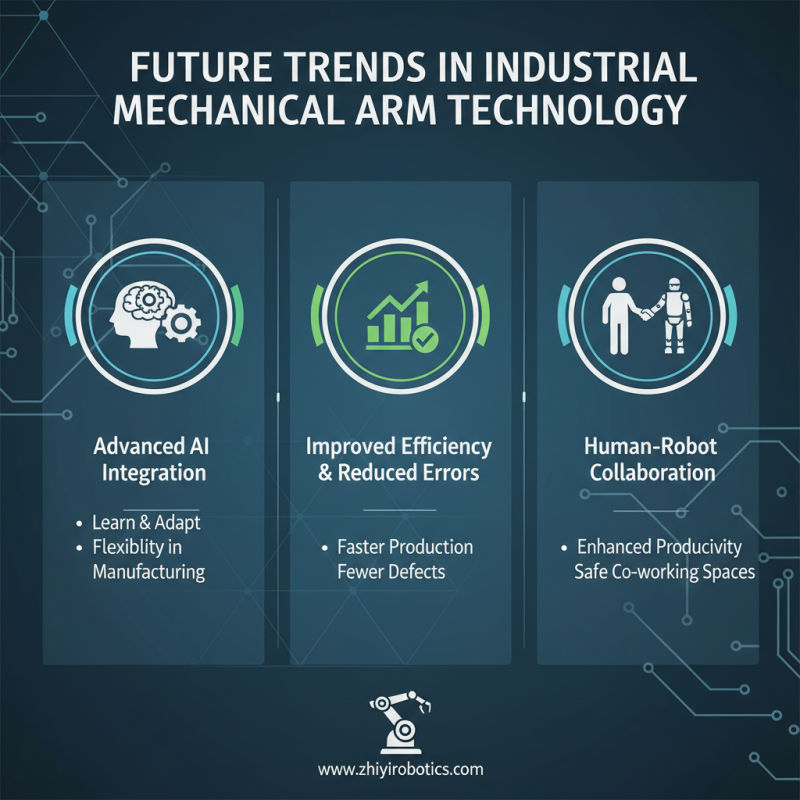
Future trends in industrial mechanical arm technology are promising. With advanced AI integration, these arms can learn and adapt to different tasks. This creates flexibility in manufacturing processes. Industries can expect improved efficiency and reduced errors. Human-robot collaboration is also on the rise. This trend allows operators to work alongside Industrial Robotic Arms, enhancing productivity.
Tips: Ensure regular maintenance of your robotic arms. Regular checks can extend their lifespan and efficiency. Training programs for operators will maximize the benefits of these technologies.
The focus on sustainability is changing the design of these arms. Future models will likely use eco-friendly materials and energy-efficient systems. This shift signals a commitment to greener manufacturing practices. However, the costs of implementing new technologies can be high. Companies must weigh the benefits.
Tips: Consider the initial investment against long-term savings. Engage with experts to understand the potential return on investment for your operations. Adopting new technologies is not without challenges. Keeping pace with rapid advancements requires ongoing education and adaptation.
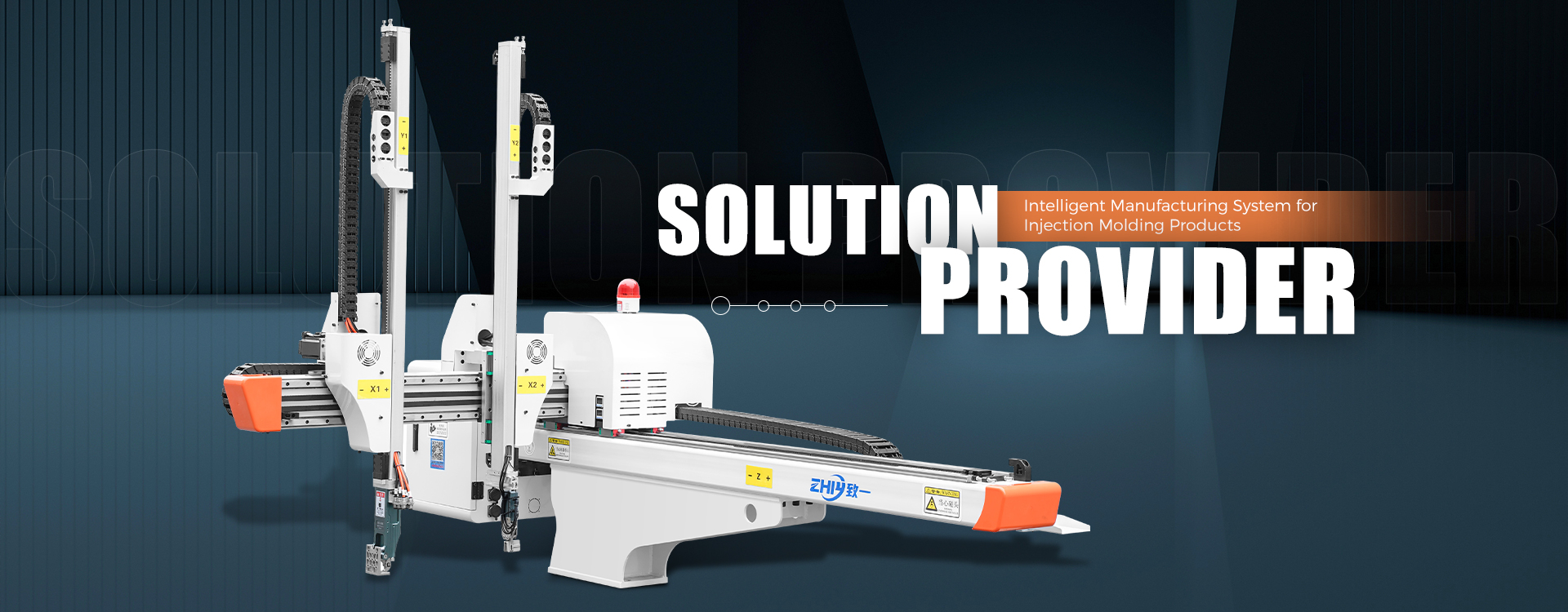
Optimizing Efficiency in Injection Molding: The Role of 3-Axis Silicone Servo Controlled Robotic Arms in Industry 4.0
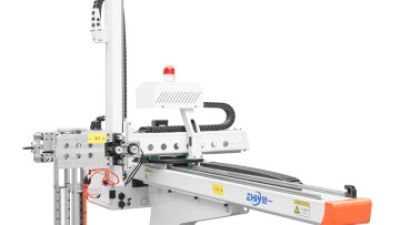
In the rapidly evolving landscape of Industry 4.0, optimizing efficiency in injection molding processes is paramount. One of the most significant advancements is the introduction of 3-axis silicone servo-controlled robotic arms. These systems are tailored to enhance the automation and precision necessary for modern manufacturing environments. By integrating advanced servo control technology, these robotic arms offer exceptional precision, stability, and responsiveness—essential attributes for maximizing productivity in injection molding operations.
The design of a typical 3-axis silicone servo-controlled robot arm, for instance, caters primarily to medium-sized injection molding machines, featuring an impressive stroke capacity for effective maneuverability. With a load capacity that supports the handling of various injection-molded products, these robotic arms streamline tasks such as removal, transportation, and placement, significantly reducing cycle times. By automating these processes, manufacturers can expect not only increased efficiency but also a reduction in labor costs and the potential for higher output quality, which ultimately contributes to greater operational success.
As industries strive to adopt smart manufacturing practices, the role of such robotic arms becomes even more critical. They exemplify the shift towards intelligent automation, where precision and adaptability are key. By embracing these technologies, organizations can ensure they remain competitive in a market that increasingly demands efficiency and innovation. The adoption of 3-axis silicone servo-controlled robotic arms marks a significant step towards achieving a seamless and productive injection molding operation within the Industry 4.0 framework.
FAQS
: Mechanical arms are used in manufacturing, medicine, and agriculture. They enhance efficiency and precision in these fields.
They automate repetitive tasks, resulting in faster assembly and reduced errors. This boosts overall operational efficiency.
They provide surgeons with greater dexterity and control in complex procedures. However, there are concerns about skill retention.
Yes, automation might lead to job displacement in rural areas. Balancing innovation and employment is a challenge.
They handle hazardous tasks, reducing workplace injuries and allowing workers to focus on more skilled roles.
Proper training and regular maintenance are essential. Over-reliance on technology can lead to complacency.
Future models will feature AI integration, allowing adaptability and collaboration with human operators to improve productivity.
There's a push for eco-friendly materials and energy-efficient systems in new designs. However, costs can be a concern.
Regular checks can extend the lifespan of robotic arms, ensuring they operate efficiently over time.
Assess the initial investment and potential long-term savings. Engage with experts to understand ROI for operations.
Conclusion
Industrial Mechanical Arms play a crucial role in modern manufacturing and various industries by enhancing precision and efficiency. These advanced robotic systems facilitate improved accuracy in production processes, enabling businesses to achieve higher quality output. With the incorporation of automation, Industrial Mechanical Arms significantly boost production rates, leading to better operational efficiency and increased competitiveness.
Moreover, the use of Industrial Mechanical Arms contributes to substantial cost savings and a favorable return on investment. Their versatility allows for application across multiple sectors, from automotive to electronics, adapting to various tasks with ease. Additionally, these mechanical solutions promote safety in the workplace by taking over hazardous tasks, reducing the risk of injury for human workers. As technology evolves, the future of Industrial Mechanical Arms continues to promise innovative advancements that will further transform industrial operations.