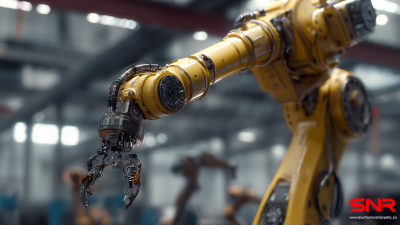
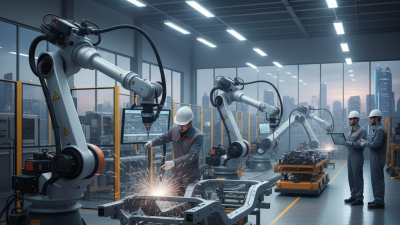
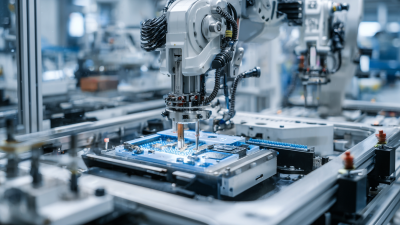
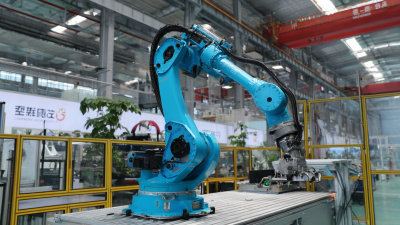
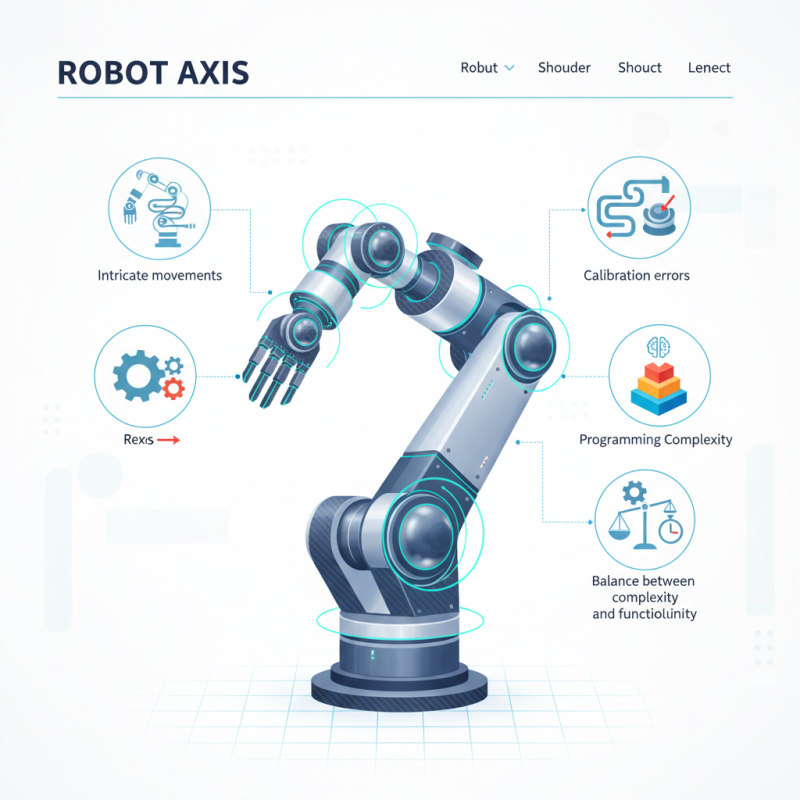
In today’s fast-changing world of automation, the idea of a Robot Axisis more important than ever. Basically, it refers to the specific points around which Robotic Arms rotate and move. Getting a good grip on how these axes work can seriously boost efficiency across different industries. Companies like ABB and KUKA depend on super precise movements to handle everything from welding jobs to packaging.
The cool thing about Robot Axes is that they allow robots to make pretty intricate movements, almost like they’re mimicking human dexterity. Each axis adds a bit of complexity, which actually helps the robot do more specific tasks. For example, a six-axis Robot Can easily follow a path to reach various spots. But, it’s also worth thinking about some potential pitfalls.
If calibration isn’t spot-on, it could slow things down and hurt productivity. Plus, adding more axes can make programming more complicated, which might lead to more downtime. As industries keep leaning into automation, it’s really important to find the right balance between making things complex enough to do the job well and keeping everything manageable. Overall, the Robot Axis can help operations run much smoother — but it definitely needs careful planning and handling to get it right.
What is a Robot Axis?
A robot axis refers to the different degrees of freedom a robotic arm has. Each axis enables movement in various directions. For instance, a 5 Axis Robot can rotate and extend in multiple ways. This flexibility is crucial for complex tasks. Whether it's assembling components or painting surfaces, the robot must adjust its position accurately.
Understanding the robot axis is vital for designing effective automation solutions. Each axis must be calibrated properly. Any misalignment can lead to errors in tasks. That’s why engineers often focus on precision. However, mistakes during calibration can cost time and resources.
In practical terms, a 5 Axis Robot allows for intricate operations. It can navigate tight spaces with ease. However, the learning curve is steep. Beginners may struggle with programming these movements. Despite advancements in technology, achieving perfection in robotics is challenging. Balancing complexity and control remains an ongoing task.
Robot Axis Specifications
This chart illustrates the degrees of freedom for different robot axes, showcasing how each axis contributes to the robot's overall mobility and functionality.
Types of Robot Axes in Robotics
Robot axes are crucial in robotics for movement and operation. A robot axis refers to a rotational or linear movement point in a robotic arm or system. Generally, robots can have multiple axes, which enable them to perform intricate tasks. Each axis provides a different degree of freedom, affecting the robot's operational capabilities.
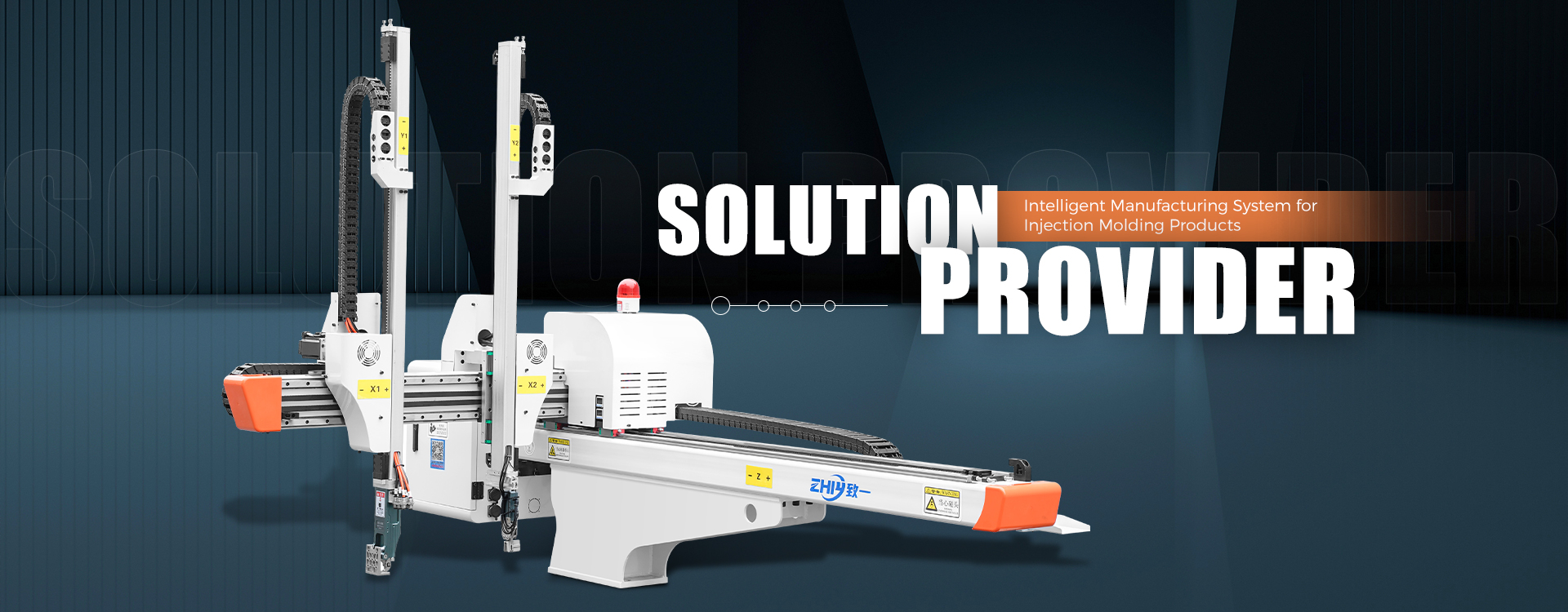
There are several types of robot axes. The most common configurations include the Cartesian, polar, cylindrical, and articulated axes. Cartesian robots utilize three linear axes to position their end effectors in a straight line. This design is preferred for applications like exact pick-and-place tasks.
Polar robots, on the other hand, combine rotational and linear movements, which allows for a broad work envelope. According to industry reports, articulated robots, often found in manufacturing, typically have six or more axes, leading to higher flexibility and reach. This type can manipulate complex objects but poses challenges in programming and maintenance.
Not all robot axes perform equally well in every scenario. Articulated robots, while highly versatile, can be complicated to program. Issues with calibration can lead to decreased accuracy. Polar robots may struggle in tight spaces. Each robot type must be evaluated for specific tasks, emphasizing the importance of thoughtful selection and design in robotic applications.
Understanding the Degrees of Freedom in Robotics
Understanding the degrees of freedom in robotics is essential for designing versatile machines. A robot's axis refers to the joints that allow motion. Each axis contributes to the robot's ability to carry out tasks in different orientations. Generally, the more axes a robot has, the greater its flexibility.
Take a 4 Axis Robot as an example. It can move along four distinct axes, allowing it to perform complex movements. This robot can rotate, lift, and reach with precision. However, creating systems with more degrees of freedom can lead to challenges. For instance, increased complexity can lead to coordination issues.
It's often difficult to manage the intricacies of motion. This requires advanced programming and control strategies. Designers must frequently revisit their plans. Achieving a balance between flexibility and operational simplicity is key. Understanding these dynamics is crucial for refining robotic designs.
How Robot Axes Contribute to Motion Control
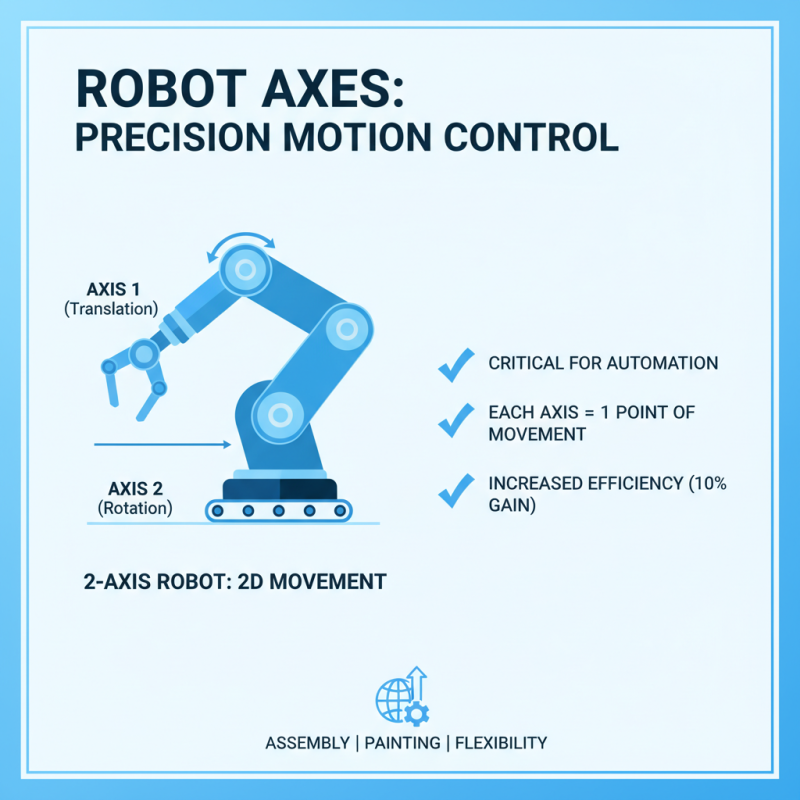
Robot axes are critical for precise motion control in automation and robotics. Each axis represents a point of movement. For example, a 2 Axis Robot can move in two dimensions, usually translating and rotating. Such configurations allow for flexibility in tasks ranging from assembly to painting. Reports indicate that robotics companies see a 10% increase in efficiency when utilizing well-defined axes.
Motion control is all about finesse. Each robot axis must be calibrated properly. Imperfections in axis alignment can lead to errors. When a 2 Axis Robot miscalculates its coordinates, the result can be messy. Precision matters, especially in fields like manufacturing. According to industry studies, small deviations can cost companies thousands in wasted materials and time.
Colleagues in the field often emphasize ongoing training for staff handling robotic systems. Errors in operation can stem from a lack of understanding of axis functionality. A robot may look sophisticated, but it relies heavily on human input. Continuous learning and improvement are essential for effective performance. Often, companies overlook these details, leading to mishaps on the factory floor.
The Role of Robot Axes in Industrial Automation
In industrial automation, robot axes play a crucial role. They allow machines to perform tasks with precision and flexibility. Each axis enables movement in different directions. Typically, a robot has six axes. This configuration helps in achieving complex motions.
When designing a robotic system, consider the range of motion. Some tasks require extensive flexibility. Others need more stability. Each project has unique demands. It's important to choose the right number of axes. Investing in more axes can enhance performance. However, this may increase costs. Balancing quality and price is essential.
Tips: Test different setups before finalizing. Small changes in the axes can result in improved efficiency. Monitor performance during operations. Adjustments might be necessary. Sometimes, systems are not perfect. Reflect on the outcomes to enhance future designs. A thoughtful approach can lead to significant advancements in automation strategies.
Examples of Robotic Applications Utilizing Axes
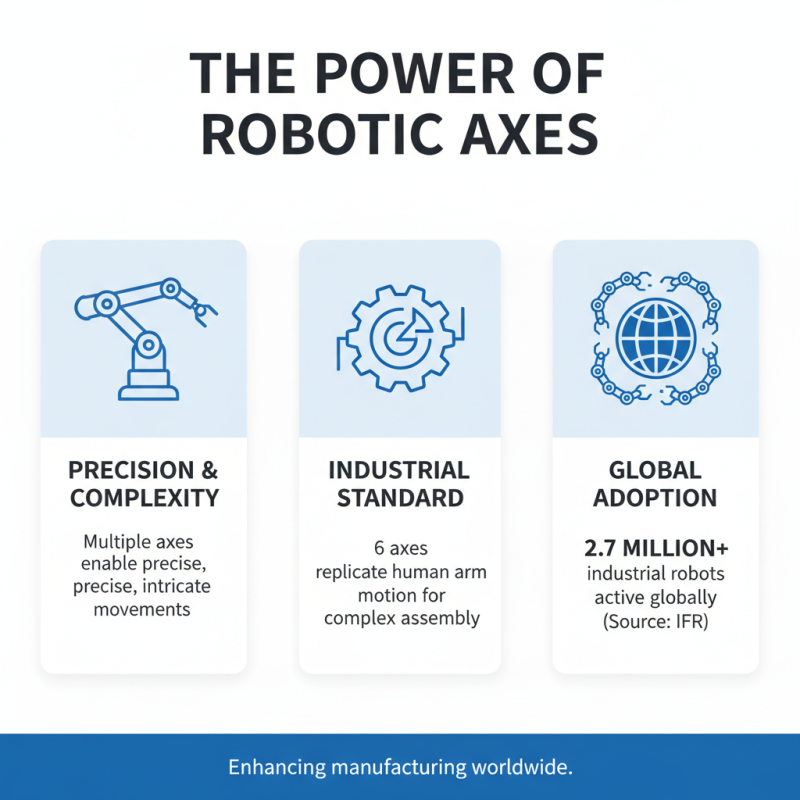
The use of robotic axes plays a crucial role in various applications. Robotic arms typically have multiple axes of movement, allowing for precise and intricate tasks. For instance, industrial robotics often utilize six axes to replicate human arm movements, which enhances their capability to perform complex assembly tasks. According to a report from the International Federation of Robotics, around 2.7 million industrial robots are currently active worldwide, underscoring their widespread adoption in manufacturing.
In healthcare, robotic systems equipped with varying axes are making surgeries more accurate. Surgical robots can have up to eight degrees of freedom, which allows them to maneuver in tight spaces. These systems reduce recovery times for patients while improving surgical outcomes. A study by the American College of Surgeons found that robotic-assisted surgeries can lead to less blood loss and fewer complications compared to traditional methods.
**Tip:** When designing robotic applications, consider the type of movement required. More axes can provide flexibility but can complicate the design.
Robotic arms used in agriculture also showcase the versatility of axes. These robots can plant, harvest, and package crops efficiently. Data suggests that the use of robots in agriculture could increase productivity by up to 30%. However, some challenges remain. Budget constraints and the complexity of integrating robots into existing workflows can hinder progress.
**Tip:** Always review the operational environment for potential obstacles that might affect robotic efficiency.
Factors Affecting Robot Axis Performance and Design
The performance and design of a robot's axis are influenced by several factors. One critical factor is the precision required in robotic tasks. The tolerances in manufacturing can affect the robot's ability to perform accurately. For instance, in an automotive assembly line, even a millimeter of deviation can result in significant compatibility issues. A study showed that 70% of robotic systems failed due to alignment errors. Ensuring optimal gear ratios and motor capabilities can mitigate such risks.
Another element impacting robot axis performance is the load capacity. Robots designed for heavy-duty tasks, such as lifting, require robust materials. Lightweight robots, while efficient in speed, often struggle under heavy weights. Research indicates that 40% of robotic failures in industrial applications stem from exceeding load limits. This presents a dilemma; designers must find a balance between strength and flexibility in a Robot 3 Axis system. Overly rigid designs can limit motion, while overly flexible structures may fail under stress.
Environmental conditions also play a role in the effectiveness of robot axes. Robots used in hot or humid settings may require special coatings to prevent corrosion. A staggering 25% of robot breakdowns can be attributed to adverse environmental impacts. Frequent monitoring and adaptation are crucial to maintain performance in changing conditions, yet many systems lack this capability. Designers are often challenged to predict future needs while ensuring current reliability.
FAQS
: Common inquiries include product information and return policies. Customers often seek clarification on pricing too.
You can contact customer service via email or phone. Many prefer using live chat for quick responses.
Response times vary. Most inquiries receive answers within 24 hours but can take longer during peak periods.
Yes, a detailed FAQ section is available. Additionally, instructional videos can help customers resolve common problems.
Yes, but return policies may vary. Ensure the item is in original condition before starting the return process.
Many products come with a warranty. Details regarding the warranty period and coverage are included with each purchase.
If your order is delayed, please check your tracking information. You can contact customer service for updates.
Multiple shipping options are offered. Standard shipping usually takes longer than expedited methods.
Changes to orders are possible but time-sensitive. Contact customer service immediately to see if adjustments can be made.
Report any damaged items immediately. Customer service will guide you through the return and replacement process.
Conclusion
A Robot Axis refers to a specific rotational or linear motion point in a robotic system, crucial for achieving precise movement and functionality. In robotics, various types of axes are implemented to enable multi-dimensional motion, enhancing the robot's capabilities. Understanding the degrees of freedom associated with each axis is essential for optimizing motion control, enabling robots to perform intricate tasks in industrial automation.
Robot Axes play a vital role in determining how effectively a robot can navigate its environment and execute applications such as assembly, welding, and packaging. Factors such as design specifications, the intended application, and operational speed can significantly influence robot axis performance. By leveraging the mechanical principles of robot axes, engineers can create sophisticated robotic systems that meet diverse industrial needs.