In the fast-changing world of robotics, the Multi Axis Armreally stands out as a game-changer. Dr. Emily Carter from RoboDynamics once mentioned, “The Multi Axis Arm boosts precision like we’ve never seen before.” It’s incredible how this tech is helping industries hit new levels of accuracy and speed.
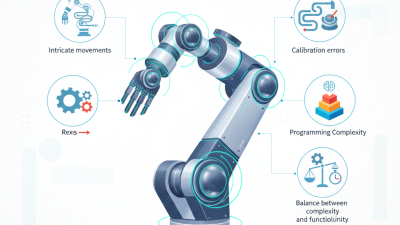
What’s cool about this arm is how it can mimic the complex motions of a human arm, making it super versatile for delicate tasks. That’s why you see it making a big difference in manufacturing and even surgery. But, honestly, getting it up and running isn’t always straightforward — it takes some careful planning.
Of course, like any tech, it’s not perfect. There can be issues with calibration or blending it smoothly with existing systems. It’s important for users to be aware of these potential hiccups so they can troubleshoot effectively. Jumping into using the Multi Axis Arm means weighing the awesome benefits against some of those little challenges along the way.
Advantages of Multi Axis Arms in Robotics Applications
The advantages of a Multi Axis Robot Arm in robotics applications are significant. One key benefit is flexibility. These arms can maneuver in multiple directions, allowing them to reach intricate spaces. This flexibility enhances productivity in assembly lines. However, programming these arms can be challenging. Users must often invest time to master the controls.
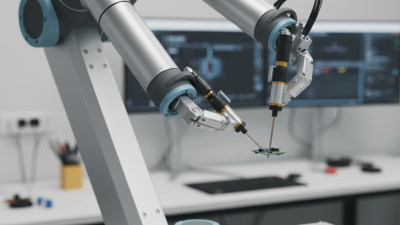
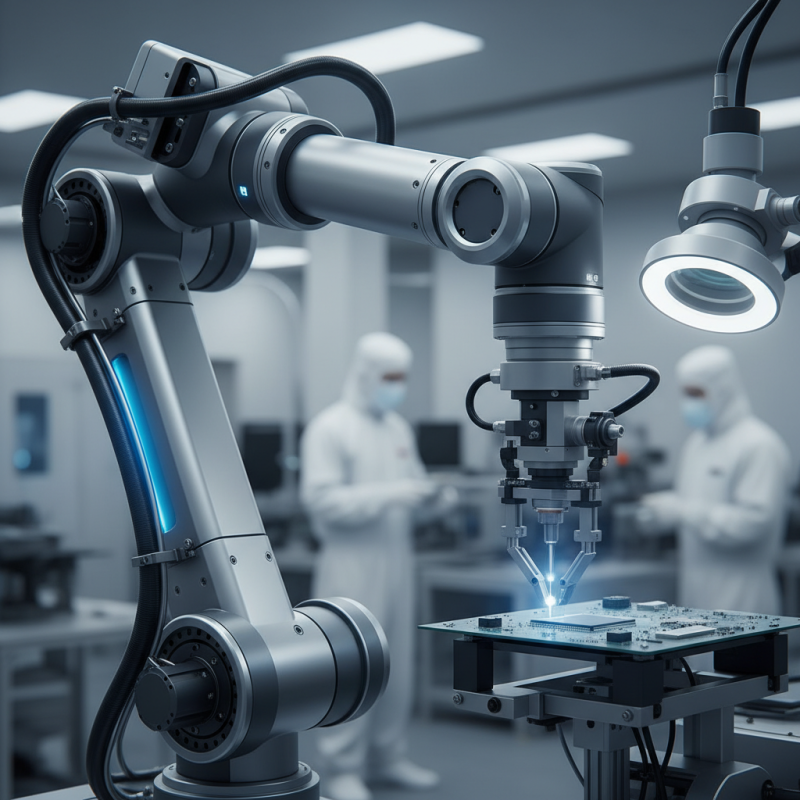
Precisionis another notable feature. A Multi Axis Robot Arm can perform tasks with high accuracy, which is vital in fields like surgery or electronics manufacturing. Yet, achieving this precision requires careful calibration. Mistakes in setup can lead to costly errors, which can be frustrating.
Speed is also a critical aspect. Multi Axis Robot Arms can operate quickly, reducing cycle times. This helps businesses increase output. Still, operating at high speeds can introduce risks. Operators need to ensure safety measures are in place to prevent accidents. Balancing speed and safety presents an ongoing challenge in robotics.
Enhanced Precision and Accuracy in Robotic Tasks
The use of multi-axis arms in robotics significantly enhances precision and accuracy. A recent study indicates that robotic arms with multiple degrees of freedom can achieve positioning accuracy of up to 0.02 mm. In industrial settings, this level of precision is essential for tasks like assembly and material handling. Small tolerances can dramatically reduce errors, leading to improved product quality.
Moreover, these robotic systems allow for intricate movements that emulate human capabilities. They can handle complex tasks in tight spaces, which traditional single-axis robots may struggle with. Data suggests that these multi-axis solutions can increase productivity by 30% in assembly line processes. This increase stems from reduced cycle times and the ability to conduct parallel operations.
However, it is important to recognize the challenges as well. Programming and maintaining multi-axis robots can be more complex than simpler systems. Operators need specialized training to maximize their effectiveness. Additionally, while the potential for enhanced accuracy is high, the real-world application varies based on the environment and task complexity. Continuous monitoring and evaluation are crucial to refine these robotic systems further.
Increased Range of Motion for Complex Movements
In the field of robotics, the increased range of motion provided by Multi Axis Robots is game-changing. These systems allow for complex movements that traditional robotic arms cannot achieve. A multi-axis design can replicate intricate human gestures with precision. According to industry reports, utilizing such robots can enhance operational efficiency by up to 30%. This efficiency is critical for tasks requiring delicate handling and intricate assembly.
Multi Axis Robots can reach difficult angles and tight spaces. The ability to maneuver in three-dimensional space makes them ideal for advanced manufacturing processes. This flexibility often leads to higher productivity and reduced error rates. However, integrating these robots into existing workflows can present challenges. Training staff to optimize their use requires time and resources that companies must also consider.
Another notable benefit is adaptability. Multi Axis Robots can be programmed for various tasks. They can switch from welding to painting in minutes. Yet, this versatility means that the learning curve can be steep. Not all operators may fully grasp the technology right away. The need for continual training can stress resources, yet it is crucial for maximizing the potential of these advanced systems.
Improved Efficiency in Automated Processes
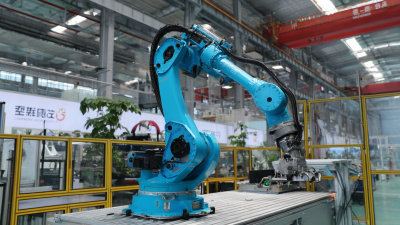
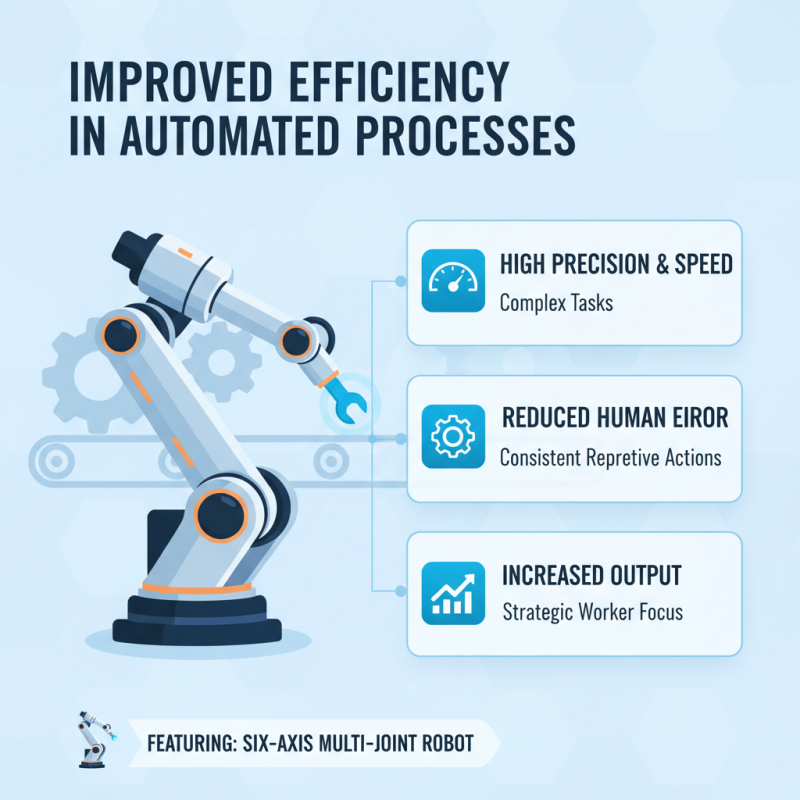
The use of a multi-axis arm, particularly the Six-Axis Multi-Joint Robot, significantly enhances efficiency in automated processes. These robots can perform complex tasks with precision and speed. In industries like manufacturing and assembly, they execute repetitive actions. This agility reduces human error and increases output rates. Workers can focus on more strategic tasks while the robots handle the tedious work.
Automation often leads to smoother workflows. The Six-Axis Multi-Joint Robot can navigate tight spaces and handle varying weights. This flexibility eliminates bottlenecks that slow down production. However, while automation boosts efficiency, it can also cause reliance on technology. Companies need to invest in training staff to manage these systems effectively. Automation should complement human work, not replace it.
Despite the clear advantages, implementing these robots demands careful consideration. Some tasks are still better suited for human hands. Companies may face challenges when integrating robots with existing systems. It's essential to evaluate which processes benefit most from automation. This reflection can lead to more informed decisions about adopting multi-axis arms.
Versatility Across Various Industries and Uses
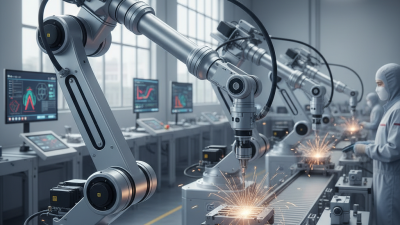
The multi-axis arm is a game changer in various industries. Its ability to adapt makes it essential in manufacturing, healthcare, and entertainment. In manufacturing, these arms can handle complex tasks, improving efficiency. They assemble products, weld, and package items seamlessly. Imagine a factory floor where the robotic arm moves with precision, saving both time and labor.
In healthcare, multi-axis arms assist in surgeries. They provide stability and accuracy. Surgeons rely on these arms to perform intricate operations. This technology reduces recovery time for patients. Nevertheless, relying heavily on robotics can lead to challenges. Technological failures can cause delays and complications.
Tip: Regular maintenance keeps robotic arms in top shape. Schedule routine checks to prevent unexpected breakdowns. Operators should be trained well to handle any issues.
In entertainment, robotics enhances user experiences in theme parks and gaming. Multi-axis arms simulate lifelike movements, creating immersive environments. Yet, the cost of implementation remains a barrier for some.
Tip: Consider starting small. Test the waters before committing to large investments. Learn from every project to avoid past mistakes. Each step taken provides valuable insights.
Top 10 Benefits of Using a Multi Axis Arm for Robotics
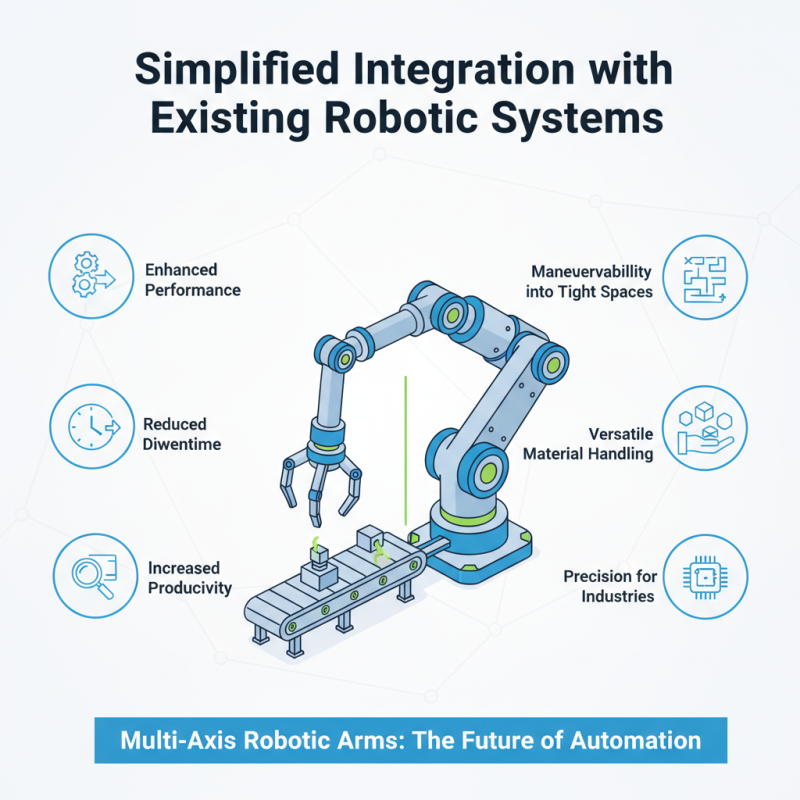
Simplified Integration with Existing Robotic Systems
Integrating a multi-axis arm into existing robotic systems can greatly enhance performance. The flexibility of such arms allows for smooth transitions between tasks. This adaptability reduces downtime and increases productivity. Unlike rigid structures, these arms can maneuver into tight spaces. They can handle various materials with ease. This feature is crucial for industries that demand precision.
However, integrating these systems is not always straightforward. Compatibility issues can arise, causing delays. Older systems may require additional adjustments. It is vital to consider the existing architecture before implementation. Sometimes, teams underestimate the complexity involved. You may need to invest time in training staff.
Overall, the benefits of a multi-axis arm are significant. Increased efficiency leads to a faster response to market needs. Enhanced versatility opens new avenues for innovation. Yet, it is important to approach integration with caution. Regular evaluations can help in recognizing potential pitfalls. Embracing this technology may require changes in mindset. The journey towards seamless integration can be challenging but rewarding.
Cost-Effectiveness in Long-Term Robotic Operations
In today's competitive manufacturing landscape, integrating a multi-axis arm can significantly enhance cost-effectiveness. These robotic arms provide flexibility and precision, reducing operational costs over time. With automation, labor costs decrease. Smaller teams can accomplish more complex tasks. This efficiency often leads to higher production rates and lower error margins.
Multi-axis arms can adapt to various applications, which helps in minimizing equipment redundancy. Arm Single-Arm Robot Cut can be used in diverse settings, from assembly lines to packaging. Initial setup may appear costly, but the long-term savings are substantial. Regular maintenance is essential yet often less expensive than training new staff. Additionally, when downtime occurs, multi-axis arms can often be repurposed for different tasks.
Having a robust upkeep schedule is vital. Otherwise, performance might drop unexpectedly. While the benefits are clear, the transition requires thoughtful planning. Companies must assess workflow changes. The right implementation can yield substantial returns, but mismanagement could lead to wasted investments. Fostering a culture of continuous improvement is necessary to fully harness the advantages of multi-axis robotics.
Top 10 Benefits of Using a Multi Axis Arm for Robotics
| Benefit | Description | Cost-Effectiveness (Long-Term) |
| Increased Flexibility | Allows for complex movements and tasks in various environments. | Reduces the need for multiple specialized machines. |
| Higher Efficiency | Can perform tasks quickly and repetitively. | Less downtime compared to manual operation. |
| Improved Precision | Delivers high accuracy in manufacturing and assembly. | Minimizes waste and costs related to defects. |
| Versatility | Can be used for various applications across different industries. | Fewer investments needed for different machines. |
| Space Efficiency | Occupies less floor space compared to traditional setups. | Lower operational costs associated with facility space. |
| Enhanced Safety | Reduces human exposure to hazardous tasks. | Lower insurance and health-related costs. |
| Lower Labor Costs | Reduces the reliance on manual labor. | Saves on long-term employment expenses. |
| Scalability | Easily adaptable to changing production needs. | Supports growth without significant reinvestment. |
| Data Collection and Integration | Facilitates real-time data monitoring and analysis. | Enhances decision-making and process optimization. |
| Long-Term ROI | Investments lead to savings and efficiency over time. | Improves bottom line as projects scale up. |
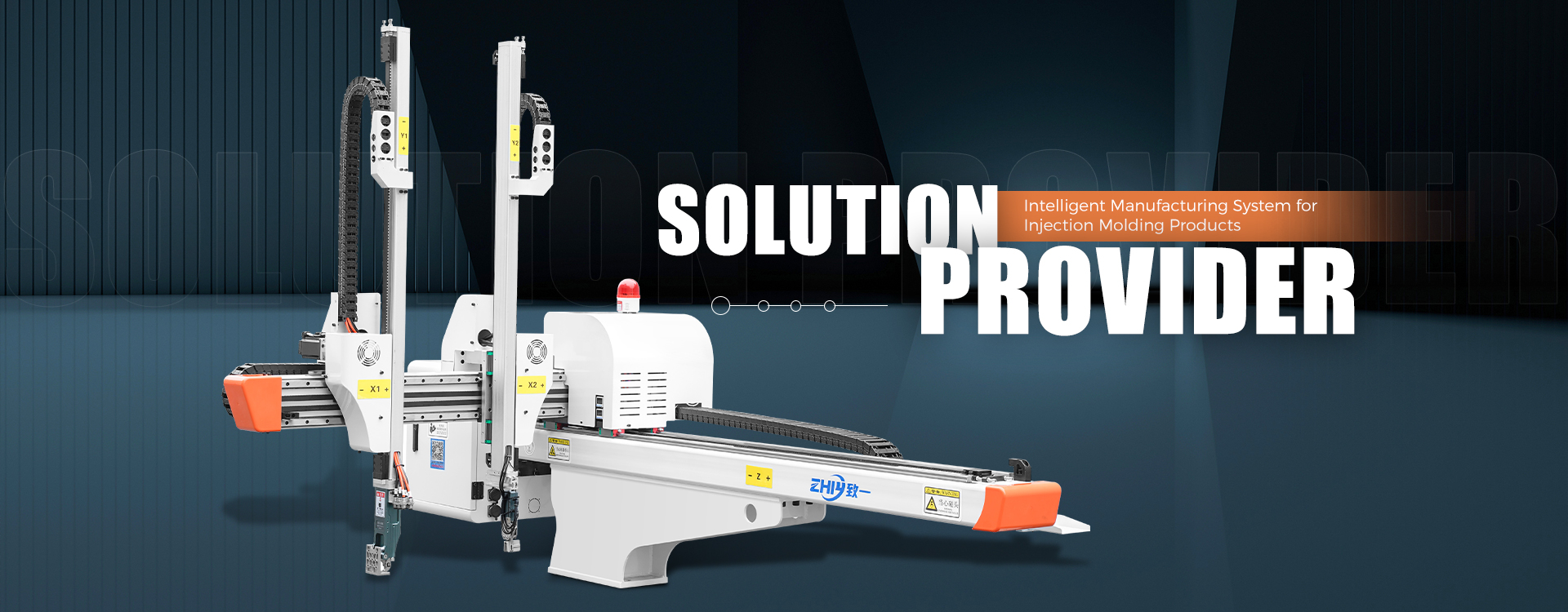
Innovative Solutions: Enhancing Injection Molding Efficiency with 3-Axis Silicone Servo Controlled Robotic Arm
The integration of advanced robotic technology into injection molding processes significantly enhances efficiency and productivity. One prime example is the 3-axis silicone servo-controlled robotic arm, which is meticulously engineered for use with 250T-400T injection molding machines. With a considerable stroke capacity of 1700×800×1000mm and the ability to support loads between 12-20kg, this robotic arm excels at the intricate tasks of product removal, handling, and placement, streamlining the entire manufacturing workflow.
The advanced servo control system employed in this robotic arm offers exceptional precision and stability, enabling rapid response times and minimizing operational downtime. By automating key stages of the injection molding process, manufacturers can significantly boost production rates while maintaining high levels of accuracy. This technology not only reduces the potential for human error but also increases the overall automation level of injection molding production, setting a new standard for operational excellence and efficiency in the industry. The adoption of such innovative solutions is essential for companies looking to stay competitive in today's fast-paced manufacturing environment.
FAQS
: They can achieve positioning accuracy of up to 0.02 mm, crucial for assembly tasks.
They can improve productivity by 30%, reducing cycle times and allowing parallel operations.
They require specialized programming and maintenance, increasing operational demands on staff.
Yes, they can handle intricate tasks and replicate complex human gestures with precision.
Training staff takes time and resources, which can strain existing operations.
They can quickly switch tasks, like moving from welding to painting, but require training.
Environmental conditions and task complexity vary, impacting overall performance and effectiveness.
The learning curve can be steep, and not all operators may quickly understand the technology.
It helps refine their systems and improve accuracy, ensuring they meet operational requirements.
Ongoing training and evaluation are crucial but can demand significant resources and effort.
Conclusion
The use of a Multi Axis Arm in robotics offers numerous benefits that significantly enhance overall performance in various applications. These arms provide enhanced precision and accuracy, allowing for intricate and delicate tasks that require meticulous attention to detail. Additionally, their increased range of motion enables complex movements that traditional robotic arms may struggle with, thereby improving efficiency in automated processes.
Moreover, Multi Axis Arms demonstrate versatility across a variety of industries, simplifying integration with existing robotic systems and ensuring adaptability to diverse tasks. Their cost-effectiveness in long-term operations further underscores their value, making them an ideal choice for businesses looking to optimize their robotic capabilities. Embracing Multi Axis Arm technology can lead to advancements in productivity and innovation across fields.