China Five Axis Servo Double Arm Robot - Leading Suppliers for Factory Automation Solutions
| Model | A | C | D | E | G | H | I | K | M | ||||||
| WKFI-750 | 1530 | 473 | 1420 | 1350 | 1950 | 130 | 620 | 145 | 320 | ||||||
| Model | Applicable injection molding machine(TON) | Up and down travel (MM) | Front and rear travel (MM) | Horizontal travel (MM) | Machine net weight (KG) | Max load (KG) | |||||||||
| WKFI-750 | 150T-250T | 800 | 620 | 1350 | 200 | 5.-10. | |||||||||
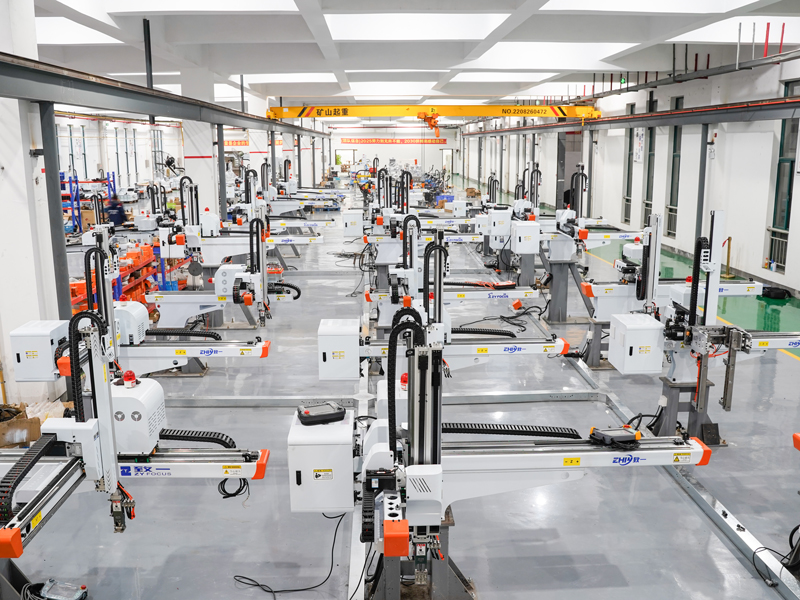
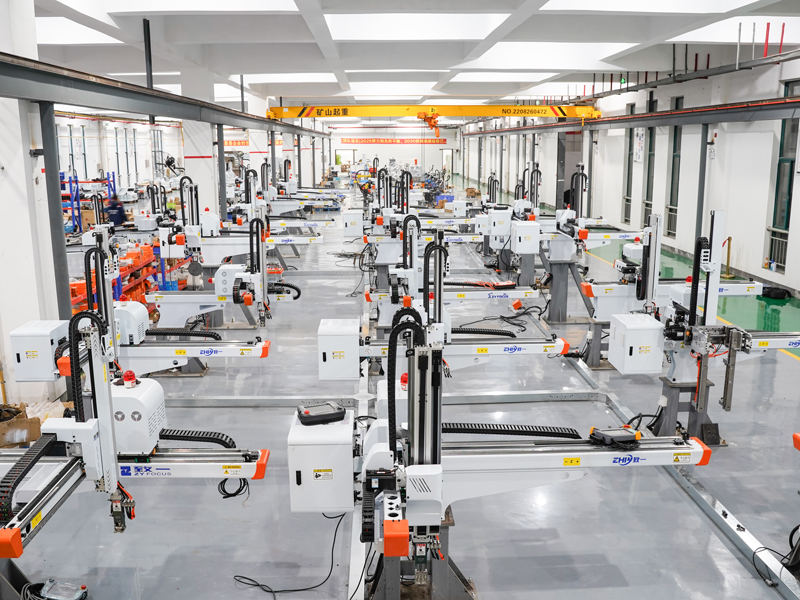
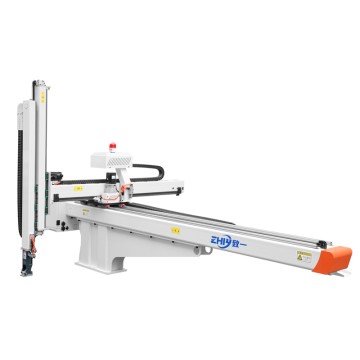
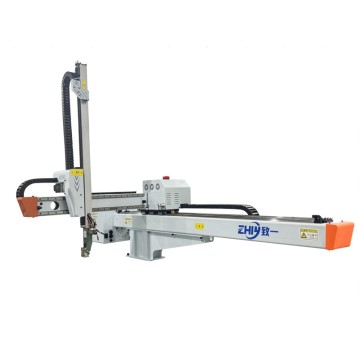
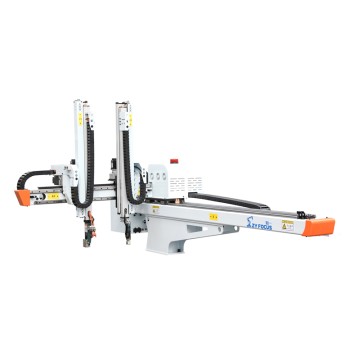
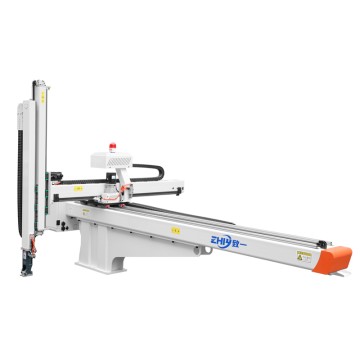
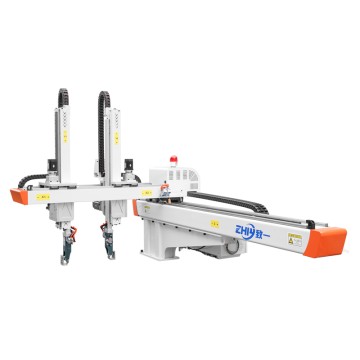
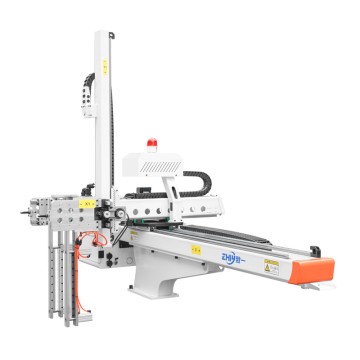
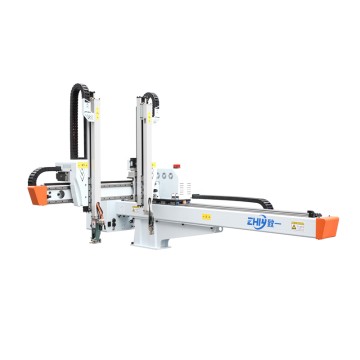
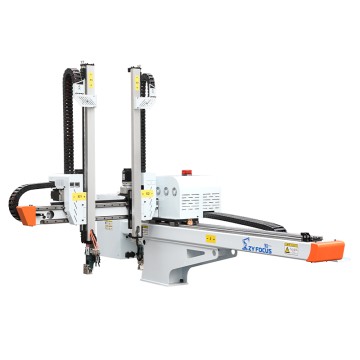
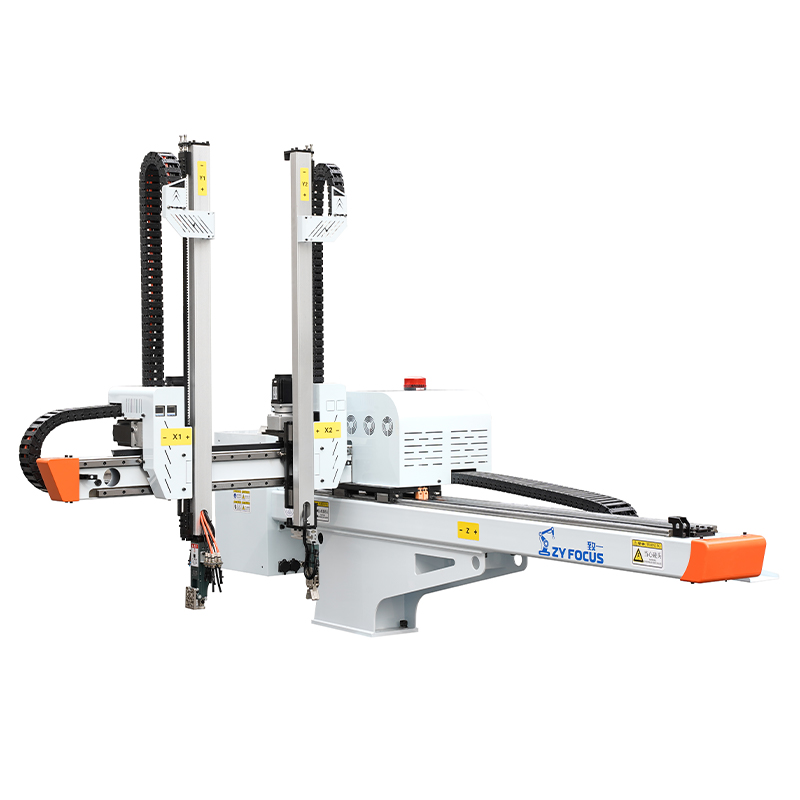
The robot has a well-thought-out appearance with dimensions that ensure stability and optimal workspace utilization. With a length (A) of 1450mm, width (C) of 730mm, and height (D) of 1100mm, it fits seamlessly into most production lines. The other dimensions, such as E (1900mm), G (2800mm), H (300mm), I (860mm), K (260mm), and M (830mm), contribute to its robust and compact structure.
The robot's itinerary is designed for maximum versatility. The double-arm main arm has an up-and-down movement of 1200mm, allowing it to reach different heights with ease. The front and rear auxiliary arms have a lateral movement of 650mm, while the one-arm front-and-back movement also covers 650mm. This comprehensive range of motion enables the robot to handle various tasks, from picking and placing small components to manipulating larger workpieces.
The robot is compatible with lateral applicable injection molding machines with a tonnage (B) ranging from 300–530T. Its posture angle (B) can be adjusted to suit different working conditions. The drive mode is full-servo, ensuring precise and smooth movements. The working air pressure is maintained between 0.5–0.7 MPa, providing the necessary force for its operations. The minimum picking interval is an impressive 1.5 seconds, and the idle cycle time is 5 seconds (not including smelting), which significantly enhances productivity. The air consumption is 0.26 m³/min, and it can handle a maximum load of 5KG (including smelting tools).
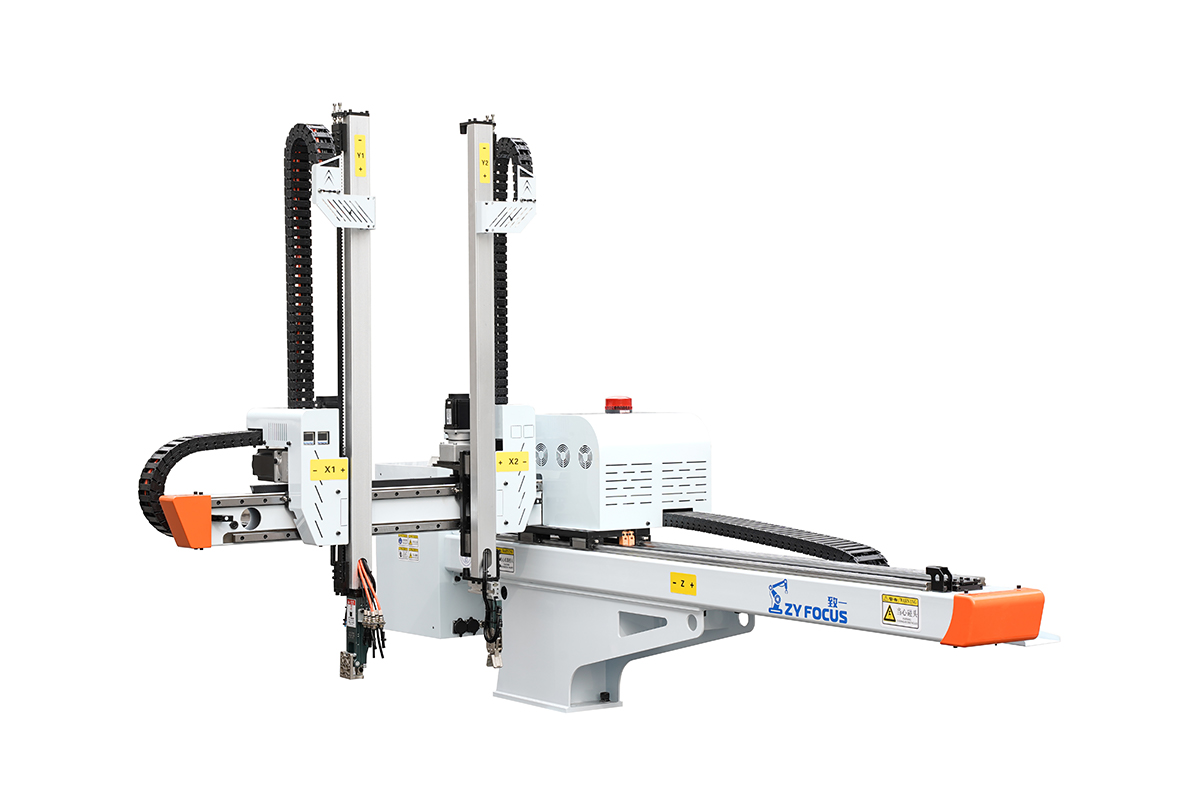
The full-servo drive system ensures that the robot's movements are extremely accurate. This precision is crucial in applications such as injection molding, where even the slightest deviation can result in defective products. The robot can consistently place components in the exact position required, reducing waste and improving product quality.
With its rapid picking and placing capabilities, the robot can significantly increase the production speed of your manufacturing process. The short minimum picking interval and idle cycle time mean that it can complete more cycles in a given period, leading to higher output and better utilization of resources.
The dual-arm design allows the robot to perform multiple tasks simultaneously or switch between different operations quickly. It can handle a variety of workpieces, from small precision parts to larger components, making it a versatile addition to any production line.
The robust construction and high-quality components of the robot ensure its long-term reliability. It can operate continuously for extended periods without requiring frequent maintenance, minimizing downtime and ensuring a stable production process.
The servo system and optimized air consumption make the robot energy-efficient. This not only reduces your operating costs but also contributes to a more sustainable manufacturing process.
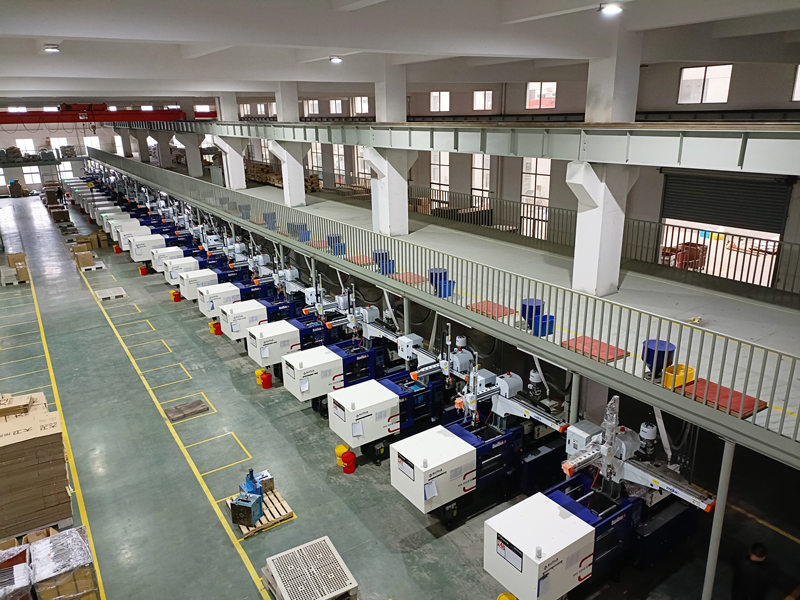
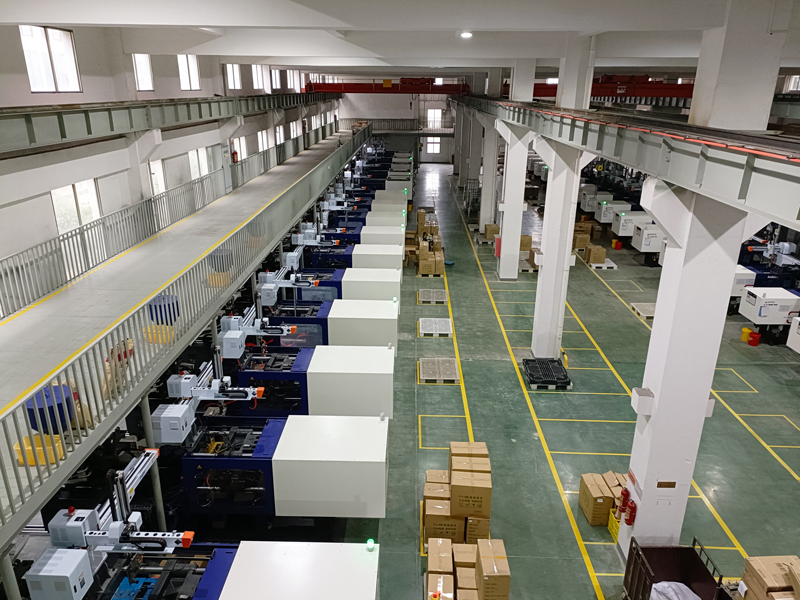
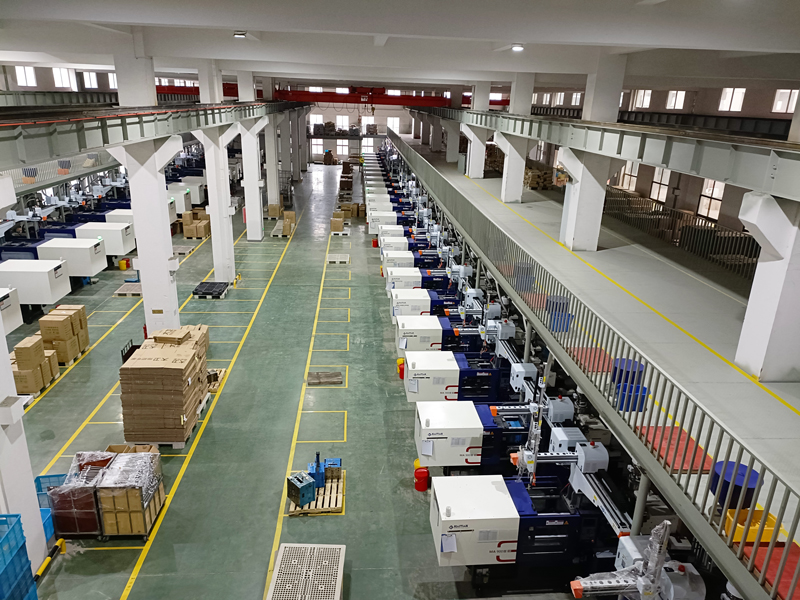
The robot is ideally suited for injection molding applications. It can accurately place molds, remove finished products, and perform secondary operations such as trimming and inspection. Its compatibility with a wide range of injection molding machines makes it a valuable asset in the plastics industry.
In assembly lines, the robot's dual-arm configuration allows it to handle multiple components at the same time. It can assemble complex products with precision and speed, improving the overall efficiency of the assembly process.
The robot can be used for material handling tasks, such as transporting workpieces between different workstations. Its large load-bearing capacity and flexible movement make it an efficient solution for moving materials in a manufacturing environment.
The robot can be equipped with inspection and testing equipment to perform quality control tasks. It can accurately position products for inspection, ensuring that only high-quality products are passed on to the next stage of production.