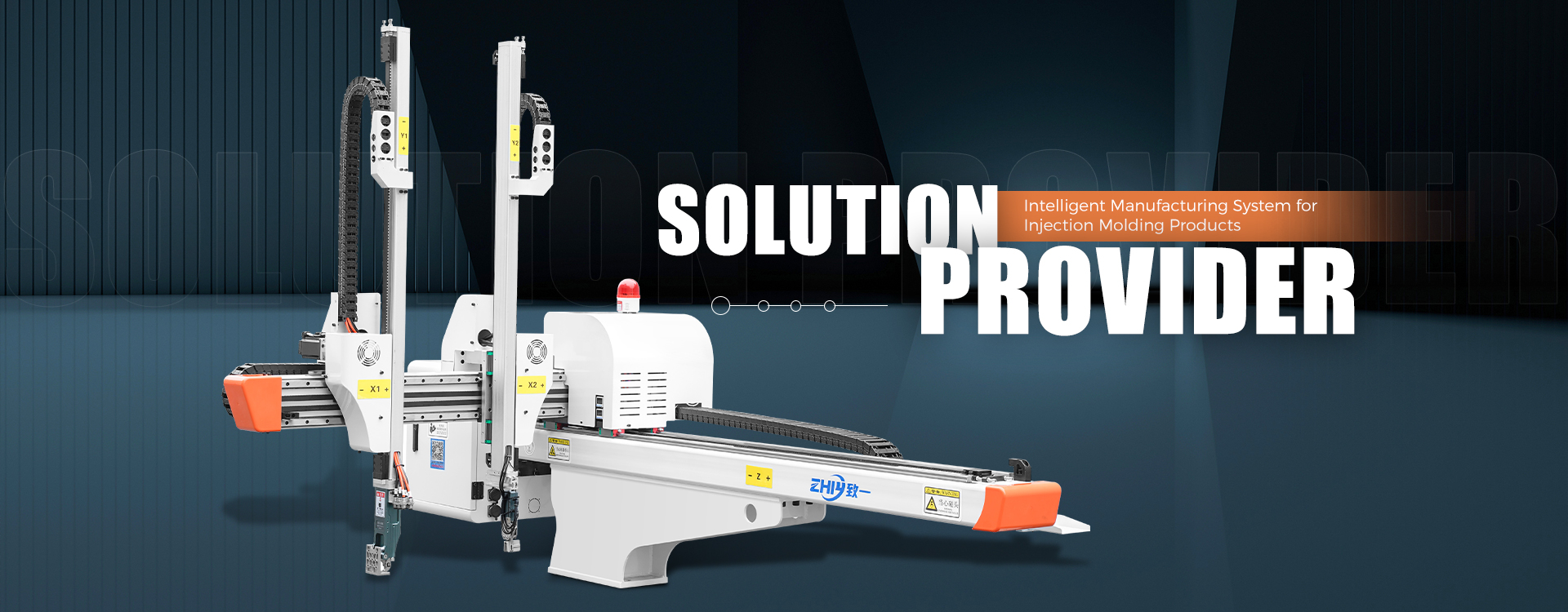
Choosing the right Servo Manipulator can actually be pretty tricky. I mean, figuring out what really fits your needs is super important. John Smith over at Robotics Solutions Inc. put it pretty well when he said, "The right tool can totally change how efficient you are." And honestly, that’s so true—lots of folks in the industry can vouch for that.
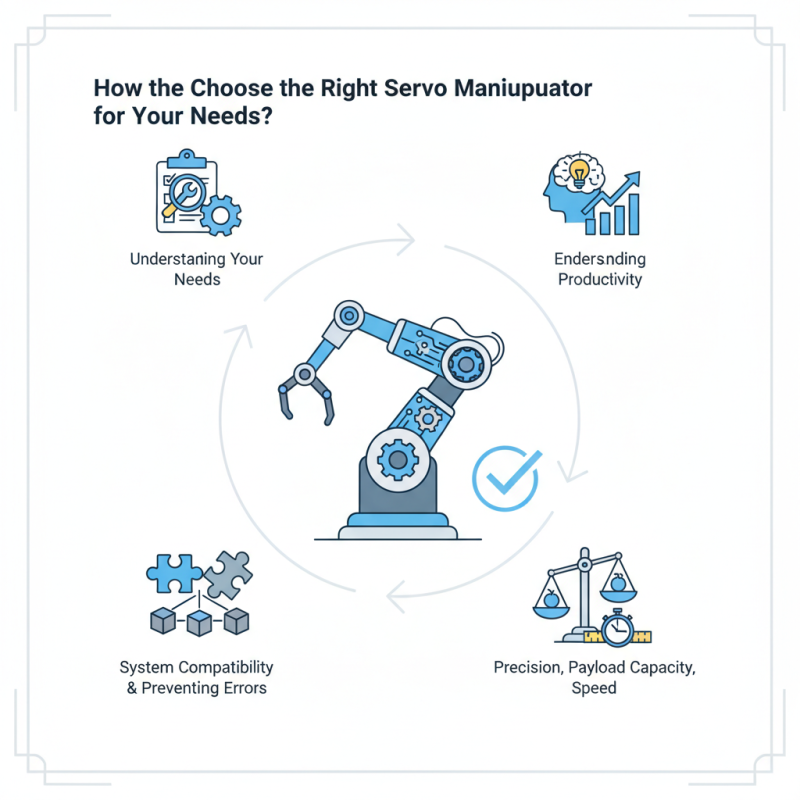
A Servo Manipulator isn’t just some random gadget you throw in. It’s basically an investment. You want something that'll boost your productivity and help you avoid unnecessary downtime. Things like precision, payload capacity, and speed? They need to match what your project actually calls for. Sometimes it’s easy to overlook these details, and that’s when rookie mistakes happen.
A lot of professionals end up regretting their choice after the fact. They realize too late that what they bought doesn’t quite cut it. It’s super important to check if it’s compatible with your current systems, so you don’t end up stuck with something that doesn’t really work for you. Taking a step back and reassessing what you really need upfront can save you from making costly errors down the line.
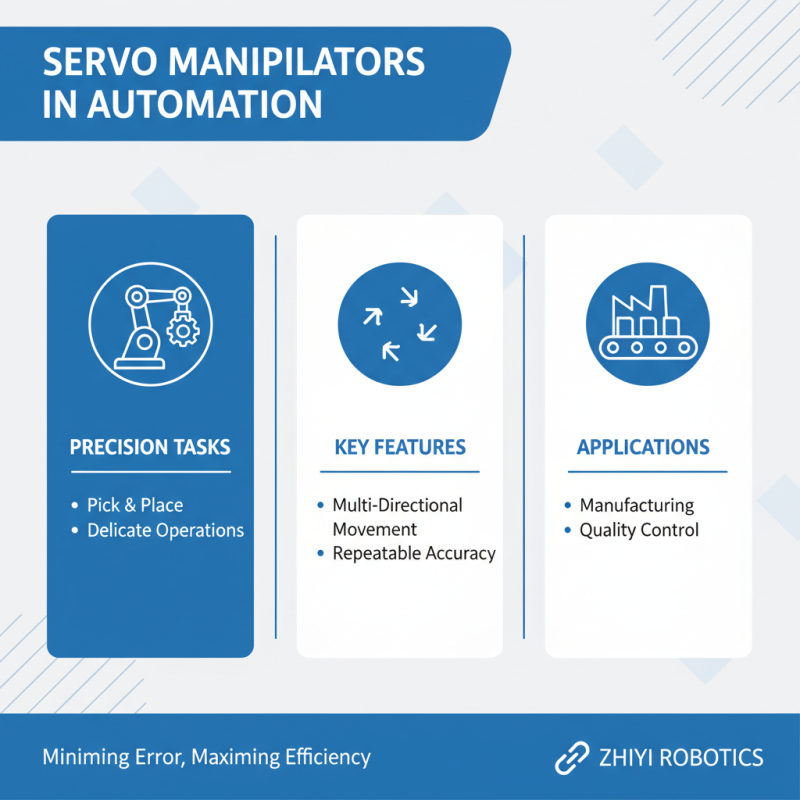
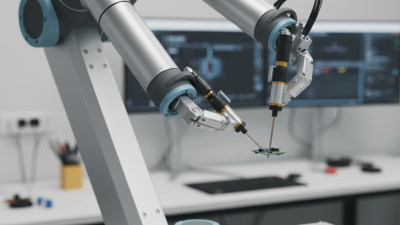
Servo manipulators play a crucial role in automation. They are designed to perform specific tasks with precision. Key features include their ability to move in multiple directions and repeat tasks accurately. For example, a Traverse Axis Servo Manipulator can handle delicate operations in manufacturing. It can pick and place objects with minimal error. This capability is vital for quality control in production lines.
When considering a servo manipulator, users should assess their needs carefully. Think about payload capacity, speed, and range of motion. These factors can affect overall efficiency. A well-chosen manipulator will enhance workflow significantly. However, selecting the wrong model may lead to unnecessary challenges. Regular evaluations and adjustments can mitigate such issues, ensuring optimal performance in diverse tasks.
In additional contexts, it's essential to consider compatibility with existing systems. Not all manipulators work seamlessly with every setup. Testing and troubleshooting are part of the integration process. Users often underestimate these aspects, leading to performance gaps. Balancing features with actual needs is key for success.
When selecting a servo manipulator, load capacity is crucial. A well-designed manipulator must handle specific weights and inertia. In industry studies, it is shown that over 30% of manipulator failures occur due to improper load assessments. Many engineers overlook this detail, leading to costly downtimes. It’s essential to evaluate the maximum load your application demands.
The specifications of a Three-Axis Full Servo Manipulator should align with your tasks. Each axis must support the expected weight plus some margin for exceptional loads. The ISO 9283 standard states that a safe working load should be calculated at 125% of the maximum expected load. This adds a layer of safety and can prevent equipment damage.
Careful analysis of your requirements is necessary. Some projects require high speed but may sacrifice precision. This trade-off isn’t always apparent at the start. Regularly re-evaluating your needs can prevent misalignments in performance expectations. If the load capacity is overestimated, the entire system may falter. Thus, a careful balance of load and capacity is vital for optimal performance.
When selecting a servo manipulator, precision and speed play critical roles. A report by the International Federation of Robotics highlighted that 55% of automation failures result from poor component selection. Choosing the right servo control can mitigate these issues. Speed is crucial in high-throughput environments, while precision ensures quality in delicate applications. For instance, manufacturers often require a response time under 50 milliseconds for optimum efficiency.
Tips: Always consider your specific application needs. Review your workflow and define your key performance indicators before making a choice. The "Frame Type Full Servo Manipulator" offers distinct advantages for various tasks, including the fine tuning of speed and accuracy.
However, find a balance. Striving for the fastest speed can sacrifice the quality of precision. In some cases, a speed boost may lead to a higher error rate. For example, implementing too high a speed in a delicate assembly may damage components. Assessing the operational environment is also vital. Ensure that your manipulator's capabilities align well with other machinery in your workspace.
When selecting a servo manipulator, understanding the differences between direct drive and gear drive systems is crucial. Direct drive systems offer high precision and responsiveness. They use a motor connected directly to the load. This reduces backlash and increases efficiency. Reports indicate that these systems can improve overall accuracy by up to 30%. They are ideal for applications requiring quick movements and high torque.
On the other hand, gear drive systems are more traditional. They utilize gears to transfer motion, which can introduce backlash. While they may be less precise, they excel in applications demanding high load capacities. Industry data reveals that gear drive systems can handle loads about 20-30% higher than direct drives, making them suitable for heavy-duty tasks. However, users must account for the potential trade-offs in precision and responsiveness.
Choosing between these systems hinges on specific needs. High-speed applications may favor direct drives. In contrast, heavy duty tasks might benefit from gear drives. It’s essential to consider not only current requirements but also future scalability. An improper fit may lead to inefficiencies or increased maintenance costs. Users should carefully weigh these factors when making a decision.
When evaluating servo manipulator options, the choice between digital and analog control systems is crucial. Digital servo solutions often provide higher precision. They enable advanced programming and integration with computer systems. This can lead to better performance in complex tasks. However, digital systems can be more complicated to set up and maintain. Some users might struggle with the software.
On the other hand, analog servo systems are typically simpler. They offer ease of use and straightforward control. Many operators appreciate the intuitive nature of these systems. Yet, they may lack the precision seen in digital systems. When using a Mini Three-Axis Full Servo Manipulator, the choice of control system can affect overall efficiency. Users must weigh the importance of simplicity against performance needs.
Finding the right balance is essential. Some projects demand higher accuracy and flexibility, making digital systems the better choice. In contrast, others may prioritize usability. Reflecting on specific operational requirements can guide the decision. Each type has its pros and cons, and understanding this is key to achieving the best results.
Choosing the right servo manipulator involves careful consideration of integration and compatibility. Before making a decision, analyze your existing systems. Check for communication protocols and power requirements. A seamless connection with your current equipment is essential for smooth operations. Look into data exchange needs. Different systems may not communicate effectively, leading to delays or errors.
Compatibility also extends to physical dimensions. Ensure that the new manipulator fits within your workspace. Measure your existing setups. Assess if it can easily connect with other machinery. Sometimes, modifications may be necessary. This adds complexity but can be a worthwhile exploration.
Be mindful of potential pitfalls. Not all servo manipulators are designed for easy integration. You might face unexpected hurdles. The learning curve can be steep. Consider testing a few options before finalizing your choice. Compatibility isn’t just technical; it’s also about user experience. Multiple factors influence the overall ease of use.
This chart presents the compatibility scores of various existing systems with your potential servo manipulator. A higher score indicates better integration and seamless operation, helping you choose the right servo manipulator for your needs.
When considering the cost of a servo manipulator, initial investment is just the beginning. A recent industry report states that initial costs can range from $5,000 to $20,000, depending on the complexity and features required. Maintenance costs often add another 10-20% annually. This means budgeting for the long haul is essential.
Tips: Identify your specific needs before purchasing. This can help limit unnecessary features. Regular maintenance can prevent costly repairs and extend the life of your equipment. Engineers suggest creating a detailed budget that includes both purchase and long-term operational costs.
Not all servo systems are built equally. Simpler systems might save you money upfront, but could lead to increased expenses in the long run. Investing in a more sophisticated system may pay off over time. Not every choice is perfect. Assessing the total cost of ownership (TCO) is vital. Focus on both efficiency and reliability.
: Analyze communication protocols. Check power requirements and ensure seamless connection for smooth operations.
Physical dimensions matter. Measure your workspace to ensure the new manipulator fits and connects easily.
Not all manipulators integrate easily. You may encounter unexpected hurdles and a steep learning curve.
Initial costs range from $5,000 to $20,000. Maintenance adds another 10-20% annually, so budget accordingly.
Simpler systems may save money initially but could become costly later. Assess total cost of ownership carefully.
Regular maintenance prevents costly repairs. Create a budget that includes long-term operational costs for efficiency.
Identify your specific needs before spending. This helps focus on essential features and avoids overspending.
Compatibility includes user experience. Multiple factors influence ease of use, impacting overall efficiency.
Yes, consider testing options first. This can help find the best fit for your needs and prevent poor choices.
Look beyond initial investment. Focus on efficiency and reliability for better long-term results with servo systems.
When selecting the right Servo Manipulator for your needs, it's essential to understand their key features and functions, including load capacity, precision, and speed. Assessing the load requirements specific to your application will help you determine the appropriate servo type. Additionally, balancing performance requirements is crucial, as precision and speed often need careful consideration.
There are various types of servo manipulators available, primarily categorized into direct drive and gear drive systems. Evaluating the control systems – whether digital or analog – can significantly impact the overall performance. Furthermore, ensuring integration and compatibility with existing systems is vital for seamless operation. Finally, conducting a thorough cost analysis will help budget for both the initial investment and ongoing maintenance, ensuring that your choice of Servo Manipulator aligns with your operational needs and financial constraints.