Hey, in today’s fast-changing industrial world, automation has truly become the backbone of efficiency and getting things done faster. Among all the tech that’s driving this shift, the Servo Manipulator really stands out as a game-changer for boosting how smoothly operations run. When you're trying to pick out the right Servo Manipulator for your setup, it’s super important to think about a few key things to make sure it works well with your existing systems and performs at its best.
This guide is here to help you understand what to look for when choosing a Servo Manipulator that fits your specific needs. With new tech popping up all the time and tons of options out there, getting a grip on what these devices can do, how they’ll work with your current setup, and how they can grow with you is really important. By exploring the key features and common uses of these tools, you'll find it a lot easier to make the right choice—and, hopefully, boost your automation game in the process.

Understanding Servo Manipulators: Definition and Functions
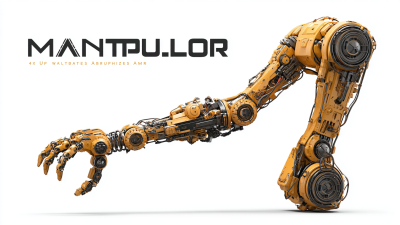
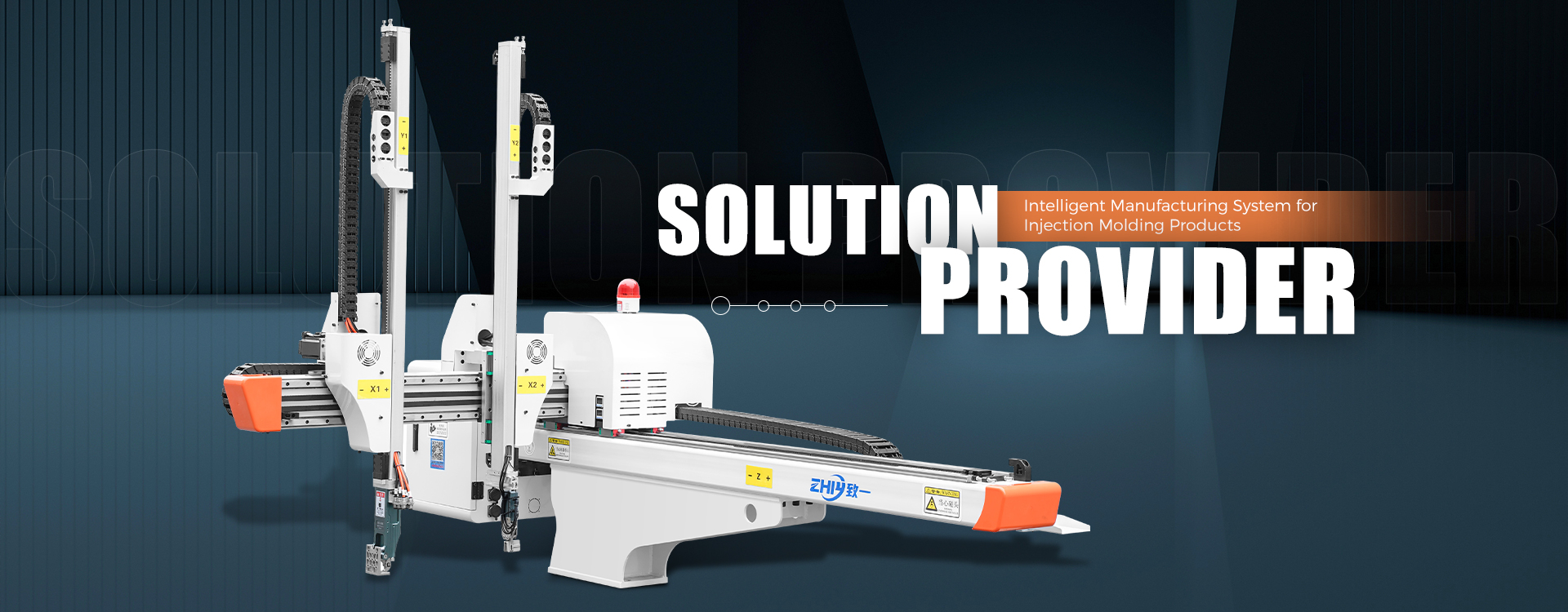
Servo manipulators are advanced devices essential for various automation processes. Defined as robotic systems that utilize servo motors for precision control, these manipulators excel in tasks requiring accurate positioning and movement. They are integral to applications ranging from assembly lines to complex manufacturing setups, significantly improving efficiency and productivity. By using feedback systems, servo manipulators can maintain precise control over their movements, making them ideal for tasks that demand high accuracy.
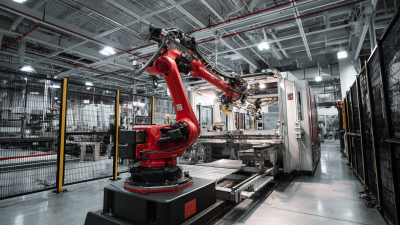
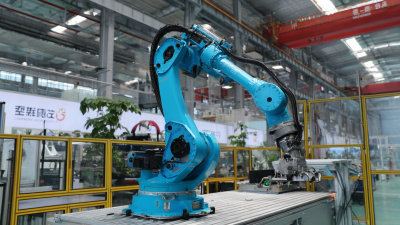
The functions of servo manipulators are diverse and tailored to meet specific automation requirements. They can be programmed for repetitive tasks, such as picking and placing objects, welding, or machining, and can adapt to different payloads and workspace constraints. Additionally, their flexibility allows for easy integration with other automation technologies, enhancing overall system performance. Understanding the definition and functions of servo manipulators is crucial for selecting the right equipment to optimize automation workflows across various industries.
Key Factors to Consider When Choosing a Servo Manipulator
When selecting a servo manipulator for automation projects, several key factors should guide your decision-making process. First and foremost, consider the specific applications for which the manipulator will be used. Understanding the workload requirements, such as weight capacity and supported motion range, is crucial. An application involving intricate assembly tasks may demand a manipulator with high precision and responsiveness, while bulk material handling may prioritize lifting capacity and speed.
Another vital consideration is the compatibility with existing systems. It's essential to assess whether the manipulator can seamlessly integrate with your current automation framework, including control systems and software. An adaptable servo manipulator can facilitate smoother operations and enhance overall productivity. Additionally, evaluating the ease of programming and user-friendliness is paramount; a more intuitive interface can significantly reduce training time and operational errors, leading to quicker returns on your investment.
Finally, reliability and support should not be overlooked. Investigating the manufacturer's reputation for producing durable equipment and their customer support can provide insights into the long-term viability of your choice. A well-supported servo manipulator can mitigate downtime through effective troubleshooting and maintenance, ensuring consistent operational efficiency. By carefully weighing these factors, you can identify the most suitable servo manipulator to meet your automation needs.
Evaluating Payload Capacity: Impact on Automation Efficiency
When selecting a servo manipulator for your automation needs, evaluating the payload capacity is crucial as it directly impacts efficiency. The payload capacity determines how much weight a manipulator can handle effectively, which in turn influences the speed and precision of operations. A manipulator with an insufficient payload capacity may lead to performance bottlenecks, resulting in decreased productivity. Therefore, it's essential to match the manipulator’s capabilities with the specific demands of your tasks.
Tips: Before making a decision, assess the types of materials or products that will be handled. Consider not just the average weight, but also any variations in payload that may occur during operation. This will ensure that your chosen servo manipulator can accommodate unexpected loads without compromising performance.
Additionally, think about the future growth of your operations. A manipulator with higher payload capacity might be more beneficial in the long term, even if your current needs are modest. Investing in a modular system that allows for easy upgrades can also enhance your automation efficiency as your production scales. Keep an eye on both current and anticipated applications to select the best manipulator that balances both capacity and versatility.
Precision and Repeatability: Importance in Industrial Applications
In industrial applications, precision and repeatability are paramount factors when selecting servo manipulators for automation tasks. According to a report by the International Federation of Robotics (IFR), the demand for high-precision robotic systems has surged, reflecting a 15% growth in the global automation market. Precision in servo manipulators ensures that tasks are performed with minimal deviation from the intended program, significantly enhancing product quality and reducing waste. Studies have shown that even a 1% increase in accuracy can improve overall production efficiency by up to 10%, underscoring the importance of precise movement control in manufacturing environments.
Furthermore, repeatability is equally crucial as it ensures that the manipulator can perform the same action consistently over time. A survey published in the Journal of Robotics and Automation highlighted that 80% of industry experts consider repeatability to be a key factor in the effectiveness of automation systems. High repeatability helps in minimizing variations in production processes and directly impacts the reliability of end products. For industries such as automotive and electronics, where precision is vital, selecting servo manipulators with a repeatability of ±0.01 mm can lead to significant enhancements in production rates and quality assurance. As industries continue to evolve towards more sophisticated automation solutions, the focus on precision and repeatability will remain integral in driving performance and profitability.
Types of Servo Motors: Selecting the Right One for Your Needs
When selecting a servo motor for automation needs, it’s essential to understand the different types available and their applications. Servo motors can be broadly classified into several categories, including DC servo motors, AC servo motors, and stepper motors. DC servo motors are known for their precision and are often used in applications requiring high speed and efficiency, while AC servo motors excel in high-torque applications, making them ideal for various industrial machines. According to a report by MarketsandMarkets, the global servo motor market is projected to reach USD 8.5 billion by 2026, driven by the increasing demand for automation in manufacturing processes.
Selecting the right servo motor also depends on specific application requirements, such as load characteristics, speed, and control method. For instance, stepper motors are often chosen for applications that need precise positioning but come with limitations in speed and torque. In comparison, AC servo motors are preferred for high-speed applications requiring continuous rotation. The International Federation of Robotics (IFR) notes that the growth of robotics and automation systems contributes significantly to the expanding market for servo motors, emphasizing the importance of understanding the specific requirements of your automation tasks to choose an optimal solution.
How to Choose the Best Servo Manipulator for Your Automation Needs - Types of Servo Motors: Selecting the Right One for Your Needs
| Type of Servo Motor | Torque Rating (Nm) | Speed (RPM) | Applications |
| DC Servo Motor | 1.2 | 3000 | Robotics, Cnc Machines |
| AC Servo Motor | 2.5 | 2000 | Industrial automation, conveyors |
| Stepper Motor | 0.5 | 1500 | 3D printers, pick and place |
| Servo Controller | Variable | N/A | Used in combination with servo motors |
Software Compatibility: Ensuring Seamless Integration with Systems
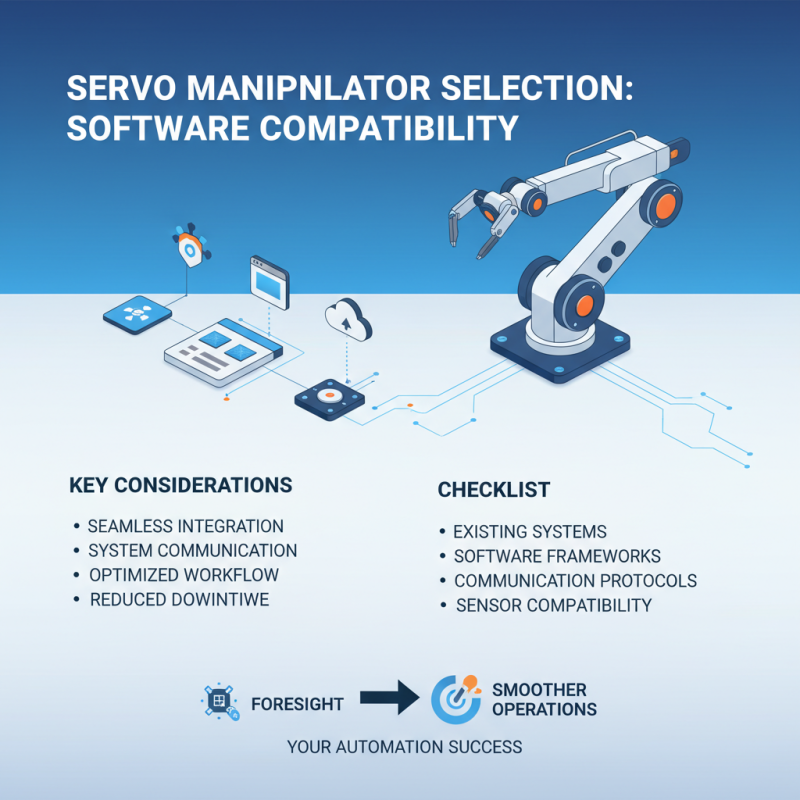
When selecting a servo manipulator for your automation needs, software compatibility should be one of the foremost considerations. A servo manipulator’s effectiveness largely depends on its ability to integrate seamlessly with existing systems and software frameworks. This integration ensures that the manipulator can communicate efficiently with controllers, sensors, and other components, streamlining processes and minimizing downtime. Before making a purchase, it’s crucial to assess the communication protocols that the manipulator supports and whether they align with your current infrastructure. This foresight prevents potential complications in integrating various systems, allowing for a smoother operational workflow.
Moreover, an ideal servo manipulator should offer robust software support that includes user-friendly interfaces and comprehensive documentation. This ensures that your team can easily understand and operate the system, reducing the learning curve associated with implementation. Additionally, consider the availability of regular updates or patches, which are indicative of a reliable software ecosystem that evolves alongside technological advances. Evaluating the adaptability of the software in meeting future automation challenges is also vital, as it can provide a long-term solution that keeps pace with your business needs. Ultimately, prioritizing software compatibility not only enhances operational efficiency but also contributes to the longevity of your automation investment.
Cost vs. Performance: Analyzing Return on Investment for Automation
When considering the acquisition of a servo manipulator for automation purposes, balancing cost and performance is crucial for maximizing return on investment (ROI). According to a report by MarketsandMarkets, the global industrial automation market is projected to reach $295 billion by 2026, highlighting a growing trend toward automation technologies that improve efficiency and reduce operational costs. Businesses must evaluate the upfront expenses of servo manipulators against the potential savings and productivity gains they can achieve. A high-performance servo manipulator may come with a premium price tag; however, its ability to enhance precision, speed, and reliability can result in significant reductions in operational downtimes and labor costs over time.
An effective way to analyze ROI is by utilizing metrics such as the payback period and total cost of ownership (TCO). A study from McKinsey & Company indicates that companies integrating advanced automation solutions experience a productivity increase of up to 20% and a decrease in labor costs by around 30%. This data underscores the importance of investing in high-quality servo manipulators that not only deliver superior performance but also align with the specific automation needs of the business. Additionally, businesses should factor in the long-term benefits of enhanced adaptability and the ability to scale operations, making a comprehensive cost-benefit analysis essential for informed decision-making.
FAQS
: Servo manipulators are robotic systems that utilize servo motors for precise control of movement and positioning, making them essential for various automation processes.
They are used in a range of applications, including assembly lines, welding, machining, and tasks that require accurate object handling and movement.
They use feedback systems that allow them to maintain precise control over their movements, which is crucial in tasks that require high accuracy.
Key factors include specific application requirements, weight capacity, motion range, compatibility with existing systems, ease of programming, and reliability of the manufacturer.
Software compatibility ensures that the manipulator can effectively integrate with existing systems and communicate with controllers and sensors, enhancing operational efficiency.
A more intuitive interface can significantly reduce training time and operational errors, leading to quicker returns on investment and smoother operations.
Investigating the manufacturer's reputation for durability and the level of customer support they provide can offer insights into the long-term viability of the manipulator.
Robust software support should include user-friendly interfaces, comprehensive documentation, and regular updates to ensure continued functionality and adaptability to future needs.
They improve efficiency and productivity by enabling precise, repeatable tasks and facilitating easy integration with other automation technologies.
Assessing software adaptability is vital as it ensures that the system can meet future automation challenges, providing a long-term solution for evolving business needs.
Conclusion
When selecting the best Servo Manipulator for your automation needs, it is essential to understand its definition and functions. A Servo Manipulator plays a crucial role in enhancing efficiency in various industrial applications by providing precise and repeatable movements. Key factors to consider include payload capacity, which significantly impacts automation efficiency, and the precision required for specific tasks.
Moreover, selecting the appropriate type of servo motor is critical for optimal performance, while ensuring software compatibility enables seamless integration with existing systems. Finally, an analysis of cost versus performance will help determine the return on investment for implementing a Servo Manipulator, ensuring that your automation system meets both budgetary and operational requirements effectively.