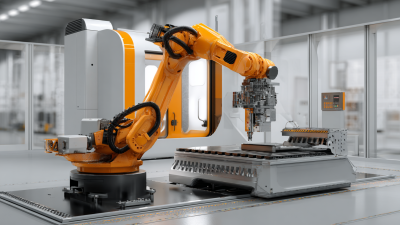
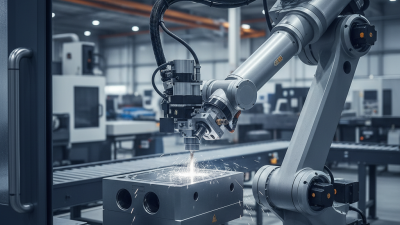
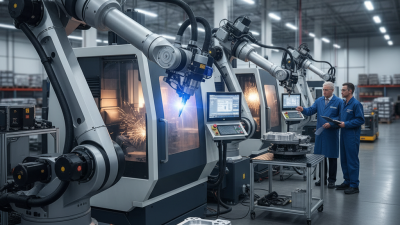
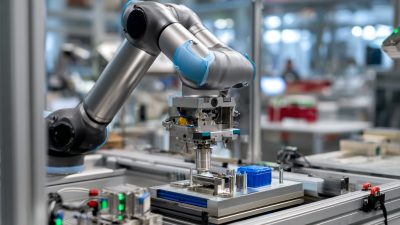
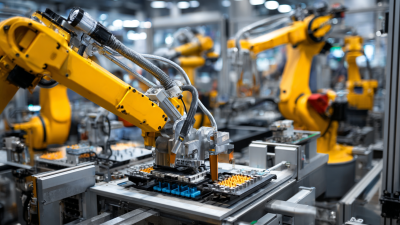
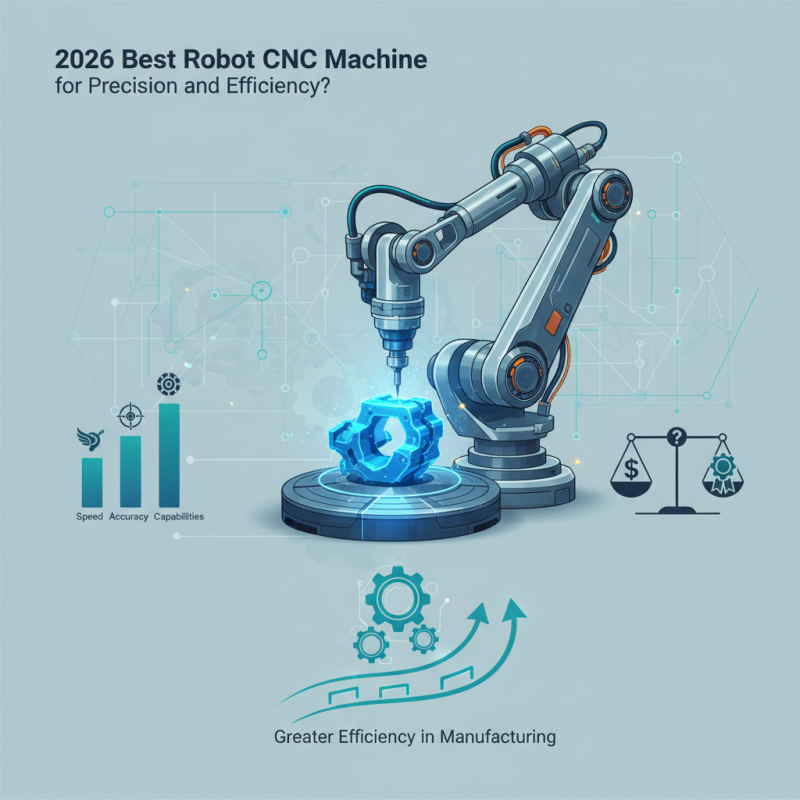
In today’s ever-changing world of manufacturing, you can’t ignore the importance of a Robot Cnc Machine. These aren’t just your typical tools—they actually represent the future stuff, like better precision and efficiency in production. Big names like Fanuc and Haas are really setting the bar high, but honestly, choosing the right one can feel pretty overwhelming. Each Robot Cnc Machine out there has its own set of features, tailored to different needs, so it’s not a one-size-fits-all kinda deal.
Looking ahead to 2026, the options promise some cool advancements. But let’s be real — do they tick all the boxes? Diving into the details can be tricky. Things like how fast it works, how accurate it is, and what it can actually do are what really make the difference. That said, some models might fall a bit short, so it’s super important to think about what really matters for your projects.
Picking the right Robot CNC Machine means understanding what it can do — and what it can’t. Trying to find a good balance between cost and quality can be a challenge, too. And even with all the latest tech, unexpected issues can pop up. The process of finding that perfect machine might not be perfect itself, but trust me, it’s a step toward making your manufacturing process way more efficient. So, take your time, weigh your options, and remember: it’s all part of the journey toward better production.
Overview of CNC Machines: Understanding the Basics
Cnc Machines are essential for modern manufacturing. They automate the process of cutting, milling, and shaping materials. These machines use computer-controlled systems. This allows for high precision and consistency. Operators can create intricate designs that would be hard to achieve manually.
When choosing a CNC machine, consider the following tips. Look for a machine that fits your production needs. Understand the materials you'll work with. Some machines handle metals better than plastics. Remember to study the programming aspect. Learning the software can greatly enhance your efficiency.
Mistakes can happen—even with advanced CNC machines. Inaccurate settings can lead to defective parts. Regular maintenance is crucial to avoid breakdowns. Calibration is another factor that often requires attention. Over time, machines may drift out of alignment, risking precision. It's vital to create habits for regular checks.
Key Features of a High-Quality Robot CNC Machine
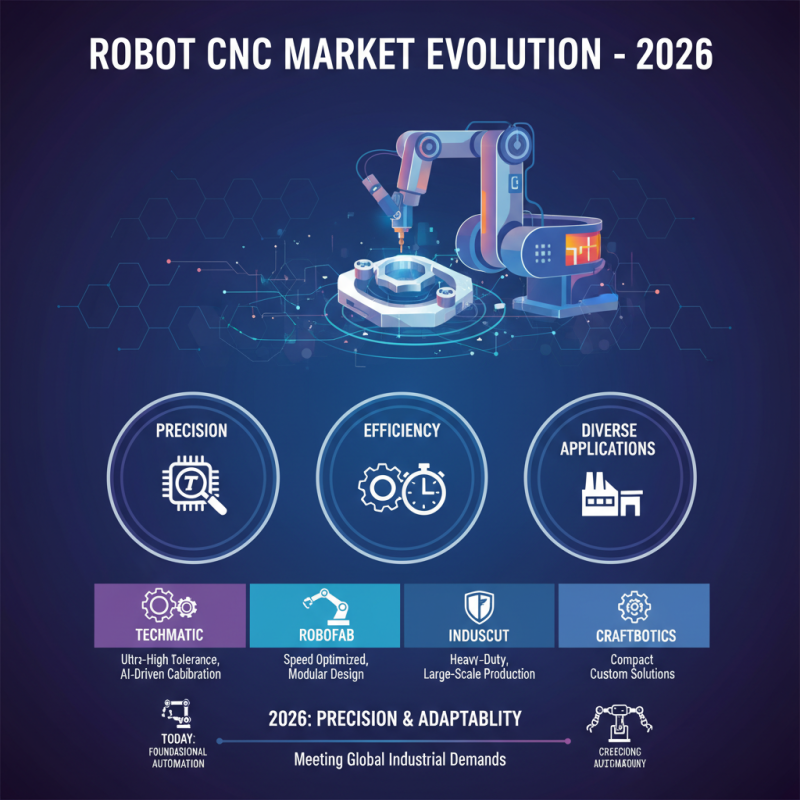
When searching for the best robot CNC machine, precision and efficiency stand out as vital features. A reliable Cnc Robot should deliver accuracy within 0.01 mm. This level of precision is crucial for industries like aerospace and electronics. According to a recent industry report, machines with advanced calibration systems can reduce manufacturing errors by up to 30%. Precision ensures quality and reduces material waste.
Efficiency is another key aspect. A high-quality CNC Robot Can operate continuously with minimal downtime. Systems equipped with smart sensors can adapt to changes in material properties quickly. Data shows that automated systems can increase production rates by as much as 50%. However, without proper training, operators may struggle with these technologies, leading to inefficient processes.
While investing in the latest technology, it’s essential to consider the learning curve. Operators must understand how to maximize the robot's capabilities. Many companies overlook this aspect, resulting in underperformance. Users need to reflect on their processes and adapt their training programs. Balancing efficiency with skill development is crucial to fully realize the benefits of a CNC robot.
Top Brands in the Robot CNC Machine Market for 2026
The robot CNC machine market is evolving rapidly. In 2026, precision and efficiency are paramount. Many brands are stepping up to meet these demands. Each brand offers unique features that cater to various industrial needs. From small workshops to large factories, there's a range for everyone.
Some brands excel in speed while others focus on accuracy. However, not all machines work perfectly out of the box. Users occasionally face challenges with calibration. Some machines may require frequent adjustments to maintain efficiency. This can lead to frustration and downtime.
It's essential to research carefully before investing. Many machines promise high precision but may fall short in real-world applications. Look for user reviews and detailed specifications. Understanding the pros and cons can guide buyers toward better decisions. Engaging with communities can provide insights into real experiences. These reflections are vital in navigating the complex landscape of robot CNC machines.
Evaluating Precision: What Makes a CNC Machine Accurate?
When evaluating the precision of a CNC machine, several factors come into play. The mechanics of the machine matter greatly. A well-designed Cnc Robot Arm ensures smooth movements. This helps minimize errors during operation. The rigidity of the frame is also crucial. A sturdy setup reduces vibrations that can affect accuracy. Many users overlook this aspect, leading to disappointing results.
The cutting tool used plays a significant role in achieving high precision. Choosing the right material and geometry is vital. Dull or inappropriate tools can compromise performance. It's important to regularly check tool sharpness. This often gets neglected in busy workshops. The software controlling the CNC machine must also be precise. Good software optimizes the path, saving time and enhancing accuracy. However, software can have flaws. Bugs might arise, leading to unexpected outcomes.
Proper calibration is another essential element. Many users skip this step, thinking it’s unnecessary. Regular calibration ensures the machine performs at its best. Over time, components may shift or wear out. This can affect the machine’s precision. Operators should be diligent in monitoring these changes. A CNC robot arm, while advanced, requires careful attention to detail. Even minor adjustments can lead to significant improvements in outcomes.
Efficiency in CNC Machining: Factors That Influence Performance
Efficiency in CNC machining is influenced by several key factors. One significant element is the machine's spindle speed. Research shows that higher spindle speeds can reduce cycle times and improve surface finish, but they often lead to increased wear on components. Over time, this could compromise accuracy.
Another crucial factor is the type of tooling used. The right cutters can drastically enhance performance. A report indicated that using advanced materials for cutting tools leads to a 30% increase in efficiency. However, the cost and frequent need for replacement can be challenging for many operations.
Lastly, machine calibration plays a vital role. A well-calibrated CNC machine operates at peak efficiency. Data reveals that improper calibration can result in a 20% reduction in productivity. Regular checks are necessary but can be overlooked in busy environments. Balancing efficiency and maintenance is an ongoing struggle in the industry.
Comparative Analysis: Traditional vs. Robot CNC Machines
The choice between traditional and robot CNC machines is crucial for manufacturers. Traditional machines often rely on manual setups. They can be slow and require skilled operators. Adjustments can take time, affecting overall efficiency. They are limited by their rigid structures. Complex shapes often require multiple setups.
On the other hand, the 5 Axis Cnc Robot Arm brings flexibility. This technology allows for intricate designs that traditional machines struggle with. It can operate from various angles, minimizing the need for repositioning. This increases precision and reduces downtime. However, robot machines also come with challenges. Initial costs can be high, and training staff is necessary. There can be a learning curve for operators.
When assessing efficiency, robot CNC machines generally outperform traditional methods. Many tasks can be automated. Yet, they can still face hiccups. Calibration issues may arise, causing delays. Traditional and robotic methods each have their drawbacks. Understanding these gaps is essential for making informed decisions.
Future Trends in Robot CNC Technology and Their Implications
The future of robot CNC technology promises exciting advancements. As automation becomes more prevalent, precision and efficiency are key drivers. These machines are expected to leverage AI for enhanced decision-making. With the ability to learn from past operations, they can adapt quickly. This leads to reduced waste and increased productivity.
Data integration is another emerging trend. Real-time analytics will allow for better monitoring of processes. Imagine machines that communicate with each other. They share information and optimize their performance collectively. However, this also raises concerns about cybersecurity. The more connected the machines, the more vulnerable they become.
Moreover, the workforce will shift significantly. Technicians will need new skills to manage these advanced systems. Traditional machining roles may decline, creating a gap. Companies will need to invest in training. This transition can be challenging for existing employees. Adaptation is not always smooth, and resistance to change is common. The path forward is not perfect; it requires careful planning and reflection.
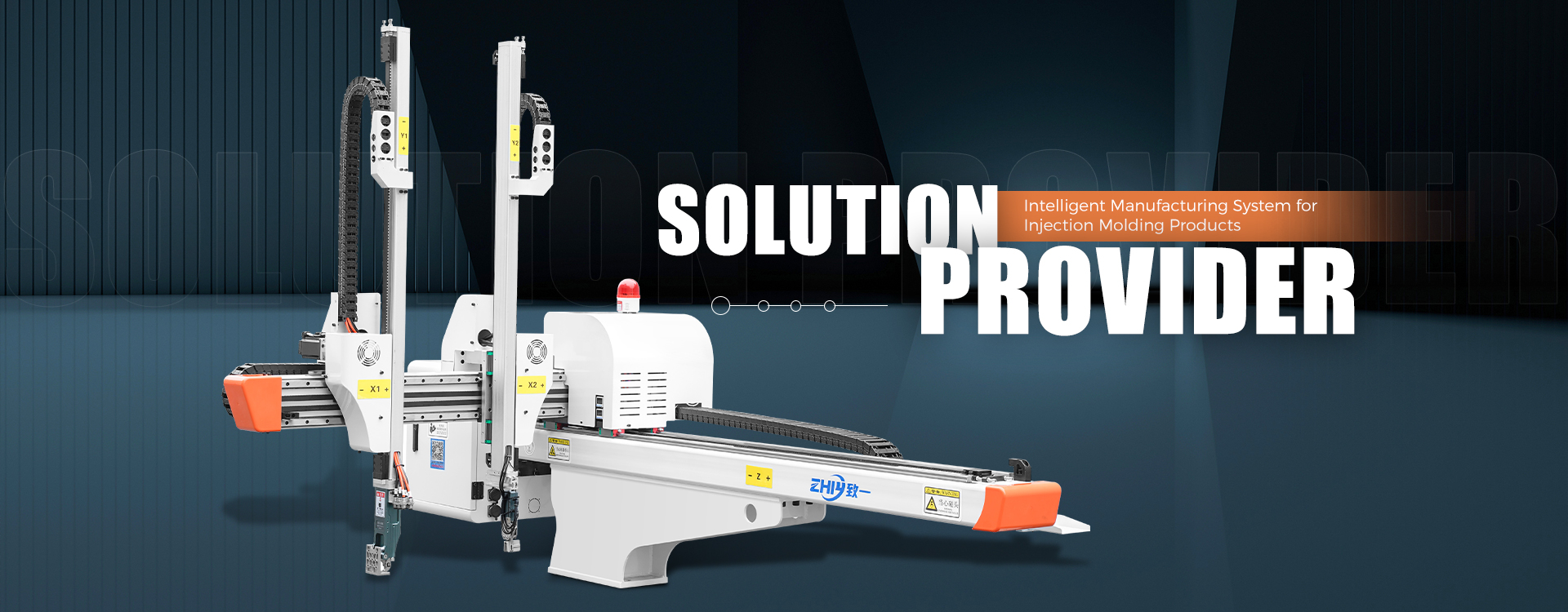
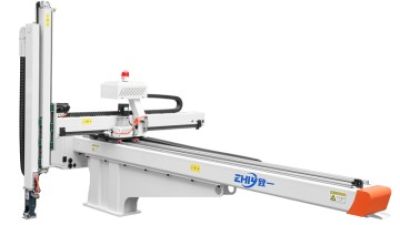
Revolutionizing Manufacturing with the Three-Axis Bull Head Injection Molding Robot Arm: Efficiency and Precision Redefined
The innovative three-axis Bull Head injection molding robot arm is setting new standards in manufacturing efficiency and precision. Tailored for medium and large injection molding machines, this advanced robotic solution enhances production processes by significantly reducing labor costs, thereby allowing factories to maximize profitability. Its robust load capacity, which supports weights between 15-20kg, ensures that it can handle a variety of tasks efficiently, making it a versatile choice for numerous applications in the injection molding industry.
A standout feature of this robot arm is its impressive ultra-long stroke dimensions, which include a vertical reach of 1500mm, a horizontal stretch of 2300mm, and a front and back movement of 1300mm. These extensive ranges make it compatible with injection molding machines ranging from 600T to 800T, ensuring adaptability across various manufacturing setups. The lightweight design, weighing only 470kg, combined with a modular structure, simplifies installation and guarantees stable operation. Furthermore, the robot is designed to support rapid customization and expansion, making it a strategic asset for businesses aiming to evolve in a fast-paced manufacturing environment.
FAQS
: This product aims to enhance user experience through innovative features. It simplifies tasks and improves efficiency.
Everyone, from beginners to professionals, can benefit. Users will find it useful regardless of their skill level.
The product streamlines processes, reducing time spent on mundane activities. It organizes information better for users.
Some users worry about the learning curve. However, many find it easier than expected. Feedback is important here.
Key features include user-friendly interface, customizable settings, and real-time updates. These enhance overall functionality significantly.
Yes, user feedback is highly encouraged. It helps in making improvements and addressing any shortcomings.
Customer support is available through various channels. However, response times may vary. Patience is recommended.
Users should consider returning the product. It's essential to evaluate whether it aligns with their needs.
Updates occur regularly to add features. Users should stay informed about new improvements and changes.
Yes, it is designed to integrate with various tools. Compatibility may vary, so checking details is advisable.
Conclusion
The article "2026 Best Robot CNC Machine for Precision and Efficiency?" provides a comprehensive overview of CNC machines, focusing on the essential features that define high-quality Robot CNC Machines. It discusses the foundational concepts of CNC technology and highlights the importance of precision and efficiency in machining processes. Key factors influencing a machine's performance are analyzed, comparing traditional CNC machines with their robotic counterparts, which are increasingly gaining traction in the industry.
Furthermore, the article delves into the future trends of Robot CNC technology, emphasizing its potential to revolutionize manufacturing. With advancements in automation and robotics, the expected implications for efficiency and precision in CNC machining are significant. Overall, this evaluation serves as a guide for those considering the latest Robot CNC Machines in 2026, ensuring they make informed decisions based on key performance indicators.