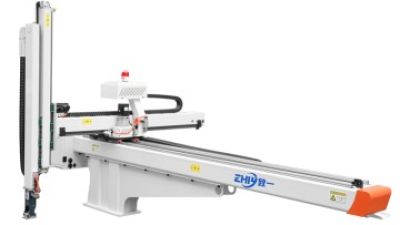
As automation keeps on growing in popularity, everyone’s really scoping out the best Articulated Robot Arms out there. Come 2026, businesses are gonna be all about boosting efficiency and getting precision just right. But let’s be honest — it’s not gonna be easy for manufacturers to meet all the different industry needs. Big names like KUKA and FANUC are out there pushing the envelope with new innovations, no doubt about that.
The market for articulated robot arms is changing fast, driven by new tech coming in all the time. These robots are making a real difference — helping boost productivity in manufacturing, logistics, you name it. Still, with so many options floating around, it can get pretty overwhelming trying to pick the right one. When shopping around, it’s smart to focus on reliability and solid support from whoever you buy from.
A good-quality articulated robot arm can really make your operations smoother and more efficient. But, here’s the thing — not all models live up to expectations. Sometimes, buyers overlook their specific needs in the rush, and that ends up being a mistake they regret. In the end, making informed choices is what’s really going to shape how automation evolves in the future.

Overview of Articulated Robot Arms in 2026
As we look into 2026, articulated robot arms stand out in various industries. These machines exhibit flexibility, precision, and adaptability. Many industries, including manufacturing and medical, are increasingly adopting these robots. They facilitate repetitive tasks, enhancing both efficiency and productivity.
The evolution of articulated robot arms continues to amaze. They now incorporate advanced sensors and AI technologies. This integration allows for better interaction with human workers and improved decision-making. However, challenges remain. The high initial investment and technical training requirements can deter small businesses. There is also an ongoing debate about the potential loss of jobs.
In terms of design, the weight and reach of these robot arms are critical. Manufacturers are focusing on reducing weight while maintaining strength. This shift enables more versatile applications. Despite these advancements, reliability in complex environments remains a concern. Testing and continuous improvement are essential for ensuring safety and effectiveness. The future holds promise, yet there are still hurdles to overcome.
Key Features to Consider When Selecting a Robot Arm
When selecting an articulated robot arm, key features play a vital role. One major consideration is the range of motion. A Robot arm with extensive flexibility can handle various tasks. Look for multi-jointed arms that replicate human movements. This versatility can significantly enhance operational efficiency.
Payload capacity is another crucial factor. Determine how much weight your tasks demand. A robust arm can lift heavier objects, ensuring reliable performance. However, overly robust designs can lead to increased costs and complexity. It's essential to find a balance based on your specific needs.
Precision is vital for many applications. A robot arm should provide accurate movements, especially in intricate tasks. Features like advanced sensors and feedback systems contribute to this precision. Nonetheless, high precision often comes at a premium price. Evaluate if the added accuracy aligns with your budget constraints.
Top Brands and Manufacturers in the Articulated Robot Market
The Articulated Robot Arm market is growing rapidly. Industries are increasingly adopting automation for efficiency. Understanding the top brands and manufacturers is crucial for global buyers.
Many factors influence the choice of an articulated robot arm. Buyers should consider the payload capacity, reach, and flexibility. Different industries require different specifications. It’s essential to research and compare various products available in 2026. Not every manufacturer will meet every need effectively.
**Tip:** Look for companies with strong customer reviews and proven reliability. This can indicate a manufacturer’s ability to provide ongoing support and quality products.
Investing in an articulated robot arm involves careful consideration of after-sales support. A manufacturer might offer great products but lack in repair services. Customers should ask about warranty options and available parts. Not all robot arms are built the same; some may require more maintenance.
**Tip:** Evaluate the total cost of ownership, including maintenance and operational expenses. A cheaper robot may have hidden costs that outweigh the initial savings. Always think long term when selecting an articulated robot arm.
Articulated Robot Arm Market Analysis 2026
Applications of Articulated Robot Arms Across Industries
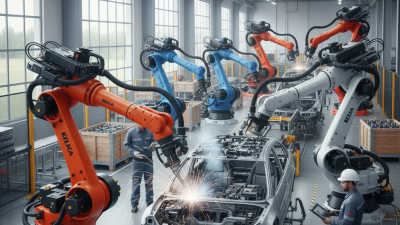
Articulated robot arms have seen a surge in applications across various industries. By 2026, the global articulated robot arm market is forecasted to reach $17 billion, according to industry reports. These arms are particularly essential in manufacturing, where precision and speed are paramount. They perform tasks such as welding, painting, and assembly. In automotive production, robot arms provide accuracy that enhances product quality.
Moreover, healthcare is increasingly adopting articulated arms for surgeries. They assist surgeons by offering better control and precision. Recent studies show that robotic-assisted surgeries reduce recovery times by up to 30%. This technology is not without its challenges. The high initial cost and maintenance can be deterrents for smaller facilities.
In the logistics sector, articulated robots optimize warehouse operations. They can pick, sort, and package items with remarkable efficiency. Reports indicate that automation could reduce operational costs by 20%. However, this automation raises concerns about workforce displacement. Companies must balance benefits with potential job losses. Recognizing these complexities is vital for successful integration into existing workflows.
Comparative Analysis of 2026 Models and Their Specifications
In 2026, the landscape of Robot Articulated arms will be diverse and competitive. Buyers will encounter a range of models designed for various applications. Each model will feature specifications tailored to meet specific industrial needs. Adaptable payload capacities will be crucial, allowing users greater flexibility in tasks. Speed and precision in movement will also matter, particularly for assembly lines and medical applications.
However, not all options will be ideal for every use case. Some models may excel in certain environments but lag in others. For instance, certain articulated arms may be better suited for heavy-duty tasks, while others shine in delicate operations. Looking closely at torque specifications and joint designs is essential. Understanding these details ensures buyers choose the right model for their unique requirements.
As the market evolves, users will need to continually assess their technology needs. What worked last year may not be optimal this year. Balancing cost with performance will also remain a critical challenge. Buyers should not only focus on specifications but also on their specific operational contexts. Each decision should reflect thoughtful consideration of current and future needs.
Price Trends and Budgeting for Articulated Robot Arms
In 2026, articulated robot arms are expected to see significant price fluctuations due to technology advancements and market demand. Buyers should prepare for varying budgets as the production costs shift. Enhanced functionalities may justify higher price points, impacting global buyers' decisions. A 6 Axis Articulated Robot can be a key investment, but its cost will likely rise as manufacturers improve efficiency.
Research indicates that pricing trends could lead to more affordable options in the lower end of the market. Companies focusing on innovation may prioritize quality over cost. However, potential buyers should approach with caution, as not all cheaper models deliver reliability. Understanding market dynamics becomes essential.
Evaluating the long-term value is crucial. An initial lower price can disguise future maintenance costs. Balancing price, performance, and durability is vital for informed decisions. Moreover, potential buyers must stay updated on emerging trends that might change their budgeting strategies. As technology evolves, the landscape of robot arms will constantly shift.
Future Innovations and Trends in Robotic Arm Technology
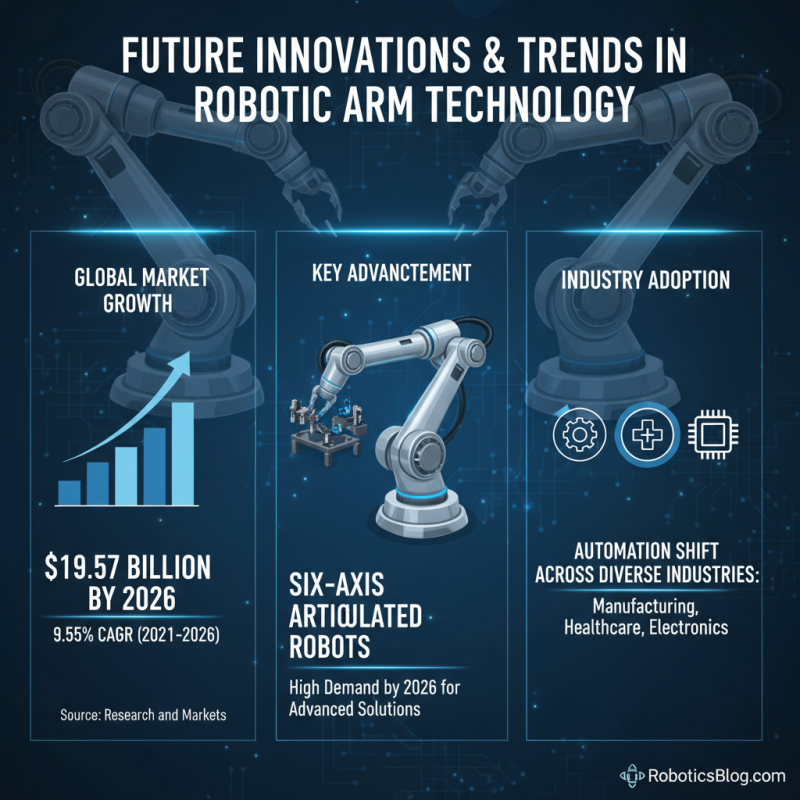
The landscape of robotic arm technology continues to evolve rapidly. By 2026, the demand for advanced solutions such as the Six Axis Articulated Robot is projected to surge. According to a recent report by Research and Markets, the global robotic arms market is expected to reach $19.57 billion, expanding at a CAGR of 9.55% from 2021 to 2026. This growth signals a shift towards automation across diverse industries.
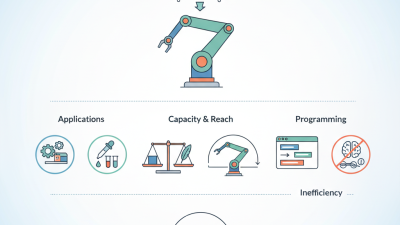
Innovations such as enhanced AI integration are paving the way for more intelligent robotic arms. These systems can learn from their environment and adapt their operations. However, challenges remain. The complexity of programming these advanced robots can lead to operational inefficiencies. Training personnel to manage such technology effectively is another hurdle that businesses face.
Predictive maintenance is also trending in the field. By using IoT sensors, companies can minimize downtime. This technology aids in anticipating failures before they occur. Yet, reliance on such advanced systems raises questions about cybersecurity risks. Ensuring that robust security measures are in place will be crucial as businesses adopt the Six Axis Articulated Robot and similar technologies.
Unlocking Precision Automation: The China Bull Head 3-Axis Servo Robotic Arm for Advanced Manufacturing Solutions
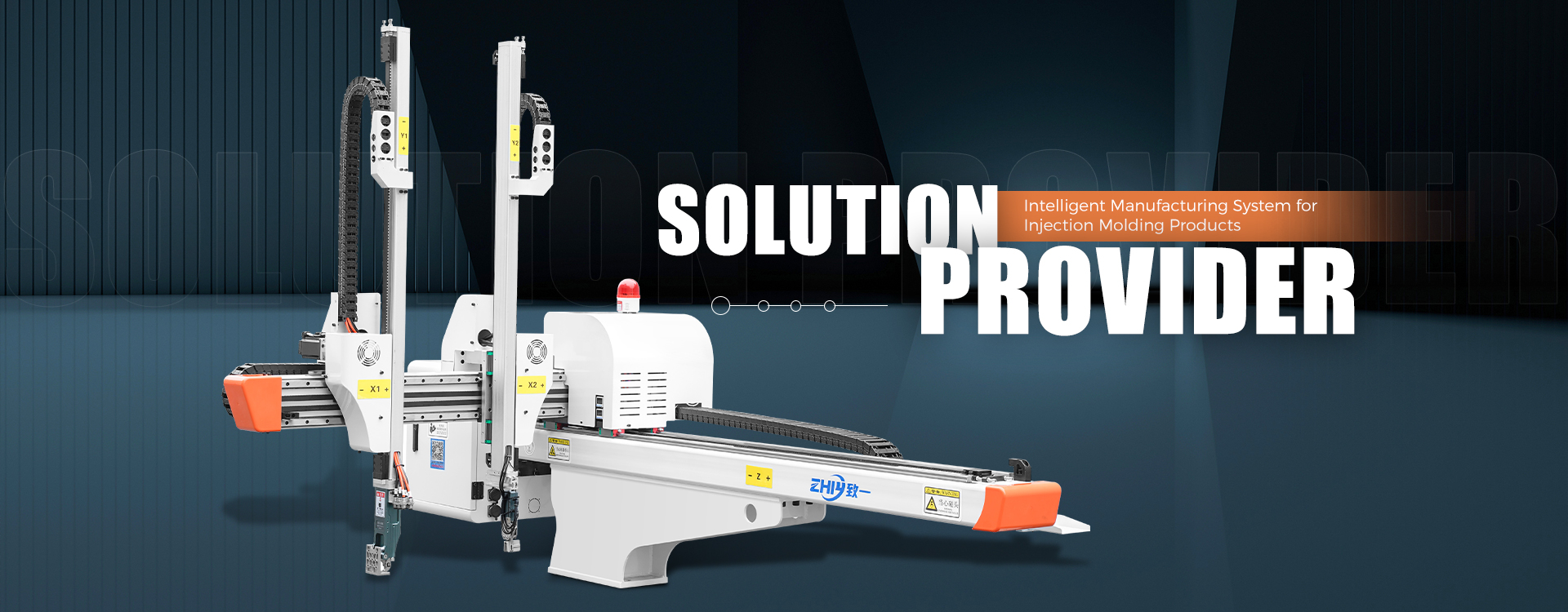
The demand for precision automation in manufacturing has never been greater, and the introduction of advanced robotic arms is revolutionizing the industry. The China Bull Head 3-Axis Servo Robotic Arm exemplifies state-of-the-art technology designed to meet the high-performance needs of modern production environments. With an impressive load capacity of 50kg, this robotic solution is perfect for handling complex molds and large products, allowing manufacturers to streamline operations and enhance productivity. Reports indicate that companies utilizing advanced automation tools can expect productivity increases of up to 30%, showcasing their importance in today’s competitive landscape.
Equipped with a remarkable stroke range, the robotic arm offers extensive movement capabilities: 3000mm upward and downward, 2330mm front and rear, and 4080mm horizontal strokes. This adaptability ensures compatibility with various injection molding machine specifications, making it an invaluable asset for manufacturers. The servo motor drive delivers high-precision control, boasting a repeat positioning accuracy of ±0.05mm which is critical for maintaining product consistency and quality standards. Additionally, intelligent operation features such as PLC programming and remote monitoring facilitate effortless management, reducing operational complexities and maintenance costs.
Weighing in at 950kg, the robust structure of the robotic arm is engineered for high-intensity continuous operation, making it reliable for daily manufacturing demands. Industry studies reveal that durable robotic solutions can significantly lower downtime and repair expenses, further reinforcing their value for suppliers and manufacturing facilities aiming to optimize their output capabilities. The integration of such advanced technology not only augments production efficiencies but also paves the way for innovation in manufacturing processes.
FAQS
: Focus on range of motion, payload capacity, and precision. Flexibility and multi-jointed designs improve task execution.
Check the payload capacity needed for your tasks. Heavier arms might increase costs and complexity.
Accurate movements are crucial for intricate tasks. Sensors and feedback systems enhance this precision.
Evaluate if the added accuracy fits your budget. Higher precision often comes with a higher price tag.
They are used in manufacturing, healthcare, and logistics. Common tasks include welding, painting, and surgery assistance.
Initial costs and maintenance can be high. Smaller facilities may find these factors challenging.
They can reduce costs by up to 20%. However, balance this with potential impact on jobs.
It's vital. Great products without support can lead to difficulties in repairs and maintenance.
Yes, strong reviews indicate reliability and ongoing support from manufacturers.
Include maintenance and operational costs in your evaluation. Sometimes cheaper options can lead to hidden expenses.
Conclusion
In 2026, the landscape of Articulated Robot Arms has evolved significantly, offering advanced automation solutions across various industries. An overview of the market highlights key features to consider when selecting a robot arm, such as payload capacity, range of motion, and precision. The comparative analysis of 2026 models reveals diverse specifications catering to specific applications, ranging from manufacturing and assembly to healthcare and logistics.
Price trends indicate a growing affordability of Articulated Robot Arms, making them accessible to a wider range of businesses. As the demand for automation continues to rise, future innovations are expected to enhance functionality and adaptability, ensuring these robotic arms remain integral to operational efficiency in multiple sectors. Understanding these aspects will help global buyers make informed decisions when investing in Articulated Robot Arms for their operational needs.