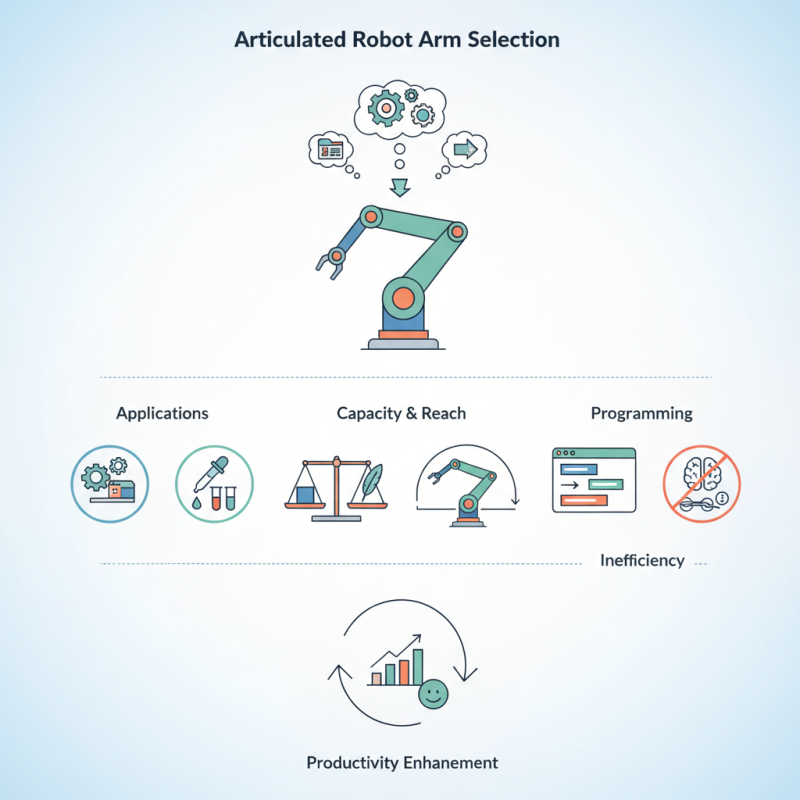
Picking the right Articulated Robot Arm isn’t something to take lightly — it really pays to think it through. There are tons of different models out there, each designed for specific tasks, so understanding their unique features can make a big difference. Basically, you want to match the robot’s capabilities with what you actually need.
Think about the kind of work you'll be doing. Different industries use these arms for all sorts of things. For example, manufacturing plants often need precise, repeatable movements for assembling parts, while labs might need something more flexible — handling fragile instruments or working in tight spaces.
Also, don’t forget to check out the weight capacity and reach. Some models are built for heavy lifting, while others are better suited for detailed, delicate work. And honestly, programming ease matters, too. If A Robot’s super complicated to set up, it can slow you down more than you’d like. It’s a good idea to really pin down your needs upfront and think about possible limitations. An ill-fitting choice can lead to frustration and inefficiency, so take your time.
At the end of the day, picking the right arm can really boost how productive you are — so it’s worth investing a bit of thought into it.
Understanding Articulated Robot Arms and Their Applications
Articulated robot arms are versatile tools widely used across various industries. These robot arms offer flexibility and precision, making them suitable for tasks like assembly, welding, and material handling. According to recent industry reports, the global market for articulated robots is expected to reach USD 13 billion by 2026, growing at an annual rate of 10%. This growth speaks to their expanding applications and innovations in automation.
In manufacturing, articulated robots enhance productivity and maintain quality. They can operate in complex environments, performing repetitive tasks with accuracy. Yet, integrating these robots into existing systems can be challenging. Companies may face compatibility issues or require significant training for staff. For example, a survey shows that 48% of manufacturers struggle with the upskilling of employees when implementing advanced robotics. Addressing these concerns is crucial for maximizing the benefits of automation.
Despite their advantages, articulated robots can come with limitations. Not all tasks are suitable for automation, and human oversight is often still needed. Additionally, the upfront investment can be substantial. A detailed analysis of your operations is essential before making a decision. Failure to consider specific needs may lead to underperformance. Balancing automation with human capabilities remains a delicate task in the quest for efficiency.
Articulated Robot Arm Applications by Industry
Key Factors to Consider When Selecting an Articulated Robot Arm
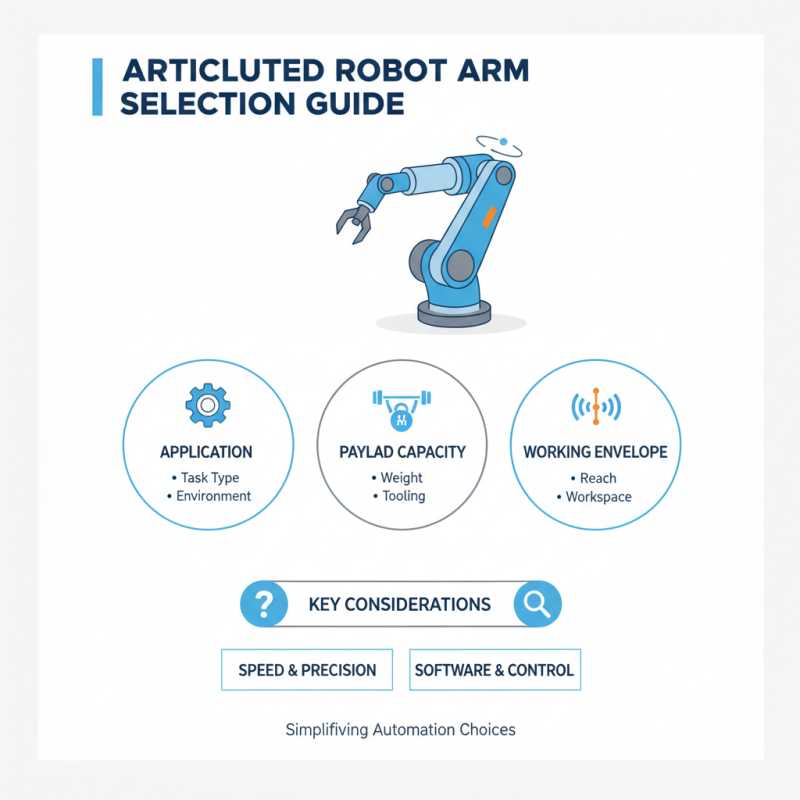
When selecting an articulated robot arm, several key factors come into play. Understanding your specific application is crucial. Determine the payload capacity needed. This will influence the size and strength of the robot arm. A heavier payload requires a more robust arm. Consider the working envelope as well. The arm should easily reach all required positions in your workspace.
Next, look into the precision and speed of the robot arm. If your tasks demand high accuracy, opt for a model with tight tolerances. Speed is also vital; faster movements can enhance productivity. However, balance speed with the complexity of tasks. Sometimes, slower operations yield better results.
Tips: Assess compatibility with existing systems. Ensure it integrates smoothly with your current technology stack. Also, think about ease of programming. A user-friendly interface can lead to quicker training times. Maintenance requirements are another consideration. Regular checks can prolong the life of your robot arm. Be prepared for potential challenges that will arise during operation. It's a learning curve that could take time to master.
Assessing Load Capacity and Reach for Your Specific Tasks
When selecting an Articulated Robot Arm, understanding load capacity and reach is crucial. Load capacity determines what weight the arm can handle effectively. If the load exceeds this limit, your tasks may fail. It is important to evaluate not only the maximum weight but also the weight distribution across the arm’s joints. An uneven load can lead to wear and tear, reducing the arm’s lifespan.
Reach is equally essential. It defines how far an articulated robot arm can extend to perform tasks. If your workspace is cluttered or constrained, a shorter reach may suffice. However, it’s vital to consider the height and depth of your operations. A robot with a limited range might save space, but it could also hinder productivity. You may find yourself adjusting tasks to fit the constraints, leading to frustration.
Both load capacity and reach should be assessed in the context of specific applications. A seemingly perfect robot may not fit your unique environment. Reflecting on your actual needs will help you avoid costly mistakes. Balancing these elements can lead to better efficiency and effectiveness in your operations.
Evaluating Degrees of Freedom in Articulated Robot Design
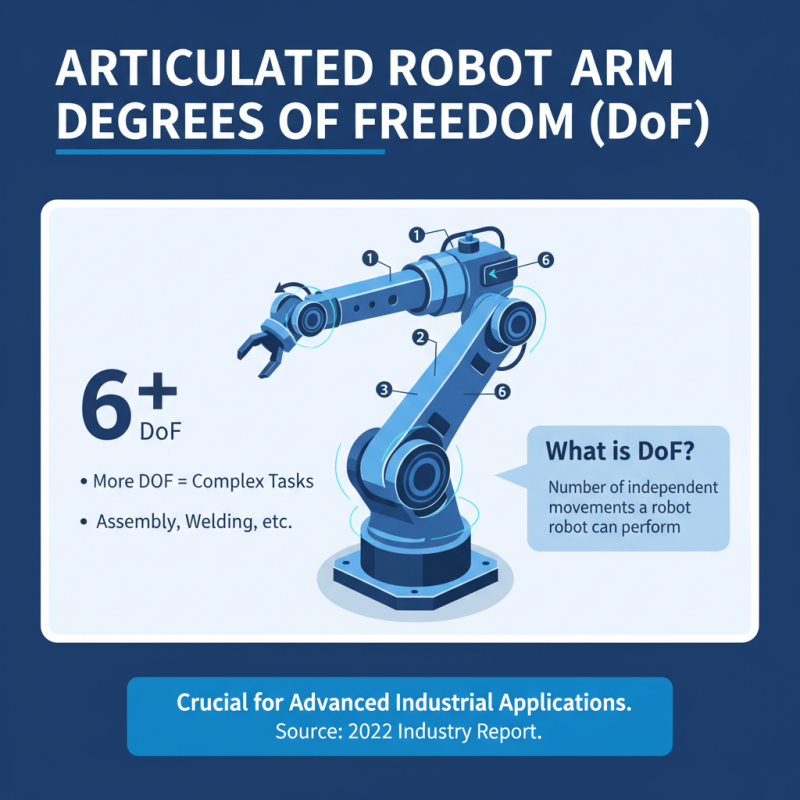
When selecting an articulated robot arm, evaluating its degrees of freedom (DoF) is crucial. DoF refers to how many independent movements a robot can perform. A robot with more DoF can execute complex tasks more efficiently. According to a 2022 industry report, robots with six or more DoF are necessary for intricate applications like assembly and welding.
However, more DoF can also mean increased complexity. This can lead to higher costs and maintenance challenges. Many industries face this dilemma, weighing the benefits of versatility against operational demands. Some robots with fewer DoF might be adequate for tasks requiring limited movement, reducing initial investment and simplifying programming.
For instance, in the automotive sector, a robot arm with three DoF may suffice for basic component handling. Yet, as tasks grow more sophisticated, businesses find limitations. Reports indicate that companies using multi-jointed robots achieve 30% better efficiency in complex tasks. Evaluating DoF requires a balance. Too many might complicate usage; too few can hinder performance. Understanding these trade-offs is essential for optimal investment.
Importance of Precision and Accuracy in Robot Arm Selection
When selecting a Robot Articulated arm, precision and accuracy are vital. According to a recent industry report, manufacturing errors can cost companies up to 5% of their total revenue. This statistic highlights the significance of having a precise robot arm. In applications like electronics assembly, even minor inaccuracies can lead to product failures.
Specific industries require different precision levels. For instance, automotive manufacturing often demands a tolerance of ±0.05 mm, while food packaging may require only ±0.5 mm. Choosing the right level of accuracy ensures that production runs efficiently. Investing in a more precise articulated arm may seem costly initially, but the long-term benefits often outweigh the starting expenses.
Many companies struggle with the perception of quality versus cost. Some believe that a cheaper robot will meet their needs, only to face higher failure rates later. Feedback from various sectors indicates that the initial savings can lead to greater expenses due to rework and waste. This common oversight underscores the need to prioritize precision when choosing a robot articulated arm.
Comparing Price Points and Value for Different Models
When selecting an articulated robot arm, understanding price points is crucial. In recent industry reports, prices for 6 Axis Articulated Robots can vary significantly. Basic models start at around $25,000. However, more advanced systems with higher payload capacities can cost upwards of $100,000. This wide range highlights the importance of matching your budget with your specific requirements.
While a lower price may be tempting, it's essential to consider long-term value. A cheaper 6 Axis Articulated Robot might lack features necessary for complex tasks. For instance, higher-priced models often have better sensors and software integration. These features can enhance efficiency and reduce downtime. Data from market trends indicate that investing in more capable models pays off in the long run, balancing initial costs with productivity gains.
Additionally, some companies may overlook the hidden expenses associated with cheaper options. Maintenance and support can add significant costs over time. Minor savings on the initial investment can lead to larger financial burdens down the line. Choosing the right model involves evaluating these factors carefully. The right 6 Axis Articulated Robot will not only meet your immediate needs but also prove its worth through sustained performance and reliability.
Integration with Existing Automation Systems and Software
When selecting an articulated robot arm, consider how it will integrate with your existing automation systems and software. Research indicates that 53% of companies report challenges in integrating new automation tools with legacy systems. Understanding your current setup is crucial. Create a comprehensive list of existing software and equipment. This allows you to identify compatibility requirements early on.
A "Six Axis Articulated Robot" offers great versatility but also demands careful planning. Before purchasing, ensure that your current automation software can communicate effectively with the robot’s controls. Some systems might require additional software or middleware. Data from industry reports show that seamless integration can enhance productivity by up to 30%.
Here are some tips: Assess the communication protocols of your current systems. Look for standardized interfaces. This can reduce integration complexity. Test the robot arm with your systems before full deployment. Real-world testing reduces unforeseen issues. Be prepared for potential adjustments post-integration. Understand that initial challenges are normal in adopting new technology. Embrace these as learning opportunities.
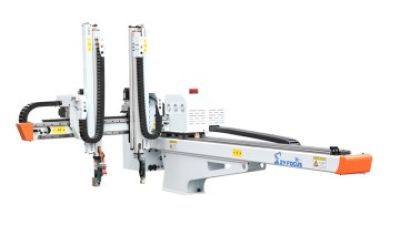
Innovative Solutions: Exploring the Advantages and Applications of the Five-Axis Double-Arm Double-Section Robot
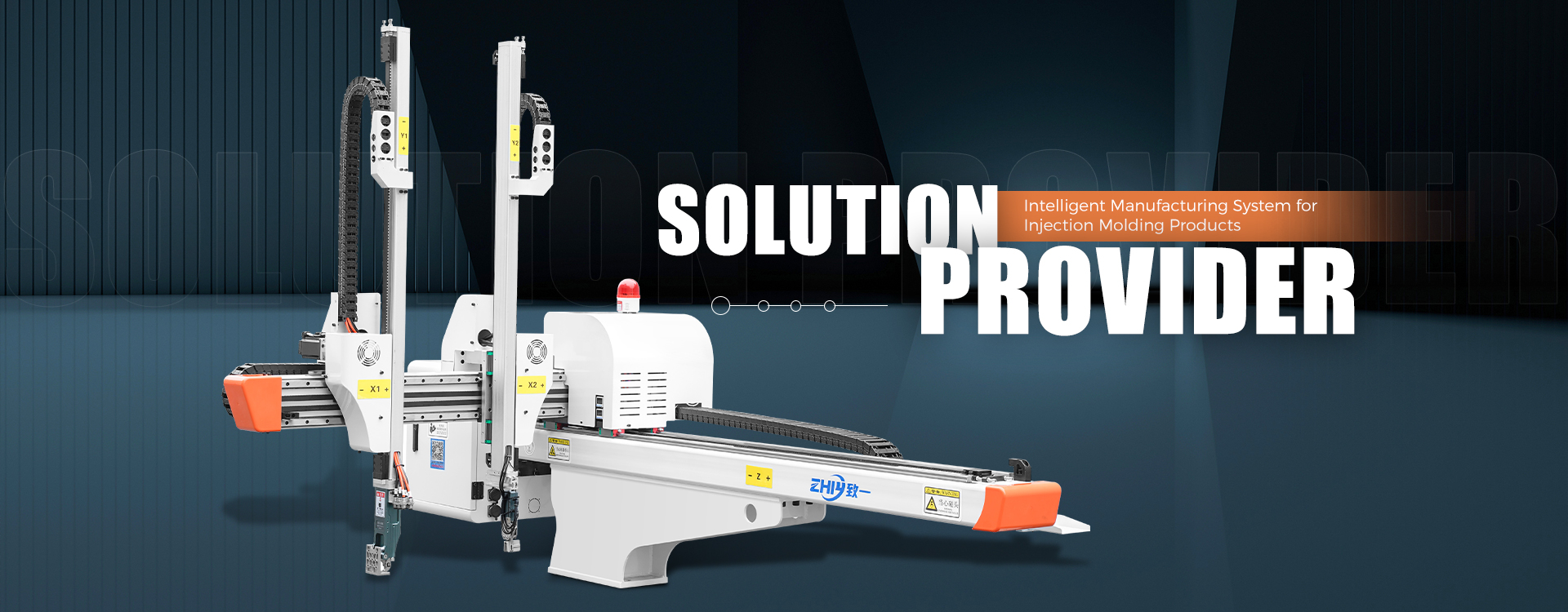
In the rapidly evolving landscape of manufacturing, the integration of innovative technologies is vital for achieving production excellence. The five-axis double-arm double-section robot is a groundbreaking solution that addresses the demands of precision and efficiency in various sectors. With its ability to navigate complex production tasks, this robot stands out for its versatility, making it ideal for applications ranging from automotive parts manufacturing to electronic equipment assembly and even medical supplies production.
The design of the five-axis double-arm robot focuses not just on mechanical strength, but also on intelligent control systems that enhance its adaptability to different environments. This capability allows it to perform intricate operations with remarkable accuracy, significantly improving production efficiency. As a result, businesses can streamline their manufacturing processes and reduce cycle times, giving them a competitive edge in the global market. This innovative technology supports the shift towards smart factory automation, ensuring manufacturers can meet the increasing demands for high-quality output in a fast-paced economic climate.
FAQS
: The product aims to enhance daily convenience and user experience. It simplifies routine tasks.
Nearly anyone can benefit. It is designed for a wide range of users, regardless of age.
Store in a cool, dry place. Avoid direct sunlight or extreme temperatures to maintain quality.
Some users report minor malfunctions. Regular maintenance may prevent these frustrations.
Yes, but be cautious of weather conditions. Rain and humidity might affect its performance.
Check the user manual for troubleshooting tips. If needed, contact customer support for assistance.
Conclusion
When selecting an articulated robot arm, it is essential to understand its various applications and the specific needs of your tasks. Key factors to consider include load capacity and reach, which directly affect the arm's ability to handle different materials and perform tasks efficiently. Evaluating the degrees of freedom in the robot design is also crucial, as it determines the arm's flexibility and range of motion.
Additionally, precision and accuracy are vital in ensuring that the articulated robot arm meets the desired operational standards. It is important to compare price points and the overall value of different models, taking into account budget constraints. Lastly, the ability to integrate the robot arm with existing automation systems and software can significantly enhance productivity and streamline operations. By carefully assessing these considerations, you can choose the right articulated robot arm that aligns with your specific requirements.