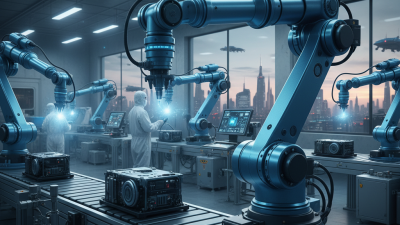
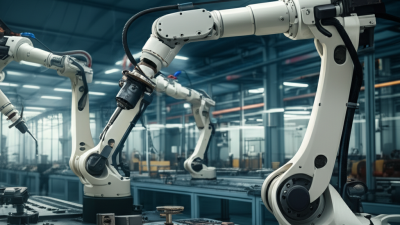
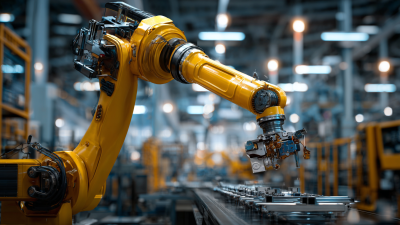
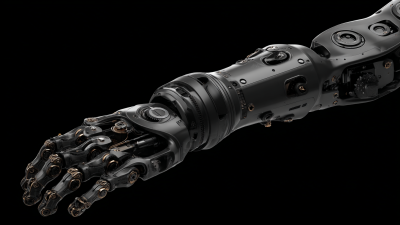
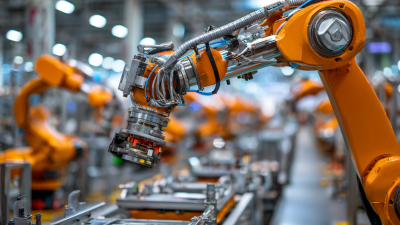
Lately, you’ve probably noticed how Articulated Robot Arms are really shaking up industries. Companies like KUKA and ABB? They've been at the forefront, pushing these technologies forward. These robots are pretty impressive—they work with incredible accuracy and speed, which means companies can get more done in less time. They’re especially great for stuff like assembling parts, welding, or packaging products. It’s like having a super-efficient helper on the factory floor.
That said, bringing these robot arms into the mix isn’t always smooth sailing. Some industries find it tricky to integrate them into their existing systems. Plus, it’s not uncommon for workers to feel kinda threatened by all this automation—who wouldn’t be a little worried about job security? It’s super important for companies to handle these concerns carefully so everyone can work together peacefully. And let’s not forget the cost—starting up with these robots can be pretty pricey, especially for small businesses trying to get started.
But even with those hurdles, the upside is pretty huge. These robots can run nonstop, cutting downtime and boosting overall efficiency. They also make workplaces safer by taking on those dangerous or dirty jobs that no one really wants to do. Thanks to ongoing tech improvements, these robots are becoming more affordable and easier to adopt. As industries move forward with this tech, there's a growing need for skilled folks who can operate and maintain these robotic systems. The whole process of integrating Articulated Robot Arms into manufacturing is still unfolding, and honestly, it makes you wonder what the future of work will look like with all these changes happening.
Applications in Manufacturing: Improving Efficiency and Precision
Articulated Robot Arm are becoming essential in modern manufacturing. Reports show that these arms can increase production efficiency by up to 30%. They perform repetitive tasks with high precision, reducing errors in assembly lines. This precision is crucial in sectors like electronics, where even tiny errors can result in significant losses.
The integration of articulated robot arms leads to faster cycle times. For instance, they can assemble components in mere seconds, a task that might take a human several minutes. However, challenges remain. Not all tasks are suitable for automation; intricate details often require human finesse. A study from a leading industrial research group indicated that about 20% of tasks still need human intervention.
Moreover, the transition to automation requires careful planning. Companies often face initial investment hurdles. Although articulated robot arms promise long-term savings, the upfront costs can be daunting. Balancing human labor with robotic efficiency remains a topic for debate. Companies must analyze their specific needs before fully committing to robotic integration.
Robotic Arms in Automotive Assembly: Streamlining Production Lines
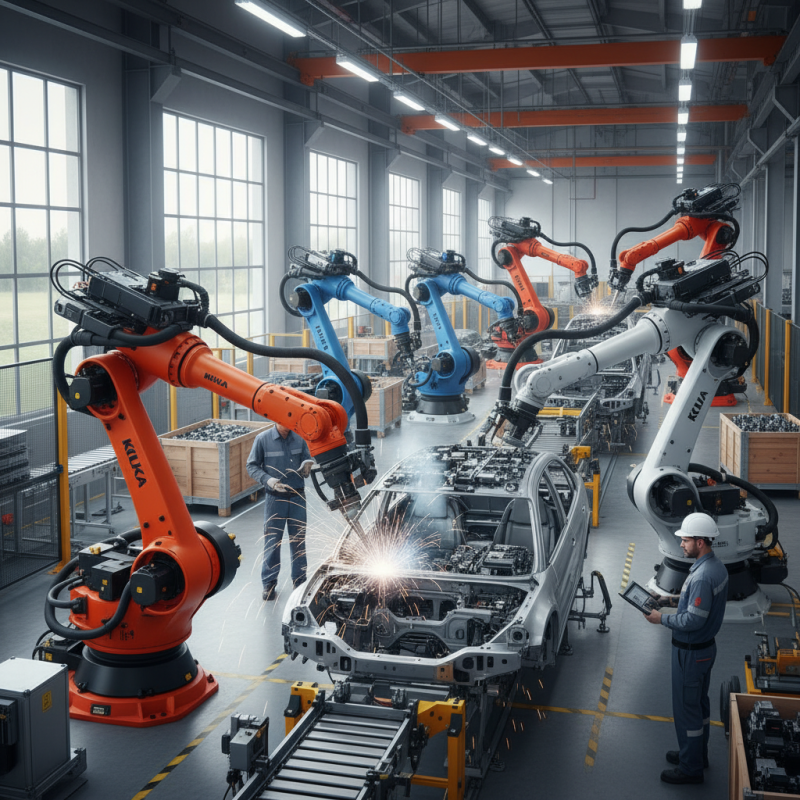
In the automotive industry, Robotic Arms are transforming traditional assembly lines. These machines, often calledRobot Articulated arms, perform repetitive tasks with precision. They weld, paint, and assemble parts at remarkable speeds. This innovation drastically reduces the labor-intensive nature of vehicle production. However, it's not without challenges.
While these robotic systems increase efficiency, they can also create dependency. Manufacturers may struggle to pivot if machinery breaks down. Adaptability is essential in fast-paced markets. Furthermore, implementing Robot Articulated arms requires significant investment. Companies must weigh the costs against long-term benefits, as budget constraints can lead to suboptimal decisions.
Despite these hurdles, the advantages are clear. The accuracy of robotic arms minimizes human error, ensuring better product quality. Yet, the human touch in quality control is irreplaceable. Balancing automation and human oversight is crucial. As manufacturers embrace this technology, reflection on its impact continues. The journey of integrating robotic arms in automobile assembly is ongoing, with both successes and lessons to learn.
Top 10 Applications of Articulated Robot Arms in Industry
This chart illustrates the top applications of articulated robot arms in various industrial sectors. The data reflects their usage in different areas, highlighting their importance in enhancing efficiency and productivity across industries.
Food Processing: Enhancing Safety and Speed with Robotic Automation
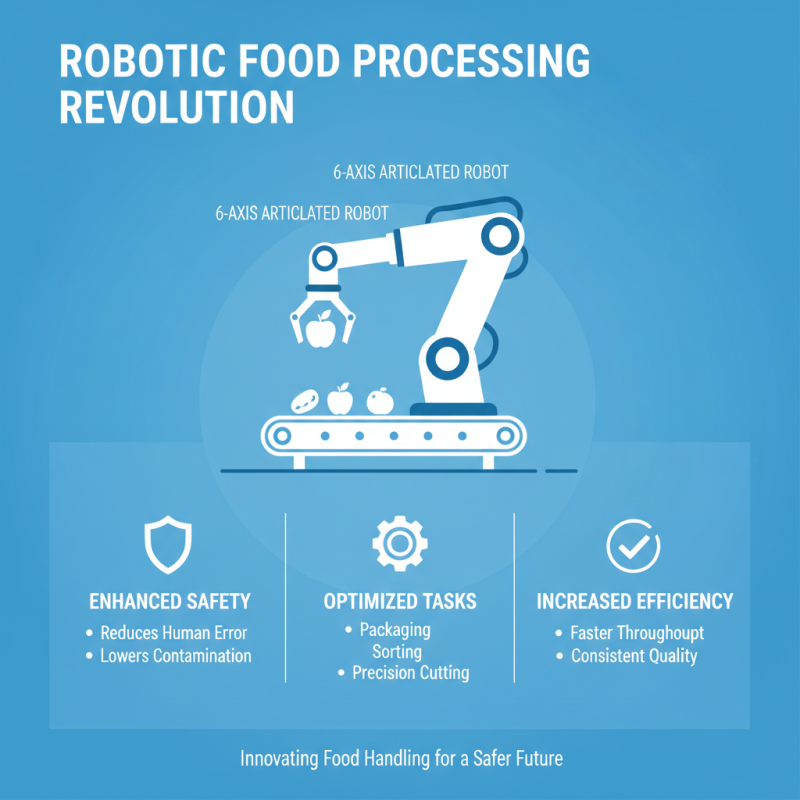
Robotic automation has revolutionized food processing. The use of a 6 Axis Articulated Robot significantly enhances safety in food handling. These robots reduce human error, lowering contamination risks. They carefully manage tasks such as packaging, sorting, and precision cutting.
Speed is another crucial factor. Robots work relentlessly, completing tasks much faster than humans. This efficiency helps meet rising consumer demands and streamlines production. However, the initial setup and programming of these robots can be challenging. Organizations must consider ongoing maintenance and proper training.
**Tip:** Always assess the layout of your workspace. A well-designed environment can make robotic operation smoother.
Moreover, integrating these robots requires constant evaluation. Human workers need to adapt to this changing landscape. Training employees to collaborate with robots can lead to improved outcomes.
**Tip:** Encourage feedback from workers. They can provide insights into how automation affects daily tasks.
Warehouse Logistics: Optimizing Inventory Management and Order Fulfillment
In the realm of warehouse logistics, articulated robot arms play a crucial role in optimizing inventory management. These robotic systems help sort, pick, and package products efficiently. They can handle a variety of items, from small components to large packages. This versatility allows warehouses to maximize their space and streamline operations. Yet, the implementation of these robots is not without challenges.
One significant hurdle is the integration with existing systems. Warehouses often use outdated technology. Upgrading can be costly and time-consuming. Additionally, there's a learning curve for staff. Training employees to work alongside robots takes effort and resources. Some workers may resist the change, fearing job loss.
Despite these issues, the benefits are substantial. Robot arms can operate 24/7, improving order fulfillment rates. They reduce human error and enhance accuracy in inventory counts. As industries adapt to e-commerce demands, the pressure to optimize logistics intensifies. Warehouses that embrace these technologies stand to gain a competitive edge. However, they must also address the human element to ensure a smooth transition.
Medical Robotics: Revolutionizing Surgery and Patient Care
Medical robotics is transforming how surgeries are performed. Articulated robot arms enhance precision during operations. They allow surgeons to execute complex movements with minimal invasiveness. For example, these robots can facilitate delicate procedures such as suturing or tissue manipulation. The enhanced dexterity improves patient outcomes significantly.
In patient care, robotic systems assist in rehabilitation therapies. These arms support patients in performing repetitive tasks for recovery. However, reliance on robotic assistance raises concerns. Some worry about the potential reduction in human interaction. Communication with patients is vital for emotional support. Balancing automation with human touch remains a challenge in the field.
Furthermore, safety issues arise with robotic surgeries. Errors can occur despite high precision levels. Surgeons must remain vigilant and capable. The integration of robots in medicine prompts a critical reflection on their role. While they bring advancements, the questions of ethics and responsibility require ongoing dialogue.
Agriculture: Utilizing Robotic Arms for Precision Farming Practices
Agriculture is experiencing a revolution with the integration of technology. One significant innovation is the use of articulated robot arms, particularly the Six Axis Articulated Robot. These robots enhance precision farming, allowing for efficient planting, harvesting, and monitoring of crops. Reports indicate that robotic automation can increase crop yields by up to 30%. This is crucial for meeting the growing global food demand.
Farmers are utilizing these robotic arms for tasks such as planting seeds and applying fertilizers. These robots work with remarkable accuracy. They reduce human error and ensure that resources are used efficiently. However, challenges remain. Training staff to operate and maintain these robots can be costly and time-consuming. Not every farmer has the capacity for such investment.
Weather variations also impact robotic farming. Drones and robotic arms may struggle in adverse conditions, affecting performance. Data shows that while automation increases efficiency, it is not a blanket solution. Each farm has unique needs. Balancing technology and traditional farming practices remains essential. The future of agriculture may hinge on finding this balance.
Construction Industry: Enhancing Worker Safety with Robotic Assistance
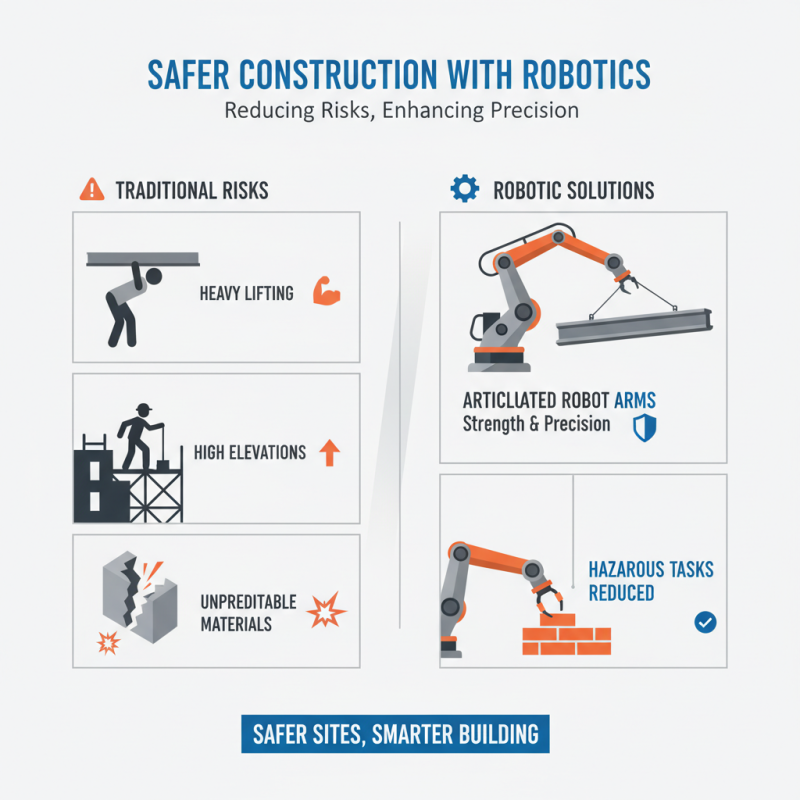
The construction industry often poses significant risks to workers. Heavy lifting, high elevations, and unpredictable materials create hazardous environments. Articulated robot arms can help reduce these dangers. They are designed to perform tasks that traditionally require human strength and precision.
Using robotic assistance can notably enhance safety on construction sites. These machines can handle heavy items like steel beams or concrete blocks. They operate in tough conditions where human error is more likely. For instance, during a site renovation, a robotic arm could lift heavy materials to high locations without risking worker injury.
However, the integration of robotics in construction is not without challenges. Not every task can be automated effectively. Some workers might feel threatened by robots, fearing job loss. There is also the need for training workers to operate these devices safely. Balancing automation and human skills is crucial for a successful transition.
FAQS
: Focus on prioritizing tasks daily. Break larger tasks into smaller steps. Avoid distractions like social media.
Stress can lead to headaches and fatigue. It might decrease your immune system's efficiency. Reflect on your stressors.
Create to-do lists and set deadlines. Use timers for focused work sessions. Regular breaks can improve focus.
Remind yourself of your goals. Seek support from family or friends. Write down your achievements to boost morale.
Weigh the pros and cons. Consider long-term effects. Sometimes, seeking help or advice can provide new perspectives.
Self-care is essential for mental clarity. Simple activities like walking or reading can rejuvenate your spirit. It's an ongoing need.
Conclusion
Articulated Robot Arms are transforming various industries through their versatile applications. In manufacturing, these robots enhance efficiency and precision, reducing the potential for human error while optimizing production processes. Their role in automotive assembly demonstrates their capability in streamlining production lines, enabling faster and more effective workflows.
In addition to manufacturing, articulated robot arms are making significant impacts in the food processing sector by increasing safety and speed through automation. In warehouse logistics, they improve inventory management and expedite order fulfillment, while in the medical field, they revolutionize surgery and patient care by providing enhanced precision and control. Furthermore, in agriculture, these robotic arms support precision farming practices, and in the construction industry, they contribute to enhanced worker safety by assisting with hazardous tasks. Overall, articulated robot arms are crucial in driving innovation and efficiency across a range of sectors.