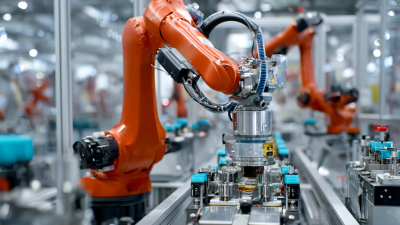
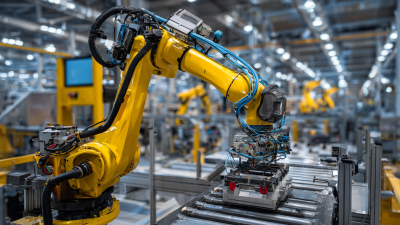
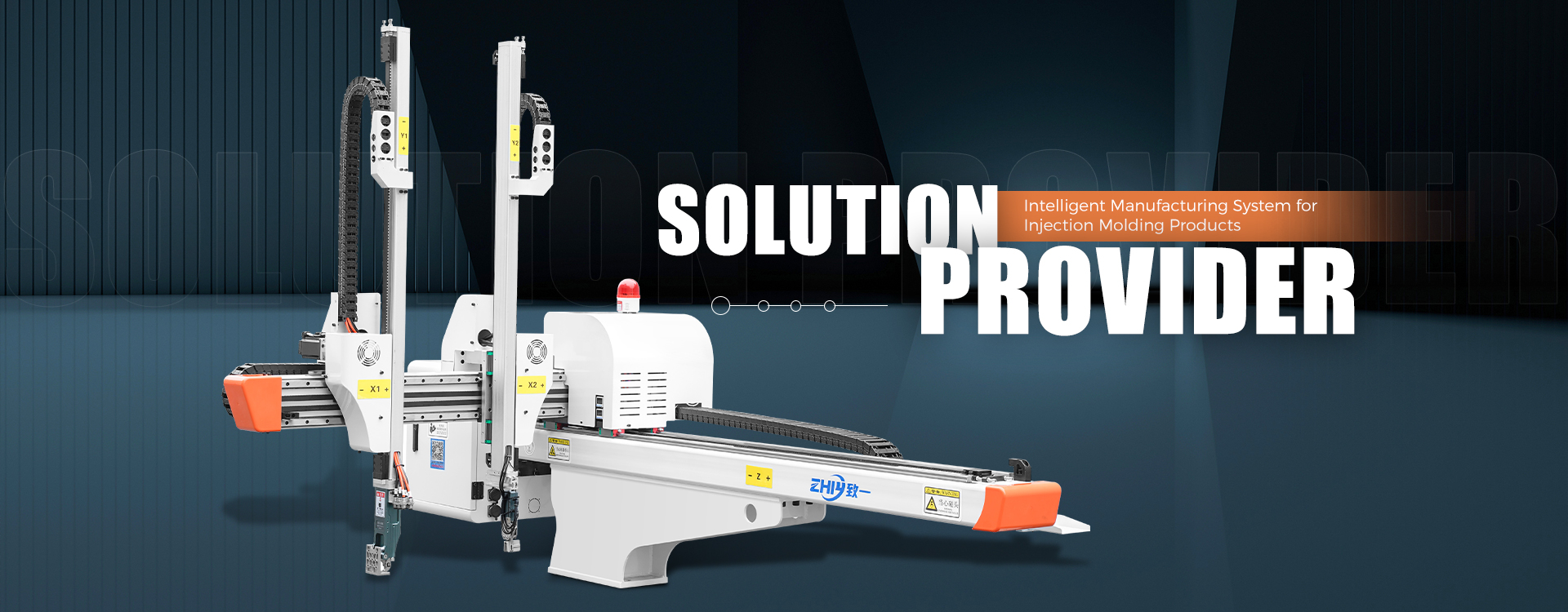
Hey, in today’s super competitive world of manufacturing, picking the right Molding Robot can really make a big difference when it comes to your productivity and efficiency. I mean, there are tons of options out there, each promising it’s the best thing since sliced bread. But honestly, navigating all these choices can be pretty overwhelming without some know-how. Luckily, companies like RoboTech Manufacturing can offer some solid insights into what each model can do and what features they have.
Choosing the right Molding Robot isn’t just a matter of comparing prices, either. You’ve gotta think about what your production line really needs—things like size, speed, and how precise you need it to be. Plus, understanding how your entire workflow works can help you pick something that actually fits well. Too many businesses skip over this, and then they end up hitting roadblocks down the line.
Investing in a Molding Robot isn’t just about staying ahead — it’s about committing to better quality and innovation. But at the same time, you gotta take a step back and think about your long-term goals. How does automation really fit into where you want to go? Sure, embracing this technology can bring some serious perks, but if you don’t plan things out properly, you might run into unexpected issues. The key is to choose something that not only boosts efficiency, but also works well with your team’s skills and expertise—that way, everyone’s on the same page and you get the best results.
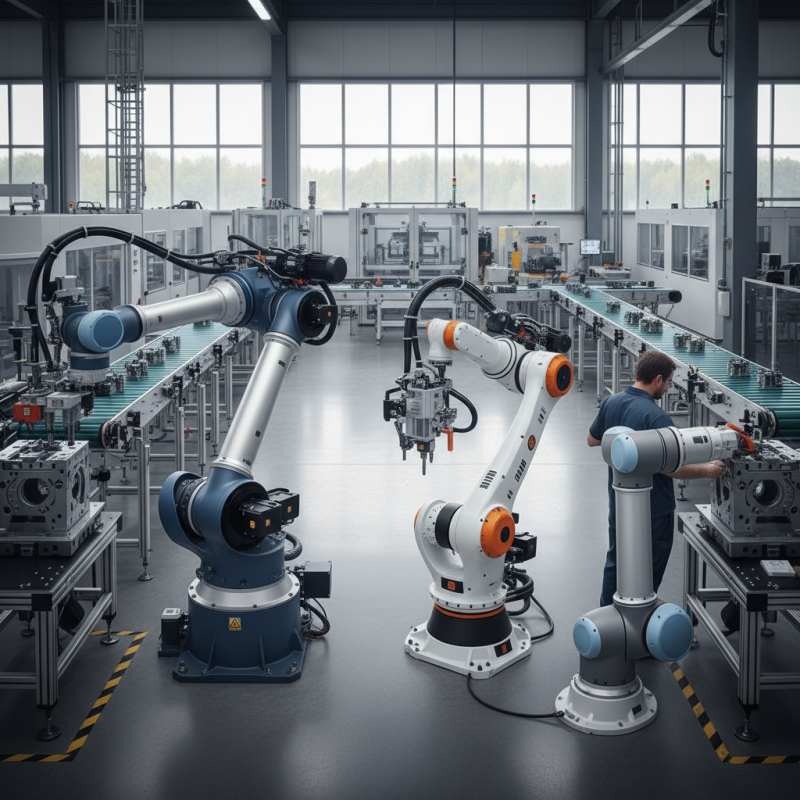
Understanding the Different Types of Molding Robots Available
When choosing a molding robot for your business, understanding the types available is crucial. Molding Machine Robots can be classified into three main types: Cartesian, SCARA, and six-axis robots. Cartesian Robots excel in linear movements and are ideal for straightforward injection molding tasks. SCARA Robots offer flexibility and speed for tasks requiring horizontal movement, particularly useful in assembly lines. Six-axis robots provide the most versatility, handling complex movements for intricate designs.
Recent industry reports indicate that the global market for molding machine robots is expected to grow at a CAGR of 8.5% from 2021 to 2026. This growth reflects the increasing adoption of automation in manufacturing. Companies can achieve significant efficiency improvements by selecting the right robot type. However, one must reflect on the specific needs of their production line. A mismatch in robot type can lead to inefficiencies and increased costs.
Selecting the right molding robot requires an understanding of your applications and production goals. Many businesses overlook the importance of compatibility between the robot and existing machinery. Always evaluate the automation solutions based on your specific processes. Ignoring these details can result in underwhelming performance and wasted investment. Familiarize yourself with each type to make an informed decision.
Assessing Your Business Needs and Production Requirements
When assessing your business needs and production requirements, it's crucial to consider the specific tasks an injection molding robot will handle. Industry reports indicate that companies using robotic automation can experience up to a 30% increase in productivity. However, not all robots fit every application. Understanding the intricacies of your production line helps identify which features are essential for efficiency.
Analyze your current workflow carefully. Look for bottlenecks or areas where human labor is insufficient. It’s important to note that integrating automation involves learning curves. An estimated 40% of businesses report challenges when training staff on new robotic systems. This reinforces the need for a well-thought-out implementation plan and ongoing education.
Evaluate the types of molds you'll be using. Some robots excel in high-speed operations, while others are optimized for precision and repeatability. Consider that a machine designed for speed may sacrifice accuracy, and vice versa. Striking the right balance for your operation is vital. A tailored approach can significantly enhance the benefits of Injection Molding Robot Automation, ensuring smoother production processes and higher-quality output.
Evaluating Automation Levels and Compatibility with Existing Systems
Choosing the right molding robot for your business involves careful evaluation of automation levels. The degree of automation can greatly impact efficiency and output quality. According to industry reports, companies that automate by 20% can see productivity gains of up to 40%. Understanding the specific tasks you want to automate is essential. Not every molding process requires full automation, and over-automation can lead to increased complexity and higher costs.
Compatibility with existing systems is another crucial aspect. Many businesses overlook how new technology will integrate with current setups. Studies show that around 30% of automation projects fail due to integration issues. Assessing the software and hardware compatibility ensures a smoother transition. This is where consulting with industry experts can provide pivotal insights. They can help identify potential pitfalls in adopting new molding robots. Proper assessment can make the difference in long-term operational success.
Top 5 Tips for Choosing the Best Molding Robot for Your Business
| Tip | Description | Automation Level | Compatibility |
| Evaluate Your Production Needs | Analyze your current and future production requirements to determine the necessary features. | High, Medium, Low | Ensure the robot can interface with your current systems. |
| Assess Space and Layout | Consider the physical space available for the robot and any necessary modifications to your floor plan. | Medium | Verify that the robot's dimensions fit your workspace. |
| Check for Scalability | Choose a robot that can scale with your business as production demands grow over time. | High | Make sure it can integrate easily with additional units in the future. |
| Consider the Software | Evaluate the software capabilities for programming and operating the robot. | Medium, Low | Check compatibility with existing software for automation and control. |
| Review After-sales Support | Ensure robust support options are available post-purchase for maintenance and troubleshooting. | N/A | Evaluate the service network and response time. |
Comparing Key Features: Speed, Precision, and Flexibility
When selecting an Injection Molding Robot, speed is a critical factor. According to industry reports, top models can achieve cycle times under 5 seconds. However, it’s essential to ensure that speed does not compromise precision. A faster robot that lacks precision can lead to increased scrap rates, costing your business more in the long run. Understanding the balance between speed and accuracy is crucial.
Precision impacts product quality and customer satisfaction. Statistical data shows that a 1% increase in precision can enhance overall product yield by up to 10%. Thus, finding an Injection Molding Robot that offers both speed and accuracy is vital for maximizing efficiency.
Flexibility is another key feature in the selection process. Robots that can handle a variety of tasks and adapt to different molds can provide significant savings. Industry studies indicate that flexible systems reduce downtime and improve overall productivity by 20%. Investing time in assessing your needs against the capabilities of different models can lead to better choices. Consider your production volume and the range of products when making this decision.
Analyzing Cost vs. Value for Long-Term Investment
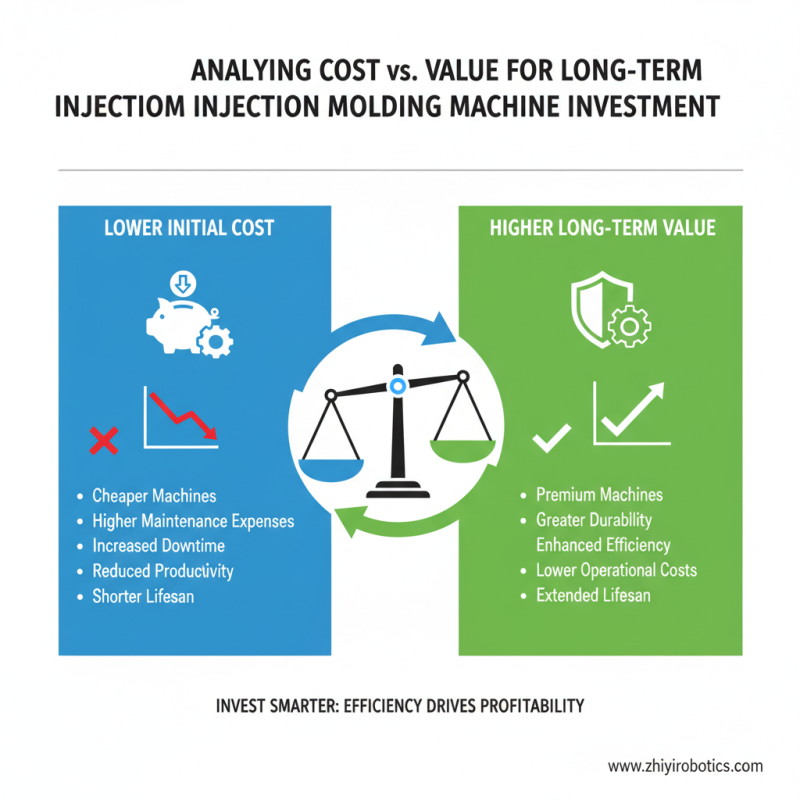
When investing in an Injection Molding Machine, understanding the balance between cost and value is crucial. Your initial price point may seem attractive, but consider the machine's long-term benefits. Higher-priced machines often offer greater durability and efficiency, which can reduce operational costs over time. A cheaper option may lead to higher maintenance expenses and increased downtime, impacting productivity.
Take into account your production needs and expected output. A robust molding robot can handle larger volumes efficiently. However, if your business doesn't require extensive production, a lower-cost model could suffice. Evaluate all features and specifications closely. Identify which characteristics justify the price. A less expensive machine may lack essential capabilities, forcing you to upgrade sooner than anticipated.
Also, consider the supplier’s reputation. A reliable provider often offers better service and support, which can be invaluable. Investing in quality ensures you can tackle challenges as they arise. Reflect on your specific requirements and long-term goals. Ask yourself: Will this investment pay off? Striking the right balance between cost and value will serve your business well.
Researching Reputable Brands and Manufacturers
When selecting a molding robot, investigating reputable brands is crucial. Industry data indicates that about 70% of businesses report enhanced productivity after partnering with trusted manufacturers. Such companies typically invest in research and development. They focus on innovation and technology, ensuring their products meet industry standards.
Tip 1: Evaluate the manufacturer's reputation. Look for companies with a solid track record. Read customer reviews and seek testimonials from existing clients. A dependable manufacturer will demonstrate transparency and responsiveness.
Tip 2: Consider the quality of customer support. Effective support can reduce downtime. A survey revealed that 68% of companies emphasized customer service as a deciding factor in their purchasing process. Slow response times can hinder your operations.
Lastly, assess the longevity of the brand in the molding space. Newer companies may lack stability. Industry reports show that brands active for over a decade tend to have more refined products and services. Striking a balance between innovation and reliability can enhance your final selection.
Reading User Reviews and Case Studies for Real-World Insights
When selecting a molding robot for your business, user reviews can offer invaluable insights. Reading experiences from others helps you see real-world applications. Case studies show how robots perform in varying environments. Their successes and failures reveal what features matter most.
Tip: Look for specific details in reviews. Users often discuss reliability, speed, and adaptability. These factors are crucial for optimizing production efficiency. Pay attention to common issues noted by multiple users. If several mention maintenance concerns, take heed. It reflects the robot's long-term performance.
Don’t overlook the power of visual content. Videos of molding robots in action can illuminate their effectiveness. Seeing a robot’s movements can clarify the technical aspects. Users often share footage that reveals both strengths and weaknesses. This can guide your decision-making process. Keep in mind, user testimonials are personal. They reflect individual experiences, and can be subjective. Balance these insights with thorough research.
Conclusion
When selecting the best molding robot for your business, it’s essential to understand the various types available and how they align with your specific production requirements. Begin by assessing your business needs, including desired automation levels and compatibility with existing systems. Key features such as speed, precision, and flexibility should also be compared, as they directly impact efficiency and output quality.
Additionally, a thorough analysis of cost versus long-term value is crucial, ensuring that your investment pays off over time. Researching reputable manufacturers and reading user reviews can provide valuable real-world insights, helping you make an informed decision. By considering these factors, you can choose a molding robot that not only meets your operational demands but also enhances your business's overall productivity.