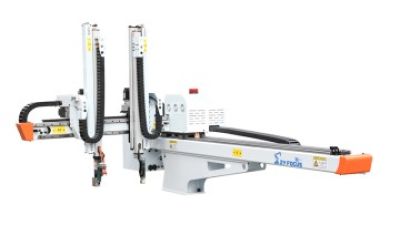
In the world of automation and robotics, finding a reliable partner is more important than ever. When it comes to something like the Double Axis Robot Arm—an essential piece of machinery used in many industries—choosing the right supplier really can make a huge difference. So, yeah, picking top-tier providers isn’t something you want to take lightly.
Lately, Chinese OEM exporters have been really making a name for themselves. Take Guangzhou Robot Technology Co., Ltd., for example—they're known for delivering solid, high-quality products. Their Double Axis Robot Arm, in particular, helps boost precision and efficiency on the factory floor. But here’s the thing—it's super important to do your homework and really evaluate these companies. Not every supplier is on the same level.
Checking out industry reviews can give you some good insights. For instance, some manufacturers might shine when it comes to product quality but fall short on customer support. Meanwhile, others might offer great service but might not be as innovative. So, when you're making your decision, it’s all about balancing these factors. Remember, choosing a Double Axis Robot Arm isn’t just about price; it’s about understanding what each supplier brings to the table—strengths, weaknesses, and all that. It’s a bit like dating—you gotta find the right match that ticks all your boxes!
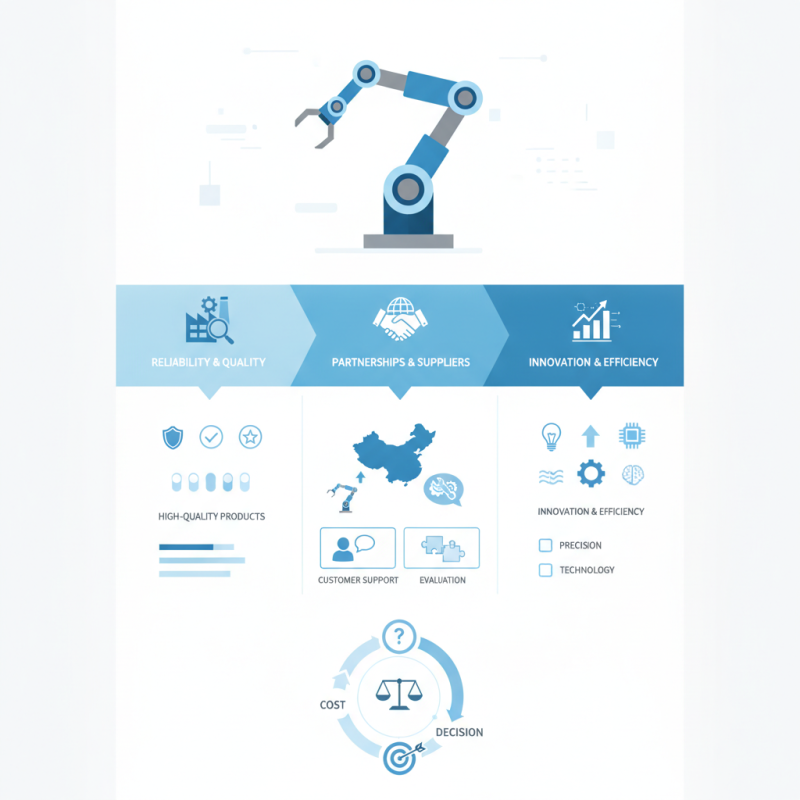
Overview of Double Axis Robot Arms in China
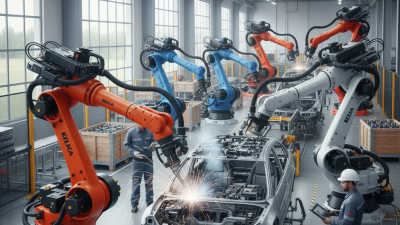
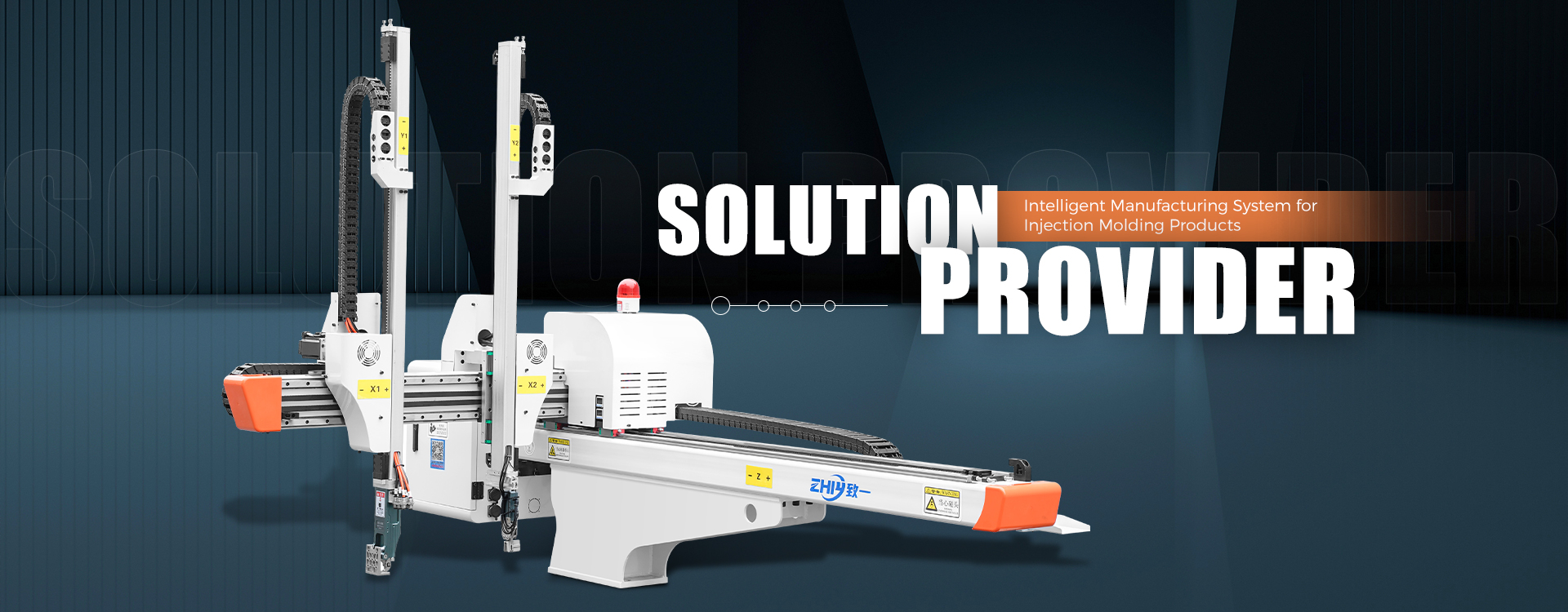
Double Axis Robot Arms have gained significant traction in various industries. These robotic systems offer precision and versatility. They excel in assembly, welding, and material handling. Their dual-axis configuration allows efficient movement in two planes. This flexibility meets the growing demands of businesses looking to automate processes.
In China, the production of Double Axis Robot Arms has expanded rapidly. Many manufacturers focus on quality and innovation. However, challenges remain. Not all products guarantee durability and performance. Some users encounter issues related to programming and integration. It is essential to evaluate potential suppliers carefully. Investigating their track record can reveal valuable insights.
While Double Axis Robot Arms enhance efficiency, over-reliance can be risky. Companies should not ignore the importance of human oversight. Balancing automation with skilled personnel can drive better outcomes. In a competitive landscape, having reliable technology is crucial, but so is adaptability.
2026 Best China OEM Double Axis Robot Arm Exporters Overview
Key Features of Double Axis Robot Arms for Manufacturing
Double axis robot arms are gaining traction in the manufacturing sector. Their versatility allows for precision in tasks like assembly and welding. According to a recent report by the International Federation of Robotics, the demand for such robots in China is set to grow by 20% annually until 2026. This trend showcases their importance in modern automation.
Manufacturers benefit significantly from their key features. The design promotes a compact form factor, enabling them to operate in tighter spaces. They offer high-speed movement and enhanced efficiency. Data indicates that integrating double axis robots can boost production rates by 30% or more. However, some challenges remain. The initial investment can be high, and ongoing maintenance requires a level of expertise that not all facilities possess.
Moreover, while they provide flexibility, programming these arms can be complex. Smaller businesses may struggle with this aspect. Clear training programs are essential for maximizing their potential. Investing in skilled personnel can mitigate these issues and improve overall functionality. The evolution of double axis robots is reflective of the broader shift towards automation in industry, emphasizing the need for careful implementation.
Top Manufacturers of Double Axis Robot Arms in China
When choosing a double axis robot arm for your business, knowledge of top manufacturers in China is essential. These companies specialize in producing high-quality robotic arms that cater to various industrial applications. A double axis robot arm offers versatility and precision, making it ideal for assembly, welding, and packaging tasks.
Many manufacturers prioritize advanced technology and innovation. They invest in research and development to improve automation solutions continuously. However, potential buyers should assess their specific requirements before making a decision. It's important to compare features, like load capacity and range of motion, across different models.
Tips: Always request performance data and case studies. Understanding real-world applications can provide insights into a robot arm's efficiency. Also, focus on after-sales support. Good manufacturers often offer extensive support, which can be a deciding factor.
Investing in a double axis robot arm is a commitment. Look for a balance between cost and quality. As technology advances, you might find that some older models—though cheaper—lack the necessary capabilities. Doing thorough research could save you money and time in the long run. Remember, an efficient process today can lead to greater gains tomorrow.
2026 Best China OEM Double Axis Robot Arm Exporters for Your Business Needs
| Exporter Location | Annual Revenue (USD) | Production Capacity (Units/Year) | Certification | Export Markets | Contact Information |
| Shenzhen | 5,000,000 | 10,000 | ISO 9001 | North America, Europe, Asia | info@example.com |
| Shanghai | 3,200,000 | 15,000 | CE, RoHS | Latin America, Australia | contact@company.com |
| Guangzhou | 4,500,000 | 12,000 | ISO 13485 | Middle East, Africa | sales@business.com |
| Hangzhou | 2,800,000 | 8,000 | SGS | Asia, Europe | support@manufacture.com |
Criteria for Selecting the Best OEM Exporters
When selecting the best OEM exporters for double Axis Robot Arms, several criteria come into play. Experience in the industry is crucial. An exporter with years of expertise can better understand the market's intricacies. They are more likely to provide reliable support and insights. Look for those who have a proven track record in meeting business needs.
Another key aspect is the quality assurance process. An effective OEM exporter will have stringent quality control measures. This means inspecting every Axis Robot Arm before shipping. Pay attention to certifications and industry standards they adhere to. It can reflect their commitment to quality.
Customer testimonials also convey essential information. Genuine feedback can provide insight into the exporter's reliability. Satisfied clients often highlight prompt delivery and responsive communication. Reflecting on these aspects can lead to smarter decisions.
Every detail matters in choosing the right partner for your business.
Comparative Analysis of Export Prices and Services
When evaluating double-axis robot arm exporters in China, a comparative analysis of export prices and services is crucial. According to a recent industry report by Research and Markets, the global robotics market is expected to reach $138 billion by 2026. This growth underscores the competitive nature of pricing among manufacturers. Export prices can vary significantly, ranging from $10,000 to $50,000 per unit depending on specifications and features.
Services accompanying these products are equally important. Quality assurance, technical support, and warranty services often distinguish one exporter from another. Some exporters offer robust after-sales services, while others fall short. A survey by Statista indicates that 73% of businesses prioritize customer service when selecting suppliers. However, not all options live up to expectations. One exporter may promise fast response times but fail to follow through.
While price might catch initial attention, the total value derived from reliable services plays a pivotal role. As businesses analyze their needs, a deeper understanding of trade-offs is essential. Identifying an exporter that combines competitive pricing with reliable service is often a challenging task. Each company must weigh its priorities, finding a balance that aligns with its unique operational requirements.
Case Studies of Successful Implementations
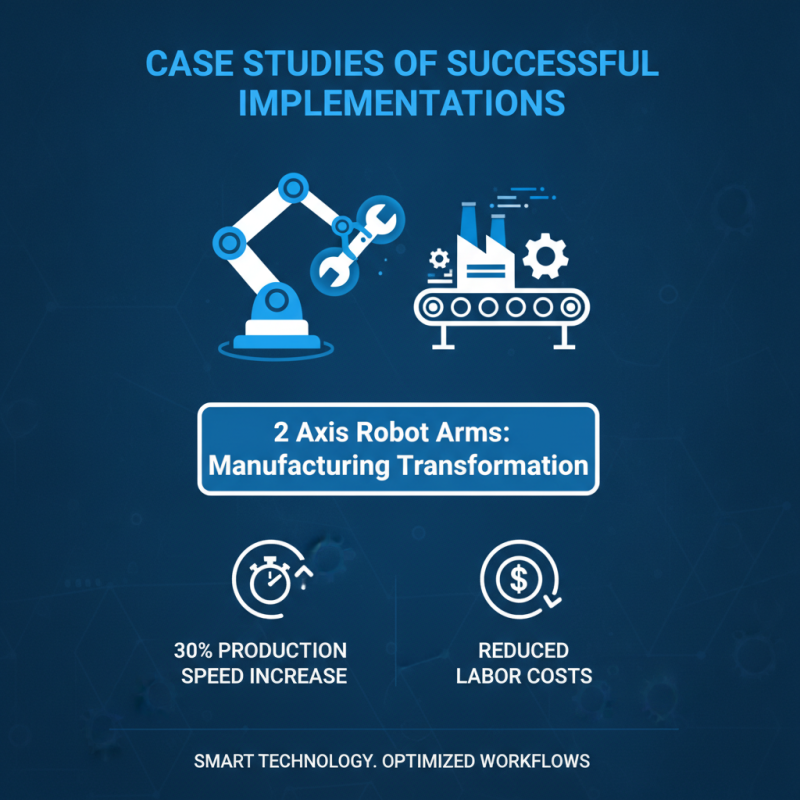
The adoption of 2 Axis Robot Arms in various industries has led to remarkable improvements in efficiency. For example, a manufacturing plant implemented these robots to optimize assembly lines. The result was a 30% increase in production speed. By automating tasks like welding and packaging, they reduced labor costs significantly. This case study highlights how smart technology can transform traditional workflows.
When considering the integration of 2 Axis Robot Arms, reflect on your business needs. What tasks are repetitive or time-consuming? Identify processes that could benefit from automation. It's essential to analyze your workflow before diving in. Not all applications may yield the desired results. Careful examination leads to better decision-making.
As companies embrace this technology, many have reported unexpected challenges. Integration with existing systems can be complex. Training staff to work alongside robots requires time and patience. Open communication with your team is vital for a smooth transition. Ensure that everyone understands the capabilities and limitations of the 2 Axis Robot Arms to maximize their potential.
Future Trends in Double Axis Robotics and Their Market Impact
The double axis robotics market is seeing rapid growth due to various technological advancements. According to a recent industry report, the global robotic arms market is estimated to reach $30 billion by 2026, with double axis robots playing a significant role in this expansion. These machines are increasingly popular in sectors like manufacturing and logistics. Their ability to perform precise movements enhances efficiency and reduces labor costs.
Future trends indicate that integration of artificial intelligence and machine learning will revolutionize double axis robotics. These technologies enable real-time decision making, significantly increasing operational efficiency. A study published by Industry Research predicts that smart robotic solutions will drive a 40% growth in operational productivity over the next five years. However, challenges remain, such as workforce adaptation and high initial investment costs, which could hinder widespread adoption.
Another crucial factor is sustainability. Companies are focusing on eco-friendly materials and energy-efficient designs. By 2025, it is projected that 25% of robotic systems will utilize renewable energy sources. However, the shift to green technologies necessitates investment and research. The balance between innovation and sustainability is a difficult but necessary path for future developments in robotics.
Maximizing Production Efficiency with the WKFI-950 Five-Axis Dual-Arm Robot: A Game-Changer for Factory Automation
In today's highly competitive manufacturing environment, the demand for efficiency and precision is paramount. The WKFI-950 five-axis dual-arm robot stands out as a revolutionary solution for factory automation, particularly for international wholesale buyers. This advanced robotic system is meticulously engineered to adapt to a variety of complex production processes, offering a versatile tool for enhancing productivity across diverse sectors such as automotive, electronics, and medical supplies.
The integration of cutting-edge mechanical design with intelligent control technology allows the WKFI-950 to perform intricate tasks with remarkable stability. By leveraging its dual-arm configuration, this robot can execute simultaneous operations, which significantly reduces production cycle times and minimizes errors. Businesses looking to optimize their manufacturing processes can rely on this innovative robot to streamline operations and boost output, ensuring they remain competitive in the global marketplace.
Moreover, the WKFI-950 is designed with flexibility in mind, enabling manufacturers to quickly shift between different production tasks without the need for extensive reconfiguration. This adaptability not only enhances operational efficiency but also allows companies to respond swiftly to changing market demands. By investing in such intelligent automation solutions, enterprises can achieve substantial improvements in efficiency and performance, ultimately leading to greater success in their respective industries.
FAQS
: Experience in the industry is crucial. Look for exporters with a proven track record.
Quality assurance is vital. An effective exporter inspects every product before shipping.
Customer feedback provides insights into reliability. Look for reviews highlighting delivery and communication.
Conduct a comparative analysis of prices and services. Prices can range from $10,000 to $50,000 based on features.
After-sales services can distinguish exporters. They ensure support beyond just the sale.
Consider both price and service quality. Reliable services add significant value to your purchase.
Be wary of exporters who promise fast service but fail to deliver consistently.
Not necessarily. A lower price may come with lower service quality. Reflect on your business needs.
Analyze your priorities and trade-offs. Find a balance that suits your operational requirements.
Conclusion
The article "2026 Best China OEM Double Axis Robot Arm Exporters for Your Business Needs" provides a comprehensive overview of Double Axis Robot Arms, emphasizing their significance in modern manufacturing. It outlines the key features that make these robots essential for various applications, including precision, efficiency, and adaptability. The article identifies leading manufacturers in China, detailing the criteria for selecting the best OEM exporters, which is crucial for businesses seeking reliable partners in robotics.
Additionally, a comparative analysis of export prices and services helps readers understand the market landscape, while case studies of successful implementations showcase the practical benefits of adopting Double Axis Robot Arms. Lastly, the article discusses future trends in double axis robotics, predicting substantial impacts on the industry and encouraging businesses to stay informed about technological advancements to maintain a competitive edge.