Leave Your Message
0%

In today’s rapidly changing world of automation tech, Single Axis Robot Arms are becoming pretty essential for getting those precise tasks done across all kinds of industries. As more companies look for ways to boost efficiency and fine-tune their accuracy, the need for dependable, top-notch single axis solutions has really shot up. In 2023, we’re taking a closer look at the leading models out there — highlighting what makes these robot arms stand out when it comes to design, performance, and how versatile they are for different jobs.
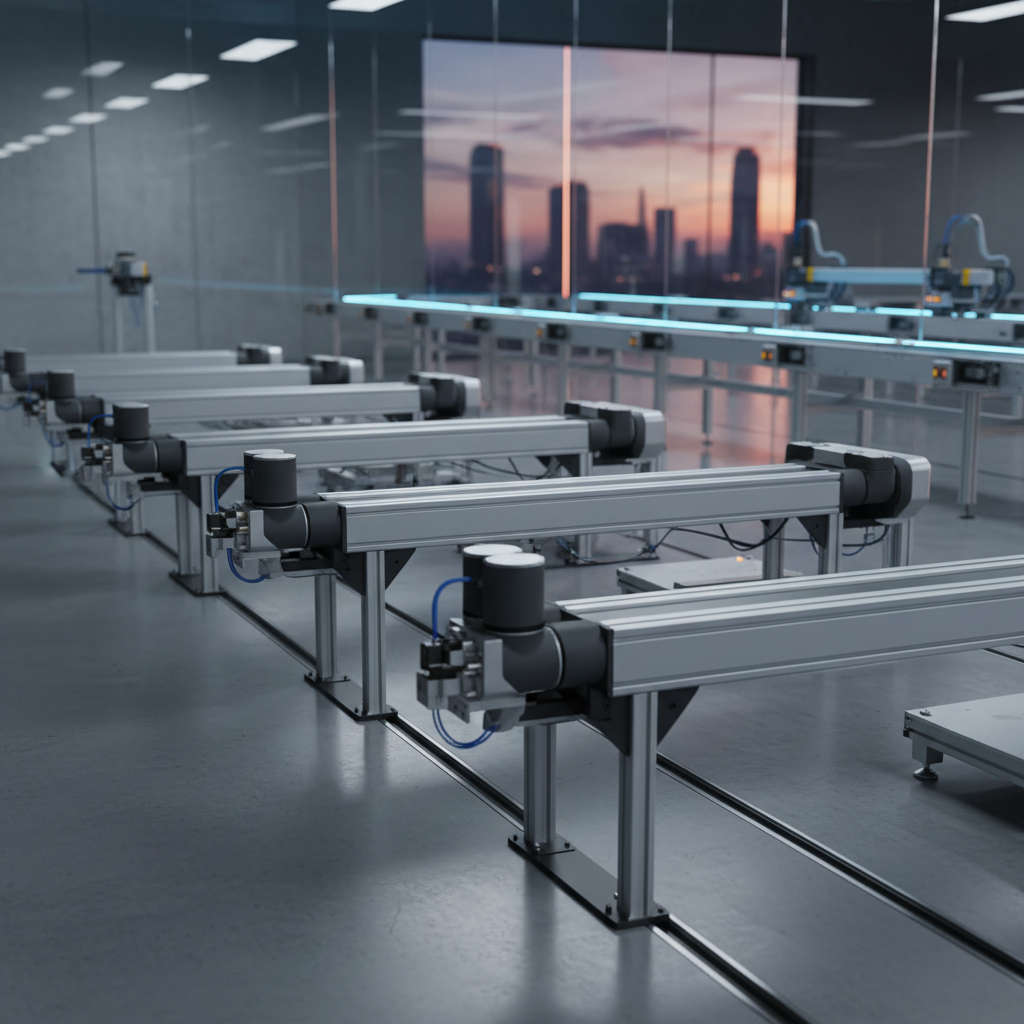
10 Best Single Axis Robot Arms for Precision Automation in 2023

With an eye on cranking up productivity without blowing the budget, big players like FANUC, ABB, and KUKA are really stepping up. They’re offering single axis robot arms that are not only fast but also give you tight control—pretty impressive stuff. This isn’t just a rundown of the hottest models; we’re also chatting about upcoming trends and what might be on the horizon as we move towards 2025. Whether it’s assembly lines or more complex machining work, knowing what these Robotic Arms can do is crucial for any business wanting to stay ahead in our automation-driven world.
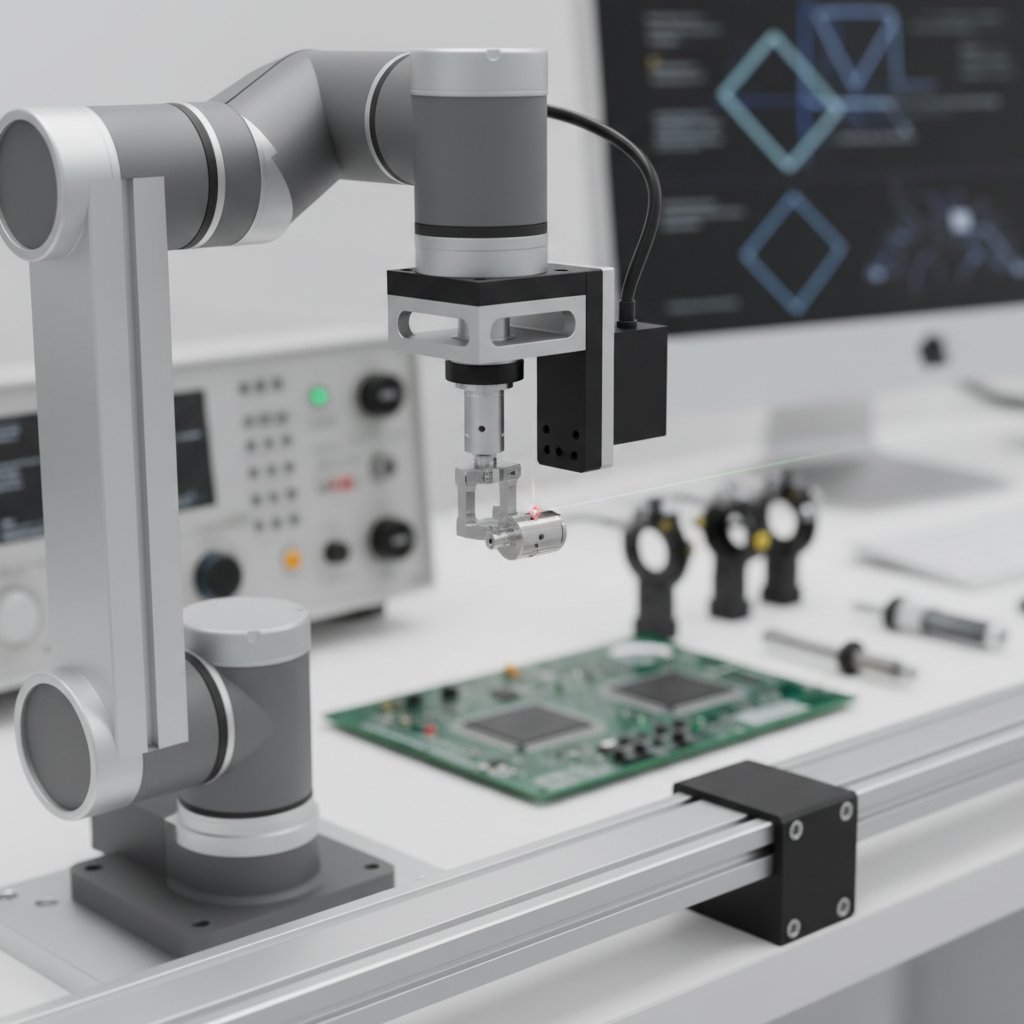
Top Features to Consider When Choosing a Single Axis Robot Arm

10 Best Single Axis Robot Arms for Precision Automation in 2023

When choosing a single axis robot arm for precision automation, there are several key features to consider that can significantly impact performance and efficiency. First and foremost, the payload capacity of the robot arm is crucial. Different applications require varying weights to be lifted or moved, so a robot arm with an appropriate payload capacity ensures that it can handle specific tasks without strain or failure. Additionally, the accuracy and repeatability of the arm are vital metrics; high precision is essential in environments where even minor deviations can lead to costly errors in production.

Another important aspect to evaluate is the speed of the robot arm. In high-demand manufacturing settings, the speed at which the arm can operate directly influences overall productivity. Therefore, selecting a model with a fast response time and quick cycle execution can lead to enhanced operational efficiency. Furthermore, the ease of programming and integration with existing systems should also be considered. A user-friendly interface and robust compatibility with other automation tools can streamline workflows and reduce the time taken to implement new technology in a production line.

Comparison of the Leading Single Axis Robot Arms in 2023

When it comes to precision automation, single axis robot arms have emerged as essential tools in various industries. The year 2023 has seen a surge in advanced models designed to enhance operational efficiency. Notable contenders in this space include the Fanuc LR Mate 200iD, which offers exceptional speed and precision, ideal for intricate assembly tasks. Another strong competitor is the Universal Robots UR3e, known for its user-friendly interface and versatility in collaborative environments. These models showcase how single axis robots can optimize workflow and reduce manual labor in production lines.

Comparing the leading single axis robot arms reveals key differentiators that cater to specific applications. For instance, the Epson LS Series is lauded for its lightweight design and high-speed performance, making it suitable for high-volume tasks. In contrast, the Kawasaki RS007N provides robust programming capabilities and extensive payload options, appealing to manufacturers with diverse automation needs. As more industries adopt robotic solutions, evaluating these models based on precision, speed, and ease of integration becomes crucial for achieving the best outcomes in automated processes.

Applications and Use Cases for Precision Automation with Robot Arms

As automation technology continues to evolve, robot arms are becoming increasingly vital across various industries. The precision offered by single-axis robot arms is particularly beneficial in applications such as delicate assembly tasks, where accuracy is paramount. With the global demand for automation expected to soar due to factors like labor shortages and the rising costs of wages, industries are investing heavily in robotic solutions to maintain productivity and efficiency. Reports indicate that industrial robot installations surged significantly recently, highlighting the importance of integrating precision automation tools in manufacturing settings.

In sectors like automobile manufacturing and controlled environment agriculture, AI-powered robotics are revolutionizing operational capabilities. For instance, advanced robotics are being utilized to streamline automated assembly lines, enhancing production rates while minimizing human error. Additionally, the agricultural sector is witnessing a transformative shift, with AI-driven robotic systems optimizing greenhouse operations and improving yield. These developments exemplify the diverse applications of robot arms, showcasing their essential role in enhancing both productivity and precision across various fields.

Cost-Effectiveness: Evaluating the Price of Top Single Axis Robot Arms

In the realm of precision automation, cost-effectiveness remains a paramount consideration for businesses contemplating the integration of single axis robot arms. According to a recent report by ResearchAndMarkets, the global market for industrial robotics is projected to reach $70 billion by 2025, with a significant portion driven by the adoption of single axis systems due to their affordability and efficiency. The analysis highlights that these robot arms can reduce operational costs by up to 30% compared to traditional automation systems, making them an attractive option for small and medium enterprises.

Moreover, the cost variance among the top-rated single axis robot arms is notable. For instance, the average price of these robotic systems ranges from $5,000 to $20,000, depending on features and specifications. A survey by Statista indicates that 60% of manufacturing companies consider initial investment costs to be a crucial factor when choosing automation solutions. The price should be evaluated against factors such as precision, load capacity, and ease of integration, ensuring that even budget-conscious businesses can achieve high efficiency without overspending. As the technology evolves, companies that prioritize cost-effective automation now are likely to enhance their competitiveness in the rapidly changing industrial landscape.

10 Best Single Axis Robot Arms for Precision Automation in 2023 - Cost-Effectiveness: Evaluating the Price of Top Single Axis Robot Arms

Model Payload Capacity (kg) Reach (mm) Speed (mm/s) Price (USD)
Model A 5 1200 800 1200
Model B 8 1500 600 1500
Model C 6 1300 700 1000
Model D 10 1400 750 1700
Model E 4 1100 900 800
Model F 7 1600 650 1400
Model G 3 1000 850 600
Model H 12 1800 500 2200
Model I 9 1700 700 1500
Model J 5 1350 720 950

Future Trends in Single Axis Robotics and Automation Technology

Single axis robotics is rapidly evolving, driven by increasing demand for precision automation across various industries, including manufacturing and logistics. According to a recent report by MarketsandMarkets, the global robotic arms market is projected to grow from USD 15.36 billion in 2020 to USD 43.57 billion by 2026, with single axis robots holding a significant share due to their simplicity and efficiency in repetitive tasks. This trend highlights the industry's shift towards more specialized automation solutions that enhance productivity while minimizing labor costs.

As we look to the future, advancements in artificial intelligence and machine learning are poised to revolutionize single axis robotics. By integrating AI-driven algorithms, manufacturers can achieve higher levels of adaptability and precision in their operations. A report by McKinsey predicts that AI-driven automation could boost productivity by up to 40% in the manufacturing sector alone. As companies increasingly adopt these technologies, we can expect to see single axis robot arms becoming more versatile, capable of performing complex tasks that go beyond traditional applications while maintaining their core advantage of simplicity.

Top 10 Single Axis Robot Arms for Precision Automation in 2023

FAQS

: What are single axis robot arms used for in various industries?

: Single axis robot arms are essential tools for precision automation, optimizing workflow, and reducing manual labor in production lines.

Which single axis robot arm is recognized for its speed and precision?

The Fanuc LR Mate 200iD is noted for its exceptional speed and precision, making it ideal for intricate assembly tasks.

What are the notable features of the Universal Robots UR3e?

The Universal Robots UR3e is known for its user-friendly interface and versatility, particularly in collaborative environments.

How does the Epson LS Series stand out among single axis robot arms?

The Epson LS Series is lauded for its lightweight design and high-speed performance, making it suitable for high-volume tasks.

What advantages does the Kawasaki RS007N offer to manufacturers?

The Kawasaki RS007N provides robust programming capabilities and extensive payload options, appealing to manufacturers with diverse automation needs.

What is the projected growth of the global robotic arms market by 2026?

The global robotic arms market is projected to grow from USD 15.36 billion in 2020 to USD 43.57 billion by 2026.

How is artificial intelligence expected to impact single axis robotics?

Advancements in artificial intelligence and machine learning are expected to revolutionize single axis robotics by enhancing adaptability and precision.

What potential productivity increase could AI-driven automation bring to the manufacturing sector?

AI-driven automation could boost productivity by up to 40% in the manufacturing sector, according to a McKinsey report.

Why is it essential to evaluate single axis robot models?

Evaluating these models based on precision, speed, and ease of integration is crucial for achieving the best outcomes in automated processes.

What future trends are anticipated in the single axis robotics field?

The future trends include greater versatility in performing complex tasks and a focus on specialized automation solutions to enhance productivity while minimizing labor costs.

Conclusion

In 2023, the landscape of precision automation is largely dominated by Single Axis Robot Arms, which have become essential tools for various manufacturing processes. When selecting a single axis robot arm, key features such as precision, payload capacity, and compatibility with existing systems should be carefully evaluated. The article highlights a comparison of the leading models available this year, showcasing their strengths in enhancing operational efficiency across different applications.

Moreover, the cost-effectiveness of these robot arms cannot be overlooked, as businesses seek to balance performance with budgetary constraints. As the industry evolves, future trends indicate advancements in robotics technology, paving the way for more intelligent and adaptable automation solutions. Companies like Zhejiang Zhiyi Intelligent Robot Co., Ltd. are at the forefront of this transformation, delivering high-quality automation equipment that contributes to the ongoing intelligent upgrade of the manufacturing sector.
Emma

Emma

Emma is a dedicated marketing professional at our company, which has been at the forefront of high-quality automation equipment and solutions since its establishment in 2017. With her extensive knowledge of our products and their applications, she plays a crucial role in promoting our commitment to......
Previous Exploring 2025 Technology Trends for the Best Industrial Robot Arm Solutions