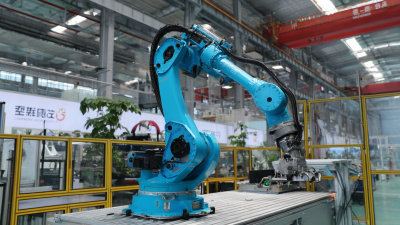
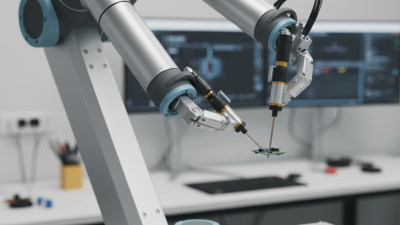
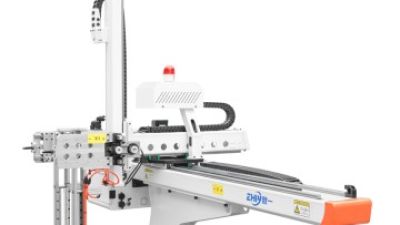
The global market for servo manipulatorshas been changing pretty fast these days. By 2026, experts are actually expecting it to grow over 10% each year—pretty impressive, huh? A recent report from Research and Markets points out that demand for high-precision Robotic Arms is really picking up. Companies are jumping on the automation bandwagon, mainly to boost efficiency and cut down on labor costs.
You’ve got big players like ABB and KUKA investing tons into this stuff. Their Servo Manipulator systems are quickly becoming a go-to in industries like automotive and electronics. But, it’s not all smooth sailing—some users do raise an eyebrow about how complicated these systems can be and how much maintenance they need. That’s why good technical support and proper training are so important if you want a successful setup.
As this market keeps expanding, folks are looking for gear they can rely on—robust, flexible solutions that can handle different kinds of jobs. Keeping the balance between cutting-edge innovation and easy usability is still a bit tricky, though. So, for buyers, really understanding what each product can do is more important than ever in this constantly shifting landscape.

Overview of Servo Manipulators and Their Importance in Automation
Servo manipulators play a crucial role in modern automation systems. They offer precision and flexibility in various applications. These devices can handle tasks such as packaging, assembly, and material handling. The demand for servo manipulators is growing across industries. This rise reflects the need for efficiency and accuracy in production processes.
In automation, servo manipulators can improve speed and reduce errors. They operate with incredible precision, making them suitable for complex tasks. However, they require proper calibration and maintenance to perform optimally. Many operators struggle with adjusting these systems. Understanding their limits and capabilities is essential.
The integration of servo manipulators into workflows can be challenging. Companies must train staff and adapt existing processes. Lack of experience can lead to implementation issues. It’s vital for organizations to have clear strategies for using this technology. Investing in training and resources can significantly enhance performance and reliability in the long run.
Key Features to Look for in Servo Manipulators
When considering servo manipulators, focus on several key features that influence both performance and user satisfaction. Precision and accuracy stand out as critical factors. Industry reports suggest that manipulators designed with advanced closed-loop feedback systems often see performance gains of up to 20%. Users should pay attention to the type of sensors equipped, as ultrasound and laser sensors greatly enhance positioning accuracy.
Another essential feature is the load capacity. Manipulators must be chosen based on the specific applications at hand. Different use cases require varied lifting capabilities. Market analysis indicates that systems with a higher load tolerance experience less wear, resulting in lower long-term costs.
Tips: Always check the compatibility of the manipulator with existing systems. Conduct regular maintenance checks. User feedback forms often reveal operational blind spots, which can be crucial for improvement.
Lastly, consider the option for customization. Customizable features allow users to tailor their equipment for specific tasks. Acknowledging that not all available models will meet every need is vital. The variety in design often leads to trade-offs in efficiency and cost, making this an area worth careful evaluation.
Top Trends Influencing the Servo Manipulator Market in 2026
The servo manipulator market is rapidly evolving. In 2026, several trends will shape its future. Automation is at the forefront. Industries are adopting automation to enhance efficiency. Companies want to reduce labor costs while improving precision. This shift drives demand for advanced servo manipulators.
Smart technology integration is crucial. Data analytics and AI capabilities are increasingly important. These features allow real-time monitoring and adjustment. The ability to analyze performance can lead to better outcomes. Users may find it beneficial to select models that offer such technologies.
Tips for buyers: Always assess the compatibility of the Traverse Axis Servo Manipulator with existing systems. Integration can be complex. Test various models to ensure they meet your needs. Keep in mind, not every model will suit every application. Stay informed about industry standards and innovations. Doing so will help you make better purchasing decisions as trends evolve.
Analysis of the Leading Brands in the Servo Manipulator Industry
The servo manipulator industry is evolving rapidly, prompted by advancements in automation technology. In 2026, buyers will seek efficiencies, precision, and adaptability. Key players are enhancing their offerings to stand out in this competitive market. Brands are focusing on robust designs that can withstand various operational stresses while providing high performance.
When selecting a servo manipulator, consider the integration capabilities. A seamless connection with existing systems can reduce downtime and improve productivity. A Three-Axis Full Servo Manipulator offers precise movement along three axes, allowing for intricate tasks that demand accuracy. Buyers should also evaluate the support services available. Reliable after-sales service can be a game-changer, especially during the initial stages of operation.
Potential buyers must reflect on their specific needs. Not all servo manipulators will fit seamlessly into every environment. Do thorough research before making a choice. Understand that what works for one application may not work for another. Prioritize features that address your unique challenges and requirements in production.
Comparison of Performance and Efficiency Among Top Models
As industries worldwide embrace automation, the demand for servo manipulators is on the rise. In 2026, the market is expected to grow, with a focus on efficiency and performance. Recent reports indicate that servo manipulators can improve operational speed by 30% compared to traditional models. This is significant for manufacturers aiming for higher productivity.
Among the leading models, the Frame Type Full Servo Manipulator stands out for its precision. Its architecture allows for smoother operations and better control over movements. A study from the International Robotics Association shows that this type of manipulator achieves an accuracy rate of 99.5%. This level of precision is crucial in sectors like electronics and automotive, where even minor errors can lead to significant losses.
However, not all servo manipulators deliver consistent performance. Some models may struggle with load capacity and responsiveness under pressure. It's essential for buyers to weigh their operational needs against the capabilities of each model. Considering the variety of options, understanding the specific strengths and weaknesses can save time and resources while enhancing productivity in the long run.
Top 10 Servo Manipulators Performance Comparison (2026)
Global Market Demand and Growth Projections for Servo Manipulators
The global market for servo manipulators is experiencing significant growth. Demand is rising across various industries, including automotive, aerospace, and electronics. According to recent market analysis, the servo manipulator market is projected to grow at a compound annual growth rate (CAGR) of 8.5% over the next five years. This reflects the increased emphasis on automation and precision in manufacturing processes.
Amidst this growth, the Mini Three-Axis Full Servo Manipulator stands out as a promising technology. With its compact design and high precision, it caters to the needs of small and medium-sized enterprises. It provides flexibility in handling various tasks efficiently. However, some manufacturers may face challenges in integrating this technology into existing systems. The learning curve for operators could slow down the deployment phase, requiring thorough training and adaptation.
Furthermore, regional demand varies. The Asia-Pacific region leads in servo manipulator adoption due to rapid industrialization. Nevertheless, supply chain disruptions and economic fluctuations pose risks. Companies need to remain vigilant in addressing these potential setbacks while striving to meet evolving market demands. This holistic approach will be crucial for sustaining growth in the servo manipulator sector.
Top 10 Servo Manipulators for Global Buyers in 2026
| Rank | Manipulator Type | Payload Capacity (kg) | Reach (mm) | Application Areas | Market Growth Rate (%) |
| 1 | Articulated Servo Manipulator | 30 | 1600 | Manufacturing, Assembly | 12% |
| 2 | SCARA Servo Manipulator | 20 | 1200 | Pick & Place, Packaging | 10% |
| 3 | Delta Servo Manipulator | 5 | 900 | Food Handling, Electronics | 15% |
| 4 | Cartesian Servo Manipulator | 50 | 2000 | Material Handling, CNC | 8% |
| 5 | Parallel Servo Manipulator | 15 | 1100 | Assembly, Robotics | 9% |
| 6 | Hybrid Servo Manipulator | 25 | 1300 | Automotive, Heavy-duty Applications | 14% |
| 7 | Miniature Servo Manipulator | 2 | 600 | Medical, Laboratory | 11% |
| 8 | Collaboration Servo Manipulator | 10 | 850 | Assisted Workspaces, Education | 13% |
| 9 | Cylindrical Servo Manipulator | 35 | 1400 | Process Automation, Textile | 7% |
| 10 | Wrist Servo Manipulator | 8 | 700 | Precision Tasks, Crafting | 6% |
Recommendations for Buyers: Selecting the Right Servo Manipulator
When selecting a servo manipulator, buyers should evaluate several key factors. It is vital to consider the application, payload capacity, and precision requirements. According to recent industry reports, the global servo manipulator market is projected to experience significant growth, with a compound annual growth rate (CAGR) of over 10% through 2026. This rapid growth emphasizes the importance of making an informed decision to avoid costly mistakes.
Another critical aspect is the compatibility of the manipulator with existing systems. Integrating new technology can be challenging and may lead to unforeseen complications. Buyers should seek systems that offer user-friendly interfaces and flexible programming options. Research indicates that about 30% of integration projects experience delays due to compatibility issues. Engaging with industry experts or consulting peer-reviewed reports can help mitigate these risks.
Ultimately, buyers must weigh performance against cost. Investing in the latest technology can yield impressive results, but the return on investment must be assessed. It is crucial to understand the long-term implications of these machines on operational efficiency. Continuous updates in technology may render certain models less effective within a few years. Choosing wisely today means considering future advancements, adaptability, and ongoing support.
Maximizing Efficiency in Injection Molding: The Role of 3-Axis Silicone Servo Controlled Robotic Arms
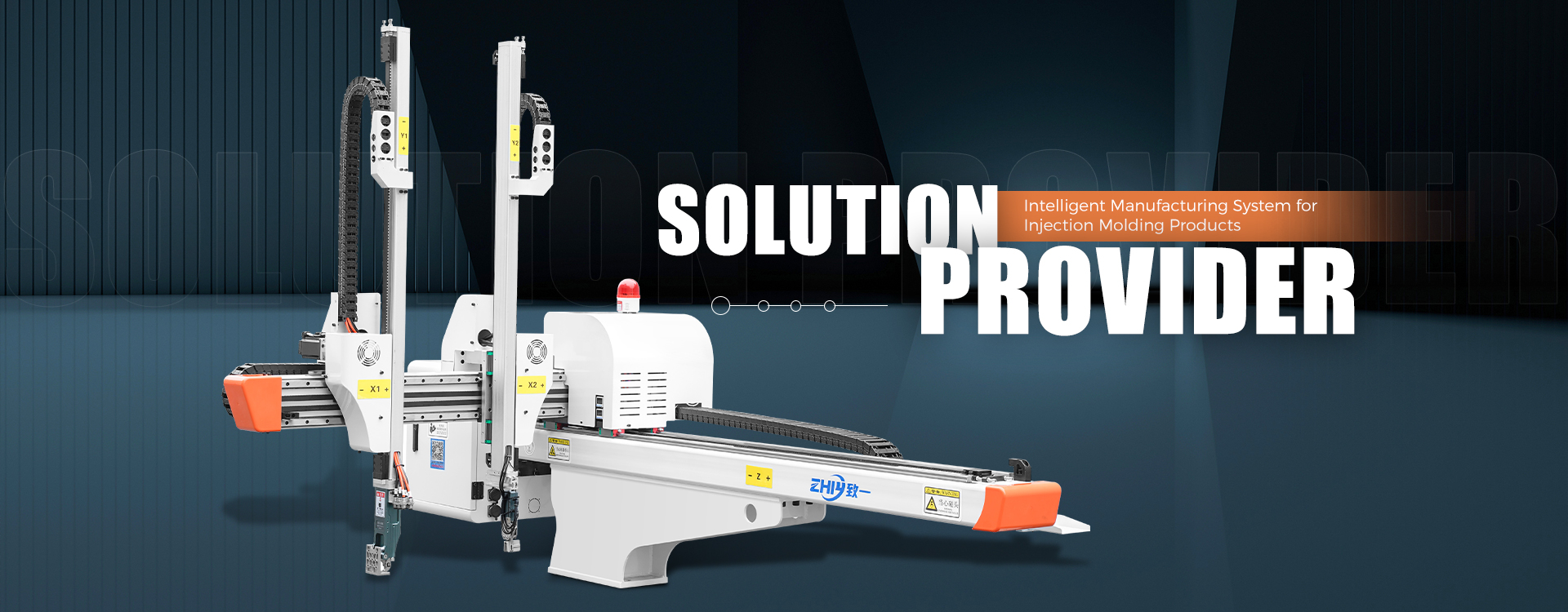
In the fast-evolving landscape of manufacturing, maximizing efficiency in injection molding processes has become a paramount concern for industries seeking to enhance productivity and reduce operational costs. One key innovation contributing to this evolution is the implementation of three-axis silicone servo-controlled robotic arms. These advanced robotic systems are specifically engineered to operate alongside Injection Molding Machines, optimizing processes such as product removal, transportation, and placement.
The WKG-1000 three-axis silicone servo-controlled robot arm stands out as a prime example of this technology, designed for use in injection molding machines ranging from 250T to 400T. With a considerable stroke of 1700×800×1000mm and a load capacity of 12-20kg, it excels in handling a variety of tasks with pinpoint accuracy. According to industry reports, automation in manufacturing settings has been shown to improve productivity by up to 30%, while also reducing the potential for human error. This shift toward automation is particularly evident in the injection molding industry, where efficiency gains are directly linked to the use of precise robotic systems.
Furthermore, the integration of state-of-the-art servo control systems allows for high precision and stability in operation, ensuring rapid response times that traditional manual methods cannot match. In fact, a recent analysis noted that implementing advanced robotics in injection molding processes could lead to a significant increase in output quality and consistency. As manufacturers continue to embrace automation, the role of three-axis silicone servo-controlled robotic arms will be critical in achieving operational excellence and meeting the demand for high-quality molded products in a competitive market.
FAQS
: Automation is driving the demand for servo manipulators. Companies want to improve efficiency while lowering labor costs.
Smart technology, including data analytics and AI, is crucial. It allows for real-time monitoring and better performance outcomes.
Buyers should assess application needs, payload capacity, and precision requirements. Each application may require different specifications.
Yes, compatibility can be complex. About 30% of projects face delays due to integration issues. Awareness helps avoid these risks.
Test various models to find the best fit. Engage with experts and stay updated on industry trends to aid decision-making.
Weigh performance against cost. It’s important to evaluate long-term efficiency and potential return on investment rigorously.
Continual updates in technology may affect effectiveness. Regular reassessment can help ensure optimal performance as advancements occur.
Yes, being informed about current standards and innovations is vital. This knowledge can prevent costly mistakes in purchasing.
Selecting an incompatible model may lead to operational inefficiencies. Mistakes in choice could incur significant costs over time.
Integration challenges may arise. Proper planning and evaluation can reduce delays and complications during the installation process.
Conclusion
In 2026, the importance of Servo Manipulators in automation continues to grow as industries seek to enhance precision and efficiency in their operations. These devices are crucial for automating tasks such as assembly, packaging, and material handling. When selecting a Servo Manipulator, buyers should consider key features like speed, load capacity, and adaptability to various applications.
The market is influenced by trends such as the increasing need for automation in manufacturing and advancements in technology. Analysis of leading brands highlights innovations that enhance performance and efficiency, while comparisons among top models provide insights into their capabilities. With a projected increase in global demand for Servo Manipulators, buyers are encouraged to evaluate their specific needs to select the right model that aligns with their operational goals, ensuring optimal performance in their applications.