Figuring out which equipment to go for can be pretty tricky, especially if you're just starting out. The world of robotics is huge, with tons of options out there. One thing that people often look at is the Multi Axis Arm. These things are pretty awesome for performing detailed, precise tasks. But honestly, how do you even decide which one is the right fit for you?
When you're thinking about a Multi Axis Arm, it’s a good idea to consider what kind of projects you're aiming to tackle. Are you just doing simple stuff or diving into some more complicated tasks? Also, don’t forget to check out the specs—different arms can vary a lot in what they can do and how much they cost. It's super easy to get overwhelmed with all the choices.
And here’s another thing—sometimes these arms can sound perfect on paper, but in real life, they might not quite live up to the hype. That’s why it’s so helpful to read user reviews and hear what others have experienced. Honestly, part of the fun is trial and error. Testing things out, making mistakes, and learning along the way—that’s often where you find the best insights.
Understanding Multi Axis Arms: A Beginner's Overview
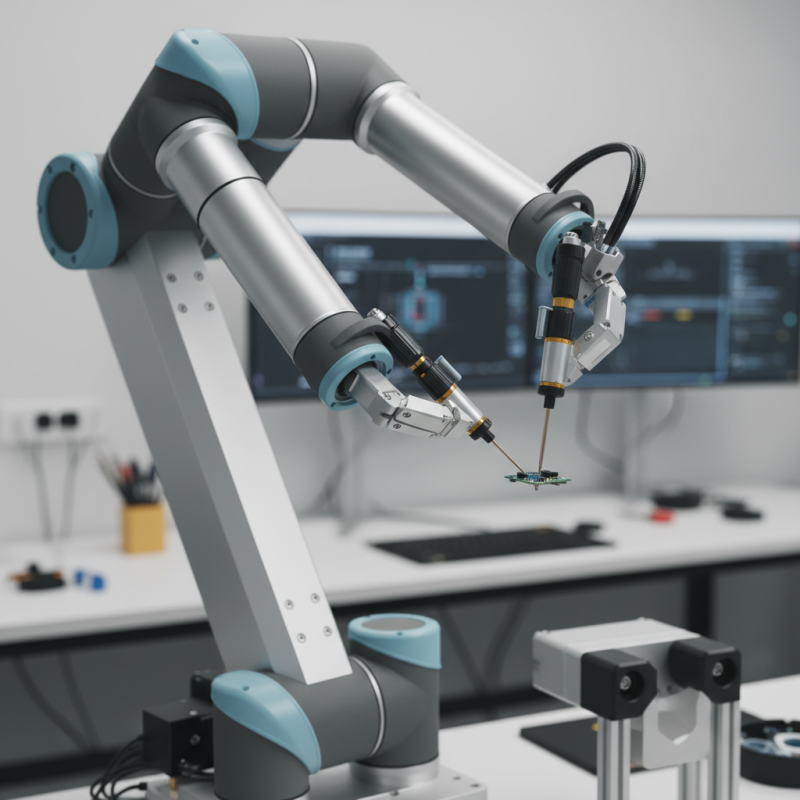
Multi-axis arms are fascinating tools for artists and engineers. They offer precision and versatility in movement. For beginners, understanding these arms can be daunting. Start by focusing on their basic functions and applications. Multi-axis arms excel in tasks requiring detailed manipulation. They can mimic human-like movements, making them ideal for tasks like painting or assembly.
Choosing the right multi-axis arm involves considering your project needs. Think about weight capacity and maximum reach. A lighter arm may be more manageable for small projects. But for larger tasks, a sturdier model is essential. It's also crucial to factor in control methods. Some users prefer manual controls. Others might choose automated systems.
Don't be afraid to experiment. Your first choice may not be perfect. Each project can reveal new insights about functionality. Reflect on what works best for you. Learning comes from trial and error. Embrace the journey, and you'll discover the unique potential of multi-axis arms.
Key Features to Consider When Choosing a Multi Axis Arm
When selecting a Multi Axis Robot Arm, consider the payload capacity. This refers to how much weight the arm can handle. If you plan to attach attachments or tools, ensure the arm can support that weight. Ignoring this detail may lead to mechanical failure.
Another vital feature is the reach of the Robot Arm. Different arms have varying reach lengths. Assess your workspace and determine how far you need the arm to extend. A short reach may hinder operations in larger areas.
Pay attention to ease of programming. Not all Multi Axis Robot Arms are user-friendly. Some require advanced knowledge of coding. Choose one that fits your skill level. Complexity can lead to frustration and wasted time. Sometimes, simpler options can perform tasks effectively without complications.
Types of Multi Axis Arms and Their Applications
When selecting a multi axis arm, it's vital to understand the types available and their applications. Multi Axis Robots can have various configurations, such as 6-axis arms, which mimic human arm motions. These are commonly used in assembly, welding, and packaging, making them versatile for many industries. A 2023 industry report indicated that 60% of companies in manufacturing are adopting these robots for increased efficiency.
Another popular type is the 4-axis arm. These offer less flexibility but are often ideal for simple tasks such as loading and unloading. They provide a cost-effective solution for operations where high precision isn’t critical. Interestingly, according to a recent study, 45% of automation failures stem from selecting the wrong type of axis, signifying the need for careful evaluation.
Tips: Before making a choice, consider your workspace and tasks. Analyze the weight and size of items the robot will handle. Also, reflect on the long-term benefits versus initial costs. Understand that not all multi axis robots fit every application; some trial and error may be necessary to find the right match for your needs.
Assessing Your Needs: Weight Capacity and Range of Motion
When choosing a multi-axis arm, it's critical to assess your needs carefully. The weight capacity is a major factor. Consider what tasks you want to accomplish. Can your arm lift heavier loads? Lightweight projects? The Six-Axis Multi-Joint Robot often supports diverse tasks, but understanding your specific requirements ensures you select the right model.
Range of motion plays an equally important role. What do you need the arm to reach? Different models offer varying degrees of flexibility. For intricate designs, flexibility becomes vital. It might be that the model you prefer has limitations. Thoroughly evaluate whether its range meets your expectations.
Here are a few tips: Measure your workspace to avoid surprises. Think about how often you will use the arm. Consider the potential need for upgrading in the future. Reflect on your priorities—functionality versus complexity. Make a list of tasks you envision, and see how different options line up. The right choice depends on clarity and awareness of what you truly need.
Budgeting: How Much Should You Invest in a Multi Axis Arm?
When considering a multi-axis arm, budgeting is crucial. These arms can vary greatly in price. It's important to determine how much you are willing to spend. A basic model might cost less, but advanced features often come with a higher price tag.
Think about your specific needs. If you're using the Arm Single-Arm Robot Cut for a project, precision may be necessary. Higher-end models usually provide better accuracy and reliability. Reflect on what you value more: a low price or superb performance. Sometimes, spending a little more can save you trouble down the line.
Also, consider maintenance costs. Cheaper models might need more frequent repairs, which adds to the total investment. Keep in mind, investing wisely today can mean fewer regrets tomorrow. Balancing your budget while keeping quality in mind can be a tricky exercise. Make sure to weigh all factors before making a decision.
Safety Tips for Operating Multi Axis Arms Effectively
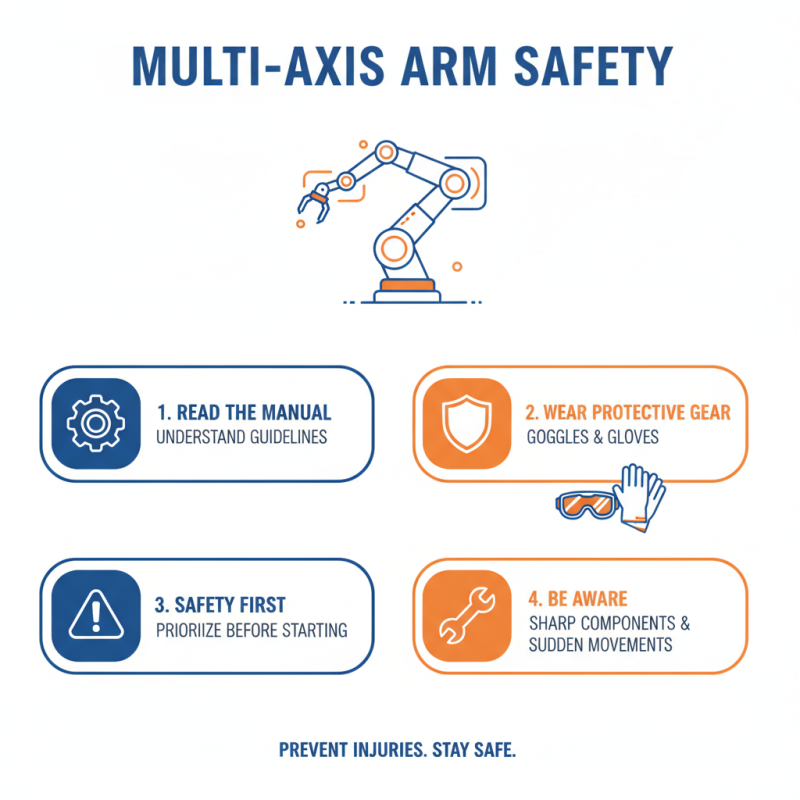
Operating a multi-axis arm can be exciting but comes with its own set of challenges. Safety should always be your top priority. Before starting, make sure to read the manual. Each arm has specific guidelines that must be followed. Always wear protective gear. Safety goggles and gloves can prevent injuries from sharp components or sudden movements.
When setting up the arm, ensure a clear workspace. A cluttered area increases the risk of accidents. Keep tools and materials organized. Watch your surroundings. Don’t operate the arm near people who are not trained. Communication is key. If you’re working with a team, establish hand signals. This can avoid misunderstandings and ensure everyone stays safe.
Never ignore warning signals. If something feels off, stop and inspect. Look for unusual noises or movements. It’s easy to overlook small issues, but they can lead to larger problems. Regular maintenance is crucial. Dust and debris can interfere with operation. Staying proactive can save time and resources later on. Remember, safety is not just a checklist; it requires ongoing attention.
Maintaining Your Multi Axis Arm for Longevity and Performance
Maintaining a multi-axis arm is crucial for ensuring both longevity and optimal performance. Regular inspections and cleanings can prolong its lifespan significantly. According to industry reports, regular maintenance can enhance functionality by up to 30%. Keeping the machine dust-free is essential. Even small particles can cause wear and tear over time.
Lubrication is also key. A well-lubricated arm reduces friction, leading to smoother operations. However, over-lubrication can attract dirt, which can be detrimental. It’s a fine balance that needs careful attention. Experts recommend checking lubrication levels every few weeks. They advise using precise amounts and types suitable for your specific model.
Additionally, software updates can influence performance. Neglecting to update firmware can lead to compatibility issues. In one study, over 40% of machine malfunctions resulted from outdated software. Stay informed about updates. Ignoring them may impact your arm's abilities. Balancing these aspects requires diligence and awareness. Regularly assess your practices to improve efficiency.
Multi Axis Arm Performance Metrics
FAQS
: This product is designed to enhance daily activities and improve overall efficiency.
Anyone can use it, from students to professionals. Needs may vary widely.
No specific age restrictions exist. However, parental guidance is suggested for younger users.
Operating instructions are included. Basic steps are easy to follow, but practice may be required.
The product is made of common materials. They are generally safe but check for allergens.
Yes, it can be adapted. However, results may not always meet expectations for all tasks.
Consult the troubleshooting guide. If problems persist, consider seeking help from experienced users.
There may be a warranty available. Return policies can vary, so check prior to purchase.
Cleaning requires basic supplies. Regular maintenance is essential but can be overlooked at times.
Users often overlook initial setup steps. Rushing can lead to misunderstandings or misuse.
Conclusion
In "Multi Axis Arm Tips for Beginners: How to Choose the Right One?", the article provides a comprehensive guide for novices looking to understand and select the appropriate multi axis arm for their needs. It begins with an overview of multi axis arms, highlighting their versatility in various applications. Key features to evaluate include weight capacity, range of motion, and specific functionalities that cater to individual requirements.
The discussion further delves into budgeting considerations, offering insights into how much one should expect to invest in a reliable multi axis arm. Additionally, it emphasizes the importance of safety practices when operating these devices and provides maintenance tips to ensure long-lasting performance. This guide serves as an essential resource for anyone embarking on the journey of using multi axis arms effectively.