Leave Your Message
0%

In the world of automation, a Servo Manipulatorreally plays a vital role. Dr. Emily Thompson from Robotic Innovations Inc. once said, “Servo Manipulators totally change how we handle precision tasks.” Basically, this tech combines some pretty advanced servo systems, making operations in manufacturing and assembly smoother and more efficient.

So, how does a Servo Manipulator work? Well, it’s all about super precise control of movement. It uses rotary actuators to tweak position, speed, and torque—kind of like fine-tuning a musical instrument. And with feedback mechanisms in place, it keeps everything accurate, which is crucial when you’re dealing with detailed work. Without these, production lines could run into serious issues.

That said, bringing a Servo Manipulator into play isn’t always straightforward. Integrating it into existing systems can get pretty complex, and people often overlook how much maintenance it needs to keep running at its best. It takes a learning curve, and teams need to stay adaptable to truly get the most out of this technology. Honestly, adopting a Servo Manipulator isn’t just about installing a new piece of gear; it’s about committing and reflecting on how to best use it—you know, embracing the challenge and learning as you go.
What is a Servo Manipulator and How Does it Work?

What is a Servo Manipulator? An Overview and Definition

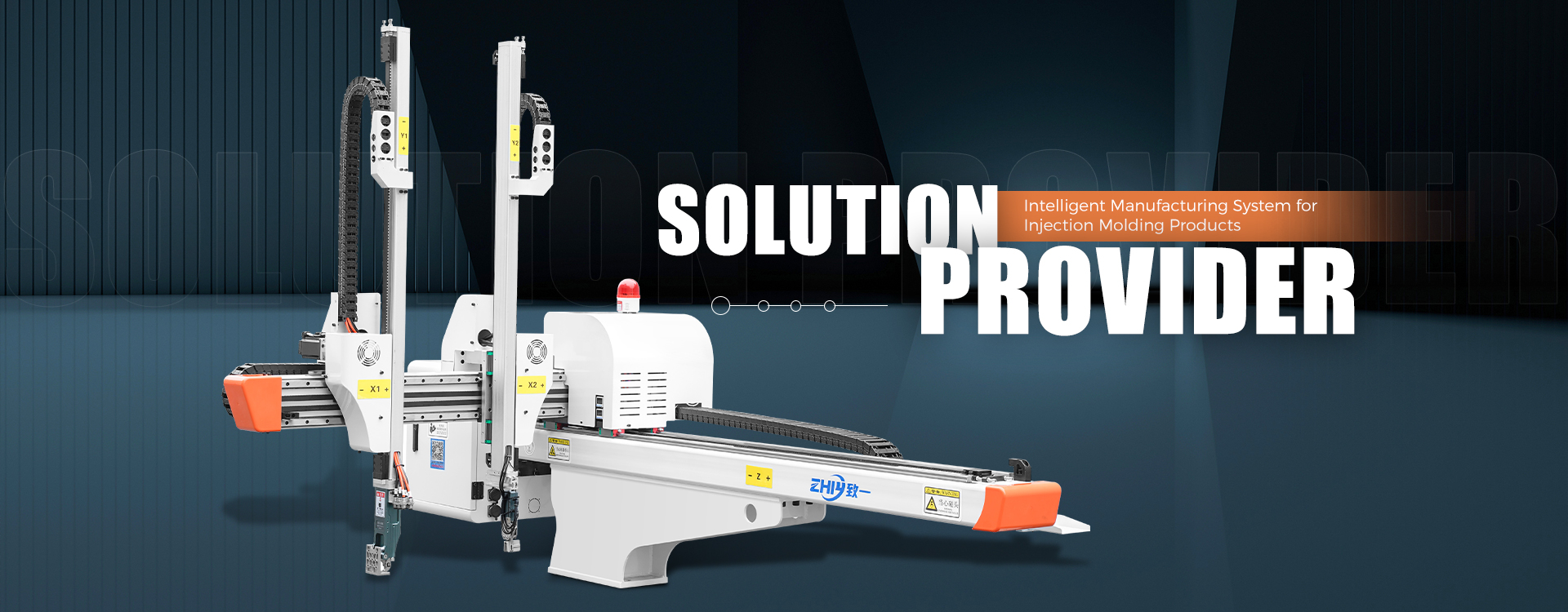
A servo manipulator is a sophisticated tool widely used in automation. It employs servo motors to achieve precise movements and positioning. These systems can be programmed for various applications, ranging from simple pick-and-place tasks to complex assembly operations. Users often appreciate how they enhance productivity.

The design of a servo manipulator includes axes of movement. For instance, a Traverse Axis Servo Manipulator allows for lateral movement, significantly increasing flexibility in operation. These devices can perform repetitive tasks quickly and accurately. However, they come with challenges. Users must understand programming intricacies for optimal performance, and maintenance can be cumbersome.

Despite their advantages, servo manipulators are not faultless. They can be expensive to install and require skilled operators. Some designs may not be suitable for every environment, leading to performance issues. This calls for careful consideration when selecting a model for specific tasks. Proper training and ongoing support are essential to fully leverage their capabilities.

Key Components of a Servo Manipulator: Motors, Sensors, and Controllers

A servo manipulator is a device equipped with motors, sensors, and controllers. These components work together to achieve precision in movement. The motors provide the necessary force to move the manipulator's arm. They are essential for controlling speed and position within a specified range. When it comes to tasks that require accuracy, motors play a key role.

Sensors are equally important. They help the manipulator understand its environment. For instance, ultrasonic and infrared sensors can detect objects nearby. This feedback is crucial for navigating complex tasks. Controllers process the data from sensors. They make quick decisions based on this information, ensuring timely responses.

In a Three-Axis Full Servo Manipulator, all three axes can be controlled independently. This setup allows for more versatile movements. However, achieving perfect coordination between components can be challenging. Misalignments or outdated software can lead to errors in operation. Regular maintenance is essential, yet often overlooked. It's a constant balance between precision and practicality.

How Servo Mechanisms Operate: Feedback Loops and Control Circuits

What is a Servo Manipulator and How Does it Work?

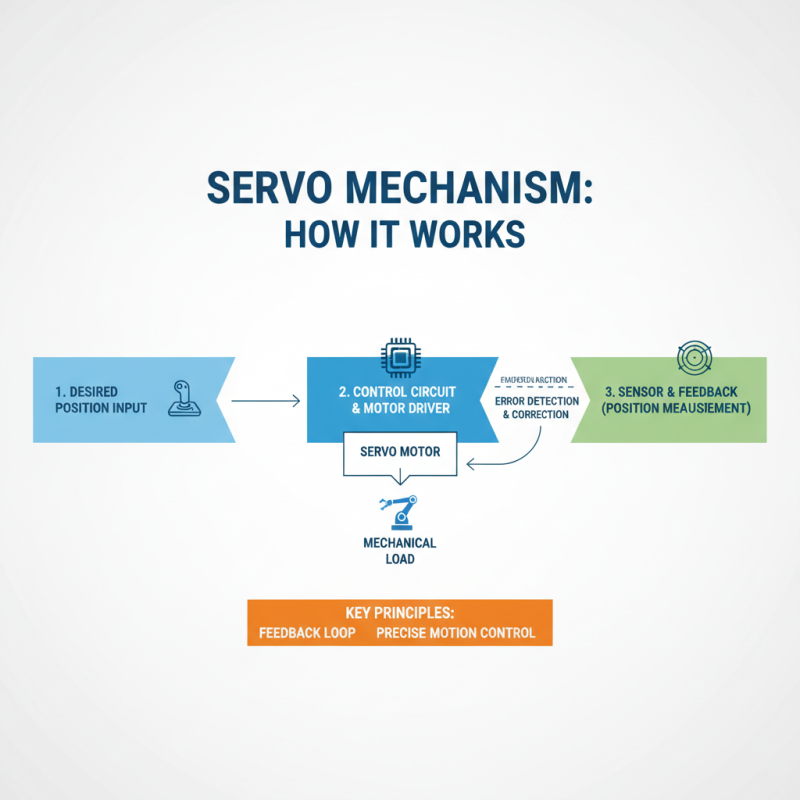
Servo mechanisms are crucial in automation and robotics. They operate based on feedback loops and control circuits that ensure precise movement. A feedback loop measures the position of the servo. It then compares this data with the desired position. If there is a discrepancy, the control circuit adjusts the motor's action accordingly.

The control circuit uses sensors to detect the angle or speed of the servo. It processes this information rapidly. From there, specific commands are generated to move the servo to the correct position. This real-time adjustment is key. Errors can occur if the sensors malfunction or if communication lag occurs between the components.

Maintaining proper calibration of the feedback loop is essential. A slight calibration error can lead to significant deviations in movement. Regular checks and adjustments can prevent issues. Servo manipulators are not perfect machines. They require constant attention for optimal performance. This reveals the complexity of their operation.

Applications of Servo Manipulators in Industry: Robotics and Automation

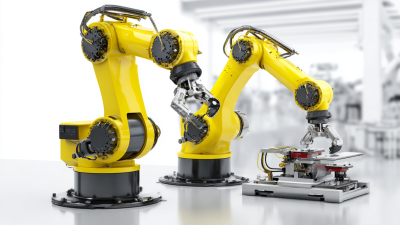
Servo manipulators are crucial in modern industries, especially in robotics and automation. They provide precision and accuracy for tasks like assembly, welding, and material handling. The Frame Type Full Servo Manipulator exemplifies this technology, designed for efficiency. These systems use advanced sensors and actuators to ensure correct positioning. They adapt to different loads and speeds, which enhances productivity.

In automotive manufacturing, servo manipulators are used extensively. They help in assembling complex parts with high accuracy. This automation reduces human error and speeds up production lines. However, not all operations are flawless. Maintenance can sometimes be an issue, leading to downtime. Companies must regularly train employees to manage these systems effectively.

In warehouses, these manipulators automate the handling of goods. They sort, stack, and transport materials efficiently. Still, challenges in integrating them with existing systems can arise. Compatibility issues can delay operations. Companies need to regularly assess and adjust their systems to maintain smooth workflows.

Performance Metrics: Precision, Speed, and Load Capacity of Servo Systems

What is a Servo Manipulator and How Does it Work?

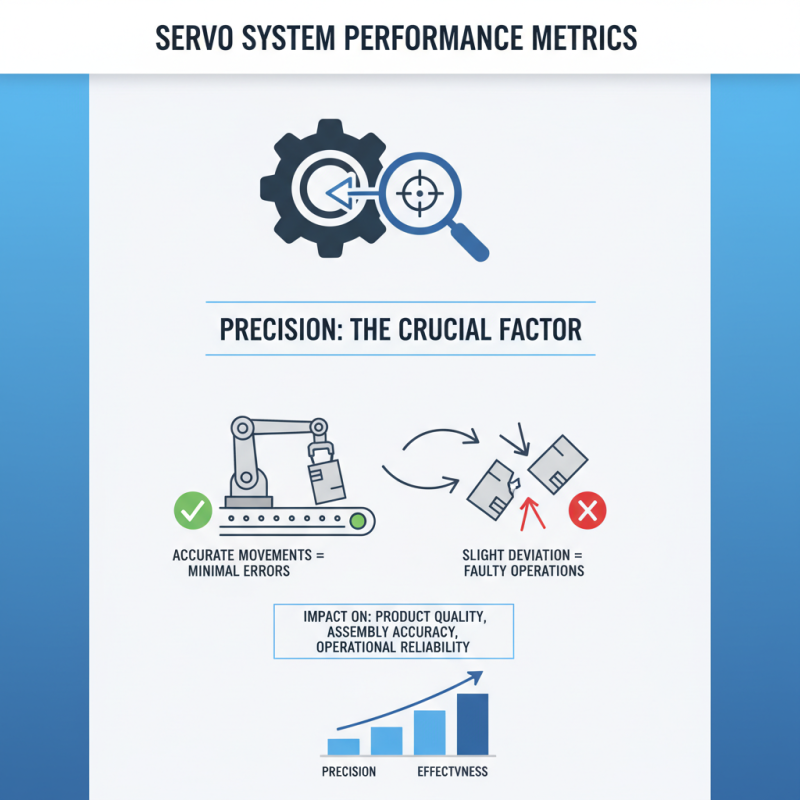
Servo systems have unique performance metrics that define their effectiveness. Precision is a crucial factor. Accurate movements minimize errors in tasks. A slight deviation can lead to faulty operations. For instance, in assembly lines, precision impacts product quality.

Speed is another vital aspect. Servo manipulators must respond quickly to commands. Delays can slow down processes significantly. In high-speed applications, every millisecond counts. Load capacity also matters. A system must handle specific weights without losing control. If overloaded, performance suffers.

Analyzing these metrics often reveals discrepancies. Engineers might find that speed impacts precision. Trade-offs can become apparent. Adjusting speed may enhance accuracy but risk overloading. Regular assessments are necessary. Continuous improvements can help find the right balance.

Advantages of Using Servo Manipulators Over Traditional Systems

Servo manipulators are revolutionizing automation. Their precision and speed significantly surpass traditional systems. Reports indicate that projects using servo manipulators can increase productivity by up to 40%. This boost is often attributed to quicker setup times and improved accuracy.

One major advantage of servo manipulators is their adaptability. The Mini Three-Axis Full Servo Manipulator, for example, can handle a variety of tasks with minimal recalibration. This flexibility allows manufacturers to switch between different production runs seamlessly. Traditional systems often require extensive adjustments, leading to downtime. Surveys show that companies utilizing servo technologies experience a 25% reduction in operational delays.

However, there are challenges. The upfront costs of servo manipulators can be high. Smaller companies might hesitate before investing. Additionally, training employees to operate these advanced systems can be time-consuming. Despite these hurdles, the long-term benefits are clear. A well-implemented servo manipulator can provide a return on investment within two years, making it a worthwhile consideration for many businesses.

What is a Servo Manipulator and How Does it Work? - Advantages of Using Servo Manipulators Over Traditional Systems

Feature Servo Manipulator Traditional Systems
Precision High precision with feedback control Moderate precision, often manual
Speed Fast response times Slower due to mechanical delays
Complex Movements Capable of complex multi-axis movements Limited to linear movements
Energy Efficiency More energy-efficient operation Generally less efficient
Flexibility Highly adaptable for various tasks Limited adaptability without modifications

Future Trends: Innovations in Servo Technology and Industry Impact

Servo technology is evolving rapidly. Recent reports predict that the global servo motor market will reach $9 billion by 2026. This growth is driven by increasing demand for automation in various industries. Many sectors, such as manufacturing and robotics, benefit significantly from these advancements. Innovations like smart servos enhance precision and efficiency. These systems integrate better with AI and IoT devices.

However, challenges remain. The complexity of integrating new technologies can be daunting. Many companies struggle with training personnel. Workers often need retraining to adapt to advanced servo systems. This can delay the adoption of innovations. Additionally, maintaining these systems poses potential issues. Breakdowns in servo motors can lead to costly downtime.

The future of servo technology looks promising. Innovations such as machine learning integration will likely enhance performance. This could lead to increased productivity across industries. As firms adopt these technologies, we may see shifts in job roles. Companies will need to re-evaluate how they train their workforce. The industry must balance new tech with human skill development for optimal outcomes.

FAQS

: What are common benefits of maintaining a healthy lifestyle?

: A healthy lifestyle can improve mood and energy levels. It also promotes better sleep quality.

How can I incorporate more physical activity into my day?

You can take short walks during breaks. Aim for small exercises at home or outdoors.

What are some easy healthy eating tips?

Focus on incorporating more fruits and vegetables. Try to avoid processed foods.

Why is hydration important for overall health?

Staying hydrated helps maintain energy levels. It also supports digestion and promotes clearer skin.

How can stress affect my health?

Chronic stress can lead to fatigue and anxiety. It might also result in physical health issues.

How do sleep and mental health connect?

Poor sleep can worsen mental health. Adequate rest often leads to better emotional balance.

What should I consider when setting fitness goals?

Set realistic and achievable goals. Reflect on your progress regularly to stay motivated.

How does social support impact well-being?

Having supportive relationships can enhance emotional health. It encourages engagement in healthy activities.

What are signs of an unhealthy lifestyle?

Low energy levels, poor sleep, and frequent illnesses may indicate an unhealthy lifestyle.

Why is self-reflection necessary in health journeys?

Reflecting helps identify areas for improvement. It can guide future decisions and encourage personal growth.

Conclusion

A Servo Manipulator is a sophisticated device that utilizes servo mechanisms to achieve precise movements and positioning. Such manipulators consist of key components including motors, sensors, and controllers, which work together to ensure accurate operation. The functionality of Servo Manipulators is largely based on feedback loops and control circuits that allow them to adjust movements in real-time, making them ideal for applications in robotics and automation within various industries.

Performance metrics, such as precision, speed, and load capacity, highlight the advantages of Servo Manipulators over traditional systems. These advanced systems not only enhance operational efficiency but also improve overall productivity. Looking ahead, innovations in servo technology promise to further revolutionize their applications, leading to more advanced and versatile solutions in automation and industry.


Sophia

Sophia

Sophia is a dedicated marketing professional at a pioneering automation equipment company established in 2017. With a deep understanding of the company’s products and a passion for promoting intelligent transformation in the manufacturing industry, she plays a crucial role in bridging the gap......
Previous Exploring 2025 Technology Trends for the Best Industrial Robot Arm Solutions