Leave Your Message
Alright, let’s talk about the manufacturing world today – it’s changing fast, right? Everyone's looking for better automation solutions, and honestly, it's never been more urgent. There’s this report from MarketsandMarkets that says the global industrial automation market is set to hit a whopping $296.70 billion by 2026! A big part of that? Industrial Mechanical Arms. As factories start to embrace smarter operations, it’s super important to find trustworthy manufacturers who can provide high-quality solutions with those mechanical arms. That’s where we come in! Here at Zhejiang Zhiyi Intelligent Robot Co., Ltd., which we kicked off back in 2017, we’ve been all about offering top-notch automation equipment and solutions. Our mission? To help the manufacturing industry transform intelligently and keep our clients ahead of the tech curve.
These days, in the world of manufacturing, you can’t really overlook the importance of industrial mechanical arms. They’ve become game-changers, boosting efficiency and accuracy across a wide range of industries. These high-tech robots really shine when it comes to taking over those repetitive tasks. This lets manufacturers fine-tune their production processes and save a few bucks along the way. And, let’s be real – with automation on the rise, getting a grip on the specific needs and perks of these mechanical arms is becoming crucial for businesses that want to keep their edge.
Take the automotive industry, for example. It’s booming right now! Recent market trends suggest that the ball screw market is on track to hit around $494.47 million by 2024 and could soar to about $624.31 million by 2032. That translates to an annual growth rate of about 2.9%. Pretty impressive, right? All this growth really highlights how important it is for machinery and components, especially those industrial mechanical arms, to be super reliable. If companies want to step up their manufacturing game, it’s vital they not only put money into high-quality mechanical arms but also team up with dependable manufacturers. They need cutting-edge solutions that are customized to fit their unique operational needs. This way, businesses can smoothly integrate new technology, ramp up productivity, and really push the envelope in their processes.
| Manufacturer Location | Industry Application | Mechanical Arm Type | Payload Capacity (kg) | Precision (mm) | Lead Time (weeks) |
|---|---|---|---|---|---|
| North America | Automotive | Articulated Arm | 100 | 0.05 | 6 |
| Europe | Electronics | SCARA Arm | 20 | 0.02 | 4 |
| Asia | Food & Beverage | DeltA Robot | 15 | 0.01 | 5 |
| Australia | Construction | Collaborative Robot | 50 | 0.1 | 3 |
| South America | Pharmaceutical | Cartesian Arm | 10 | 0.03 | 2 |
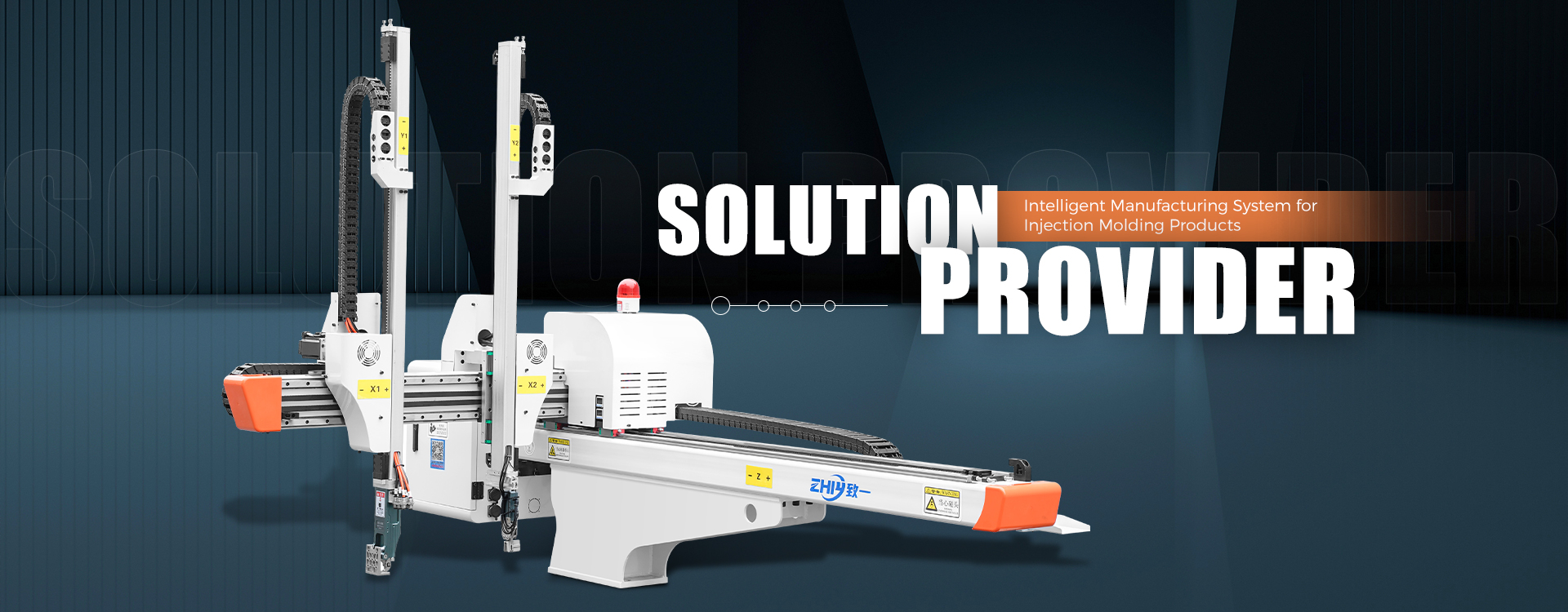
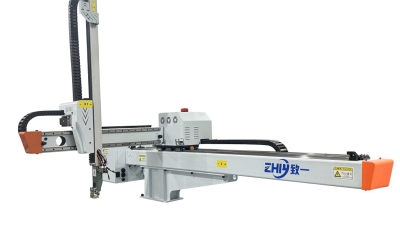
The integration of robotics in manufacturing has revolutionized production processes, enhancing efficiency and reducing operational costs. Reports from industry experts indicate that automation in manufacturing can lead to a productivity increase of up to 30%, significantly impacting overall profitability. In this context, the three-axis single-arm robotic arm (Model: WKG-1000) emerges as a cutting-edge solution for injection molding machine automation. With its compact structure and precise motion control, it seamlessly adapts to machines ranging from 150T to 250T, making it a versatile choice for manufacturers looking to optimize their workflows.
The WKG-1000 is not just about adaptability; it boasts a strong load capacity that enables fast pick-up, placement, and transportation of materials, which is essential in high-demand production environments. Moreover, its construction from high-strength aluminum alloy ensures not only stability and durability but also contributes to environmental sustainability with low noise and low energy consumption. Data from recent market studies suggest that manufacturers who implement such robotic systems can achieve a return on investment (ROI) in as little as six months, highlighting the economic advantage of adopting advanced automation technologies.
As the global market for manufacturing automation continues to expand, the WKG-1000 stands out as an ideal option for international wholesale buyers seeking efficient, reliable, and economical automation equipment. Its proven capabilities in diverse regions—such as Europe, America, Southeast Asia, and the Middle East—underscore its relevance in today’s fast-paced manufacturing landscape.
: Industrial mechanical arms are used to automate repetitive tasks, enhancing efficiency and precision in various sectors, which helps optimize production processes and reduce operational costs.
The automotive industry is experiencing significant growth, with projections for the ball screw market indicating an increase in demand for reliable machinery, including industrial mechanical arms, to keep up with this growth.
Businesses should prioritize manufacturers with a proven track record, ISO 9001 certifications for quality management, transparency in their processes, and a commitment to research and development.
Transparency increases customer trust, with many consumers willing to pay more for products from companies that openly share their processes and materials.
Technology is crucial for developing superior mechanical arms, as advancements in robotics, automation, and AI enhance their capabilities to perform complex tasks with higher precision and efficiency.
Manufacturers can stay competitive by adopting cutting-edge technologies, collaborating with technology partners, and ensuring their solutions remain relevant to industry demands.
Involving end-users during development allows manufacturers to gather insights and experiences that can guide the refinement of mechanical arm functionalities, ensuring the final product meets real-world applications effectively.
The global market for robotic arms is projected to reach $20 billion by 2025, highlighting increasing competition and the necessity for high-quality standards among manufacturers.
Companies should invest in high-quality mechanical arms and establish partnerships with reliable manufacturers that offer tailored, cutting-edge solutions to enhance productivity.