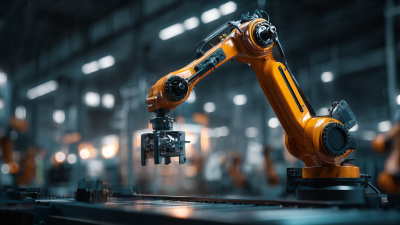
You know, technology keeps evolving at a crazy pace, and one of the big game changers lately has been the rise of the Articulated Robot Arm. I was chatting with Dr. Sarah Thompson from Innovative Robotics Solutions—she’s really in the know when it comes to automation—and she said something that stuck with me: "The Articulated Robot Arm is truly a standout when it comes to flexibility and precision. It’s allowing industries to rethink how they do things in production." Honestly, this kind of tech isn’t just making things faster; it’s also making a real difference across different fields, from manufacturing plants to hospitals.
As industries scramble to keep up with a market that’s shifting all the time, the uses for these robot arms are just exploding. They can tackle pretty complex tasks with impressive accuracy, whether it’s assembling parts or assisting in surgeries. Using these arms helps companies run smoother, cut costs, and also keep workers safer, which is pretty cool.
In this article, I want to dive into the top ten ways the Articulated Robot Arm is changing the game across various industries. Every example really shows how versatile and powerful this technology can be, proving it’s a key part of the innovation wave that’s shaping today’s industry landscape.
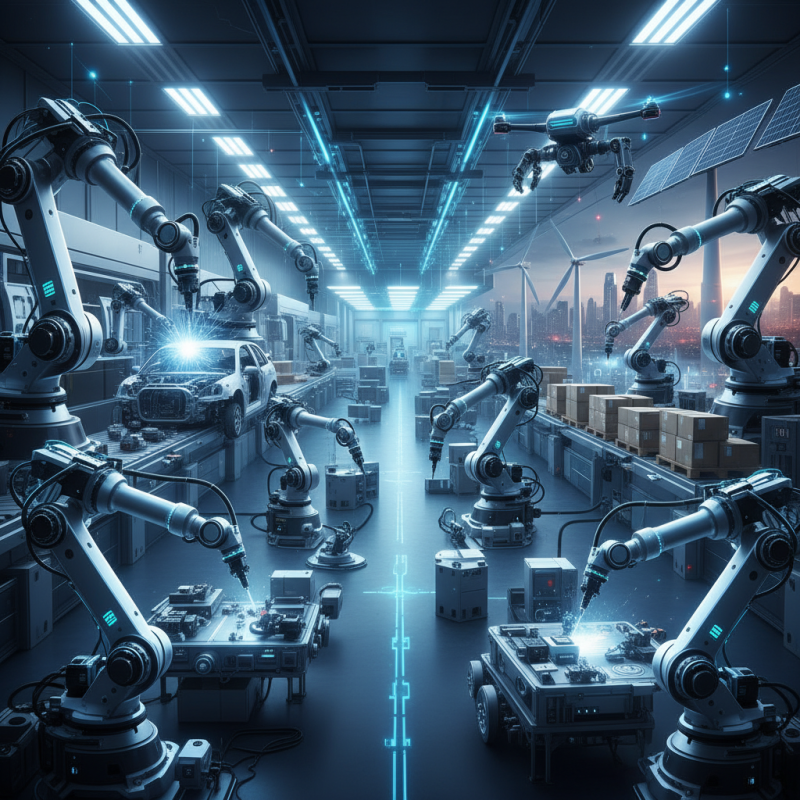
Overview of Articulated Robot Arms in Modern Industries
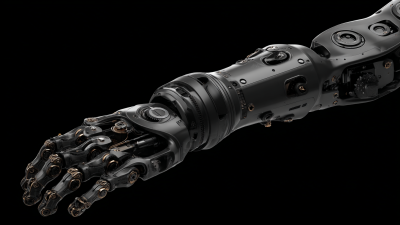
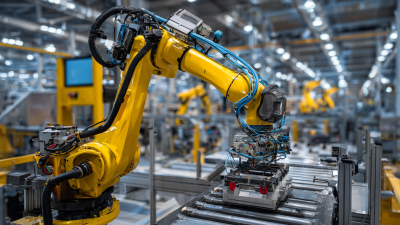
Articulated robot arms have emerged as a pivotal technology in modern industries, facilitating advancements in automation and efficiency. These robotic systems are characterized by their multi-jointed design, allowing for a high degree of flexibility and precision in various applications. From automotive manufacturing to electronics assembly, articulated robot arms are invaluable in performing repetitive tasks with speed and accuracy, thus minimizing human error and increasing productivity. Their versatility enables them to handle complex operations, ranging from welding and painting to parts handling and packaging, making them essential in production lines across multiple sectors.
Furthermore, the integration of articulated robot arms into modern industries is also transforming workflows and enhancing safety. By taking over dangerous or ergonomically challenging tasks, these robots not only protect human workers but also allow them to focus on more strategic activities that require cognitive skills and problem-solving abilities. Additionally, advancements in artificial intelligence and machine learning are enabling these robotic arms to adapt and learn from their environments, further improving their efficiency over time. This evolution in articulated Robot Technology signifies a shift towardsmart manufacturing, paving the way for a more interconnected and responsive industrial landscape.
Key Features and Advantages of Articulated Robot Arms
Articulated robot arms are at the forefront of modern automation, offering significant advantages across various industries. These robots, characterized by their jointed structures resembling a human arm, provide exceptional flexibility and reach, allowing them to perform complex tasks that are often challenging for traditional machines. According to a report by MarketsandMarkets, the articulated robot market is projected to grow from $7.2 billion in 2020 to $20.4 billion by 2026, reflecting the increasing demand for automation solutions in manufacturing, healthcare, and logistics sectors.
One of the key features of articulated robot arms is their precision and adaptability. They can be equipped with advanced sensors and vision systems that enhance their operational accuracy, making them invaluable in assembly lines and quality control processes. A study published in the International Journal of Advanced Manufacturing Technology highlights that industries employing articulated robots have seen a 30% increase in productivity and a 25% reduction in errors. Additionally, these robots can work in hazardous environments, improving safety for human workers. The capability to reprogram and redeploy articulated arms for different tasks further underlines their economic advantage, allowing businesses to stay agile in a competitive market.
Top Industries Utilizing Articulated Robot Arms Today
Articulated robot arms are transforming numerous industries by increasing efficiency, productivity, and precision. According to a report by MarketsandMarkets, the global robotics market is projected to reach $73 billion by 2026, with articulated robots playing a significant role in this growth. These robots are being widely adopted in manufacturing, where they handle tasks like assembly, welding, and painting with remarkable accuracy and speed. For instance, in the automotive industry, articulated robot arms can work collaboratively with human operators in assembling complex components, drastically reducing production time and costs while enhancing product quality.
In addition to manufacturing, the healthcare industry is increasingly integrating articulated robot arms for surgical procedures and rehabilitation. A study published in the Journal of Robotic Surgery indicates that robotic-assisted surgeries have improved patient recovery times and reduced the risk of complications. Furthermore, the logistics sector is also leveraging these robotic arms to streamline operations in warehouses and distribution centers. By automating picking, packing, and sorting processes, businesses can achieve higher throughput rates and significantly reduce labor costs. The continued advancements in artificial intelligence and machine learning further enhance the capabilities of articulated robots, making them indispensable across various sectors.
Top 10 Articulated Robot Arm Applications Revolutionizing Industries Today
| Application | Industry | Impact | Benefits |
| Welding | Manufacturing | Increased Speed | Higher Quality Welds |
| Assembly | Automotive | Enhanced Precision | Reduced Labor Costs |
| Painting | Coatings | Consistent Finish | Reduced Waste |
| Packaging | Food & Beverage | Cost Efficiency | Faster Turnaround |
| Material Handling | Logistics | Improved Safety | Minimized Injury Risks |
| Inspection | Quality Assurance | Higher Accuracy | Earlier Defect Detection |
| Soldering | Electronics | Increased Efficiency | Reduced Errors |
| Picking & Sorting | Retail | Enhanced Productivity | Faster Fulfillment |
| 3D Printing | Manufacturing | Innovative Solutions | Custom Parts Creation |
| Education & Research | Academia | Advanced Learning | Skills Development |
Case Studies: Successful Implementations of Robot Arms
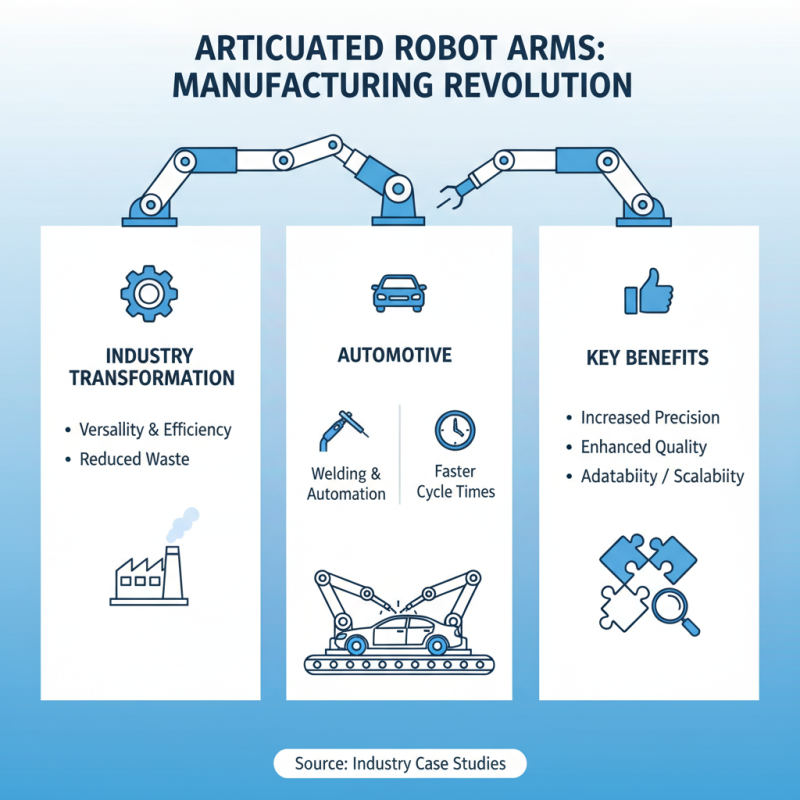
The implementation of articulated robot arms has transformed various industries, showcasing their versatility and efficiency through numerous successful case studies. In the manufacturing sector, a leading automotive assembly plant adopted these robotic arms to automate tasks such as welding and painting. By integrating these advanced machines into their production line, the facility achieved a significant reduction in cycle times and an increase in precision, leading to enhanced product quality and reduced waste. The flexibility of these robots allowed for quick reconfiguration when adapting to new vehicle models, illustrating their scalability in diverse production environments.
In the healthcare sector, a hospital successfully implemented articulated robot arms for surgical assistance. These robots enhanced the capabilities of surgeons by providing greater accuracy and control during delicate procedures. In a specific case, a team of surgeons utilized the robot arm to perform minimally invasive surgeries, resulting in shorter patient recovery times and fewer complications. This deployment not only improved surgical outcomes but also optimized resource allocation within the hospital, demonstrating how automation can be effectively leveraged to improve healthcare delivery. Through these case studies, it's clear that articulated robot arms are at the forefront of innovation, driving efficiency and excellence across various industries.
Challenges and Limitations of Articulated Robot Arms
While articulated robot arms have made significant strides in revolutionizing various industries, they are not without their challenges and limitations. One of the primary concerns is the complexity of programming these robotic systems. Crafting precise algorithms to perform specific tasks requires skilled personnel and substantial time investments. Additionally, the need for continuous updates to accommodate new tasks or changes in production lines can further strain resources.
Another significant limitation is the potential for mechanical failures. As these robotic arms are subject to wear and tear, regular maintenance and timely repairs are crucial to prevent downtime. This can be a logistical challenge, particularly in high-stakes environments where consistent operation is critical. Moreover, the initial investment costs can be daunting for smaller businesses looking to adopt this technology, deterring them from making the leap toward automation.
Tips: To maximize the efficiency of articulated robot arms, businesses should consider investing in training programs for employees. Equipping staff with the necessary skills to program and maintain robots can alleviate some of the challenges surrounding complexity. Additionally, implementing a preventive maintenance schedule can help foresee potential mechanical failures, ensuring smoother operations and longevity of the robotic systems.
Future Trends in Articulated Robotics Technology
As articulated robotics technology evolves, its future trends are increasingly shaped by advancements in AI, machine learning, and automation. These developments are paving the way for more sophisticated robotic arms that can learn from their environment and adapt to various tasks with minimal human intervention. This shift towards intelligent, adaptive systems is transforming how industries operate, allowing for enhanced efficiency and productivity across manufacturing, healthcare, and logistics sectors.
Moreover, the integration of collaborative robotics, or cobots, is a significant trend that emphasizes safety and teamwork between humans and machines. These articulated robot arms are now designed to work alongside human operators, enhancing processes while reducing the physical strain on workers. As technologies such as sensor integration and improved safety protocols continue to progress, the acceptance and deployment of articulated robot arms in the workplace are expected to expand. This collaboration between humans and robots signals a new era of productivity, where each can complement the other's strengths, ultimately leading to innovation and growth in various industries.
Impact of Articulated Robot Arms on Workforce Dynamics
The introduction of articulated robot arms into various industries has significantly transformed workforce dynamics, leading to both opportunities and challenges for the workforce. These advanced machines excel at automating repetitive and physically demanding tasks, which allows human workers to focus on more complex and strategic roles. As articulated robots take on functions such as assembly, welding, and packaging, companies can increase productivity while reducing the risk of injury associated with manual labor. This shift not only enhances operational efficiency but also necessitates a workforce that is skilled in oversight and collaboration with robotic technologies.
However, the rise of articulated robot arms also brings with it concerns about job displacement. As routine tasks are automated, there may be a decline in available positions that were traditionally held by human workers. This disruption underscores the importance of reskilling and upskilling initiatives to prepare the workforce for the changing landscape. Employers must invest in training programs that emphasize the development of skills required to work alongside robots, such as programming, maintenance, and data analysis. By fostering a cooperative relationship between humans and robots, industries can create a hybrid workforce equipped to thrive in an increasingly automated environment.
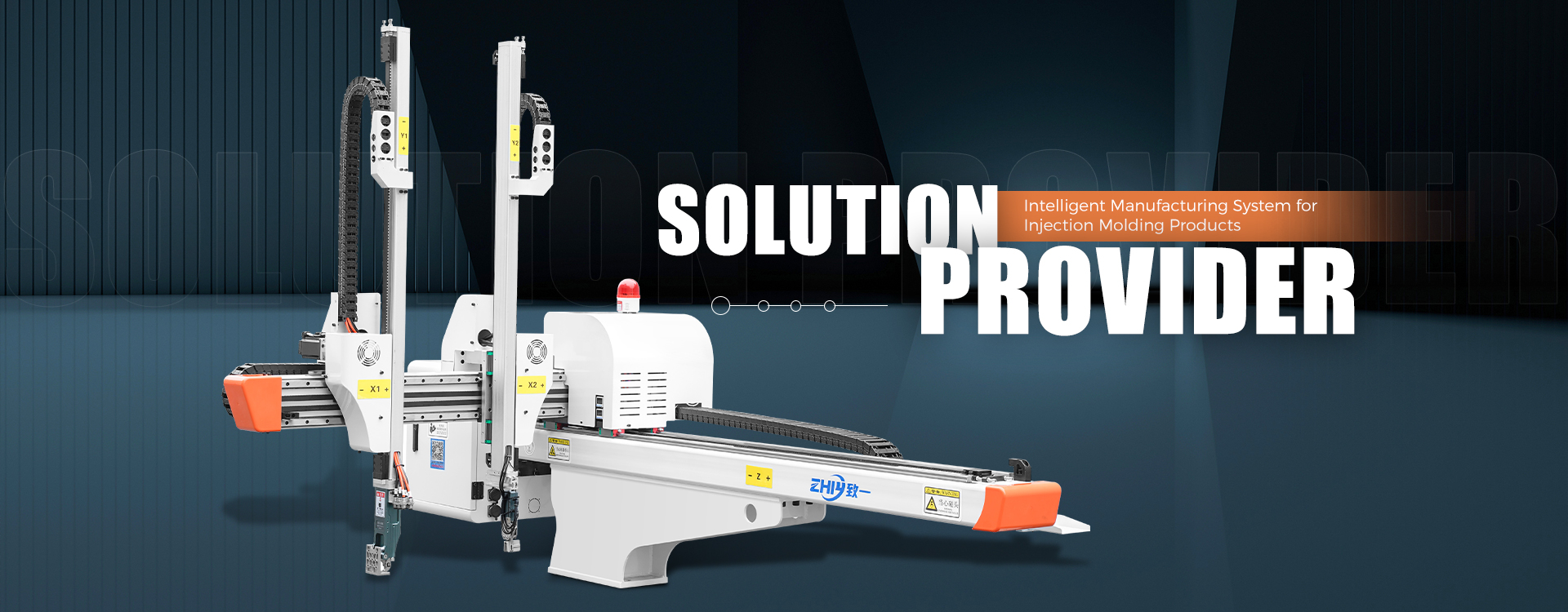
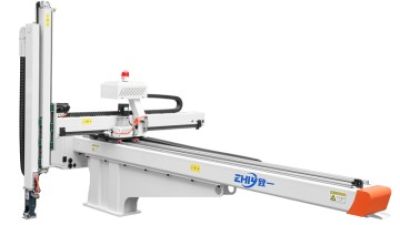
Optimizing Injection Molding Processes with Three-Axis Servo Robots for 2000T-2300T Machines
In the realm of injection molding machine automation, three-axis servo robots are revolutionizing the landscape for manufacturers operating with 2000T-2300T machines. These advanced manipulators play a pivotal role in enhancing production efficiency by streamlining processes, thereby significantly reducing labor costs. The integration of these robots into manufacturing operations allows companies to achieve precise control over their processes while maintaining a flexible travel range that adapts to various production needs.
Designed specifically for heavy-duty applications, these three-axis servo manipulators boast exceptional load capacities that cater to a diverse array of industries, including automotive, home appliances, and industrial products. By optimizing the injection molding workflow, manufacturers can enhance the speed and accuracy of their operations, leading to improved product quality and consistency. The strategic implementation of this technology not only elevates productivity but also supports manufacturers in meeting the growing demands of the market with agility and efficiency.
FAQS
: Articulated robot arms have been successfully implemented in various industries, notably manufacturing and healthcare.
Robot arms in manufacturing have automated tasks like welding and painting, leading to significant reductions in cycle times, increased precision, enhanced product quality, and reduced waste.
In healthcare, articulated robot arms enhance surgical capabilities, allowing for greater accuracy in minimally invasive procedures, resulting in shorter recovery times and fewer complications for patients.
Future trends include advancements in AI and machine learning, leading to more sophisticated robotic arms capable of learning and adapting to various tasks, as well as the rise of collaborative robots that work alongside human operators.
These robots automate repetitive and physically demanding tasks, allowing human workers to focus on more complex and strategic roles, thereby increasing productivity and reducing injury risks.
The rise of articulated robot arms raises concerns about job displacement, as routine tasks become automated, potentially reducing the number of positions available for human workers.
Reskilling is crucial to prepare the workforce for changes brought by automation, enabling workers to obtain skills in programming, maintenance, and collaboration with robotic technologies.
Employers can support their workforce by investing in training programs focused on developing skills necessary to work effectively alongside robotic technologies, fostering a cooperative relationship between humans and robots.
Improved safety protocols and sensor integration enhance the deployment of articulated robot arms, ensuring safe collaboration between humans and robots in the workplace.
The collaboration enhances productivity by allowing robots to handle repetitive tasks while humans manage more complex duties, creating a hybrid workforce capable of improving operational efficiency.
Conclusion
The article "Top 10 Articulated Robot Arm Applications Revolutionizing Industries Today" explores the significant role of Articulated Robot Arms in modern industries. It highlights their key features, such as flexibility and precision, which enable a wide range of applications across sectors like manufacturing, healthcare, and logistics. Case studies illustrate successful implementations, showcasing how these robotic arms enhance efficiency and accuracy while reducing production times.
Despite their advantages, the article also addresses challenges such as high initial costs and the need for skilled operators. As technology advances, future trends in articulated robotics promise even greater innovations, impacting workforce dynamics as they increasingly take on repetitive tasks. Overall, Articulated Robot Arms are not only transforming industrial operations but also reshaping the way work is conducted in various sectors.