In the fast-changing world of manufacturing, picking the right China ODM Robot Axissupplier is more important than ever. I mean, industry veteran Dr. Mark Thompson once said, “The efficiency of your production line really depends on the quality of Your Robot Axis.” That really hit home for me — it shows how crucial it is to make smart, informed choices when selecting a supplier.
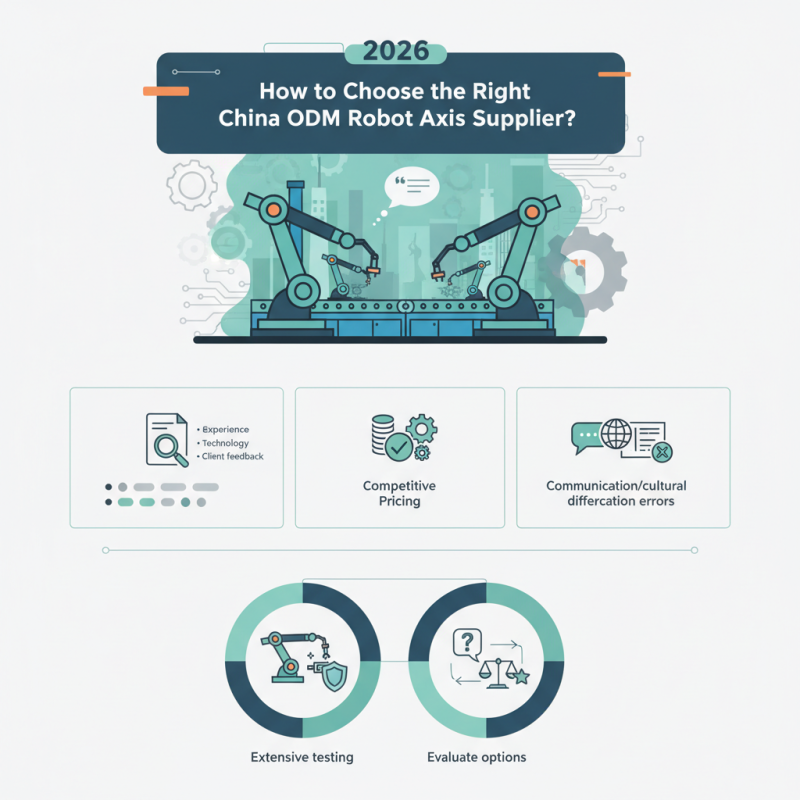
Finding a partner you can trust isn’t something you do overnight. You wanna look into their experience, the kind of tech they use, and what other clients are saying about them. Of course, pricing matters — you want something competitive — but equally important is consistent quality. And don’t forget, communication can sometimes be tricky, especially with cultural differences, so it’s worth paying attention to how smoothly things flow.
One thing too many people overlook? Testing those Robot Axis components thoroughly. Asking suppliers about their quality control process is a must. That kind of transparency shows they’re serious about their work. Honestly, sometimes it’s tempting to go with a big, familiar name just because it feels safer. But don’t forget — sometimes a lesser-known supplier might actually give you better value, if you dig a little deeper. Take a good look at what you really need, weigh your options carefully, and make your call with confidence.
Understanding the Basics of ODM and Robot Axis Systems
When selecting the right ODM robot axis supplier, understanding the foundations of ODM and robot axis systems is crucial. ODM stands for Original Design Manufacturer. It refers to companies that design and manufacture products, allowing other brands to market them. In the robotics industry, many ODM suppliers specialize in producing varioUs Robot axes, including the increasingly popular5 Axis Robot systems. These systems enable multi-directional movements, offering advanced capabilities for automation tasks.
According to a recent report by Markets and Markets, the global robotics market is projected to grow to $210 billion by 2025. This reflects a compound annual growth rate of about 26%. Understanding the technical specifications of different robot axis systems is essential. Different designs serve various applications, from precision machining to assembly lines. Not all suppliers offer the same features, which can significantly impact performance.
While the allure of a lower price from a less established ODM supplier can be tempting, it often means sacrificing quality. Basic features might be present, but longevity and reliability may be underwhelming. Researching the reputation of suppliers is vital. Look for client reviews and case studies to gauge their service level. Often, deeper partnerships yield better support and development options. Seek out suppliers who are willing to invest in your project's success with a robust, responsive service.
Evaluating Supplier Credentials and Experience in ODM Robotics
When evaluating a China ODM robot axis supplier, credentials and experience are key. Look for suppliers with a solid track record in ODM robotics. Check their history in manufacturing 4 Axis Robots. This can provide insights into their reliability and skills. Experienced suppliers often have clear processes in place. These processes enhance production efficiency and ensure quality control.
Consider their certifications and industry recognition. Certifications indicate that the supplier meets specific standards. A supplier with industry awards or recognitions can often signal expertise. Compare potential suppliers based on their past projects. Look for case studies or testimonials that illustrate their capabilities. This will help assess how well they meet client needs.
Engaging with suppliers can reveal their approach to problem-solving. Ask about challenges they’ve faced and how they addressed them. Their responses can indicate flexibility and innovation. Don’t hesitate to question their manufacturing techniques. Understanding these methods can lead to better decisions. Ultimately, the right partner should align with your technical requirements and project goals.
2026 Analysis of ODM Robot Axis Supplier Credentials
This chart represents the evaluation of various factors in choosing the right China ODM robot axis supplier, focusing on experience, certification, and customer reviews.
Comparing Quality Standards Among Different ODM Suppliers
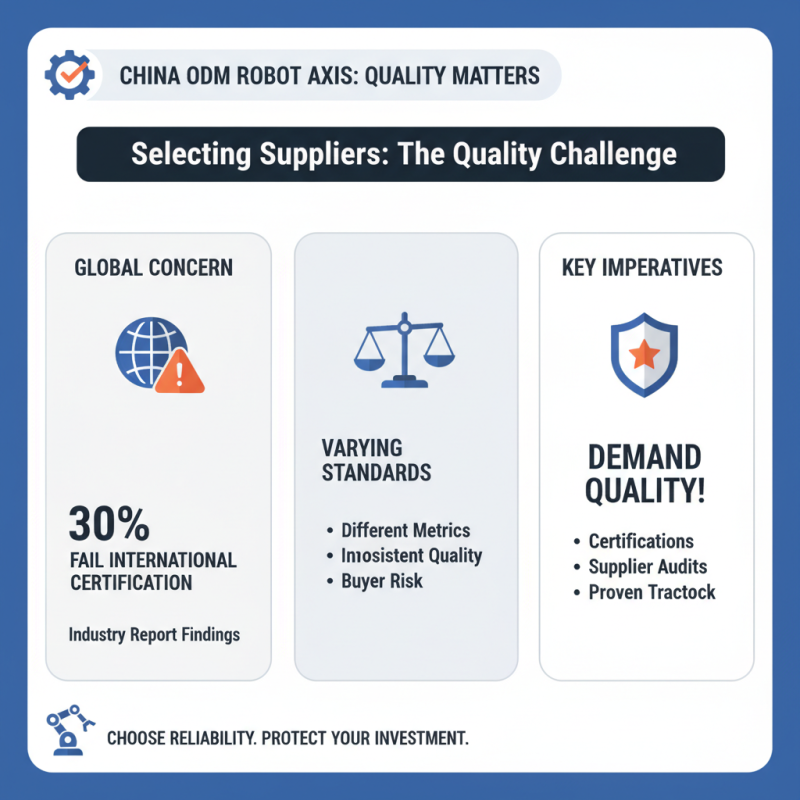
When selecting a China ODM robot axis supplier, quality standards are critical. Different suppliers often have varying metrics for assessing quality. A recent industry report shows that 30% of ODM manufacturers do not meet international quality certifications. This inconsistency raises concerns for buyers.
Quality is not merely about certifications. It also includes rigorous testing protocols. According to a 2023 survey, only 40% of suppliers implement comprehensive quality control practices. This gap can lead to issues in product reliability and longevity. Buyers must ask specific questions about testing methods and failure rates.
Moreover, some suppliers may have attractive pricing but compromise on quality. A low-cost supplier might cut corners, affecting the performance of robot axes. It's essential to consider whether the supplier has a transparent quality assurance process. Ensure they can provide verifiable data on their quality performance. Such details may not be easy to obtain, requiring careful evaluation. Sometimes a more expensive option ensures better long-term results, which is worth reflecting upon during your decision-making process.
Assessing Customization Capabilities of Robot Axis Suppliers
When selecting a robot axis supplier in China, customization capabilities play a critical role. A supplier offering tailored solutions can significantly enhance your project’s efficiency. Look for suppliers who engage in comprehensive discussions about your specific needs. They should be open to modifying designs or specifications to meet your requirements. This flexibility is vital in a competitive market.
Investigate the supplier's past projects to understand their experience with customization. Some suppliers may excel in standard products but struggle with bespoke solutions. Ask for case studies or references that highlight their ability to adapt. Also, consider the supplier's technology and resources. Advanced manufacturing processes can allow for more intricate customization options, while limited facilities might restrict creativity and adaptability.
It’s essential to gauge how responsive suppliers are to your inquiries. A supplier who takes time to understand your needs could be more beneficial than one who rushes through the process. Don’t overlook the importance of communication during the development phase. If a supplier is not proactive in keeping you updated, it may lead to misunderstandings. Balancing these factors will help in making an informed choice.
Analyzing Pricing Structures and Total Cost of Ownership
When selecting a China ODM robot axis supplier, analyzing pricing structures is crucial. Different suppliers may present unique pricing models. Some might offer lower initial costs but hidden fees. Understanding these cost dynamics can prevent future surprises. Break down the costs into categories—unit price, shipping, and after-sales support.
Total cost of ownership (TCO) is another essential factor. TCO incorporates all expenses over the product's lifetime. A cheap initial purchase can lead to higher long-term expenses. Consider maintenance, upgrades, and downtime costs. These factors weigh heavily on overall desirability. Small, hidden costs can accumulate, significantly impacting your budget.
As you evaluate potential suppliers, be wary of glossy presentations. They often obscure essential details. Each supplier has a unique approach to pricing. Ensure you compare not only prices but also the value received. It’s a complex process that requires careful reflection and a clear understanding of your needs.
2026 How to Choose the Right China ODM Robot Axis Supplier? - Analyzing Pricing Structures and Total Cost of Ownership
| Supplier Type | Average Price (USD) | Warranty Period (Years) | Lead Time (Weeks) | Support Availability | Total Cost of Ownership (5 Years) |
| Low-Cost Supplier | $1,500 | 1 | 6 | Limited | $8,000 |
| Mid-Range Supplier | $2,500 | 2 | 4 | Standard | $11,500 |
| Premium Supplier | $4,000 | 3 | 3 | Comprehensive | $15,000 |
| Custom Solution Provider | $5,500 | 5 | 8 | 24/7 | $20,000 |
Examining After-Sales Support and Warranty Options
When selecting an ODM robot axis supplier, after-sales support is crucial. A recent industry survey indicates that 75% of companies rate after-sales service as a top priority. Many suppliers focus on cost rather than support, which can lead to headaches. A strong support system can save time and money in the long run.
Warranty options deserve careful consideration. Standard warranty periods typically range from one to two years. However, some suppliers might offer extended warranties or service agreements. An extended warranty can be beneficial, particularly for complex systems like a 2 Axis Robot. Ensure you understand what’s covered. Are parts included? What about labor costs? These details matter.
A lack of clarity in after-sales support can be a red flag. Some suppliers have received criticism for slow response times. A proactive support team can be a game changer. It fosters a relationship of trust. Regular communication is essential in resolving issues quickly. Don’t overlook this aspect; it can often indicate the supplier’s commitment to client satisfaction.
Identifying Trends and Innovations in the ODM Robotics Sector
The ODM robotics sector is evolving rapidly. Innovations in technology are driving changes in the types of robots available. Many suppliers are pushing the boundaries of what's possible with Robot 3 Axis designs. We see increasing integration of AI and advanced sensors. This enhances the capabilities of these robots significantly.
Choosing the right supplier requires research. Look for companies that showcase their technology at trade shows. Check online platforms for reviews and case studies. Recommendations from industry peers can be invaluable too.
Tip: Don't overlook smaller suppliers. They often offer unique solutions and personalized service. Evaluate their track record with Robot 3 Axis products. Ensure they stay updated with industry trends. An innovative supplier can help you stay ahead. Being cautious of flashy pitches is also wise. Transparency in their processes often indicates reliability.
Analyzing the Impact of Automation: Innovations in Three-Axis Single-Arm Robotic Arms and Their Market Growth Trends
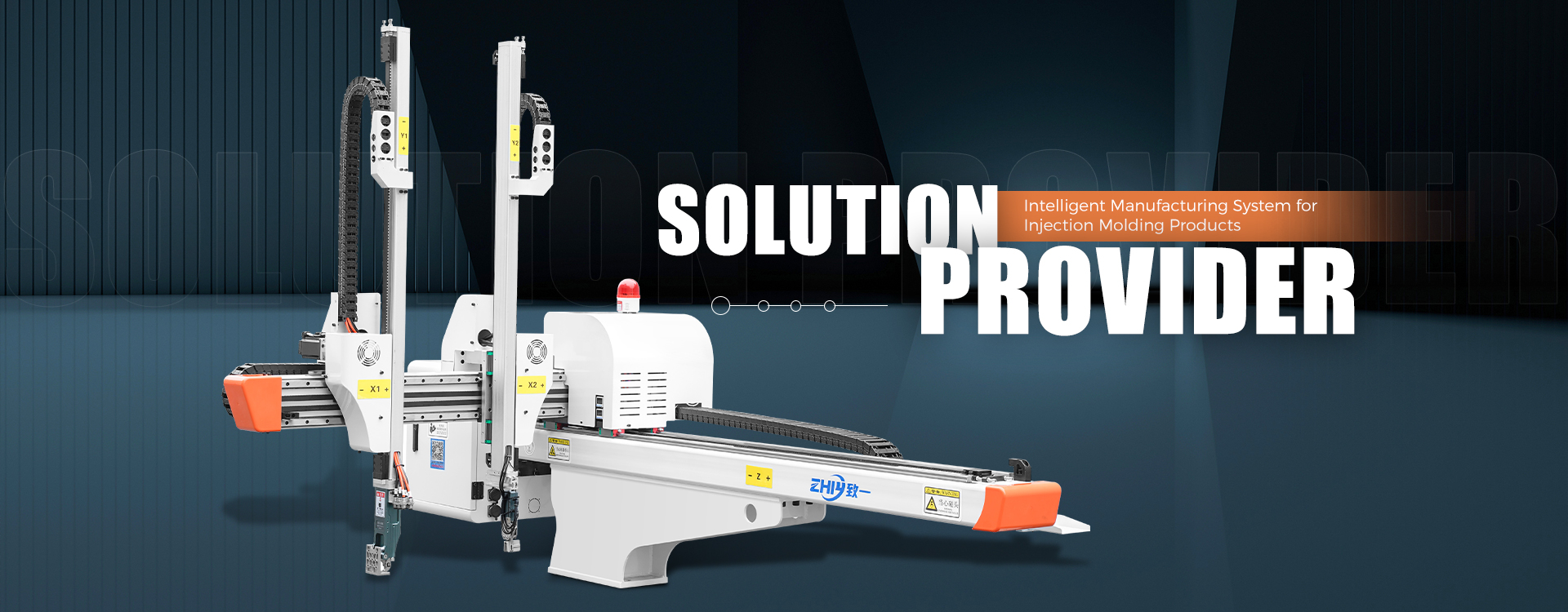
The automation landscape is rapidly evolving, particularly in the realm of manufacturing, where robotics play a pivotal role. The three-axis single-arm robotic arms, such as models designed for injection molding, are gaining popularity due to their ability to enhance operational efficiency and productivity. These robotic solutions offer precise motion control and robust load handling, making them highly suitable for various machine applications, including injection molding setups that range from 150T to 250T. They enable manufacturers to streamline processes through fast pick-up, placement, and transportation of materials, significantly reducing cycle times.
According to industry reports, the global market for industrial robotics is projected to reach $41 billion by 2024, with a compound annual growth rate (CAGR) of approximately 12%. This growth is largely driven by the increasing demand for automation in factories seeking to boost productivity and lower operational costs. The integration of robotic arms not only leads to higher output but also enhances the overall quality of manufactured products. Moreover, with advancements in technology, newer models are being designed with materials like high-strength aluminum alloy, ensuring durability while also emphasizing energy efficiency and a low-noise operational profile.
Regions such as Europe, America, and Southeast Asia are witnessing a surge in demand for efficient and reliable automation equipment. As manufacturers across diverse sectors increasingly seek innovative solutions that offer sustainability and cost-effectiveness, the adoption of robust robotic arms is set to continue its upward trend. This reflects a broader movement towards smarter manufacturing practices that not only meet market demands but also advance industry standards in terms of technology and environmental considerations.
FAQS
: This product aims to enhance daily activities. It provides convenience and efficiency for users.
Anyone looking for easier daily tasks can benefit. It’s especially useful for busy individuals.
Regular cleaning is essential. Avoid harsh chemicals to prolong its lifespan.
Yes, always follow the provided guidelines. Improper use can lead to damage or injury.
Users sometimes encounter difficulty in understanding instructions. Re-reading them helps clear confusion.
Yes, but consider environmental conditions. Extreme temperatures may affect performance.
Most products come with a limited warranty. Check the details for coverage specifics.
It generally offers better features, but individual preferences vary. Testing before buying is encouraged.
Some wished for more detailed instructions. Clarity in features could improve user experience.
Typically, it is suitable for adults and older children. Always supervise younger users.
Conclusion
Choosing the right China ODM Robot Axis supplier requires a thorough understanding of several critical factors. First, it is essential to grasp the basics of Original Design Manufacturers (ODM) and the workings of robot axis systems, as these form the foundation of the robotics supply chain. Evaluating a supplier's credentials and experience in the ODM robotics field is crucial, as it reflects their capability to meet specific project needs.
Quality standards are another vital consideration, with a comparison among suppliers helping to identify the most reliable partners. Customization capabilities of robot axis suppliers should also be assessed, as tailored solutions often lead to better project outcomes. Pricing structures must be analyzed carefully, factoring in the total cost of ownership to avoid hidden expenses. Additionally, after-sales support and warranty options play a significant role in ensuring long-term satisfaction and functionality of the robot axis systems. Keeping an eye on emerging trends and innovations within the ODM robotics sector will further aid in making an informed supplier choice.