Today’s manufacturing landscape is evolving fast, and investing in advanced tech—think smart robotics and automation—has become a real driver of operational success. A MarketsandMarkets industry report shows the global robotics market growing from $62.75 billion in 2020 to $189.36 billion by 2025, a CAGR of about 24.5%. Companies like Zhejiang Zhiyi Intelligent Robot Co., Ltd., which has been around since 2017, have learned that choosing the right manufacturer is crucial for delivering high-quality automation solutions. If you’re aiming to push your business toward intelligent transformation, you’ll want to consider factors like expertise, technological maturity, and solid post-sale support when selecting a supplier. This checklist is here to guide manufacturers as they make informed investment decisions on the path to greater automation and efficiency.

The global robotics manufacturing scene is undergoing a pretty meaningful shift, especially in machine vision and vision-guided robotics. The market is projected to reach about $2.1 million by 2024 and around $4.6 million by 2032, signaling solid growth with a compound annual growth rate (CAGR) of 10.24%. That upward trajectory mirrors steady tech advances and the wider move toward automation across industries. As manufacturers ride these trends, they’re putting more emphasis on innovative capabilities and flexible manufacturing systems—things are getting less rigid and more adaptable.
Over in China, the push toward smart manufacturing and tech upgrades brings both challenges and opportunities. There’s a clear tilt toward local production and the rise of specialized industries, a departure from traditional practices. The government's ongoing push to spur innovation and support domestic tech continues to drive growth in areas like laser processing and electronic information. As market dynamics evolve, companies navigating this landscape will need agility and foresight to make sure their robotics investments pay off in the highly competitive global arena.
When you're evaluating Robot Manufacturers in China, a few key factors should shape your decision. First up, check out their experience and their reputation in the industry. A well-established company usually has a proven track record of delivering high-quality products and solid service, which is huge in a field that moves so fast. Also, taking a look at customer reviews and case studies can give you a real feel for their reliability and how their robots perform in real-world scenarios.
Another important piece is what they can actually do tech-wise. As the global robotics market keeps expanding, which includes areas like automotive and service robots, it's smart to team up with a manufacturer that's pushing the envelope. Look for firms that invest in research and development, showing they're serious about advancing robotic technologies to meet a range of industry needs. And if they’re using cutting-edge tech like machine vision and AI integration, that can really boost the value of yOur Robotics investment.
These days, the robotics industry is evolving fast, and quality standards aren't just nice-to-haves. The way you manufacture directly shapes how well a robot performs and how long it lasts. When companies commit to strict quality benchmarks, they don't just improve reliability—they build real trust with customers. A machine that meets those exacting standards is less prone to malfunctions, which can boost productivity and trim operating costs for teams relying on automation.
Let's be real: well-recognized quality standards can lift a manufacturer's reputation in the competitive robotics landscape. Buyers are smarter than ever and want transparency about production practices and certifications. By aligning with international quality frameworks, manufacturers can differentiate themselves and reach a broader market. That commitment to excellence tends to foster long-term relationships with clients and helps position manufacturers as leaders in innovation—contributing to the overall success of the robotics industry.
| Manufacturer Type | Quality Standard | Success Metrics (%) | Customer Satisfaction Rating |
|---|---|---|---|
| Industrial Robot Manufacturers | ISO 9001 | 95 | 4.8/5 |
| Collaborative Robot Suppliers | ISO 13485 | 90 | 4.7/5 |
| Service Robotics Producers | ISO 27001 | 85 | 4.5/5 |
| Agricultural Robot Developers | ISO 14001 | 88 | 4.6/5 |
| Robotic Parts Suppliers | ISO/TS 16949 | 92 | 4.9/5 |
Global logistics robots are on track for solid growth, rising from $71.1 billion in 2022 to $210.1 billion by 2029, a compound annual growth rate of 16.7%. That surge isn’t just a numbers game—it's about more widespread robotics across sectors, with a growing interest in humanoid robots that can speed automation, cut costs, and lift productivity. That said, investing in humanoid tech isn’t something you do on a whim. Companies need to ask the right questions to avoid pricey missteps that can come from misreading their real needs or what the tech can actually deliver.
Tips: Start by evaluating your specific requirements and the workflow changes humanoid robots could support before you commit. A thorough cost-benefit analysis matters—not only the purchase price but also maintenance, integration, and the likely operating efficiencies over time. As firms move toward more autonomous solutions, picking the right robotics manufacturer can deliver meaningful returns, especially given the progress highlighted in a range of industry reports.
And with the industrial robotics sector hitting a historic high of $16.5 billion and service robots forecast to reach $90.9 billion by 2032, staying on top of market trends is key. If you’re looking to capitalize, consider potential partnerships with established robotics players, particularly in regions with strong supply chains like China. Strategic alliances can bring fresh insights that spur innovation and boost efficiency.
Emerging technologies are reshaping robotics at a breakneck pace, driving smarter, more versatile machines that do more with less. AI, machine learning, and advanced sensors are enabling robots to handle complex tasks with real precision. These advances don’t just boost what robots can do — they also make it easier to integrate them across industries, from manufacturing to healthcare.
When you're choosing a robot manufacturer to invest in, look at how well they weave these new technologies into their gear. A company that stays on the cutting edge is likely to deliver a machine that's not only state-of-the-art but also adaptable to whatever comes next.
Tip 1: Check the manufacturer’s commitment to research and development. A strong R&D focus suggests they’re ahead of the curve, helping ensure your investment lasts.
Tip 2: Seek out manufacturers that offer customization options. As your business evolves, being able to tailor robotic solutions to your exact needs is crucial for maximizing efficiency and productivity.
Keeping these factors in mind will help you make a smarter choice and land a robot that stands the test of time in today’s fast-changing tech world.
When you are investing in a robot, building a long-term partnership with the manufacturer isn’t just nice to have - it’s essential. Trust and reliability are the backbone of any solid collaboration. A manufacturer who values transparency and keeps the lines of communication open can help you stay in the loop throughout design and production. By keeping the dialogue flowing, you can raise concerns in real time, which usually leads to a smoother workflow and a better final product.
Plus, a dependable manufacturer will stand behind their gear and offer solid support long after the sale. That kind of commitment builds real confidence and gives you peace of mind knowing help is just a call away. Look for manufacturers with a track record of consistent quality and service—those traits often show they’re serious about long-term partnerships. Spending a bit of time to choose a partner who shares your values can pay off big, boosting efficiency and driving innovation in the robotics space.
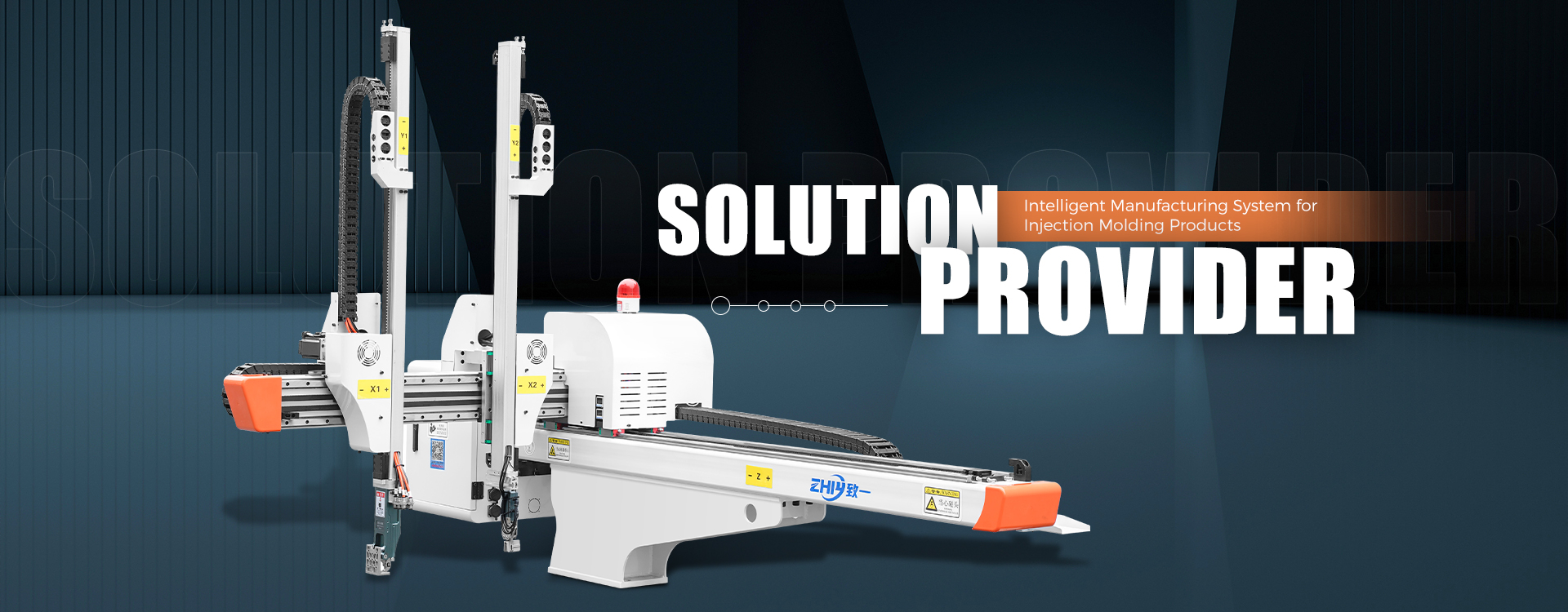
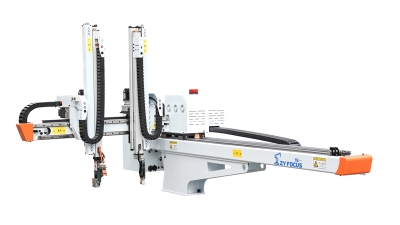
In an era where precision and speed define success in manufacturing, the WKFI-950 five-axis double-arm double-section robot emerges as a game-changer. This innovative solution is engineered to meet the relentless demands of today's industries, where efficiency and accuracy are paramount. By harnessing advanced mechanical design and intelligent control technology, the WKFI-950 excels in multifaceted production environments. From automotive parts manufacturing to electronic equipment assembly and medical supplies production, this robot’s adaptability ensures that it can tackle even the most complex scenarios with ease.
The true value of the WKFI-950 lies in its ability to significantly enhance production efficiency. As companies strive to maintain a competitive edge, the integration of intelligent automation solutions like the WKFI-950 can lead to remarkable improvements in both productivity and quality. This robot not only reduces production time but also minimizes errors, resulting in a more streamlined operation. By incorporating such cutting-edge technology, manufacturers can position themselves favorably in the international market, capitalizing on the demand for high-quality and efficient production processes. The WKFI-950 is not just a tool; it is a strategic asset that promises to revolutionize how industries operate in the modern age.
: Consider the manufacturer's experience, reputation, customer reviews, technological capabilities, and their investment in research and development.
A well-established manufacturer often has a proven track record of delivering high-quality products and services, which is crucial in a rapidly evolving field.
They provide insight into the manufacturer's reliability and the performance of their robots in real-world applications.
It's vital to partner with manufacturers that showcase innovation and invest in advanced technologies such as machine vision and AI integration.
High-quality manufacturing processes influence the performance, reliability, and longevity of robots, leading to increased productivity and reduced operational costs.
Adherence to stringent quality benchmarks enhances a manufacturer's reputation and appeals to informed customers expecting transparency in production practices.
They can differentiate themselves in the market, attract a broader audience, and foster long-term relationships with clients.
Customers can have greater confidence in the reliability of products, knowing that they meet high quality benchmarks, which reduces the likelihood of malfunctions.
Companies that stay at the forefront of technological advancements are better positioned to meet diverse industry needs and maintain a competitive edge.
Robots meeting high-quality standards are less prone to malfunctions, leading to increased productivity and reduced operational costs for businesses using automation.