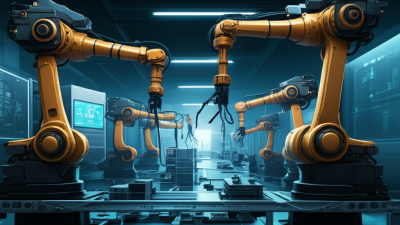
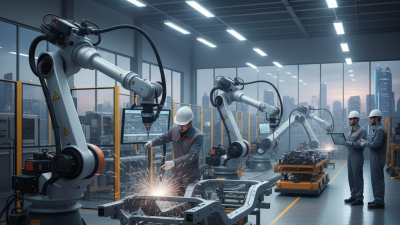
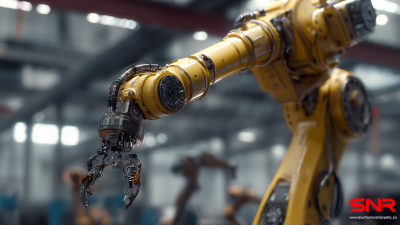
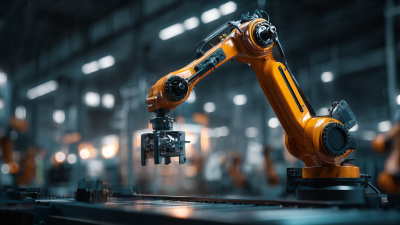
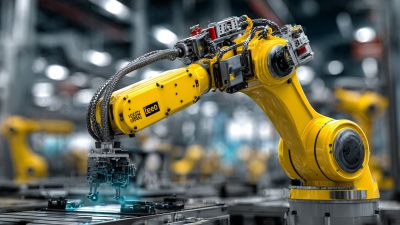
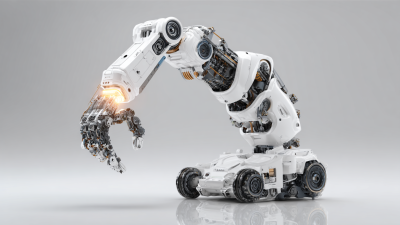
You know, the demand for Industrial Robot Arms has been really picking up across all sorts of industries lately. It looks like this trend isn’t slowing down either—companies are always on the lookout for ways to be more efficient. I read what Dr. Alan Chen, who’s basically an expert on automation, once said: "The future of manufacturing depends heavily on advanced robotic solutions." Sounds about right, doesn’t it?
Over in China, the scene for manufacturers making these Robot Arms is exploding too. There are so many factories now offering OEM and ODM services that are pretty much customized to fit different business needs. Companies like Kuka Robotics and ABB are definitely leading the way with some serious innovation and focus on quality. That said, with so many options out there, it can be a bit overwhelming, especially if you’re new to this space.
Honestly, taking the time to really think about how to pick the right one is super important. Not every manufacturer is going to hit the mark on what you need or meet your standards. It’s crucial to look into their track record and what kind of tech they’re using. The right Industrial Robot Arm can totally change how efficiently you operate, but picking the wrong partner? That can turn into a pretty costly mistake, so it’s worth doing your homework on this one.
Overview of Industrial Robot Arms in China
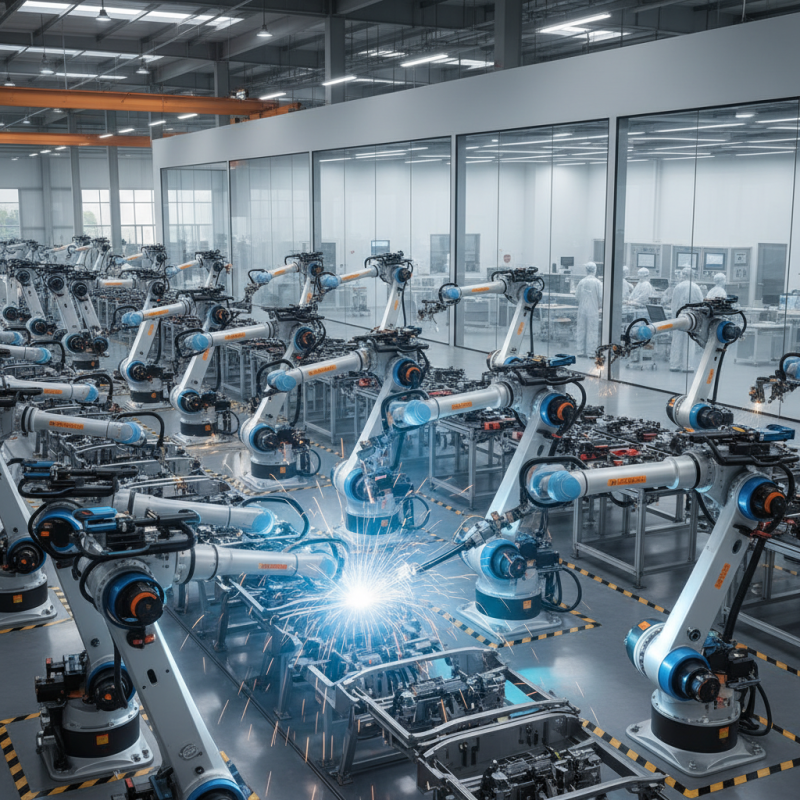
Industrial robot arms have gained prominence in China's manufacturing sector. The demand for automation continues to surge. Companies are increasingly turning to these machines for efficiency. These robots enhance precision and reduce labor costs.
In China, many factories specialize in producing high-quality industrial robot arms. These manufacturers understand the nuances of automation. They invest heavily in research and development. This ensures they stay ahead of international competitors. Moreover, they prioritize adaptability and customization. Different industries have unique needs. Factories often create tailored solutions for aerospace, automotive, and electronics sectors.
However, challenges remain in the sector. Some manufacturers struggle with quality control. Consistency is vital in the production process. Without it, clients may face operational setbacks. Communication barriers also exist between suppliers and international clients. This can lead to misunderstandings and production delays. Improving these aspects will be crucial for sustaining growth in the industry.
Key Features to Look for in OEM ODM Robot Arms
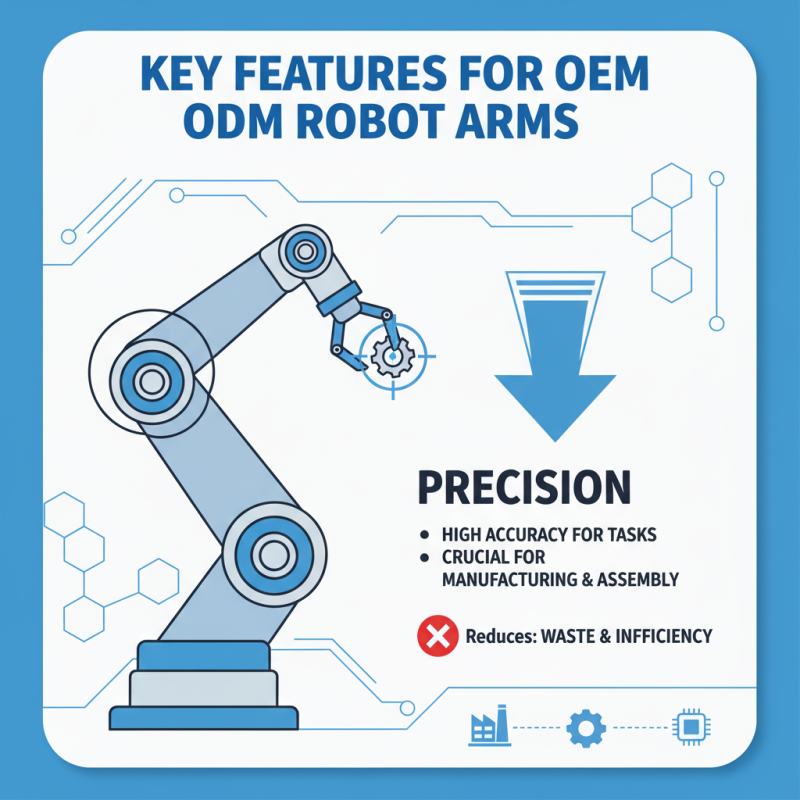
When searching for OEM ODM industrial robot arms, focus on key features. First, consider precision. A robot arm must perform tasks with high accuracy. This is crucial for industries such as manufacturing and assembly. Poor precision leads to waste and inefficiency.
Another vital aspect is versatility. Some tasks require different movements and specifications. A robot arm that can adapt to various applications offers greater value. Check if it supports multiple tooling options and programming interfaces. Flexible robots can save time and reduce operational costs.
Tips: Ensure your chosen manufacturer provides robust technical support. This helps in troubleshooting and maintenance, which are often overlooked. Additionally, evaluate the ease of integration into your current systems. The transition period can impact productivity if it’s not seamless. Building a relationship with your supplier can also enhance communication for future upgrades.
Look for user reviews and case studies related to the robot arms you consider. While your decision may hinge on features, real-world feedback is invaluable. Beware of manufacturers that promise perfection. Every product faces challenges that require reflection and adaptation. Be prepared for a learning curve as you implement advanced technology.
Top OEM ODM Industrial Robot Arm Manufacturers in China
When exploring the manufacturing landscape of industrial robot arms, China stands out. The country is home to numerous OEM and ODM factories, specializing in producing high-quality robotic arms tailored for various business needs. A significant player in this field is the 6 Axis Industrial Robot Arm, known for its precision and versatility. These arms can perform multiple tasks, making them ideal for assembly, welding, and packaging.
Many of these factories have advanced technologies and skilled labor. They prioritize efficiency and reliability in their production processes, ensuring that businesses receive top-notch products. However, some factories may struggle with maintaining consistent quality over time. This is an area where potential buyers need to perform due diligence. It’s essential to verify certifications and seek feedback from previous clients to ensure that the supplier meets industry standards.
Additionally, the competitive nature of the market can lead to varied pricing and service levels. This disparity requires thoughtful consideration. Businesses must not only focus on cost but also on the technical support provided post-purchase. Selecting a factory for the 6 Axis Industrial Robot Arm goes beyond just the initial deal; it’s about building a long-term partnership that can adapt and evolve with your needs.
Comparative Analysis of Factory Capabilities and Expertise
When considering industrial robot arms for your business, evaluating factory capabilities is essential. China's OEM and ODM factories have diverse expertise. According to a 2023 industry report, nearly 80% of manufacturers invest in advanced automation. This enhances efficiency and reduces operational costs. Choosing the right factory can lead to significant competitive advantages.
Not all factories are created equal. Look for those with ISO certifications and proven track records. A recent study found that companies using certified suppliers reported 30% higher reliability. Expertise in technology matters. Some factories specialize in specific applications like welding or assembly, which can influence performance.
Tips: Always request case studies from potential partners. Reflect on the technology they use. Industrial Arms should be adaptable and easy to integrate. Be cautious of overpromising suppliers; not all can deliver on high-tech claims without failures. Consider visiting facilities to assess their operations firsthand. This can reveal what reports might not show.
Quality Standards and Certifications for Robot Arm Production
When sourcing an Industrial Robotic Arm, understanding quality standards is crucial for businesses. Many factories in China boast certifications like ISO 9001 and CE. These certifications ensure that the manufacturing process meets stringent quality requirements. However, not all factories uphold these standards.
Many manufacturers claim compliance but may lack proper documentation. This can lead to variations in product quality. A reputable factory should provide transparency regarding its certification process. Customer testimonials can shed light on their track record. Ensuring that a factory prioritizes quality can make a significant difference in the reliability of the Industrial Robotic Arm.
Another key factor is the factory's adherence to industry-specific standards. Different applications require tailored solutions. Factories specializing in automation would understand the nuances of various industries, from automotive to electronics. This specialization adds another layer of assurance. Companies should not overlook the importance of these details when selecting a partner.
Cost Considerations for Sourcing from Chinese Factories
When sourcing an Industrial Mechanical Arm from China, cost considerations are paramount. Factories in China often provide competitive pricing, but hidden costs can arise. It's essential to account for shipping, tariffs, and customs fees. Gather detailed quotes that outline all potential costs associated with your order.
Tips for sourcing: Always request a breakdown of costs. This transparency will help you avoid unexpected charges. Engaging with a reliable sourcing agent may also alleviate these issues. They can navigate local practices and ensure you get the best deal.
Be cautious when evaluating quality. Cheaper options may compromise on materials or craftsmanship. This could lead to increased maintenance costs or replacements down the line. Research the factory's reputation and customer reviews before making decisions. Balance cost with quality to make an informed choice that meets your business needs.
Future Trends in Industrial Robotics and Automation in China
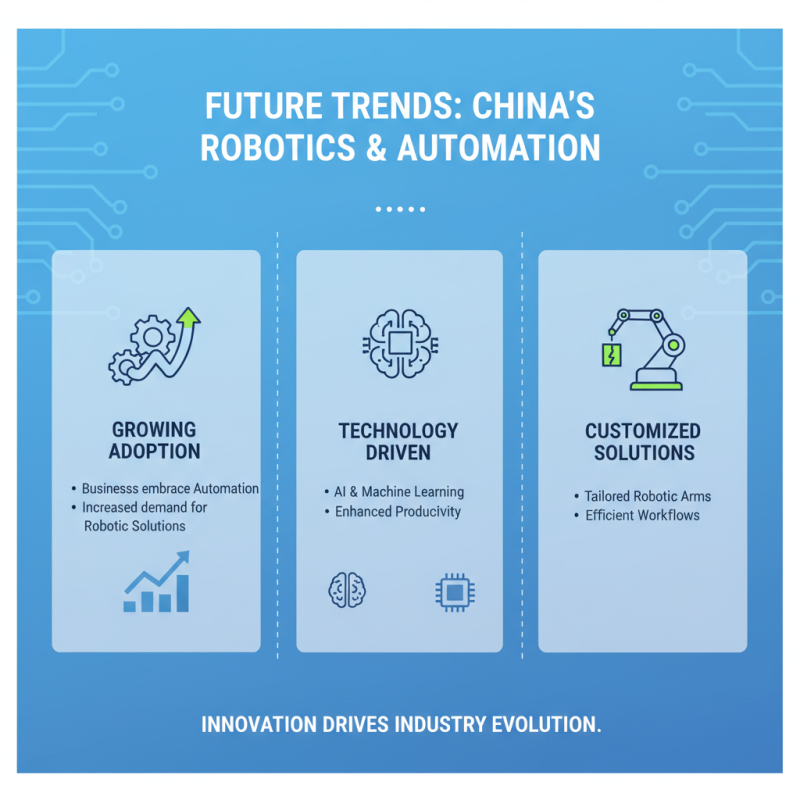
The future of industrial robotics in China is poised for significant transformation. As businesses increasingly adopt automation, the demand for innovative robotic solutions grows. Industries leverage advanced technologies like AI and machine learning to enhance productivity. These advancements create customized robotic arms tailored to specific tasks, ensuring efficient workflows.
China's industrial landscape is evolving rapidly. Factories are integrating robotics for tasks such as assembly, welding, and packaging. This shift reduces human error and increases output. However, many companies face challenges in training and implementing new systems. Balancing automation with human labor remains critical. Ensuring workers adapt to these changes is essential for long-term success.
Collaboration between businesses and technology providers is becoming vital. Partnerships can foster innovation and streamline processes. However, not every factory can afford the necessary upgrades. Smaller businesses might struggle to implement these technologies effectively. As China continues to lead in industrial robotics, tackling these barriers will be key to a sustainable future in automation.
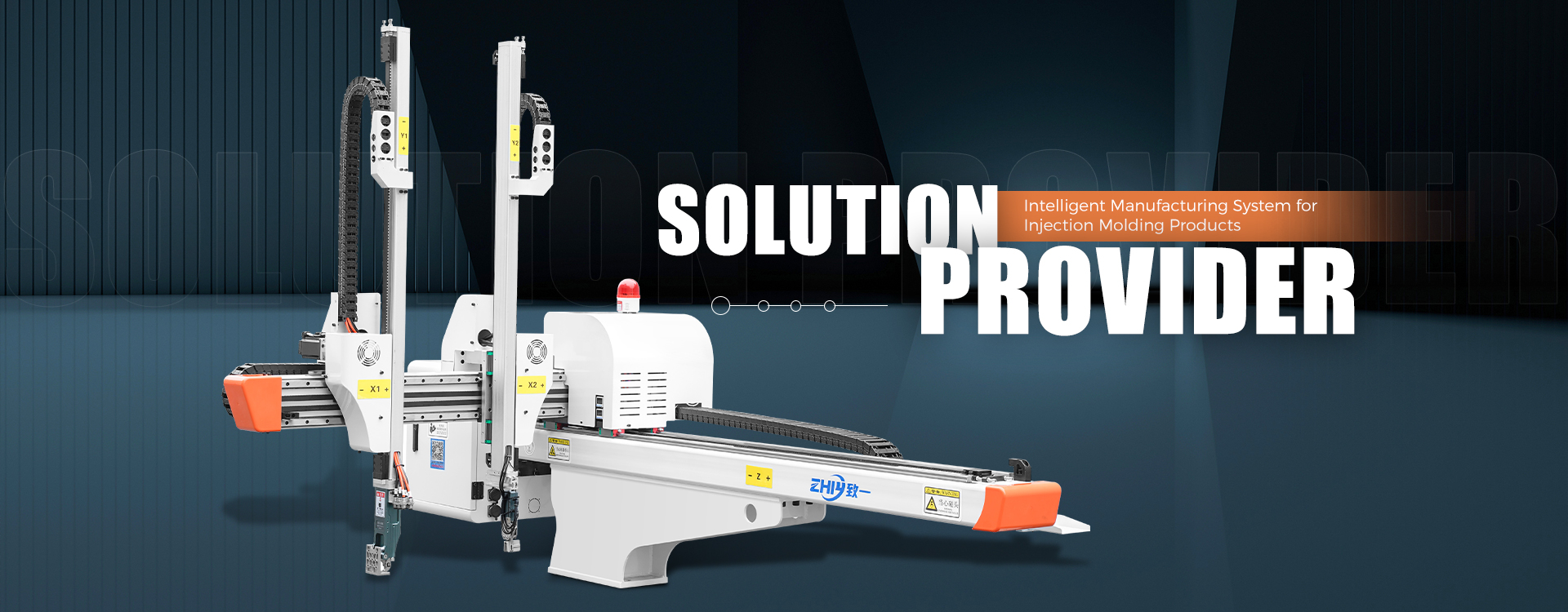
The Advantages and Applications of the Five-Axis Double-Arm Double-Section Robot in Modern Industry
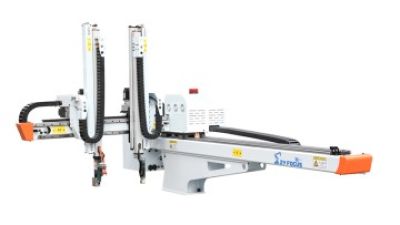
In modern manufacturing, efficiency and precision are paramount. The adoption of five-axis double-arm double-section robots, such as the advanced WKFI-950, exemplifies the industry's commitment to achieving these goals. According to a recent report by the International Federation of Robotics, the global market for industrial robots is projected to reach $50 billion by 2025, driven largely by the need for automation in production processes. The five-axis design enables these robots to perform complex tasks with heightened accuracy, making them invaluable in sectors ranging from automotive manufacturing to electronic equipment assembly and medical supplies production.
The adaptability of the five-axis double-arm double-section robot is a significant advantage in today's diverse industrial landscape. With the ability to handle multiple operations simultaneously, it reduces cycle times and maximizes throughput. Industry data indicates that implementing such robotic solutions can increase productivity by up to 30% while also enhancing product quality by minimizing human error. In a market where speed and precision dictate competitive success, employing this technology allows companies to not only streamline their operations but also achieve greater consistency and reliability in their outputs.
Furthermore, as manufacturers strive to align with Industry 4.0 principles, integrating intelligent automation is increasingly vital. The five-axis double-arm double-section robot’s capabilities align with smart factory initiatives, offering enhanced data collection and machine learning integration. Research shows that intelligent robotics can significantly improve operational agility, allowing enterprises to respond swiftly to market changes and customer demands, thereby solidifying their position in the international market.
FAQS
: Evaluate their capabilities and expertise, along with proven certifications.
About 80% of manufacturers focus on advanced automation to improve efficiency.
Certified suppliers often report 30% higher reliability than non-certified ones.
Factories may focus on areas like welding, assembly, or packaging.
Request case studies and consider visiting their facilities for a firsthand look.
The demand for AI-driven solutions and customized robotic arms is increasing.
Training employees and adjusting to new systems can be difficult.
Yes, partnerships between businesses and tech providers can enhance processes.
They may struggle to implement advanced technologies due to budget constraints.
It is essential for ensuring sustainable success in a rapidly changing industrial landscape.
Conclusion
The article explores the landscape of Industrial Robot Arms in China, emphasizing the growing significance of OEM (Original Equipment Manufacturer) and ODM (Original Design Manufacturer) solutions for businesses. It highlights the essential features to consider when selecting robot arms, including precision, speed, and adaptability. A comparative analysis of various manufacturers showcases their capabilities and expertise, while a discussion on quality standards and certifications ensures that the products meet industry expectations.
Additionally, the article addresses cost considerations, guiding businesses on budget-friendly sourcing options from Chinese factories. It also delves into future trends in industrial robotics and automation, suggesting that China will continue to be a pivotal player in this domain as technology advances. This comprehensive overview aids businesses in making informed decisions when sourcing Industrial Robot Arms tailored to their operational needs.