Lately, the manufacturing world has been going through some pretty big changes, mainly thanks to tech leaps—especially in automation. One of the real game-changers here is the 'Robot Servo', which seriously boosts precision, efficiency, and flexibility in production lines. I read somewhere that, according to MarketsandMarkets, the global market for Industrial Robots is expected to hit about$75.8 billion by 2026, and Robot Servos are a big part of that growth. Companies like Zhejiang Zhiyi Intelligent Robot Co., Ltd., have been leading this charge since they started back in 2017, focusing on creating top-notch automation gear that helps factories go all-in on smarter manufacturing. As more industries jump on the robotics bandwagon, it's pretty clear that understanding the seven key reasons why Robot Servos are totally transforming automation is a must for businesses wanting to stay ahead of the curve.
The Rise of Robot Servos in Modern Automation
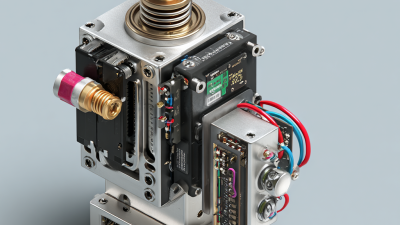
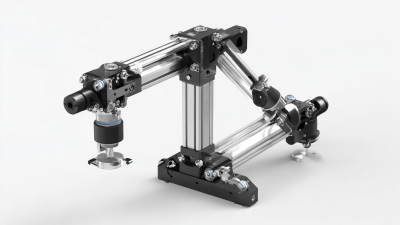
You know, the rise of robot servos in today's automation world really marks a major step forward when it comes to making robotic systems more efficient and precise. Unlike your typical motors, servo motors give you way better control over things like position, speed, and torque—so robots can pull off pretty complex and nuanced movements. That’s a game-changer because it lets robots perform almost like humans, and that's especially important in industries like manufacturing and healthcare. As demand keeps growing, the flexibility and agility that these servo-powered robots bring to the table have become pretty much essential if you want to stay competitive.

And here’s the coolest part: when we combine these advanced software algorithms with servo tech, we're entering a whole new level of smart automation. These systems can get real-time feedback and even learn on the fly, adjusting their actions based on what's happening around them. That means fewer mistakes, less downtime, and a big boost in productivity. Plus, it opens up all kinds of possibilities for more adaptable, customized automation solutions tailored to different needs. Basically, as companies jump on this bandwagon, we’re seeing a real shift—more intelligent factories, more responsive services. It’s pretty exciting stuff!
Key Advantages of Robot Servos Over Traditional Actuators
Robot servos are really starting to shake things up in the world of automation. They’ve got some clear advantages over the old-school actuators. I came across a recent market report from Research and Markets, and it predicts the global robotics industry will hit around $189 billion by 2026 — and a big part of that growth comes thanks to advances in servo tech. What’s cool is that these robot servos offer way more precise control of movements and respond much faster than traditional actuators. That often means things run more smoothly and efficiently, especially in industries like automotive and electronics where even tiny errors can be pretty costly.
Plus, robot servos are super versatile. They can be integrated into all kinds of applications and are adaptable across various industries — it’s like they can do a little bit of everything. McKinsey did a study that put it simply: automation could seriously boost global productivity, maybe by about 0.8 to 1.4 percent each year. That’s a pretty big deal when you think about long-term gains. With their compact size and ability to handle complex movements, these servos help manufacturers streamline their processes, cut down on downtime, and crank out more products — making them pretty much essential in modern automation today.

Innovative Applications of Robot Servos Across Industries
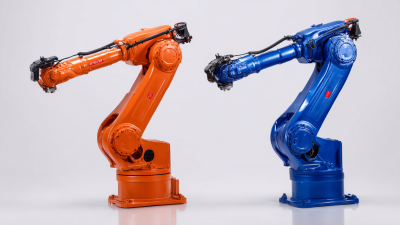
Back in 2023, robot servos really started making waves, becoming a key part of how different industries innovate and push things forward. They’re transforming automation in pretty big ways. Take manufacturing, for example — these high-tech components help robots do super precise work, making assembly more accurate and boosting overall efficiency. Imagine servo motors letting robots handle tricky tasks like soldering tiny components or placing parts with crazy precision. That means fewer mistakes, less waste, and faster production runs. Basically, it helps manufacturers keep up in a fierce market, delivering better quality products, and staying competitive.
But it’s not just factories that are benefiting. The healthcare world is also jumping on the bandwagon. Surgeons are now using robotic systems with servo motors to perform minimally invasive surgeries—think smaller cuts, quicker recoveries. It’s pretty incredible how much more accurate and delicate these surgeries can be. Plus, servo motors are making a big difference in devices that help folks with disabilities gain more mobility and independence. All in all, these servo-powered robots aren’t just about speeding things up—they’re also creating more caring, supportive environments across different fields. It’s pretty exciting to see how versatile and impactful they’ve become.
Cost-Effectiveness: How Robot Servos Optimize Operations
Lately, more and more businesses across different industries have been turning to robot servos to boost their automation game—and honestly, it’s been paying off. A report from the International Federation of Robotics highlighted that companies who jumped on the servo bandwagon saw their productivity shoot up by about 30%. That kind of boost isn’t just good for business; it also means lower operating costs and better quality work overall. It’s like hitting two birds with one stone, really, helping companies stay competitive in this super fast-changing market.
Plus, robot servos help smooth out operations by cutting down on human errors and making resource management way more efficient. A study from McKinsey Global Institute even suggested that automation could save up to a staggering $2 trillion annually across different sectors by 2030. So, if you’re thinking about investing in robot servos, it’s a smart move—you get to tap into some pretty advanced tech while keeping a close eye on costs.
**A quick tip:** When you’re adding these into your workflow, start small—maybe with a pilot project—to see how well they work before going all in. Also, working closely with tech providers to customize your servo systems so they truly fit your operations can make a big difference—basically, it helps ensure you get the best bang for your buck.
Enhancing Precision and Reliability with Advanced Servo Technology
Lately, the way advanced servo technology is changing automation across different industries is pretty remarkable. These modern robot servos aren’t just making things perform better—they’re actually pushing what's possible in automated systems. They’re so precise and reliable that robots can now handle really delicate tasks with a level of accuracy that would’ve seemed impossible not too long ago. Whether it’s in manufacturing or even in stuff like surgery, that tiny bit of miscalibration can cause big problems, so this kind of precision really makes a difference.
And it's not just about accuracy; these smart servo systems are also super dependable, which means operations run smoother and more efficiently. Thanks to solid feedback loops and adaptive controls, they can keep performing well even when conditions aren’t perfect. Plus, they help cut down on downtime—since they can predict and alert you about issues before they turn into costly failures. All in all, this mix of precision and dependability helps businesses streamline their workflows, boost quality, and cut costs. Honestly, robot servos are pretty much a must-have when thinking about the future of automation.
2023's Best 7 Reasons Why Robot Servos are Revolutionizing Automation
This chart illustrates the key advantages of advanced servo technology in automation. It highlights the significant impact of robot servos on precision, reliability, and overall efficiency in various applications.
Future Trends: What’s Next for Robot Servos in Automation?
Looking ahead, it’s pretty clear that robot servos are going to be a game-changer across many industries. If you’ve seen reports from sources like MarketsandMarkets, they’re saying the global robotics market could hit around $210 billion by 2025, and these servos are a big part of that growth. Thanks to advances in robot servos, machines are now more precise, faster, and more reliable — making them absolutely essential in fields like manufacturing, healthcare, and logistics.
One of the coolest trends right now is combining AI with robot servos. This combo means smarter, more autonomous systems that can adapt on-the-fly. Imagine automation solutions that are hyper-personalized and driven by real-time data — it’s pretty exciting! A study from McKinsey even suggests that companies jumping on this smarter automation bandwagon could see productivity skyrocket by up to 30%, giving them a serious edge over the competition.
**Pro tip:** If you’re thinking about integrating robot servos into your automation plans, go for systems that are flexible and can handle different kinds of tasks. Also, don’t forget to keep your team updated and trained on the latest servo tech. Staying in the loop with new developments isn’t just about efficiency — it’s about positioning yourself or your company as a real innovator in this space.
2023’s Best 7 Reasons Why Robot Servos are Revolutionizing Automation
| Reason | Description | Impact |
| Precision Control | Robot servos provide enhanced precision in operations, leading to increased accuracy in automation tasks. | Higher quality output and reduced error rates. |
| Improved Efficiency | Robotic servos significantly reduce cycle times in production lines. | Increased throughput and lowered operational costs. |
| Flexibility | Modern servo systems can be easily reconfigured for different tasks. | Adaptation to varying production needs without significant downtime. |
| Energy Efficiency | Robot servos require less energy compared to traditional motors. | Reduced energy costs and a smaller carbon footprint. |
| Integration with AI | Servos can be integrated with AI for predictive maintenance and decision-making. | Increased automation capabilities and reliability. |
| Compact Design | Robot servos come in smaller sizes without compromising performance. | Better use of space in manufacturing environments. |
| Cost-Effectiveness | Lower costs associated with implementation and maintenance. | Higher ROI in automation investments. |
Maximize Precision in Injection Molding: Introducing the 3-Axis Silicone Servo Controlled Robotic Arm
Maximizing Precision in Injection Molding: Introducing the 3-Axis Silicone Servo Controlled Robotic Arm
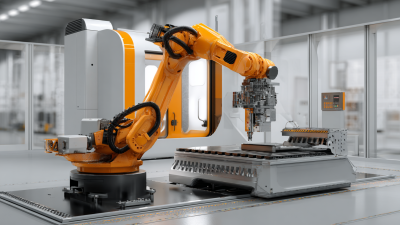
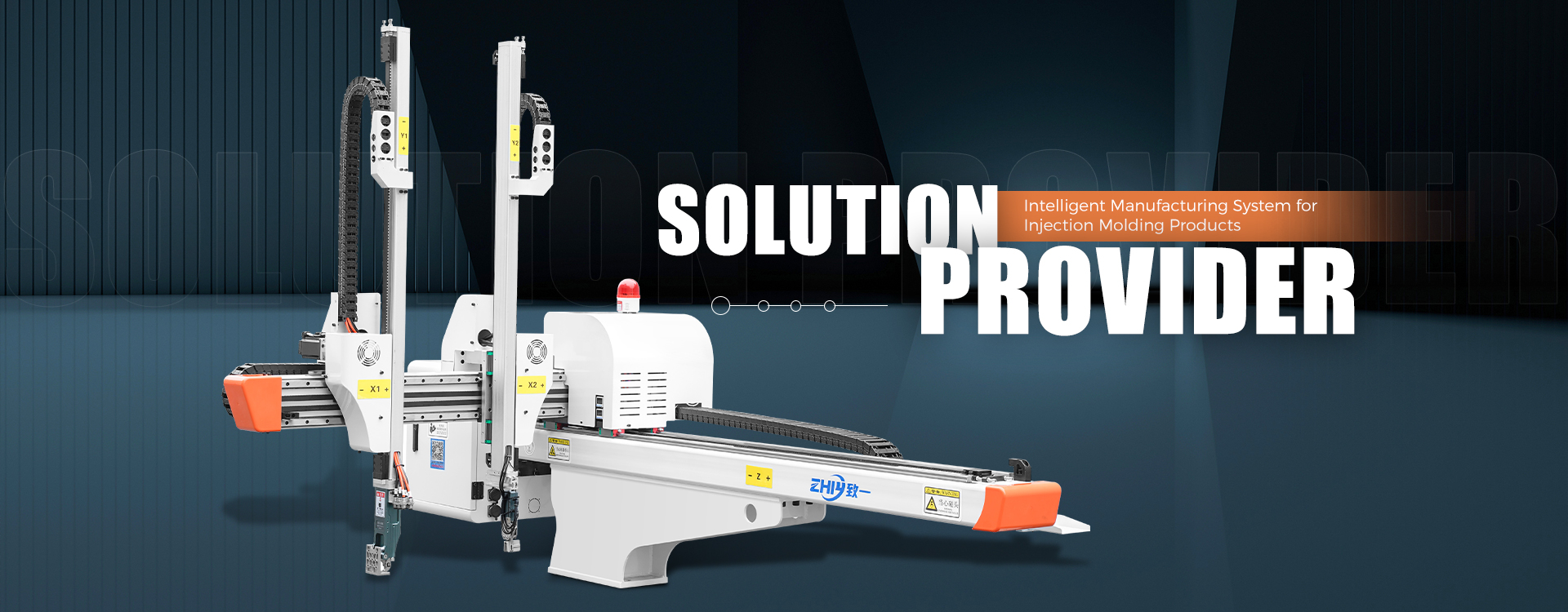
In the fast-paced world of manufacturing, precision and efficiency are paramount. The introduction of the WKG-1000 three-axis silicone servo-controlled robotic arm marks a significant advancement in the automation of injection molding processes. Designed specifically for 250T-400T injection molding machines, this robotic arm encompasses a stroke of 1700×800×1000mm and can handle loads ranging from 12-20kg. Such specifications ensure that it can adeptly manage the removal, handling, and placement of injection molded products with exceptional precision.
According to industry analyses, automating injection molding not only reduces labor costs but also enhances production efficiency by up to 30%. The WKG-1000 employs a cutting-edge servo control system, renowned for its high precision, stability, and rapid response times. This technology allows the robotic arm to complete tasks that were once labor-intensive, thereby minimizing cycle times and maximizing output. As manufacturers strive for operational excellence, integrating advanced robotic solutions like the WKG-1000 is imperative for maintaining a competitive edge.
Furthermore, data suggests that automation in injection molding can lead to a significant decrease in product defects, promoting both quality assurance and customer satisfaction. By incorporating the WKG-1000 robotic arm into production lines, companies can expect not only an improvement in the overall automation level but also a marked increase in productivity. The combination of precision control and robust design makes the WKG-1000 an ideal solution for modern injection molding operations.
FAQS
: The main benefit of advanced servo technology in automation is its ability to provide unparalleled precision and reliability, allowing robots to execute delicate tasks with a high level of accuracy that was previously unattainable.
Advanced servo systems enhance operational efficiency by maintaining consistent performance through robust feedback mechanisms and adaptive control algorithms, which reduce downtime and support predictive maintenance.
Advanced robot servos are expected to have a significant impact in various industries such as manufacturing, healthcare, and logistics due to their improved precision, speed, and reliability.
AI will play a crucial role in the future of robot servos by enabling smarter and more autonomous systems, allowing for hyper-personalized automation solutions driven by real-time data analysis.
The global robotics market is projected to grow to $210 billion by 2025, with advanced servos being a significant driver of this growth.
Companies can maximize the benefits of robot servos by investing in flexible servo systems that can adapt to different tasks and by engaging in continuous training for their teams to stay updated with the latest technologies in servo-driven automation.
Companies that adopt smarter automation solutions can expect to increase their productivity by up to 30%, providing them with a significant competitive edge.
Precision is critical in certain applications, such as manufacturing and surgery, because even the slightest miscalibration can lead to costly errors or safety hazards.
Predictive maintenance is a strategy that involves servicing systems before issues arise, and it relates to advanced servo systems by allowing for improved maintenance scheduling that minimizes downtime caused by mechanical failures.
Organizations should focus on investing in flexible servo systems and providing continuous training for their staff to enhance operational efficiency and ensure they remain leaders in innovation.
Conclusion
In today’s fast-changing world of automation, Robot Servos are really starting to make a splash. They’re pushing the boundaries of what’s possible by boosting efficiency and precision across a bunch of industries. From manufacturing lines to robots, these high-tech actuators are changing the game — offering some pretty big advantages over older systems. Not only are they transforming how things get made, but they’re also helping companies save money by making operations smoother and more optimized.
Looking ahead, it’s clear that as Robot Servo technology keeps improving, we can expect even more reliable and flexible solutions that will lead to smarter, more efficient manufacturing. At Zhejiang Zhiyi Intelligent Robot Co., Ltd., we’ve been dedicated to providing top-notch automation equipment since 2017. We truly believe that embracing these next-gen Robot Servos is key to driving the industry’s push towards smarter, more innovative production processes.