Leave Your Message
Hey there! These days, with tech advancing like crazy, the manufacturing world is really going through some big changes—automation is right at the core of it all. At Zhejiang Zhiyi Intelligent Robot Co., Ltd., we’ve been all about providing top-notch automation gear and solutions since we started back in 2017. One of our coolest innovations is theRobot Arm Servo technology, which totally changed the game when it comes to how work gets done across different industries. It’s super precise, fast, and efficient, helping manufacturers boost productivity while cutting down on costs. In this blog, I want to share some of the great benefits of Robot Arm Servo systems, throw in a few real-world examples of how they’re making a real difference in automation and smart manufacturing today.

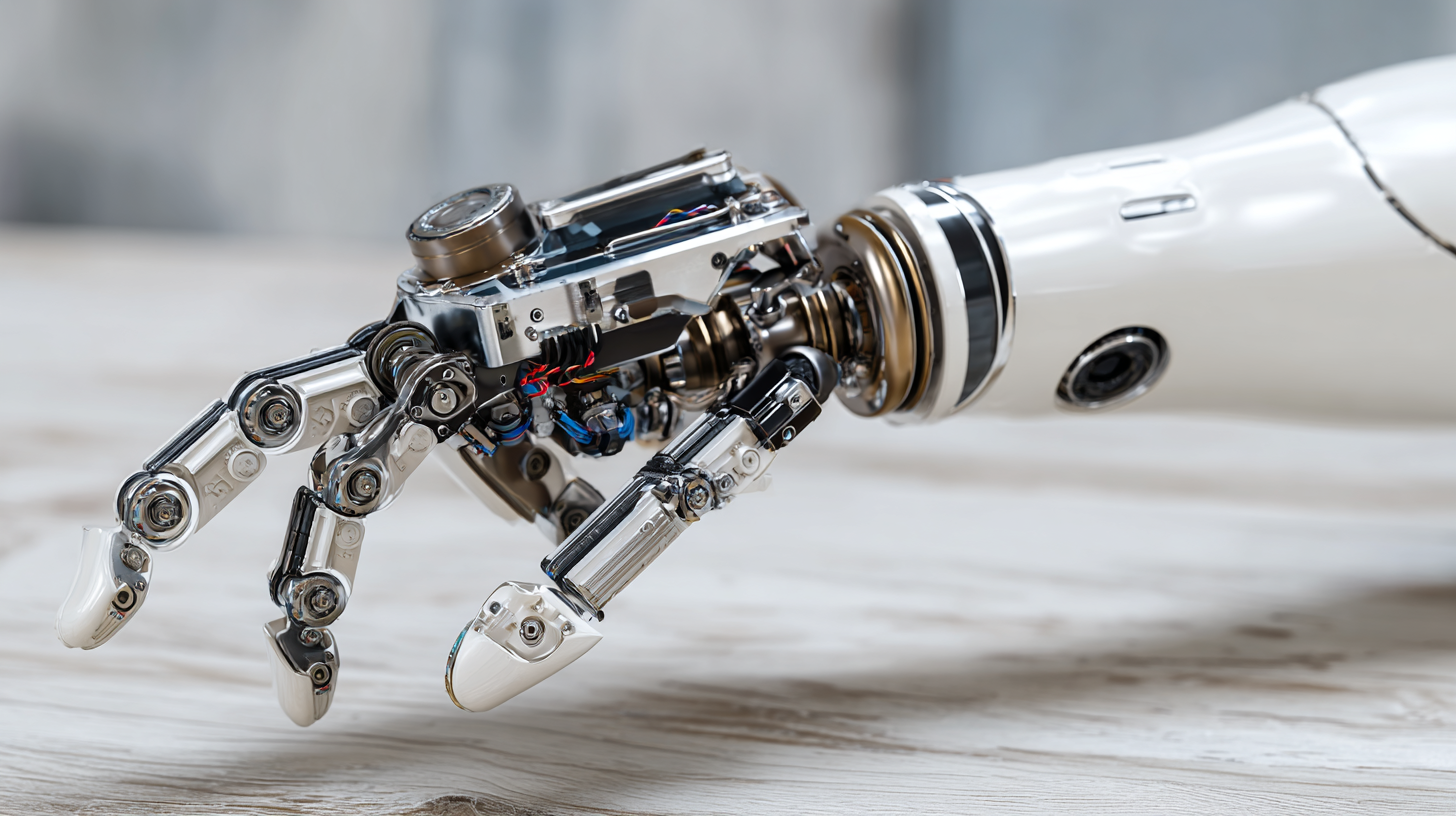
Robot arm servo tech really plays a huge part in pushing automation forward across all kinds of industries. Basically, it uses these tiny yet powerful servo motors to give robotic arms super precise control over their movements. That means they can handle complicated tasks with kind of crazy accuracy. I came across a report from MarketsandMarkets that says the global robotics market is expected to jump from around $55 billion back in 2021 to about $105 billion by 2026. A big reason for this growth? More companies are jumping on board with advanced robots that use servo tech. It’s pretty clear that these smarter, more capable robots are making things run smoother and boosting productivity all around.
And honestly, the importance of servo technology in robot arms goes well beyond just automation. It’s a game-changer when it comes to quality control and keeping things consistent. Thanks to servo motors, these robotic arms can be incredibly repeatable — we're talking within just a few microns. That kind of pinpoint precision is a big deal for industries like electronics and pharma, where even the tiniest mistake can end up costing a ton. Frost & Sullivan even put out a study showing that companies using robotic automation with servo tech could see productivity jumps of up to 30%. That’s not just fancy tech — it’s real benefits showing up in actual manufacturing results. Bottom line? If organizations want to stay competitive in this increasingly automated world, understanding and adopting servo tech for robot arms is pretty much essential.
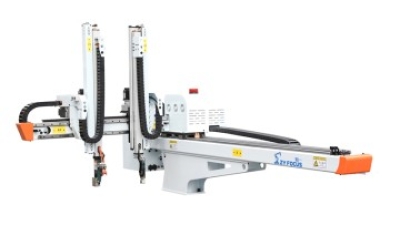
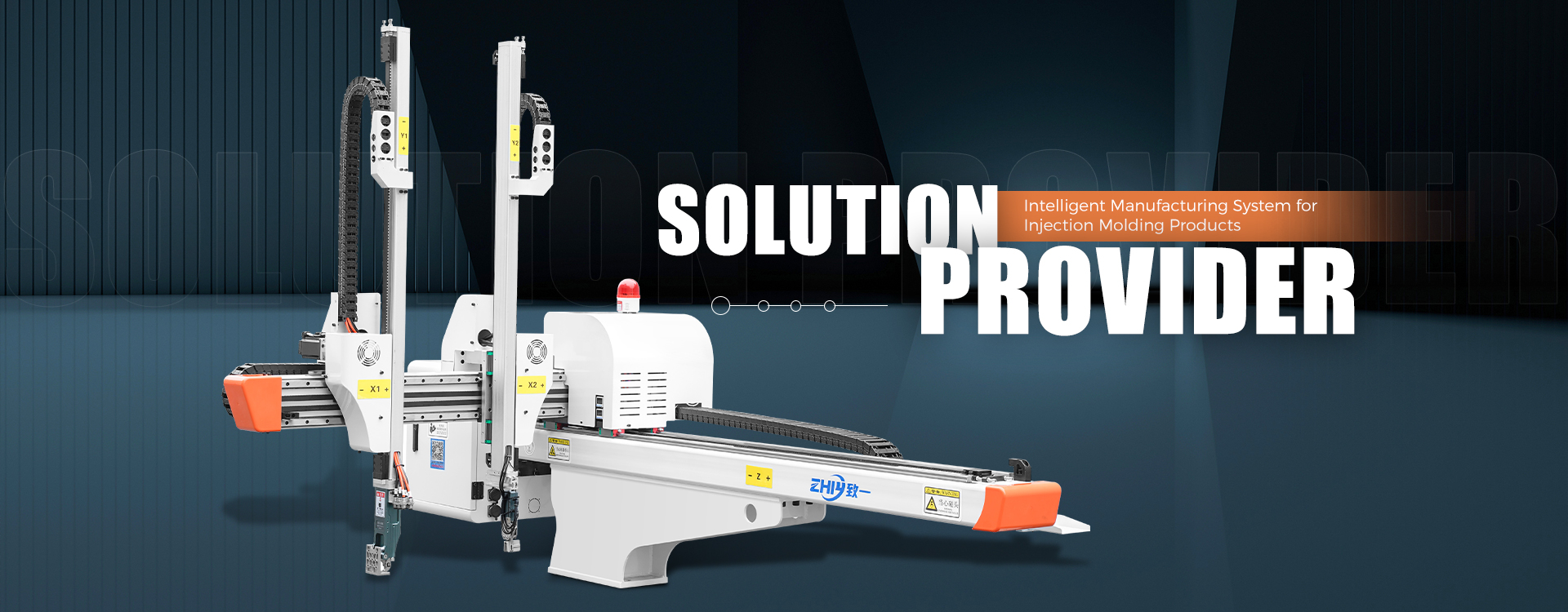
In the relentless pace of today’s manufacturing landscape, the incorporation of robotics into production lines has emerged as a game-changer. The latest industry report highlights a growing trend: companies are increasingly adopting five-axis double-arm robots for their ability to enhance efficiency without compromising on precision. The WKFI-950, a prime example of this technological evolution, is engineered to redefine what's possible in automated manufacturing. With its advanced mechanical design and intelligent control systems, this robot excels in adapting to a multitude of complex production scenarios, positioning itself as an essential asset for international wholesale buyers.
The report notes that businesses integrating high-quality robotics solutions like the WKFI-950 can see production efficiency improvements of up to 30%. This significant boost is particularly beneficial in sectors such as automotive parts manufacturing and electronic equipment assembly, where precision and speed are paramount. The dual-arm capabilities of the WKFI-950 allow it to perform multiple tasks simultaneously, dramatically reducing cycle times and increasing throughput. Additionally, its flexibility makes it invaluable for assembling intricate medical supplies, where both accuracy and adaptability are crucial.
As industries seek to stand out in an increasingly competitive global market, the integration of robotics is not just a trend but a necessity. The WKFI-950 stands at the forefront of this revolution, promising to deliver the efficiency and stability that modern manufacturers need to thrive. With the insights garnered from recent reports and continued advancements in robot technology, businesses are better equipped than ever to enhance their operational capabilities and achieve unparalleled success.
: The key benefits include enhanced machine efficiency and precision, faster and more synchronized operations, increased productivity, reduced machine sizes, improved design flexibility, and enhanced operational safety and quality control.
The market for servo motors is projected to reach USD 13.75 billion by 2026, with a compound annual growth rate (CAGR) of 6.61% from 2021 to 2026.
Robot arm servo systems are significantly transforming industries such as automotive, pharmaceuticals, electronics, and consumer goods.
In automotive production, these systems enable robotic arms to perform complex assembly tasks with high accuracy and allow for quick adjustments to different models, thereby reducing downtime.
They enhance drug packaging and labeling processes by handling products carefully to minimize contamination risks while increasing output rates.
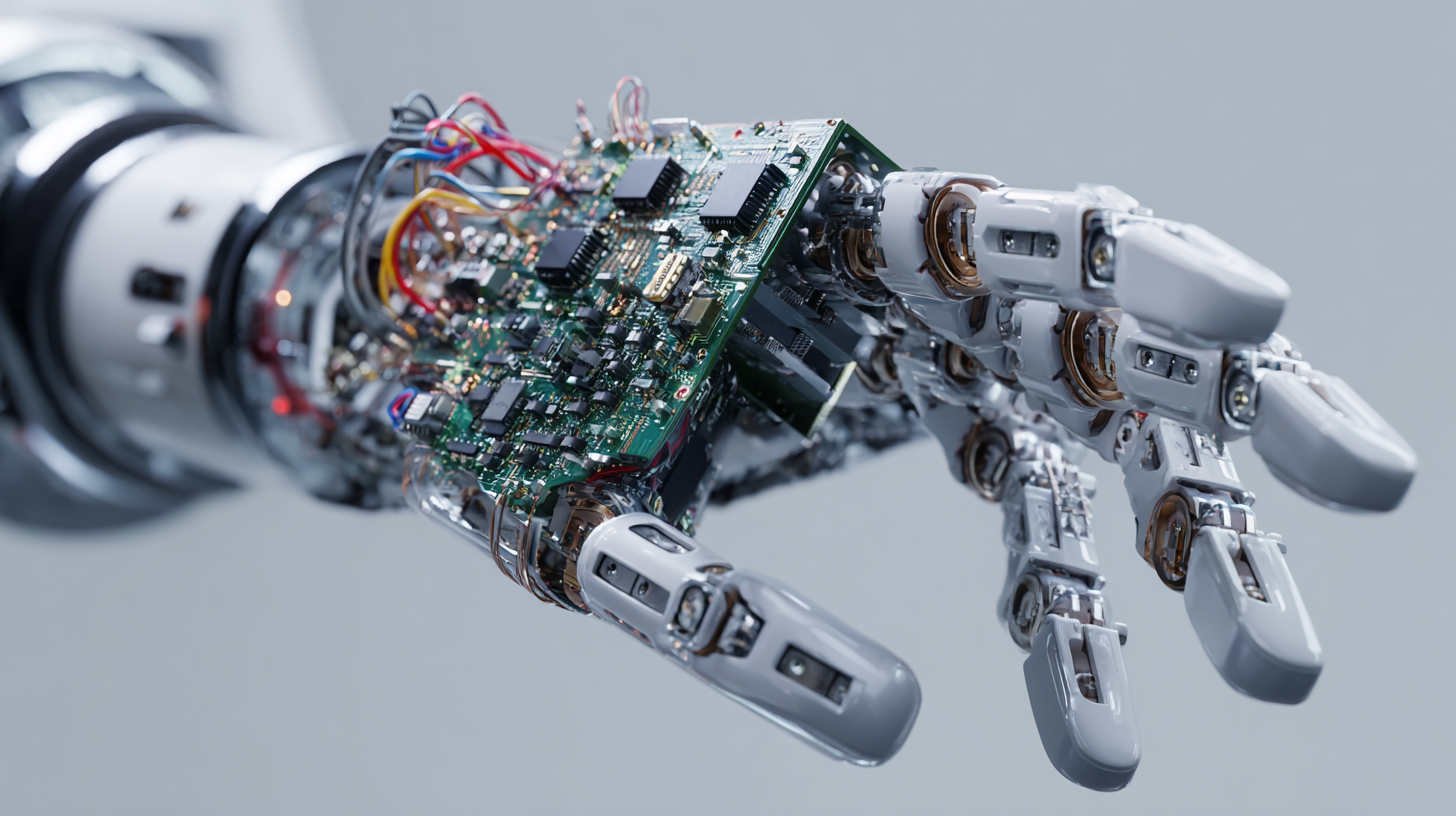
Servo-driven robotic arms can execute intricate tasks such as component placements and soldering with greater precision than human workers, thereby improving efficiency and reliability.
The integration of servo systems with smart technologies provides real-time performance data, reducing human error and enhancing overall operational safety.
The adoption of distributed servo drives can significantly reduce machine sizes and improve design flexibility, streamlining production processes and maintenance.
Their adaptability and reliability make servo systems crucial for enhancing precision, speed, and efficiency in various manufacturing processes.
They enhance quality control through the consistent application of process parameters, reducing variability and ensuring product quality.
In my recent blog post, titled "Revolutionizing Automation with the Advantages of Robot Arm Servo Technology," I dive into how this tech is really changing the game in various industries. If you're like me, you probably want to understand what makes this so special — so I break down how it boosts precision and efficiency in robotic systems. Honestly, the biggest perks are how responsive these systems are and how much better control they offer compared to the old-school setups. It’s pretty much a must-know for anyone into modern manufacturing nowadays.
We also check out the different ways Robot Arm Servo systems are being used across different fields, showing just how flexible and effective they can be. Plus, I compare servo motors to stepper motors — you know, the age-old debate — to give you a better idea of how each performs in robotics. Looking ahead, I also share some thoughts on future trends and what's coming next in this exciting field. And of course, with Zhejiang Zhiyi Intelligent Robot Co., Ltd. leading the charge in quality automation solutions, the push towards smarter manufacturing truly feels unstoppable. All in all, it’s a peek into how these innovations are transforming industries — pretty fascinating, right?
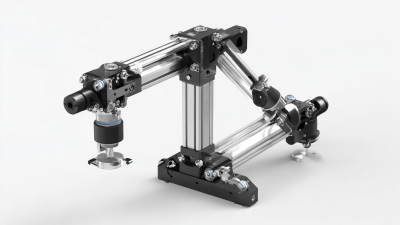
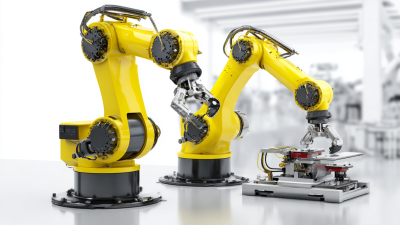
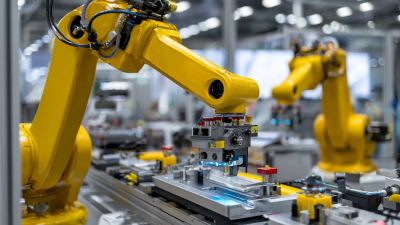
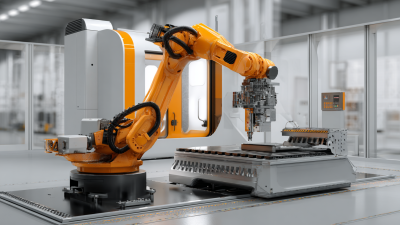

 Take car manufacturing, for example — those robotic arms with servo tech can handle pretty complex assembly tasks with amazing accuracy. And since these servo systems can be programmed pretty easily, factories can switch between different car models quickly, which means less downtime and more just-in-time production. Pretty cool, right?