The manufacturing world is changing fast, and by 2026, we can expect some pretty exciting breakthroughs with Molding Robots. Industry experts like John Smith, who's a senior engineer over at TechMold Robotics, really emphasize just how important these developments are. He mentions, “Molding Robots are about to totally change how efficient our production lines can be.” Honestly, that vibe of transformation is clear across many sectors that rely on precision and getting things done quickly.
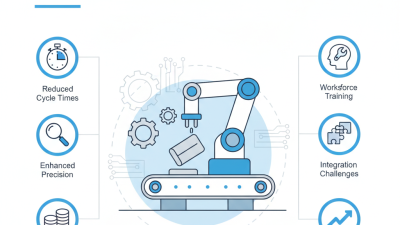
More and more, Molding Robots are becoming a must-have if you’re aiming for top-notch quality and consistency. They take on some pretty complex tasks, which helps manufacturers cut down on waste and boost their productivity. But, let’s be real—bringing these robots into play isn’t always smooth sailing. There are hurdles like training staff properly and dealing with potential tech hiccups. That’s why it’s so crucial to have a solid plan for implementation, so the switch doesn’t turn into a headache.
Looking ahead, the potential with Molding Robots is huge. As technology keeps evolving, these machines will just keep getting better. That said, industry folks should stay cautious—keep evaluating and adapting as needed. Jumping on new tech without thinking can lead to slip-ups. A balanced approach, where you’re open to change but also mindful of the challenges, is really the best way to make sure you’re getting the most out of these robots.
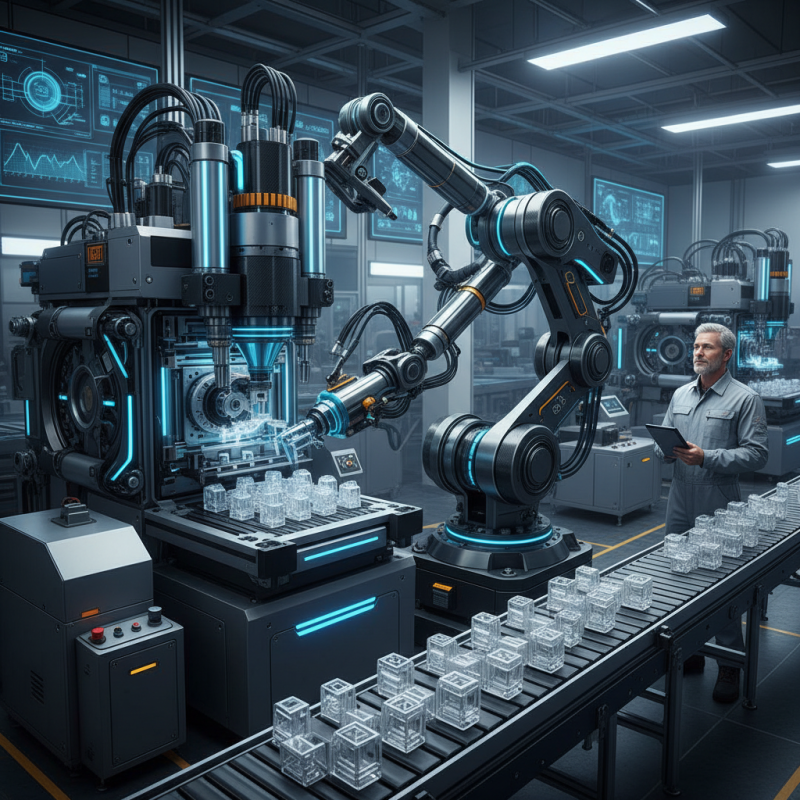
Understanding Molding Robots in Modern Manufacturing
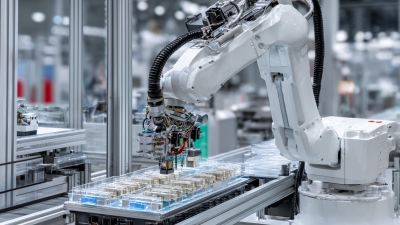
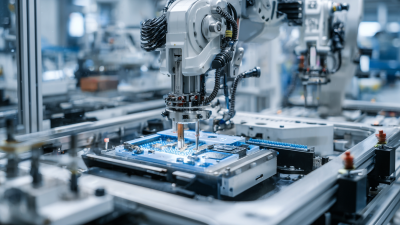
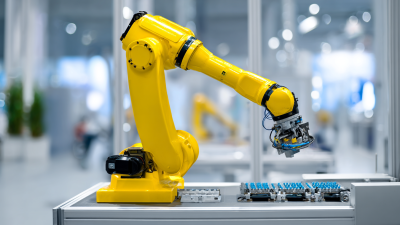
Modern manufacturing increasingly relies on automation. A key player in this transformation is the Molding Machine Robot. These robots streamline processes and improve efficiency. They tackle repetitive tasks with speed and precision, minimizing errors. However, the implementation of molding robots is not without its challenges.
Understanding the technology behind molding robots is essential. They use advanced sensors and software to adapt to different tasks. Yet, this adaptability can sometimes lead to unforeseen complications.
For instance, programming errors may create delays in production. Moreover, not all companies have the resources to train staff adequately. Transitioning to robotic systems requires careful planning and investment.
While Molding Machine Robots enhance productivity, they also requireconstant evaluation. Organizations must ensure they are utilizing their capabilities fully.
In some cases, outdated machinery may hinder performance. Regular upgrades and maintenance are necessary to keep up with advancements. Overall, molding robots offer robust solutions, but companies must approach their integration thoughtfully.
Key Features of the Best Molding Robots for Efficiency
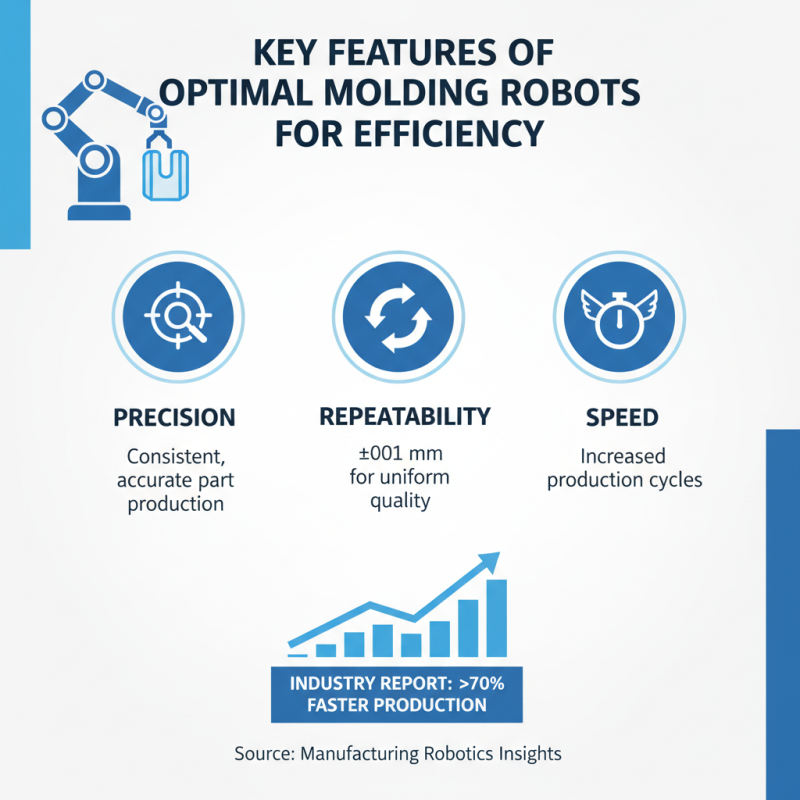
In the evolving landscape of manufacturing, molding robots have become critical for efficient operations. Industry reports indicate that over 70% of manufacturers observe increased production speeds with the right robotics. Key features to look for in molding robots include precision, repeatability, and speed. A high repeatability rate, usually around ±0.01 mm, assures consistent output quality.
Moreover, adaptability is essential. The best molding robots can seamlessly integrate with various systems. They should offer user-friendly interfaces and easy programming capabilities, enabling quicker training for operators. Data shows that companies utilizing advanced robotics experience a 20% decrease in labor costs, highlighting the economic advantage of automation.
It's also important to recognize limitations. Some robots may struggle with complex shapes or materials. Regular maintenance is required to sustain performance, adding to operational costs. Ensuring compatibility with existing equipment can be a challenge too. Addressing these issues upfront can lead to more successful implementations and better resource allocation.
Top Brands and Models of Molding Robots in 2026
In 2026, the market for molding robots is increasingly competitive. The demand for automation in manufacturing has surged. Leading industry reports estimate the global market will reach $5 billion by 2026, growing at a rate of 10% annually. This growth is driven by the need for precision and efficiency in production processes.
Top brands are focusing on modular robotics. This allows customization for specific tasks, improving production rates. The flexibility of these robots is a significant advantage. Brands prioritize ease of integration into existing systems. However, some manufacturers report challenges in the initial setup.
While many new models boast advanced AI capabilities, not all perform consistently in varied conditions. Certain robots excel in specific tasks, but struggle with others, revealing limitations. Ongoing training and adjustments are often necessary. This highlights the importance of selecting models that can evolve with production needs. The right choice can lead to substantial cost savings and productivity boosts.
Comparative Analysis of Molding Robots for Cost-Effectiveness
In the pursuit of cost-effectiveness in manufacturing, molding robots stand out as crucial tools. These machines streamline production, helping companies maximize output while minimizing expenses. However, not all molding robots offer the same returns on investment. A careful comparative analysis reveals significant differences in functionality and efficiency among various options.
Consider the parameters that define cost-effectiveness. Initial purchase price, maintenance costs, and energy consumption are vital factors. Some robots may promise high speed and precision. Yet, they can incur hidden costs related to upkeep. The lifetime performance of these machines must also be evaluated. A higher upfront cost might be justified if a Robot Saves significantly on energy and maintenance over time.
Moreover, the adaptability of a molding robot plays a critical role. Some models are designed for specific tasks, limiting their versatility. Others can be reprogrammed for various applications, which may yield long-term savings. Businesses must reflect on their unique production needs and choose accordingly. Efficiency is not just about speed; it’s about fit for purpose. Evaluating these elements thoroughly allows for smarter investments in molding technology.
Industry Applications for Molding Robots in Manufacturing
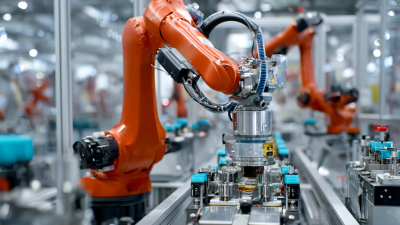
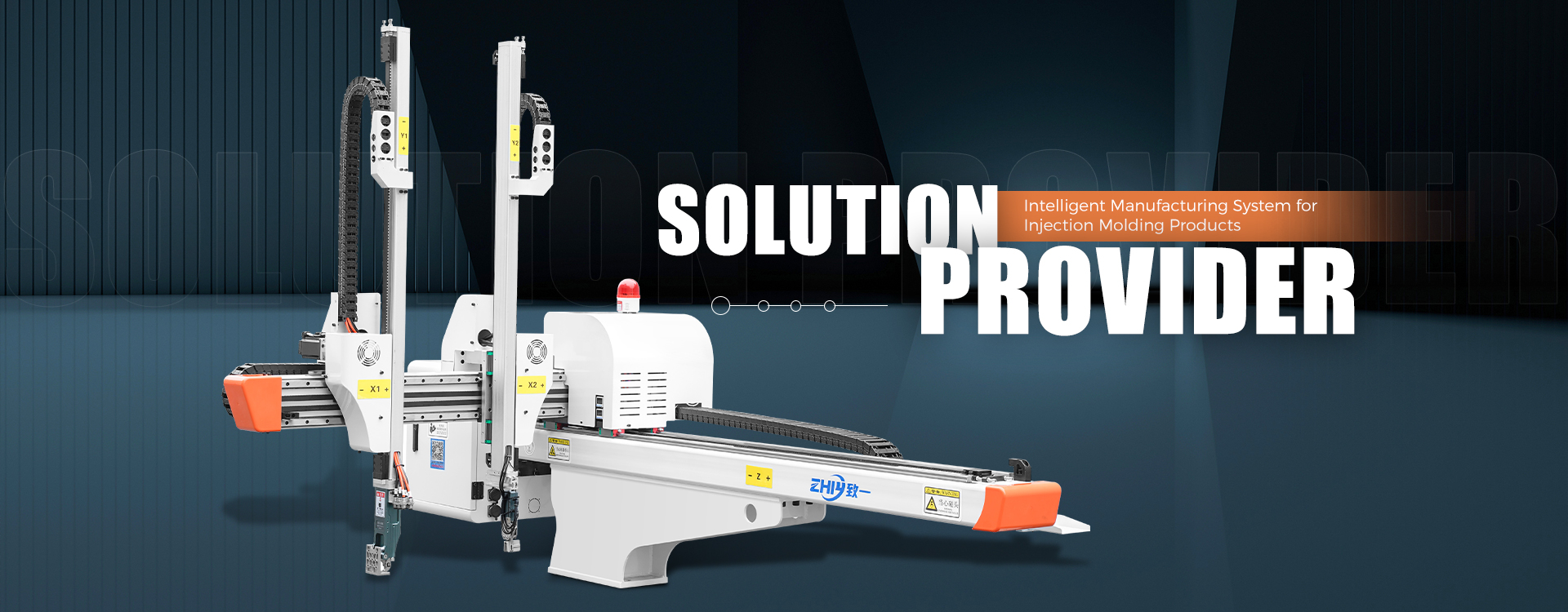
Molding robots have transformed various sectors in manufacturing, enhancing efficiency and precision. Industries like automotive, consumer goods, and packaging utilize these systems extensively. They streamline production lines, reduce labor costs, and minimize human error. The integration of Injection Molding Robot Automation has become a game-changer, allowing manufacturers to optimize their workflows.
In automotive manufacturing, molding robots are pivotal. They ensure consistent production of parts with high dimensional accuracy. Packaging industries benefit from robots that can handle multiple products simultaneously. This versatility not only improves speed but also elevates product quality. However, there are challenges. Companies may struggle with the initial investment and require ongoing maintenance expertise.
Tips: When considering molding robots, evaluate your specific needs. Understand that not every solution fits all. Resources for training your workforce on these systems can create significant long-term value. Continuous assessment of the technology is vital. As innovations arise, staying updated can enhance your manufacturing strategies.
Future Trends in Molding Robotics and Automation
In the rapidly evolving landscape of manufacturing, the integration of molding robotics is crucial. A recent report by an industry leader indicates that the global market for Injection Molding Robots is projected to reach $12 billion by 2026. This growth highlights a strong trend toward automation in manufacturing processes. Molding robots are increasingly being deployed to enhance precision, reduce labor costs, and minimize production time.
As manufacturers seek to improve efficiency, incorporating advanced sensors and AI into injection molding robots is becoming common. This allows for real-time data analysis and predictive maintenance, ultimately leading to more streamlined operations. Interesting findings from a 2023 survey show that 70% of manufacturers believe automation will significantly impact their ROI within the next five years. However, there are challenges, such as initial investment costs and the need for skilled operators to manage these sophisticated systems.
Tips: Start small. Testing automation with a few injection molding robots can minimize upfront costs and help refine processes. Evaluate your specific needs before making significant investments. Remember, not all solutions are one-size-fits-all; customization may be necessary. Always consider the long-term benefits versus the immediate challenges you may face in transitioning to automated solutions.
2026 Best Molding Robot for Efficient Manufacturing Solutions
| Model | Payload Capacity (kg) | Speed (cycles/min) | Accuracy (mm) | Automation Level | Industry Application |
| Model A | 20 | 15 | 0.02 | High | Automotive |
| Model B | 25 | 12 | 0.015 | Medium | Consumer Electronics |
| Model C | 18 | 10 | 0.03 | High | Medical |
| Model D | 30 | 8 | 0.025 | Medium | Industrial Equipment |
Evaluating ROI on Molding Robots for Manufacturing Businesses
Manufacturers are increasingly aware of the importance of investing in molding robots. Evaluating the return on investment (ROI) for these machines is crucial. For many businesses, the decision to adopt an Injection Molding Machine can be significant. The cost of these robots can be high, and understanding their impact is essential.
The efficiency gains from molding robots can justify the upfront expenses. Automation often leads to reduced labor costs and improved precision. A well-implemented system can minimize waste and increase production speed. However, not all companies experience instant success. Some may struggle with integration challenges or employee training.
Investing in an injection molding machine requires careful assessment. Companies should analyze production needs and potential output. It's important to look beyond initial costs and factor in long-term savings. The technology can seem daunting, yet many find that the benefits outweigh the struggles. Balancing short-term challenges against future gains is a critical reflection for manufacturers.
Conclusion
The article titled "2026 Best Molding Robot for Efficient Manufacturing Solutions" provides a comprehensive overview of the crucial role molding robots play in modern manufacturing. It begins with an exploration of their significance and functionality, highlighting key features that enhance efficiency, such as precision, speed, and flexibility. The discussion continues with a comparative analysis of various models, evaluating their cost-effectiveness and suitability for different industry applications.
Furthermore, the article delves into future trends in molding robotics and automation, emphasizing the continuous evolution driven by technological advancements. Finally, it underscores the importance of assessing the return on investment (ROI) for businesses considering the integration of molding robots into their manufacturing processes, ensuring a strategic approach to enhancing productivity and competitiveness in the market.