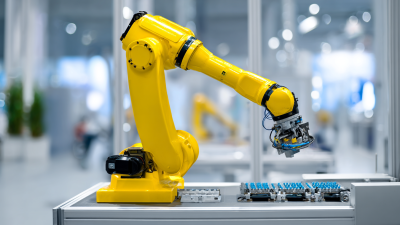
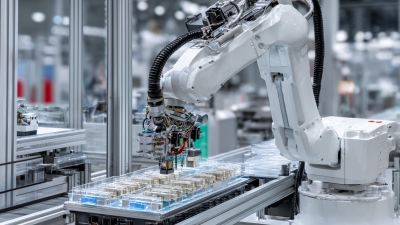
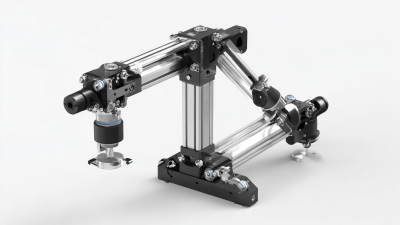
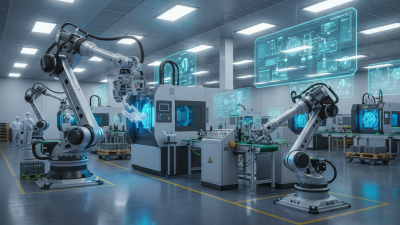
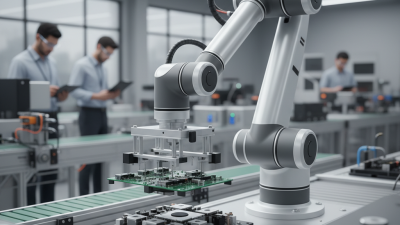
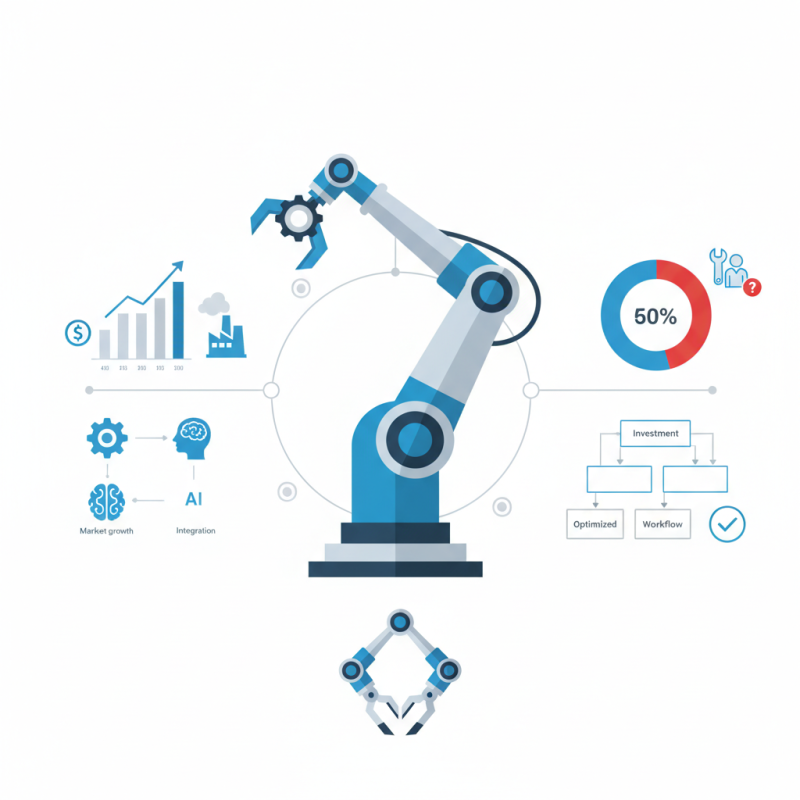
In today's fast-changing world of automation, the Double Axis Robot Arm really stands out as a key piece of tech that's making production work much more efficient. I came across a report from MarketsandMarkets that says the robotics industry could hit a whopping $703 billion by 2025, and these double-Axis Robots are definitely a big part of that growth. Companies like KUKA and ABB are at the forefront, weaving in advanced AI to make their robot arms even smarter. These arms aren't just about tackling boring, repetitive tasks—they’re also helping improve precision on the factory floor, which is pretty cool.
That said, jumping into this tech isn’t always a walk in the park. Lots of manufacturers find the initial setup and ongoing maintenance pretty challenging. Interestingly, a Deloitte study pointed out that about 70% of manufacturers see hurdles when it comes to adopting automation. It kinda shows we still need better training and support for the folks operating these systems. The Double Axis Robot Arm has tons of potential for high efficiency, but getting the most out of it really calls for a thoughtful, well-planned approach.
Investing in this kind of technology can definitely give you a leg up, but it’s important to really evaluate what your operation needs first. With a good strategy, companies can leverage tools like the Arm Double-Cut Arm Manipulator to streamline workflows. The road to full automation isn’t exactly smooth sailing, but if you handle it right, the rewards can be pretty amazing.
Overview of Double Axis Robot Arms in Industrial Production
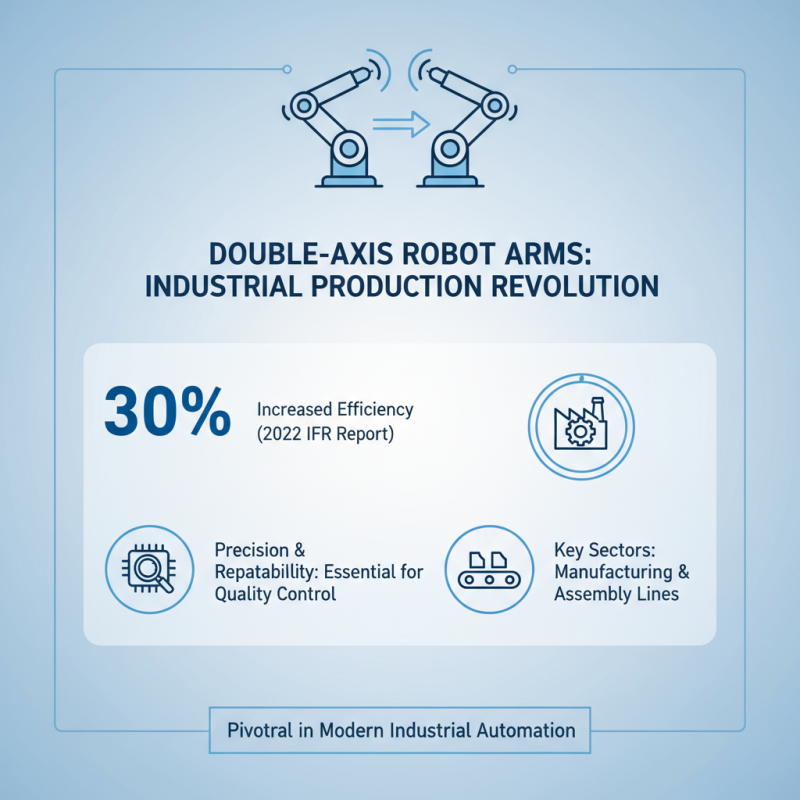
Double axis robot arms are pivotal in modern industrial production. These robotic systems excel in tasks requiring precision and repeatability. According to a 2022 report by the International Federation of Robotics, double axis designs have improved efficiency by up to 30%. This increase is vital in sectors like manufacturing and assembly lines, where speed and accuracy are crucial.
The flexibility of double axis robots allows for various applications. They can perform tasks ranging from welding to packaging. However, deploying these robots is not without challenges. Maintenance costs can escalate if the arms are not properly calibrated. A study revealed that nearly 20% of robot downtime results from misalignment and mechanical failure.
Moreover, the workforce needs upskilling to work alongside these advanced systems. Training programs become essential to maximize productivity. Interestingly, while automation enhances output, it sometimes raises concerns about job displacement. A balanced approach is necessary to ensure that as we adopt advanced robotics, we also invest in human capital. This dual focus is critical for the sustainable growth of any production environment.
Key Features of the 2026 Best Double Axis Robot Arm
The 2026 Best Double Axis Robot Arm emphasizes efficiency. Its design supports a combination of precision and versatility. Many industries seek automation. The double axis robot arm fits perfectly in tasks like assembly and welding. According to a report from Future Market Insights, the Robotic Arm market is projected to grow by 12% annually until 2028. This growth highlights the demand for advanced automation solutions.
Key features of this robot arm include its dual-axis motion control. This allows for greater flexibility in production lines. It can handle various tasks, reducing the need for multiple machines. Industry data suggest that automation can increase productivity by 30%. However, training staff to operate these machines remains a challenge. Companies need to invest in workforce development alongside technology.
Reliability is another core aspect. A well-designed double axis robot arm can run for thousands of hours with minimal downtime. However, maintenance issues can arise if not properly addressed. The necessity for regular inspections complicates the ideal efficiency that many organizations seek. Balancing machine automation and human oversight continues to be an area of reflection for many manufacturers.
Comparison of Leading Double Axis Robot Arms in the Market
In recent years, the demand for efficient production technologies has surged. The Double Axis Robot Arm stands out in the automation landscape. It is celebrated for its precision, speed, and flexibility. Industry data shows that the use of robotic arms can increase productivity by up to 40%.
When comparing leading Double Axis Robot Arms in the market, performance metrics are crucial. Factors include payload capacity, speed, and programming flexibility. Recent reports indicate the average speed for effective models ranges from 120 to 250 degrees per second. However, not all models excel in every aspect. Some might struggle with payload weight while others may have a steep learning curve for operators.
Tips for choosing the right Double Axis Robot Arm include evaluating your production needs carefully. Consider the types of tasks and materials involved. It's essential to balance automation benefits with ease of use. Initial costs may be high, but check long-term maintenance and operational costs. Don't overlook the importance of training your team for optimal use. Always anticipate potential challenges that may arise with integration.
Applications of Double Axis Robot Arms in Different Industries
Double axis robot arms are transforming production across various industries. Their versatility makes them valuable in manufacturing, packaging, and assembly lines. In automotive manufacturing, for example, these robots enhance precision in tasks like welding and painting. They provide consistent performance while reducing human error.
In the food processing industry, double axis robots streamline sorting and packing. They handle delicate items with care, avoiding damage. Some companies face challenges with integration into existing workflows. Customizing the robotic solutions can be complex. This complexity often requires a reevaluation of operational strategies and training.
Healthcare is another area where double axis robots find applications. These robots assist in surgeries, providing steady movements. However, the reliance on automation raises concerns about patient safety. Increased automation might mean less human oversight. Careful consideration is necessary to maintain standards while embracing innovation.
Factors to Consider When Choosing a Double Axis Robot Arm
When choosing a double axis robot arm, several factors are crucial. The precision of the robot is vital for efficient production. Reports indicate that precision impacts manufacturing quality by up to 30%. Accurate positioning reduces waste and errors. The market for double axis arms is projected to grow by 15% annually due to rising demand for automation.
Another important aspect is the load capacity. It’s essential to match the arm's specifications with your production needs. For instance, if you require payloads over 5 kg, verifying the arm's lifting capability is necessary. Many users overlook this, leading to operational inefficiencies. Integrating features like the Arm Single-Arm Robot Cut can also enhance production efficacy.
Finally, software compatibility cannot be ignored. A robot arm may boast high specifications, but if it doesn’t integrate seamlessly with existing systems, it can lead to production delays. A recent analysis indicated that 18% of companies faced integration challenges with new robotic systems. Investing in a robot arm that aligns with your software is crucial for avoiding future setbacks.
Future Trends in Double Axis Robot Arm Technology
The future of double Axis Robot Arm technology continues to evolve rapidly. Recent industry reports highlight a forecasted growth of 25% annually in the automation sector, primarily driven by efficiency advancements. Companies are increasingly investing in systems that enhance precision and reduce production time. A double axis robot arm can perform complex tasks with minimal human intervention, leading to improved output and less error.
As industries embrace automation, the design of double axis robot arms is becoming more refined. For instance, integrating AI for real-time adjustments can significantly boost performance. In a survey conducted by the Robotics Industry Association, 70% of manufacturers noted a marked improvement in quality control when employing robotic solutions. However, there are challenges. Ensuring seamless integration with existing technologies remains a roadblock for many manufacturers.
Moreover, the maintenance of double axis robot arms often requires skilled personnel. This not only raises operational costs but also puts pressure on companies to train their workforce. As demand for automation increases, these areas need holistic approaches to ensure sustainable growth. Addressing such issues may determine the future success of the Axis Robot Arm technology.
Production Efficiency Comparison of Double Axis Robot Arms (2026)
Impact of Double Axis Robots on Production Efficiency and Cost Savings
The rise of 2 Axis Robot Arms has significantly influenced production efficiency. These robotic systems are designed to enhance the speed and precision of manufacturing tasks. Industries employing double axis robots often report reduced cycle times. This can lead to greater output without compromising quality. Moreover, the flexibility of 2 Axis Robot Arms allows for quick adjustments to various production lines.
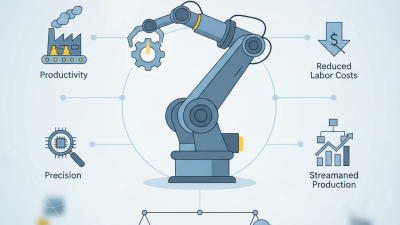
Cost savings are another critical benefit. By automating repetitive tasks, companies can reduce labor costs. This transition often results in a more efficient workforce. However, the initial investment in 2 Axis Robot Arm technology can be daunting. Not every business can afford to make such a leap. Therefore, careful consideration is essential before integrating these systems into existing processes.
Despite the advantages, the implementation of double axis robots is not without challenges. Companies must train staff to effectively operate and maintain these machines. Also, there are ongoing costs in terms of maintenance and software updates. Balancing these factors is crucial to maximize the benefits of 2 Axis Robot Arms in production environments.
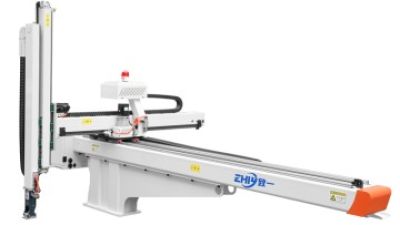
Enhancing Manufacturing Efficiency: Insights and Innovations from the Latest Market Analysis of Three-Axis Bull Head Injection Molding Robot Arms
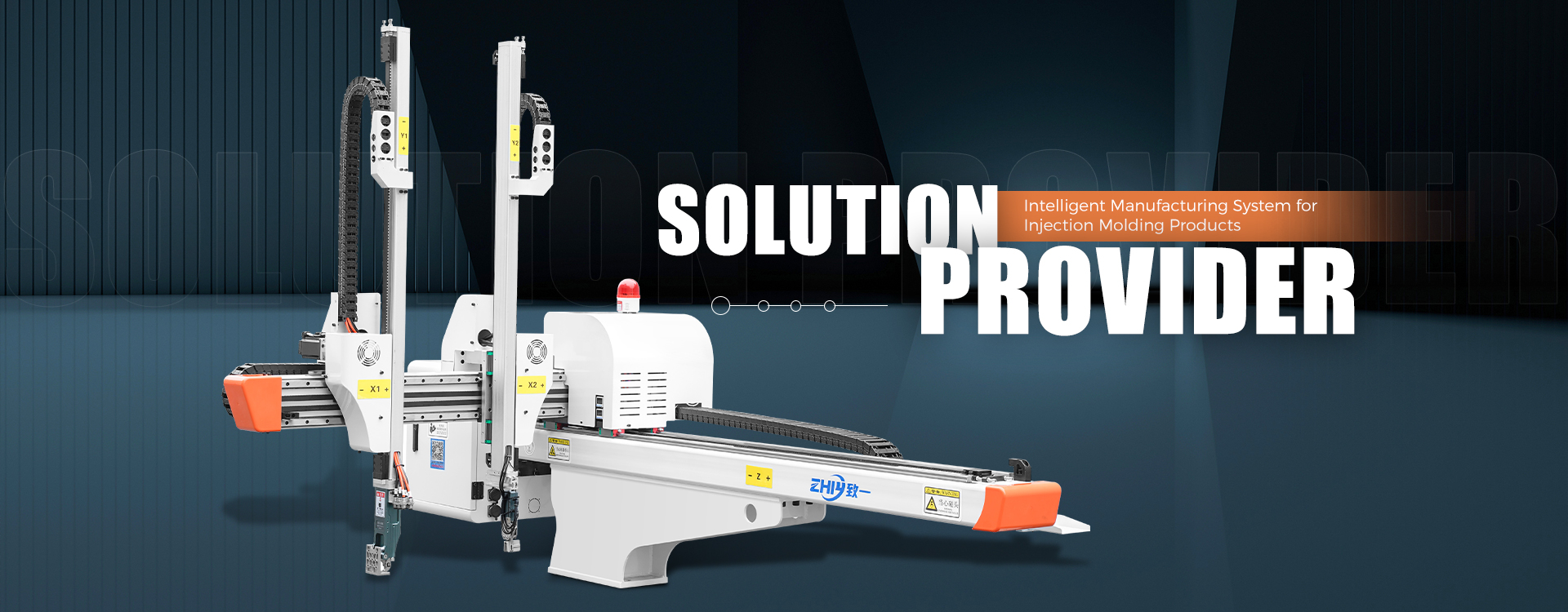
In the realm of manufacturing, enhancing efficiency is vital for staying competitive. The latest market analysis highlights the transformational role of advanced robotics, particularly three-axis Bull head injection molding robot arms. These innovative machines, specifically designed for medium and large injection molding systems, are proving to be game changers in production processes. By automating tasks that were traditionally labor-intensive, manufacturers can significantly cut down on operational costs while simultaneously increasing output.
The three-axis Bull head injection molding robot excels in its performance capabilities, with a robust load capacity accommodating between 15 to 20 kilograms. Boasting an ultra-long stroke of 1500mm vertically, 1300mm horizontally, and an impressive 2300mm reach, this robotic solution showcases remarkable versatility compatible with a range of 600T to 800T injection molding machines. Its lightweight design, coupled with a modular architecture, facilitates quick installation and reliable operation, making it an attractive option for businesses seeking to integrate automation without extensive downtime.
Moreover, the customization and expansion capabilities of these robot arms allow manufacturers to adapt quickly to changing production demands. As industries evolve, adopting such innovative solutions can provide a significant edge, driving productivity and enabling factories to scale operations efficiently. The advancements in robotics are not only reshaping manufacturing; they are heralding a new era of efficiency and innovation in the sector.
FAQS
: They are used for tasks like welding and packaging, where precision is key.
Efficiency has improved by up to 30% in various sectors according to a 2022 report.
Maintenance costs can rise if the robots are not properly calibrated, leading to downtime.
Nearly 20% of downtime is due to misalignment and mechanical issues.
Upskilling staff is essential to maximize productivity alongside automated systems.
Yes, automation raises concerns about job loss, and a balanced approach is needed.
It allows for greater flexibility in production, handling multiple tasks efficiently.
They can operate for thousands of hours with minimal downtime if properly maintained.
The need for regular inspections can make it challenging to achieve optimal performance.
Yes, balancing automation with human input is crucial for sustainable production.
Conclusion
The 2026 Best Double Axis Robot Arm represents a significant advancement in industrial production, enhancing efficiency and productivity across various sectors. These robotic arms provide improved precision and versatility, making them ideal for tasks such as assembly, material handling, and packaging. Key features include high-speed operation, compact design, and advanced control systems that cater to diverse industrial needs.
When selecting a Double Axis Robot Arm, factors such as payload capacity, range of motion, and ease of integration into existing production lines must be considered. The article further explores future trends in Double Axis Robot Arm technology, including advancements in artificial intelligence and machine learning, which promise to revolutionize their application. Overall, the impact of Double Axis Robots on production efficiency and cost savings is profound, positioning them as essential tools for modern manufacturing processes.