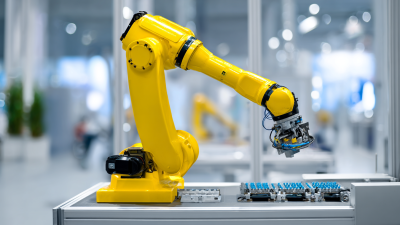
As manufacturing keeps evolving, the need for smarter, more advanced automation tools is more important than ever. One gadget that’s really been catching on lately is the Molding Robot — it’s become a real staple in many production lines. Looking ahead to 2025, picking the right Molding Robot is gonna be a game-changer for improving productivity, keeping things consistent, and getting the most out of your setup.
With all the new tech and materials popping up, manufacturers now have a whole bunch of options to choose from, tailored to their unique needs. Getting a good handle on what different Molding Robots can do — and where they might fall short — can really help businesses make smarter choices that match both their goals and their budgets. Things like how easy they are to set up, how flexible their programming is, and what kind of maintenance they need are all super important factors when figuring out which robot fits best in your factory as we move into the future of industrial automation.
Basically, it’s worth digging into the different features and tech options out there in the world of Molding Robots. Doing that research can give you some serious insights, helping manufacturers pick the most effective robotic tools for their specific jobs. And in this ever-more automated world, those smart choices are what can really set you apart and keep you ahead of the game.
Factors to Consider When Selecting a Molding Robot
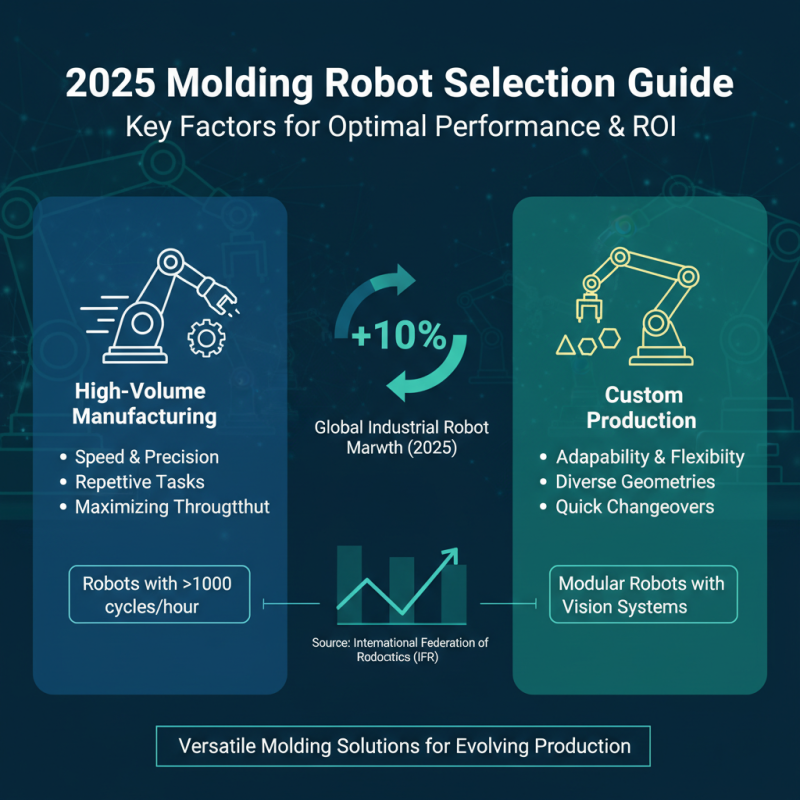
When selecting a molding robot for your manufacturing needs in 2025, several critical factors must be considered to ensure optimal performance and return on investment. One of the primary considerations is the type of production being undertaken. For instance, high-volume manufacturing often requires a robot with speed and precision, while custom production may necessitate adaptability and flexibility. According to a report by the International Federation of Robotics, by 2025, the global industrial Robot Market is expected to grow by 10%, reflecting a strong demand for versatile molding solutions that cater to evolving production requirements.
Another significant factor is the compatibility of the robot with existing manufacturing systems. A seamless integration process can boost efficiency and reduce downtime during transitions. Furthermore, evaluating the robot's payload capacity is essential, as it determines the types of molds and materials it can handle. Industry data indicates that robots capable of lifting heavier loads not only enhance productivity but also broaden operational capabilities, allowing manufacturers to diversify their product offerings. It is also crucial to consider the level of automation and control provided by the robot, as advanced programming features can streamline operations and facilitate easier adjustments to production lines as demands shift.
Lastly, evaluating the supplier's support and training services is vital. According to a study by Markets and Markets, companies that invest in robust after-sales support experience a 25% reduction in equipment downtime. Therefore, as you venture into selecting a molding robot for 2025, ensuring that supportive infrastructure is in place will help maintain efficiency and productivity in an increasingly competitive manufacturing landscape.
Types of Molding Robots and Their Suitability for Different Industries
When selecting a molding robot for your manufacturing needs, it's essential to understand the different types available and their specific applications across various industries. Generally, molding robots can be categorized into three types: Cartesian, SCARA, and six-axis robots. Cartesian robots are suited for linear movements and are often used in assembly lines where precision and repeatability are essential. SCARA robots excel in horizontal movements and are ideal for tasks that require speed and accuracy, such as assembly and packing. Six-axis robots provide a greater degree of flexibility, making them perfect for complex tasks that involve intricate movements, often found in automotive and electronics manufacturing.
**Tips:** Consider the payload capacity and reach of the robot based on your production requirements. Evaluate whether your application demands high speed or precision to ensure you select the most suitable type. Additionally, assess the ease of integration with existing systems to streamline your manufacturing processes.
The industries using molding robots vary widely, from automotive and electronics to consumer goods and pharmaceuticals. Each sector has unique demands; for example, in the automotive industry, robots are often required for heavy-duty tasks and must be robust and durable. In contrast, the electronics industry requires more delicate handling to avoid damaging sensitive components. When choosing a molding robot, it’s crucial to match the robot's capabilities with the specific needs of your industry to enhance productivity and efficiency.
**Tips:** Always prioritize safety and compliance with industry regulations when selecting a molding robot. Training personnel to operate and maintain these robots is equally important to maximize their functionality and lifespan.
How to Choose the Right Molding Robot for Your Manufacturing Needs in 2025
| Robot Type | Key Features | Best Industries | Cost Range ($) |
| Articulated Robots | High flexibility, multiple joints | Automotive, Electronics | 20,000 - 50,000 |
| SCARA Robots | Fast, precise, vertical motion | Consumer Goods, Assembly | 15,000 - 35,000 |
| Delta Robots | High-speed, lightweight | Food Packaging, Electronics | 30,000 - 70,000 |
| Collaborative Robots | Safety features, easy to program | Small Businesses, Warehousing | 10,000 - 30,000 |
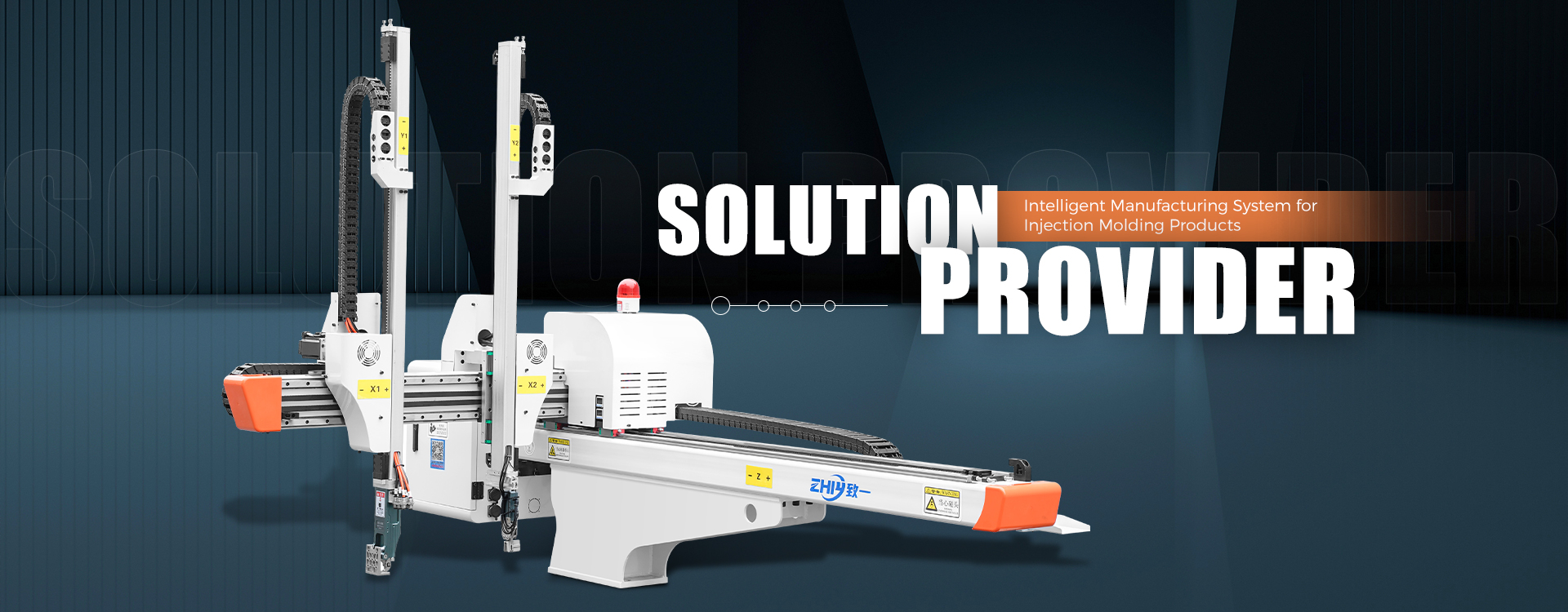
| Injection Molding Robots | Specialized for molding tasks | Plastics, Automotive | 25,000 - 60,000 |
Evaluating the Technical Specifications of Molding Robots
When selecting a molding robot for manufacturing in 2025, evaluating the technical specifications is crucial for optimizing production efficiency and meeting specific operational needs. Factors such as payload capacity, reach, and precision directly impact how well a robot can perform in a given environment. According to a recent market analysis, around 70% of manufacturers prioritize payload and cycle time when choosing a robotic model, emphasizing the need for robots to handle varying weights and complete tasks swiftly in a competitive landscape.
In addition to physical capabilities, manufacturers should consider the integration of advanced technology in molding robots, such as AI-driven analytics and machine learning capabilities. These features enable real-time optimization of processes and predictive maintenance, reducing downtime by up to 30%, as reported in the latest industry studies. Moreover, energy efficiency and ease of programming should not be overlooked, with research showing that robots with user-friendly interfaces can decrease setup time by approximately 25%.
**Tip:** Before making a purchase, list the specific tasks the robot will need to perform and compare these requirements against the technical specifications of potential models. This matched approach ensures that you select a robot that aligns perfectly with your production needs and can adapt to future demands.
**Tip:** Additionally, consider the robot's support and service package offered by suppliers, as ongoing technical support can significantly impact operational efficiency and resolve potential issues swiftly.
Key Technical Specifications of Molding Robots in 2025
This chart illustrates the key technical specifications for molding robots in 2025, highlighting their capabilities in terms of payload capacity, speed, precision, operating range, and energy consumption. These metrics are crucial for manufacturers when selecting a suitable molding robot for their production needs.
Assessing the Cost-Effectiveness of Molding Robots for Manufacturing
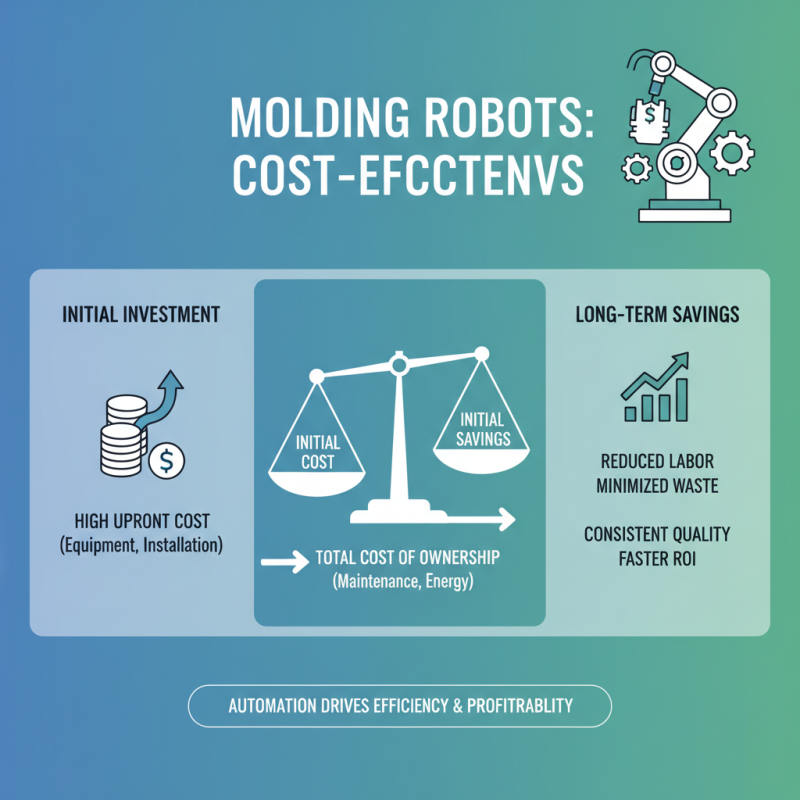
When assessing the cost-effectiveness of molding robots for manufacturing, it is essential to consider both initial investment and long-term savings. The upfront costs of acquiring a molding robot can be significant; however, these machines often lead to considerable efficiencies and reduced labor costs over time. By automating repetitive tasks and ensuring consistent quality, manufacturers can minimize waste and rework, resulting in a quicker return on investment. Evaluating the total cost of ownership, including maintenance and energy consumption, further aids in determining the robot's financial viability.
Another critical aspect is the adaptability of molding robots to various production needs. Flexible robots can handle different materials and product designs, making them suitable for diverse manufacturing environments. This versatility not only enhances productivity but can also lead to lower costs per unit as the same robot can be utilized for multiple applications without the need for substantial reconfiguration. Manufacturers must analyze how well a molding robot fits into their existing production lines, as seamless integration can significantly maximize cost savings and improve overall operational efficiency.
Understanding the Role of Automation in Molding Processes
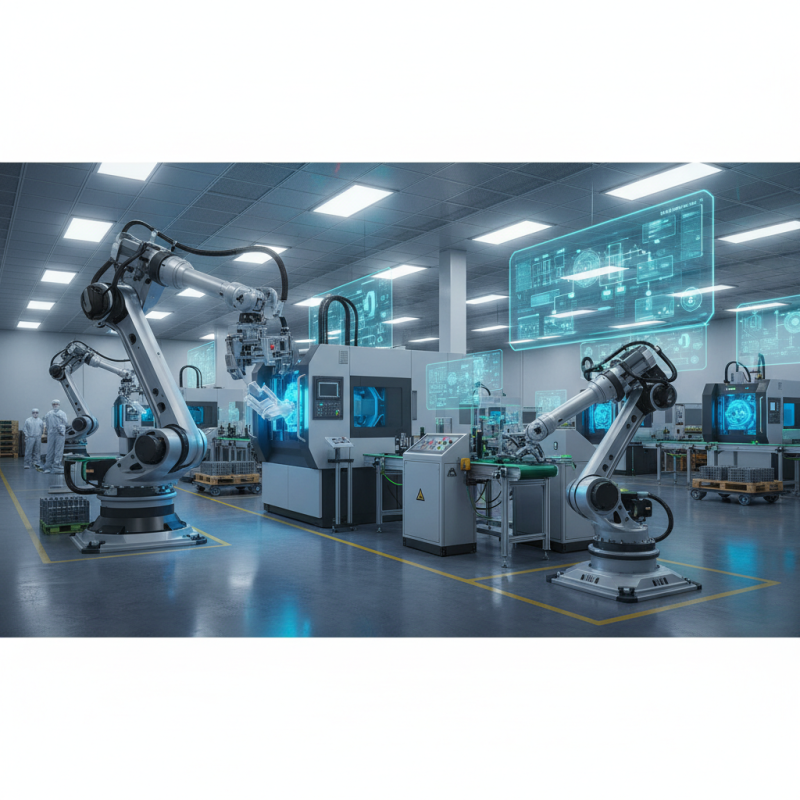
In the rapidly evolving landscape of manufacturing, automation plays a pivotal role in enhancing efficiency and precision within molding processes. By integrating automation, manufacturers can significantly reduce cycle times, minimize human error, and maintain consistent quality. As companies look to optimize their production lines, understanding how automation works in molding can provide a competitive edge. Automation streamlines repetitive tasks, allowing skilled workers to focus on more complex operations requiring human judgment and creativity.
Tip 1: Assess the current production flow and identify bottlenecks where automation could enhance efficiency. Analyze areas that are labor-intensive or prone to errors, as these are prime candidates for robotic integration.
As we look forward to 2025, the choice of molding robots must align with specific manufacturing needs. Various types of robots, such as C Cartesian, SCARA, and articulated models, cater to different applications in molding processes. Understanding the function of each type can aid manufacturers in selecting the right equipment. Moreover, the programming capabilities of these robots, such as adaptability to different tasks and ease of integration into existing systems, should also be key considerations.
Tip 2: Involve your engineering team in the selection process, as their insights into production requirements and potential challenges will be invaluable in choosing the most effective molding robot.
Maintenance and Support Considerations for Molding Robots
When selecting the right molding robot for your manufacturing needs, maintenance and support should be at the forefront of your decision-making process. A well-maintained robot can significantly enhance production efficiency, reduce downtime, and prolong the life of your equipment. Regular maintenance involves routine checks, cleaning, and replacing wear parts, which can prevent minor issues from escalating into costly repairs. Ensure that your chosen robot comes with clear maintenance guidelines to streamline this process.
Tips: Implement a preventive maintenance schedule that aligns with your production demands. This proactive approach can help identify potential problems early and minimize unscheduled downtime. Additionally, consider investing in training for your maintenance staff to ensure they are equipped to handle necessary upkeep efficiently.
Support is equally critical when choosing a molding robot. Evaluate the types of support services offered by the manufacturer, such as troubleshooting assistance and software updates. A robust support system can be invaluable in addressing any operational challenges that arise, ensuring that your production line runs smoothly. It's essential to have access to knowledgeable personnel who can quickly guide you through any technical difficulties.
Tips: Establish a clear line of communication with the support team and familiarize yourself with their response times. This will help you gauge their reliability and prepare for potential disruptions in your workflow.
Future Trends in Molding Robotics for Enhanced Production Efficiency
The future of molding robotics is set to revolutionize manufacturing processes, with a strong focus on enhanced production efficiency. According to a recent report by MarketsandMarkets, the global robotic process automation market is projected to reach USD 23.9 billion by 2025, implying an increasing reliance on automation technologies, including molding robots. These advancements are encouraging manufacturers to adopt smarter solutions that minimize errors and optimize workflows, leading to greater overall productivity.
In 2025, expect to see a shift towards more collaborative robots (cobots) in molding operations. These cobots are designed to work alongside human operators, enhancing flexibility while reducing costs associated with traditional robotic systems. A study by the International Federation of Robotics indicates that companies adopting cobots can expect to see a 30% increase in efficiency and a significant decrease in operational downtime. This trend will allow manufacturers to achieve a more agile production line that can quickly adapt to changing demands.
**Tips for Choosing the Right Molding Robot:**
1. Assess your production volume and requirements: Understand whether your operations require high-speed, high-volume production or flexibility for small batch runs.
2. Evaluate the integration capabilities: Ensure the robot can seamlessly integrate with your existing systems and platforms to maximize efficiency.
3. Consider the ease of programming: Opt for robots with user-friendly programming capabilities to minimize training time and enhance adaptability in your workforce.
FAQS
: The main types of molding robots are Cartesian, SCARA, and six-axis robots, each suited for different applications based on their movement capabilities.
Cartesian robots are best for precision tasks as they are designed for linear movements, making them suitable for assembly lines where repeatability is essential.
Molding robots are used across various industries including automotive, electronics, consumer goods, and pharmaceuticals, each with unique operational needs.
SCARA robots excel in horizontal movements and are ideal for speed and accuracy in tasks such as assembly and packing, differing from others that may specialize in linear or complex movements.
Future trends include a shift towards collaborative robots (cobots) that work alongside humans, enhancing flexibility and efficiency in manufacturing processes.
Assessing a robot's payload capacity is crucial to ensure it can handle the specific weights and types of materials required for your production needs.
Factors to consider include production volume requirements, integration capabilities with existing systems, the ease of programming, and specific industry compliance needs.
Proper training of personnel is important to maximize the functionality and lifespan of molding robots, ensuring efficient operation and maintenance.
Collaborative robots can enhance flexibility, reduce operational costs, and improve efficiency, with some studies indicating up to a 30% increase in productivity when adopted.
Conclusion
Choosing the right Molding Robot for manufacturing in 2025 involves several critical factors. It's essential to assess the specific technical specifications of the robots, as well as their suitability for various industries. Considerations of cost-effectiveness and the role of automation in molding processes play a significant role in the decision-making process. Additionally, prospective buyers should evaluate maintenance and support options to ensure long-term operational efficiency.
Future trends indicate that advancements in Molding Robotics will further enhance production efficiency, making it vital for manufacturers to stay informed about the latest developments in this field. With the right approach, selecting a Molding Robot that meets manufacturing needs can lead to significant improvements in productivity and overall operational performance.