
Leave Your Message
0102030405
What Is the Price of Injection Robot Arm?
2026-07-03
What Is the Price of Injection Robot Arm? A Complete Buyer’s Cost Breakdown Guide
Introduction
For plastic molding plant managers, procurement specialists and factory automation decision-makers, one question sits at the top of every sourcing checklist: how much does an injection molding robot armactually cost? Pricing for this core automation equipment is far from a fixed number, with wide gaps between entry-level pneumatic manipulators, mid-range full-servo crossBeam Robots, and high-end 6-axis integrated vision systems.
Many global buyers make costly mistakes by only comparing upfront sticker prices while ignoring long-term expenses like maintenance, integration, compliance certification and after-sales support. This guide breaks down real-world global price ranges, every factor that shifts total investment, hidden recurring costs, and actionable sourcing tips to help you calculate an accurate total budget aligned with your production scale, product type and regional compliance standards.
Whether you operate a small consumer goods molding workshop, a mid-volume automotive component factory, or a high-precision medical plastic manufacturing plant, this breakdown eliminates guesswork when requesting quotations from global automation suppliers.
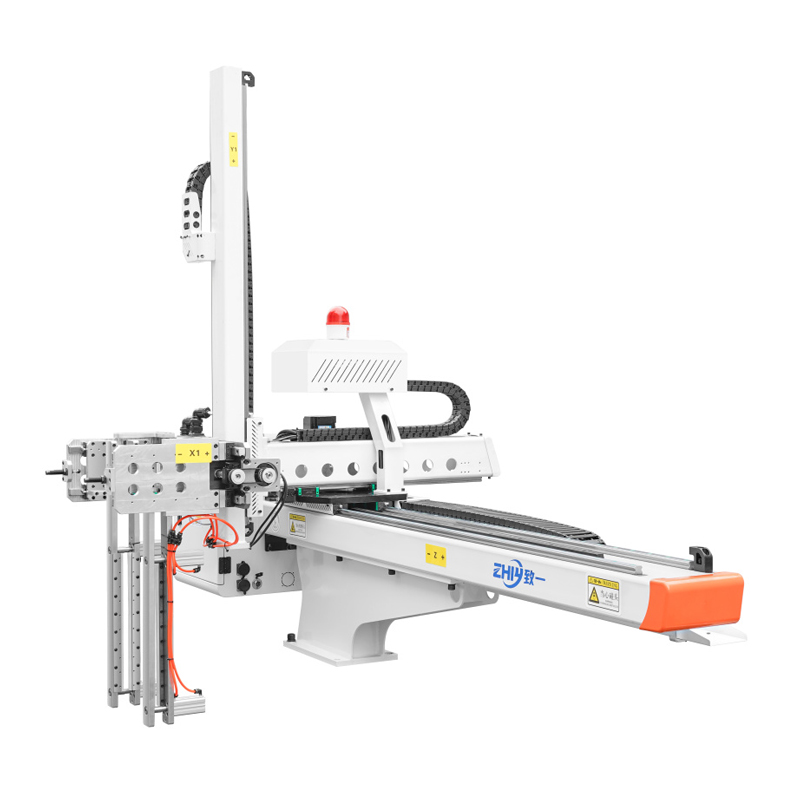
Core Injection Robot Arm Types & Corresponding Global Price Ranges
Robot arm architecture, axis configuration and drive system form the foundation of base pricing. Below are standardized market price brackets observed across North America, Europe, Southeast Asia and Oceania industrial markets, categorized by robot model and core functionality. All figures reference complete standard units without custom add-ons or installation fees.
1. Pneumatic Swing-Arm Robots (Entry-Level Basic Pickers)
Price Range: $5,000 – $15,000 Best suited for low-cycle, small-tonnage injection machines (30T to 180T), simple single-part sprues picking and low-precision consumer plastic items like disposable tableware, toy casings and general packaging parts.
- Key features: Single-axis pneumatic drive, fixed motion programs, basic manual adjustment, lightweight payload under 1kg
- Pros: Low initial investment, compact footprint, minimal programming training required
- Cons: Slow cycle speeds, limited positioning accuracy, higher compressed air consumption, unsuitable for secondary operations like part flipping or in-mold insertion
- Typical annual maintenance cost: 3% – 5% of the original purchase price
2. 3-Axis Full Servo Crossbeam Robots (Mid-Tier Standard Production)
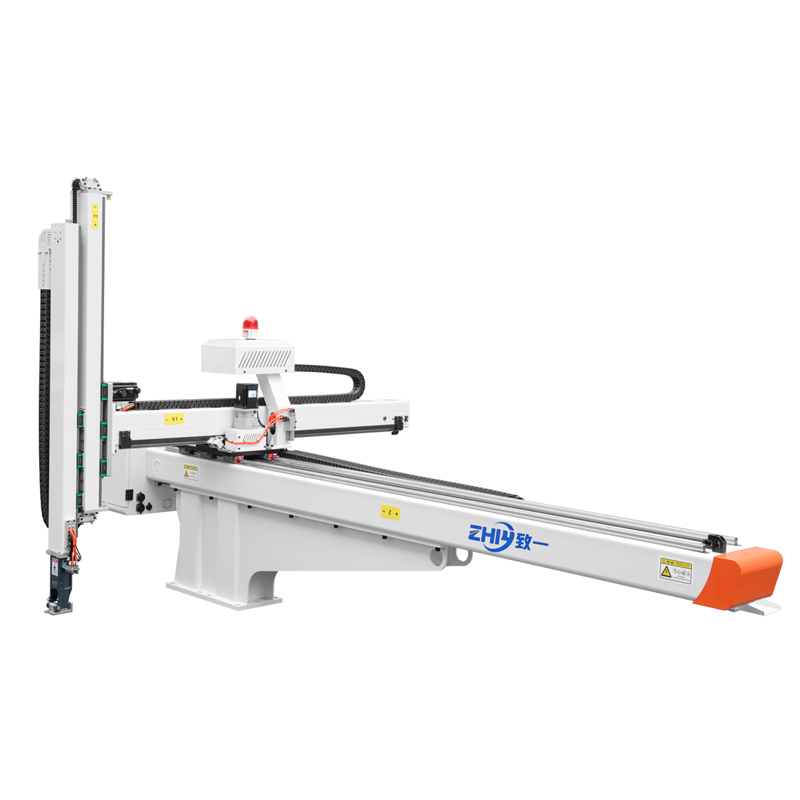
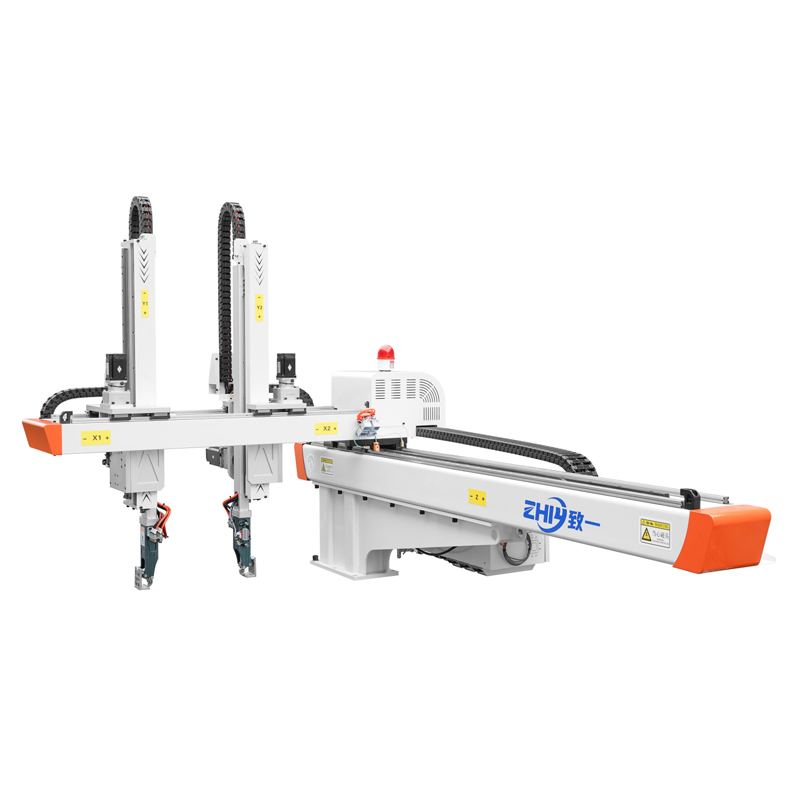
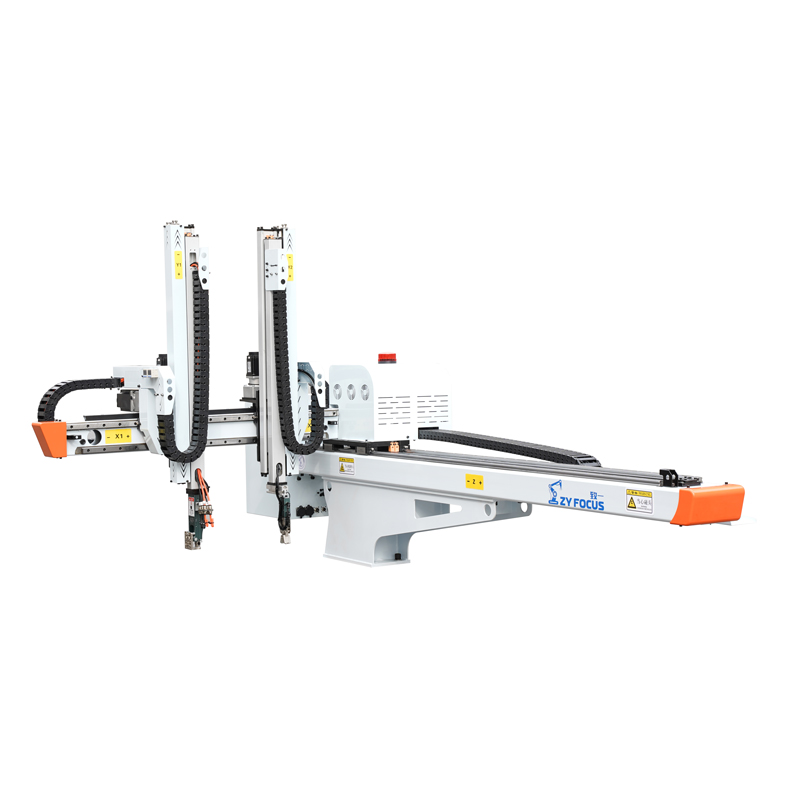
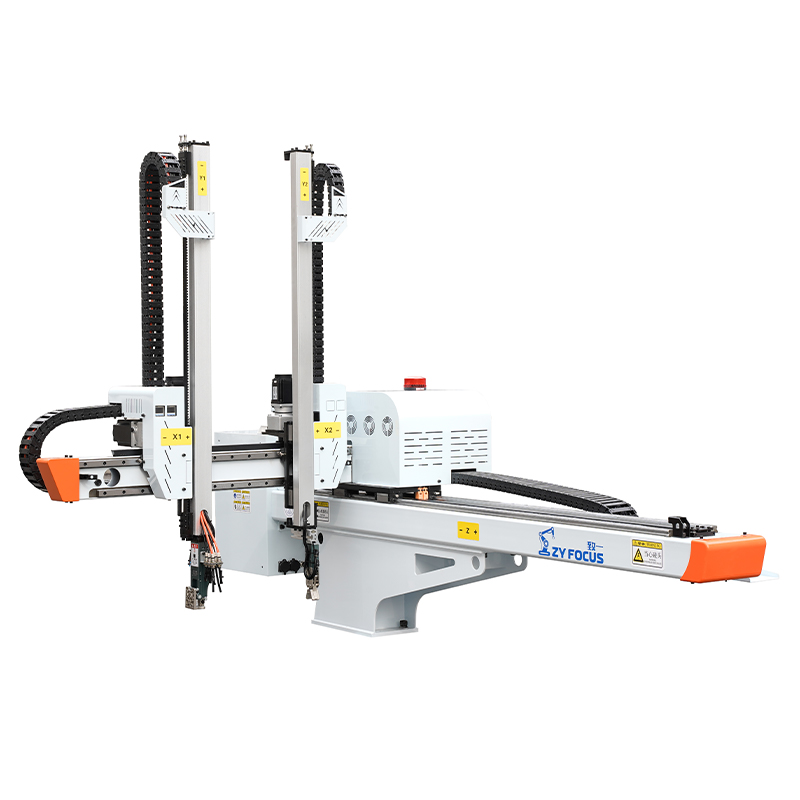
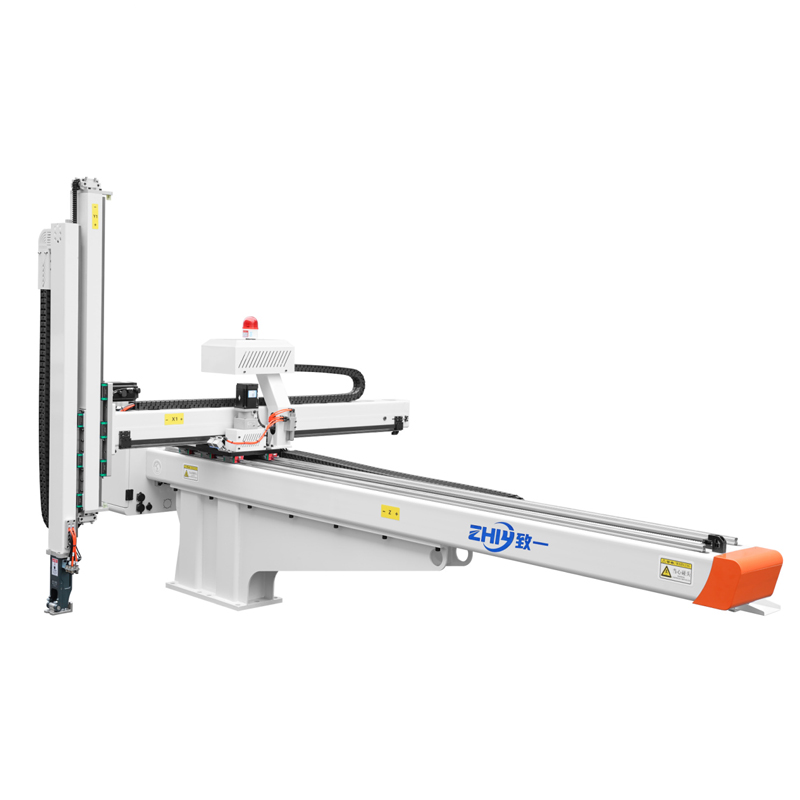
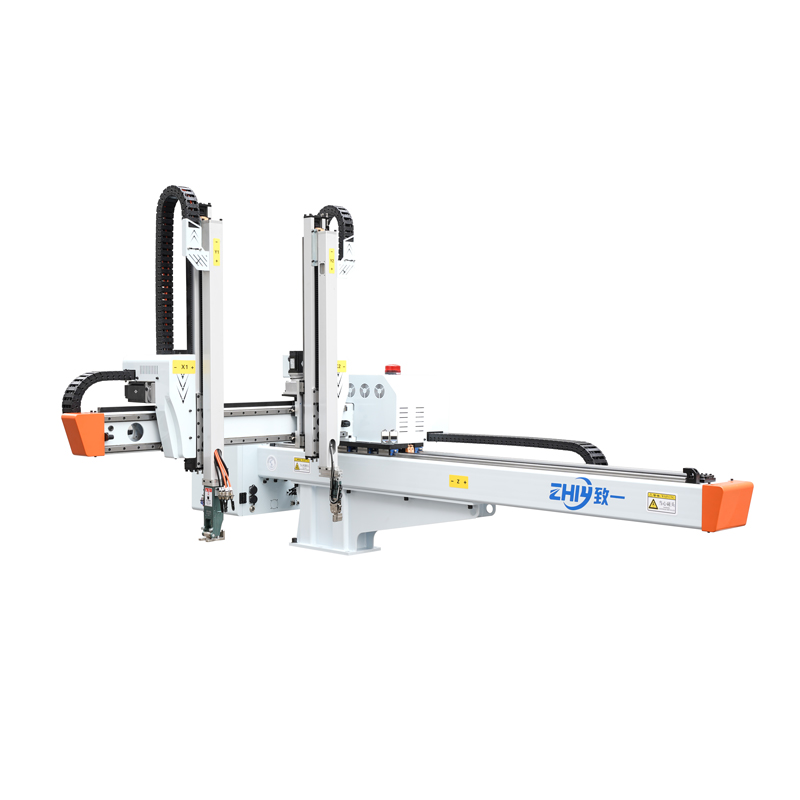
Price Range: $15,000 – $40,000 The most widely adopted model for medium-volume molding facilities, compatible with 100T to 650T injection molding machines for electronics housings, household appliances and medium-size automotive plastic components.
- Key features: X/Y/Z three-axis servo control, customizable stroke lengths, dual-arm optional, graphical touchscreen programming, repeat positioning accuracy ±0.1mm
- Pros: Balanced speed and precision, flexible mold compatibility, stable long-run operation, moderate energy consumption
- Cons: Requires more installation clearance around injection machines; complex mold layouts may need minor custom adjustments
- Typical annual maintenance cost: 5% – 8% of purchase cost
3. 5-Axis Servo Robots (High-Speed Precision & Secondary Operations)
Price Range: $30,000 – $60,000 Designed for complex production workflows requiring side flipping, stacking, automatic trimming and offline assembly. Ideal for thin-wall electronics, cosmetic containers and multi-cavity high-output molds.
- Key features: Independent side flip axis, extended vertical strokes, support for automated part sorting, multi-step preset production templates
- Pros: Cuts manual secondary labor by 40%+, compatible with hot runner and stacked molds, reduces scrap rates via consistent part handling
- Cons: Higher upfront investment, requires operators with basic servo robot training
- Typical annual maintenance cost: 6% – 9% of unit price
4. 6-Axis Articulated Robots & Integrated Vision Workstations (Premium High-End Solutions)
Price Range: $60,000 – $200,000+ Custom full automation stations for medical-grade plastic parts, large automotive structural components and cleanroom manufacturing environments. Most systems include camera vision detection, conveyor synchronization and Industry 4.0 data connectivity.
- Key features: Omni-directional joint movement, AI vision defect inspection, Modbus/Ethernet/IP industrial communication, Class 100,000 cleanroom compatible frames
- Pros: Fully flexible multi-task automation, seamless integration with downstream packaging, real-time production data tracking, meets strict IATF 16949 automotive quality standards
- Cons: Largest total investment, specialized integration technicians required, highest annual service fees
- Typical annual maintenance cost: 10% – 15% of the full workstation value
Key Factors That Dramatically Shift Injection Robot Arm Pricing
Base model prices only account for the hardware unit itself. Eight major variables will raise or lower your final quotation, and procurement teams must quantify each detail before contacting suppliers to avoid inflated last-minute add-on charges.
1. Payload & Stroke Customization
Robot arms built for heavy molded components (5kg+ payload for large pallets, automotive bumpers) require reinforced beams, heavy-duty servo motors and reinforced guide rails, pushing prices up 20% – 40% versus standard lightweight models. Extended vertical or horizontal strokes to match oversized injection machine templates also add manufacturing material costs that suppliers pass to buyers.
Conversely, mini short-stroke robots for micro precision medical parts carry a slight premium due to high-tolerance internal components, even with low payload capacity.
2. Optional Functional Add-Ons
Every auxiliary module adds incremental costs to your total order value:
- Side flip rotation mechanism: +$2,000 – $6,000
- Dual independent extraction arms for double molds: +$4,000 – $12,000
- Vision camera inspection system: +$8,000 – $25,000 based on resolution and defect detection logic
- Automatic sprue cutting and trimming attachments: +$1,500 – $5,000
- Cleanroom anti-dust, anti-corrosion coating for medical production: +10% – 25% of base robot price
- Safety light curtains and full perimeter safety enclosures: +$3,000 – $9,000
3. Regional Compliance & Certification Requirements
Different global markets mandate mandatory safety and quality certifications that directly impact production costs for suppliers, reflected in your final quote:
- CE marking for EU distribution: Standard for most export-grade robots, minimal price uplift
- ANSI/RIA safety compliance for North American factories: Requires upgraded safety interlocks and control systems, +5% – 12% cost increase
- IATF 16949 certification for automotive supply chains: Full component traceability audits, higher material grade standards, +15% – 30% premium
- ISO 13485 medical manufacturing compatible frames: Food-grade stainless steel grippers, sealed servo drives, significant cost uplift
Buyers sourcing uncertified generic units will see lower base prices but face fines, import hold-ups or factory safety shutdowns when operating in regulated regions.
4. Brand & Component Sourcing Tier
Three distinct supplier tiers exist across the global injection robot market, creating clear price separation for identical mechanical specifications:
- Premium international industrial brands (ABB, Staubli, Epson): Highest price bracket, proprietary control software, global local service hubs, longest equipment lifespan
- Mid-market specialized automation manufacturers: Balanced price-to-performance ratio, interchangeable standard components, flexible custom modification, most popular for medium-volume factories
- Budget generic component suppliers: Lowest upfront cost, off-the-shelf generic servo parts, limited after-sales infrastructure, higher long-term failure rates
5. Installation, Integration & Training Fees
Many buyers overlook these one-time auxiliary costs when comparing base robot prices:
- Standard on-site mechanical installation: $1,800 – $5,000 per unit
- Full production line integration (linking robots with conveyors, mold temperature controllers, packaging machines): $5,000 – $20,000 depending on line complexity
- Operator programming training courses: $800 – $3,000 per session
- Remote commissioning for overseas shipments: Reduces travel fees but requires in-house technical staff support
6. Order Volume & Contract Terms
Volume discounts apply for bulk orders of 3+ robot arms, typically reducing unit prices by 8% – 20% for full production line automation packages. Long-term annual maintenance contracts or repeat order agreements can also unlock additional negotiation leverage with suppliers to cut spare parts pricing.
Single-unit small factory purchases receive minimal price flexibility, as suppliers allocate the same engineering and documentation overhead regardless of order size.
7. Shipping, Customs & Local Import Taxes
Robot arm shipping costs vary drastically based on destination region and unit weight:
- Standard crossbeam robot sea freight to Southeast Asia: $800 – $2,500
- Air freight for urgent production line upgrades to Europe/North America: $4,000 – $10,000 Regional import duties and VAT further add 7% – 22% of the total equipment value, depending on local industrial machinery trade policies. These recurring logistics expenses must be included in your total procurement budget, not just the robot hardware cost.
8. Warranty & After-Sales Service Packages
Basic 1-year parts warranty is included in all standard base prices, but extended service packages increase upfront costs while lowering long-term breakdown risks:
- 3-year full component warranty: +6% – 15% of robot price
- On-demand local technician emergency support plan: Annual flat fee of $1,200 – $4,000
- Lifetime discounted spare parts contract: One-time surcharge at time of purchase
Hidden Long-Term Costs Most Buyers Ignore
Sticker price only represents your capital expenditure; operational recurring costs determine the robot’s total cost of ownership (TCO) over its 8–12 year service lifespan. When comparing two robot quotations with similar base prices, always calculate these ongoing expenses to avoid unfavorable long-term economics:
- Routine maintenance parts: Servo motors, guide rails, gripper silicone pads and sensor replacements, averaging 5% of unit value each year
- Energy consumption differences: Full servo robots cut power usage by 30% compared to pneumatic swing-arm models, generating consistent monthly utility savings
- Labor offset value: Robots handling secondary trimming, stacking and inspection eliminate 1–3 manual operator shifts per line, delivering clear ROI within 12–24 months for mid and high-tier models
- Downtime losses from low-quality hardware: Budget generic robots face unplanned breakdowns 2–3 times more frequently than mid-tier specialized brands, creating costly production line halts
- Software upgrade fees: Premium branded robots often charge annual licensing fees for control system updates, while mid-market manufacturers include free lifetime firmware upgrades
How to Calculate a Realistic Budget for Your Injection Robot Arm
Follow this four-step process to build an accurate budget before requesting formal supplier quotations, eliminating overspending or underfunding risks:
Step 1: Document all production hard requirements
Record injection machine tonnage, maximum molded part weight, required cycle time, whether secondary operations (flipping, trimming, inspection) are needed, and target annual production volume. This filters irrelevant robot models immediately and prevents suppliers from overquoting oversized high-price units.
Step 2: Confirm regional compliance standards
List all mandatory certifications required for your factory location and end-use industry (automotive, medical, consumer goods). Request suppliers to separate certification fees in their quotation for transparent comparison.
Step 3: Add one-time auxiliary overheads
Allocate line items for installation, integration, shipping, import taxes and operator training on top of the base robot hardware price. Request suppliers to bundle these services into a single turnkey quote for easier side-by-side evaluation.
Step 4: Model 3–5 year total ownership cost
Compare annual maintenance, energy and labor savings across different robot tiers, not just upfront price. A mid-tier 5-axis robot with slightly higher base cost often delivers faster ROI than low-cost pneumatic alternatives for medium-to-high production throughput.
Final Sourcing Tips for Global Buyers to Secure Fair Pricing
- Request fully itemized quotations: Require suppliers to separate hardware, custom add-ons, certification, shipping and service fees rather than a single lump sum, making it easy to identify inflated line items.
- Request factory performance test footage matching your actual mold specifications: Avoid overpaying for overspecced robots that exceed your production requirements.
- Compare minimum three qualified suppliers across different manufacturing tiers: Balance budget options with mid-market and premium brands to understand market price boundaries.
- Clarify spare parts lead times before signing contracts: Suppliers with long component delivery windows create costly production downtime, even if their initial robot price is lower.
- Negotiate bundled turnkey packages: Combining robot arms, conveyors and safety equipment in one order typically unlocks larger volume discounts than purchasing separate machinery individually.
Conclusion
There is no universal fixed price for an injection robot arm—final investment ranges from $5,000 for basic pneumatic swing-arm pickers up to $200,000+ for fully integrated 6-axis vision automation workstations. Every procurement decision must balance upfront capital costs against long-term total ownership expenses, production throughput targets and regional compliance rules.
By breaking down pricing by robot type, quantifying custom add-on fees, accounting for hidden logistics and maintenance costs, and comparing total 3–5 year ownership value, global molding plant buyers can avoid overspending while selecting a robot arm solution that matches their exact manufacturing needs. When reaching out to automation suppliers, provide full production specifications and compliance requirements to receive accurate, tailored quotations aligned with your real operational budget.