
Leave Your Message
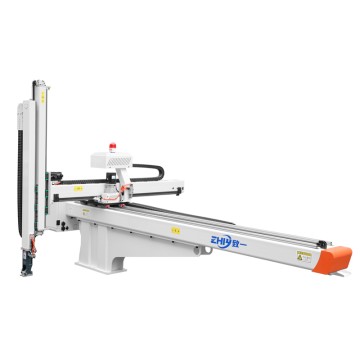
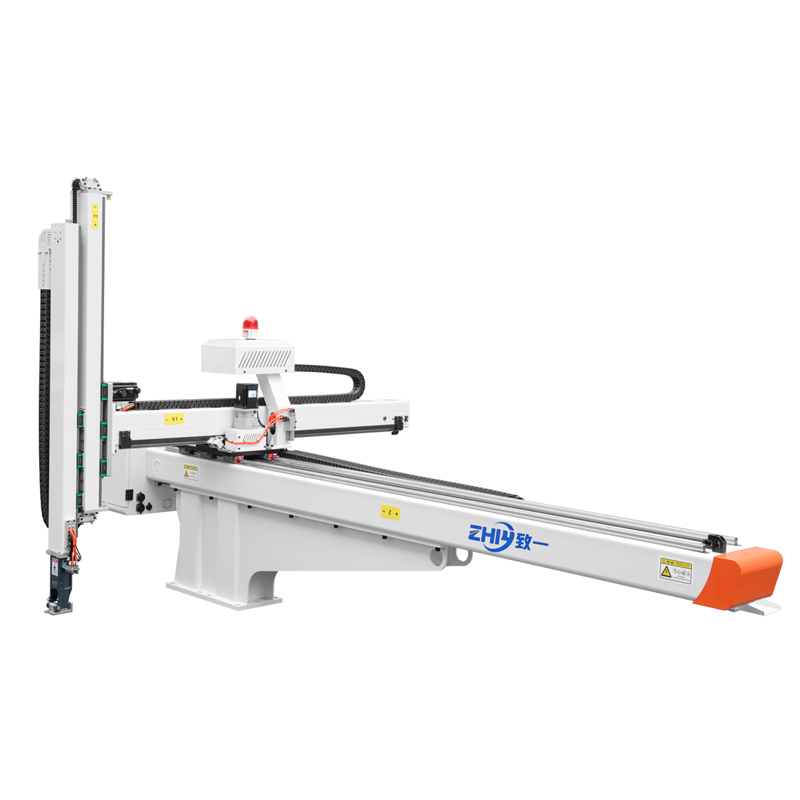
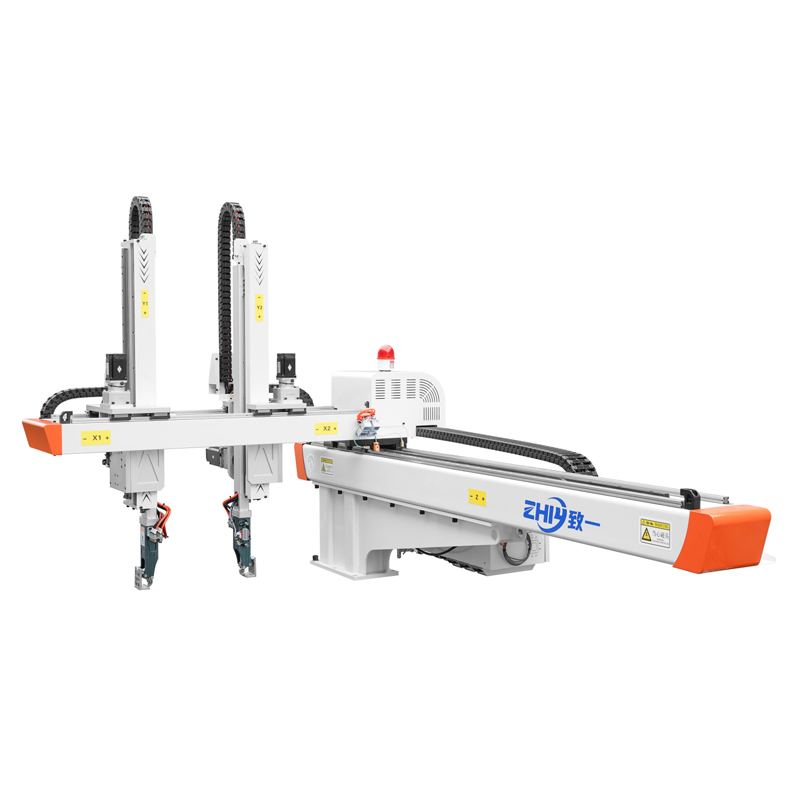
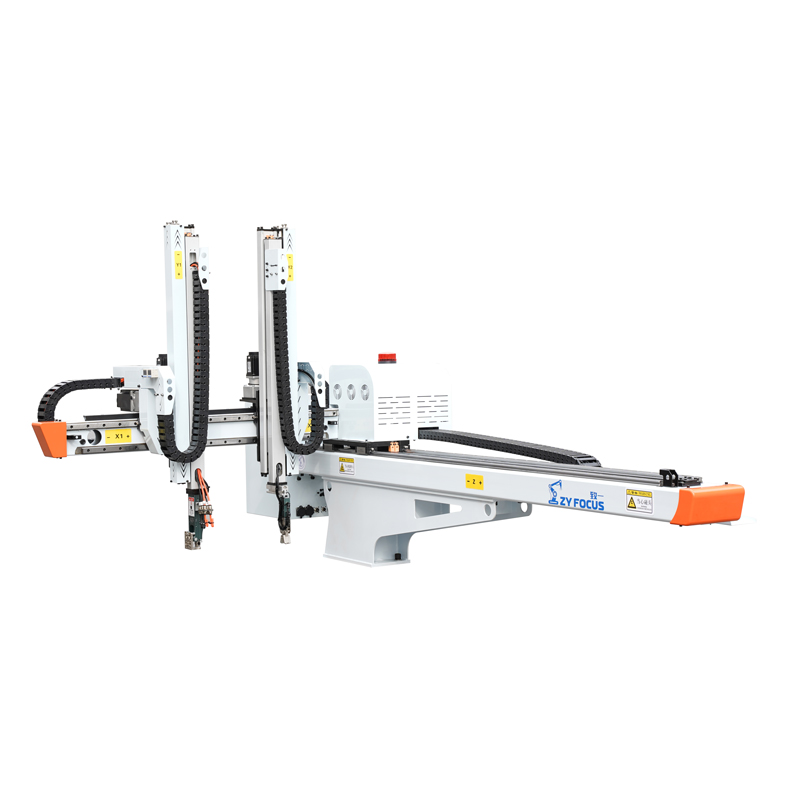
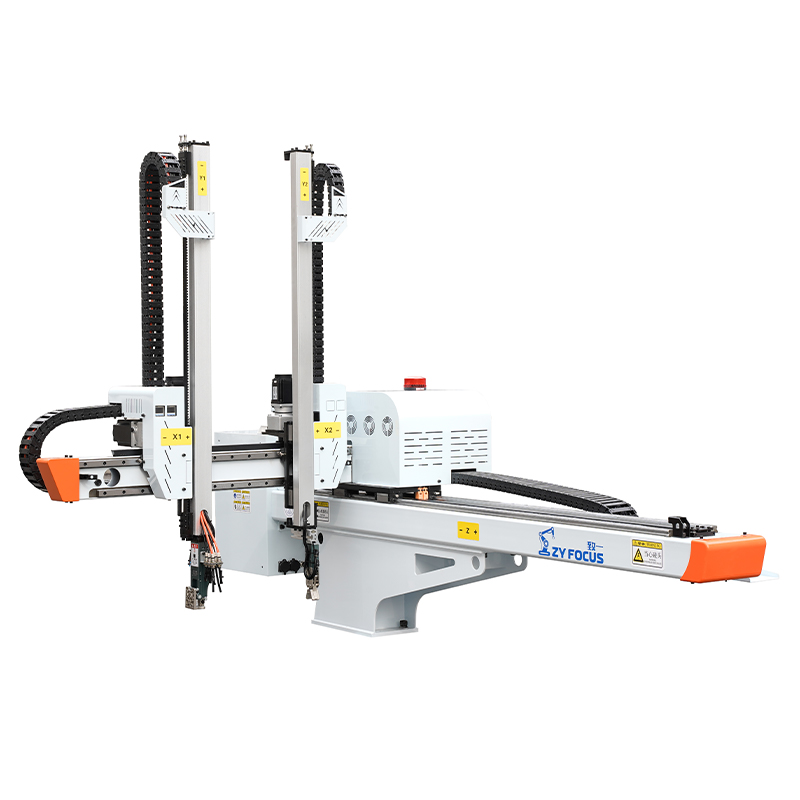
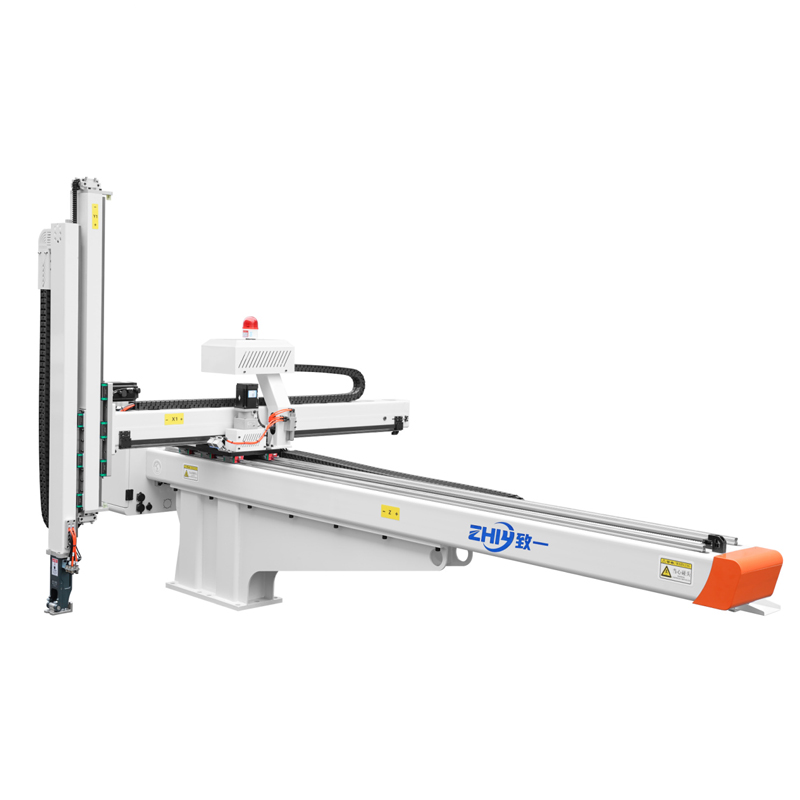
Three-Axis Bull Head Robot Arm for Furniture Components
Three‑Axis Bull Head Robot Arm for Furniture Components
Table of Contents
- Understanding Bull‑Head Three‑Axis Robot Basics for Furniture Production
- Core Application Scenarios for Furniture Component Manufacturing
- Key Performance Factors That Impact Production Outcomes
- Compatibility Considerations With Injection Molding Workflows
- Critical Spec Checklist When Sourcing for Furniture Projects
- Practical Tips for Maximizing Uptime & Return on Investment
- Frequently Asked Questions
- Conclusion
Manufacturers producing plastic furniture components constantly balance output volume, part consistency, and operational cost. Many production teams struggle with unstable manual demolding, high reject rates for large furniture parts, and inconsistent cycle times across multi‑cavity molds. Selecting the right take‑out robot arm can resolve many of these everyday pain points for furniture injection molding workshops.
Not all Robotic Arms deliver equal results for furniture‑grade molded parts. Bull‑head style three‑axis servo robot arms have grown popular within furniture component manufacturing because they combine heavy payload capacity, mechanical rigidity, and straightforward integration. Getting familiar with their working principles, practical limits, and procurement criteria helps purchasing and production teams make better‑informed investment decisions for long‑term shop‑floor performance.
Understanding Bull‑Head Three‑Axis Robot Basics for Furniture Production
To evaluate whether a three‑axis bull‑head robot fits your furniture production lines, it helps to start with its core mechanical design.
The bull‑head structure features a reinforced vertical column joint, built specifically to sustain heavier payloads during continuous cyclic operation. Unlike standard light‑duty three‑axis manipulators, this reinforced frame minimizes vibration when picking up bulky furniture components such as chair backrests, table edge trims, and large cabinet accessories out of large injection molds.
Full servo control runs across X, Y and Z three linear axes. Each axis handles traverse movement, mold entry stroke and vertical lifting respectively. Programmed linear trajectories support repeatable part removal, part transfer and simple stacking tasks without complex multi‑angle rotation movements that come with five‑axis systems.
Tips for configuration: Prioritize models with high‑quality linear guide assemblies. Smooth linear motion directly reduces surface scratches on high‑appearance furniture plastic pieces. When configuring end‑of‑arm tooling, prepare modular mounting points for both vacuum suction cups and mechanical grippers. Furniture components vary widely in shape — some are thin‑walled decorative shells, others are thick structural pieces, so flexible tool mounting brings real‑world operational convenience.
Keep in mind that bull‑head three‑axis robots excel at linear pick‑and‑place workflows. They are not designed for complex in‑mold insert rotation or multi‑direction flip operations. When your furniture projects only focus on take‑out, sprue separation and offline stacking, this robot category offers great practical value. If you need frequent part flipping or complex insert placement, you will need to compare against five‑axis alternatives.
Core Application Scenarios for Furniture Component Manufacturing
Furniture component production covers a wide portfolio of molded plastic parts, and the bull‑head three‑axis robot performs differently across each use‑case.
| Production Scenario | Typical Furniture Parts | Robot Performance Profile | Cycle Suitability |
|---|---|---|---|
| Large structural furniture parts | Plastic chair frames, leg supports, heavy cabinet fittings | High payload, stable heavy‑part extraction | Medium‑long mold cycles |
| Decorative furniture trim pieces | Edge profiles, decorative covers, surface shell panels | Gentle vacuum‑based handling, low‑scratch performance | Medium‑speed cycles |
| Multi‑cavity furniture accessory runs | Housings, connection brackets, small furniture connectors | Consistent multi‑part simultaneous removal | High‑volume short cycles |
| Post‑mold offline stacking | Sorting and stacking parts onto conveyor or pallet | Simple fixed‑path stacking sequences | Works for all above scenarios |
For heavy‑weight furniture structural parts, the bull‑head reinforced structure shines. Maximum payload capacity up to 50 kg allows handling bulky finished pieces from large tonnage injection machines, preventing part deformation that often occurs with under‑specified lighter robot arms.
When working with cosmetic‑grade decorative furniture shells, operators rely on vacuum suction tooling mounted to the robot arm to avoid clamp marks on visible surfaces. The robot executes steady low‑jitter movements so finished furniture parts arrive at the conveyor with minimal cosmetic defects.
Many furniture manufacturers run multi‑cavity molds for small connection brackets and assembly fittings. This robot type can be programmed to extract all molded components in one movement, separating finished furniture pieces from sprues automatically and feeding downstream packaging stations.
It is worth noting its boundaries. Bull‑head three‑axis units are less ideal if your furniture production requires frequent in‑mold insert loading, part flipping inside the molding cell, or complex assembly inside the mold area. For those advanced workflows, five‑axis robotic systems will deliver broader functionality.
Key Performance Factors That Impact Production Outcomes
Several core variables determine real‑world output quality when deploying three‑axis bull‑head robot arms for furniture component work. Getting these parameters balanced helps you avoid common operational headaches.
Payload capacity sits at the very top of the checklist. Always calculate total load including furniture component weight plus the weight of gripper or suction tooling. Industry best practice suggests selecting a robot whose rated maximum payload exceeds your combined real‑world working load by 15‑20 percent. Continuous operation near absolute maximum rating accelerates mechanical wear, creates vibration and shortens component service life over thousands of production cycles.
Repeat positioning accuracy is another major factor. Furniture molds are often large, and mis‑alignment during extraction can scratch mold surfaces or crack freshly‑molded warm furniture components. For most furniture‑focused injection molding lines, repeatability within ±0.1 mm delivers reliable day‑to‑day performance. Ultra‑high precision specifications raise total project cost significantly and are rarely necessary for standard furniture component jobs.
Cycle time performance should always be evaluated under real load conditions. Many datasheets list dry‑cycle speeds without furniture‑part payload. Under actual working payload, acceleration and deceleration settings must be tuned to balance speed and stability. Rushing acceleration settings for faster cycle times frequently introduces arm shaking, part dropping or surface scuffing on furniture products. It is wiser to prioritize smooth stable motion over absolute maximum speed figures on specification sheets.
Environmental durability also cannot be overlooked. Injection molding workshops have elevated ambient temperatures, oil mist and fine plastic dust. Look for well‑protected cable chains, sealed servo motor housings and surface coatings that resist workshop contamination. Poor environmental resistance leads to unexpected downtime on multi‑shift furniture production lines.
Compatibility Considerations With Injection Molding Workflows
Even a high‑spec bull‑head three‑axis robot will underperform if it cannot communicate and physically fit within your existing injection‑molding setup.
First, confirm injection machine tonnage matching. Bull‑head three‑axis robot arms for furniture components typically pair with medium‑to‑large injection molding machines. Verify horizontal traverse stroke, vertical lifting stroke and pull‑out stroke against your mold opening dimensions and maximum furniture part sizes. Insufficient stroke will restrict your usable mold range, even if payload numbers look attractive on paper.
Controller interoperability matters for smooth signal handshaking between robot and injection molding machine. Confirm digital I/O signal compatibility; multi‑language touchscreen HMI will lower training burden for shift‑to‑shift operators. Some projects benefit from optional remote diagnostic access for overseas technical support.
Physical installation space must be surveyed ahead of purchase. Bull‑head robot designs require dedicated overhead mounting space above the mold area. Review ceiling height, overhead crane travel paths, and clearance for mold change operations. Some workshops overlook overhead obstructions, creating costly rework during robot commissioning.
Downstream equipment integration is equally important. Many furniture manufacturers feed extracted components onto conveyors, cutting stations or simple stacking jigs. Confirm that robot program outputs can coordinate with your downstream auxiliary devices. Well‑planned integration reduces manual handling between molding and secondary furniture‑processing stations.
Critical Spec Checklist When Sourcing for Furniture Projects
Buyers reviewing multiple robot quotations can use this practical checklist focused on furniture‑component use‑cases.
- Payload rating: Confirm rated payload includes allowance for gripper/suction tool weight, not just furniture part weight.
- Stroke dimensions: Cross‑check horizontal traverse, vertical lift, and pull‑out stroke against your largest furniture molds.
- Repeat positioning accuracy: Target ±0.1 mm for general furniture molding jobs.
- Servo motor configuration: Confirm all three main axes are full‑servo driven, avoid mixed pneumatic‑servo configurations for heavy furniture‑part work.
- End‑of‑arm tool mounting: Ensure mechanical interface supports quick swap between vacuum suction cups and mechanical grippers.
- Controller features: Multi‑language operator interface, simple linear programming workflow, injection machine signal handshake capability.
- Compliance: Verify ISO 9001 and CE certification documentation for cross‑border shipment and site safety compliance.
- Spare‑part accessibility: Check availability of wear components such as guide rails, belts and cable chains, plus warranty terms.
- Project references: Request real‑world case references for furniture‑component injection molding projects.
Do not make purchasing decisions based purely on brochure parameters. Where possible, review video footage of the robot model operating under furniture‑part payload conditions.
Practical Tips for Maximizing Uptime & Return on Investment
Once your three‑axis bull‑head robot arm is deployed on furniture‑component lines, operational habits directly affect long‑term ROI.
Invest time in operator training focused on furniture‑specific handling. Show staff how to adjust acceleration‑deceleration profiles for heavy structural furniture parts versus thin cosmetic trim components. Many cosmetic‑part scratches stem from overly‑aggressive motion parameter settings.
Build a scheduled preventive‑maintenance routine. Focus on lubricating linear guide assemblies, inspecting cable chains for fatigue damage, and checking vacuum suction cup wear. Vacuum cups degrade quickly on hot‑molded furniture pieces; worn suction cups lead to dropped‑part incidents and unplanned production stops.
Document robot program templates for your most‑frequently‑run furniture molds. Save well‑tuned motion paths for chair frames, trim shells and connector brackets. This drastically cuts change‑over time when switching between furniture product batches.
Track key operational KPIs after deployment: reject‑rate reduction, labor hours saved on demolding tasks, average robot uptime percentage. These metrics give you clear visibility of real‑world financial payback. For many furniture injection‑molding workshops, properly‑applied bull‑head three‑axis robots help cut operational labor‑related costs by around 30 percent, with typical return‑of‑investment timelines falling within 6‑10 months for continuous multi‑shift production environments.
Remember to define its practical limits internally. When new furniture projects demand complex in‑mold insert work or multi‑axis part manipulation, assess five‑axis robot options rather than trying to force three‑axis hardware beyond its original design boundaries.
Frequently Asked Questions
Q: Is a bull‑head three‑axis robot suitable for thin‑walled decorative furniture plastic parts? A: Yes, when paired with appropriate vacuum suction end‑of‑arm tooling. The rigid bull‑head mechanical structure delivers low‑vibration movement to protect cosmetic surfaces, though complex part flipping tasks remain outside its capability.
Q: What is the key difference between bull‑head three‑axis and standard three‑axis robot arms? A: The bull‑head reinforced vertical joint structure supports substantially higher payload capacity and better anti‑vibration performance under heavy‑part loads, making it better‑suited for large furniture‑component take‑out work.
Q: Can bull‑head three‑axis robot arms work with multiple different furniture molds? A: Absolutely. You can store multiple mold‑specific programs in the controller. Change‑over efficiency improves greatly if you use modular quick‑swap end‑of‑arm tooling sets.
Q: Should I always choose the highest‑payload robot available for furniture production? A: Not necessarily. Oversized payload capability increases equipment purchase cost, physical footprint and power consumption. Select payload with 15‑20 percent working margin above your real combined part‑plus‑tool weight.
Q: What common mistakes should purchasers avoid? A: Common mis‑steps include ignoring tooling weight in payload calculations, insufficient stroke review against existing molds, overlooking workshop overhead space constraints, and skipping verification of real furniture‑industry project references.
Conclusion
Three‑Axis Bull‑Head Robot Arm occupies a valuable middle ground of automation for furniture‑component injection molding. Its reinforced mechanical frame delivers high payload capacity and stable linear servo movement for extracting heavy chair frames, decorative trim and furniture fitting parts. It brings measurable gains in output consistency, reject‑rate reduction and labor‑cost control for manufacturers running standard take‑out, separation and stacking workflows.
That said, it is not a universal robotic solution. Production teams must respect its functional boundaries. Complex insert‑molding operations, frequent part‑flipping and multi‑angle manipulation require evaluating five‑axis robot alternatives.
Successful implementation starts before purchase: verify stroke dimensions, realistic payload margins, controller interoperability, real‑world furniture‑industry case references and local‑support conditions. Matching robot specifications to your actual furniture‑component portfolio rather than chasing top‑of‑the‑sheet marketing parameters will yield the most reliable and cost‑effective automation outcome for your workshop.