
Leave Your Message
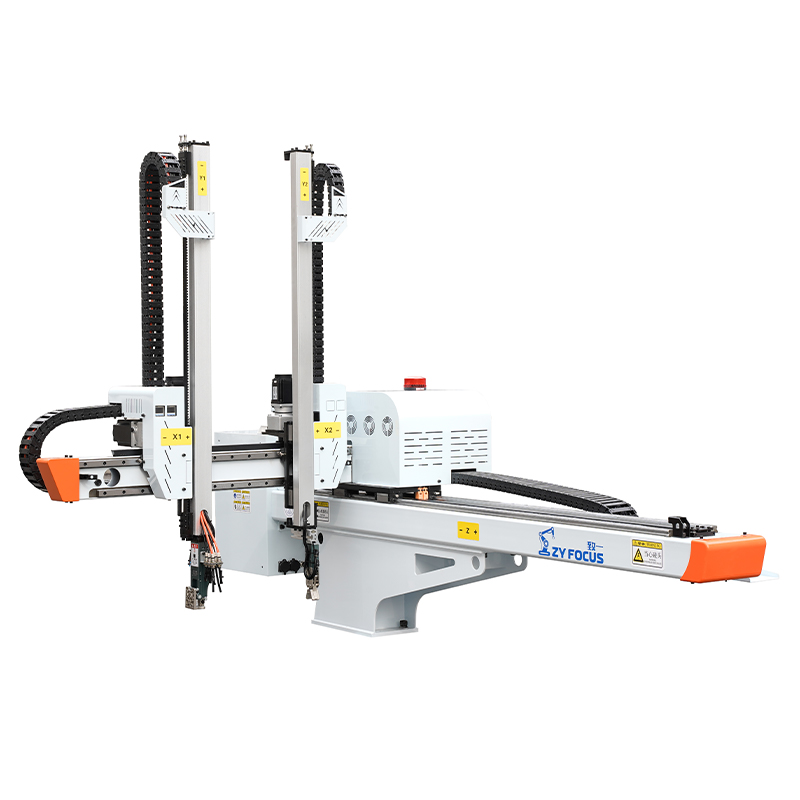
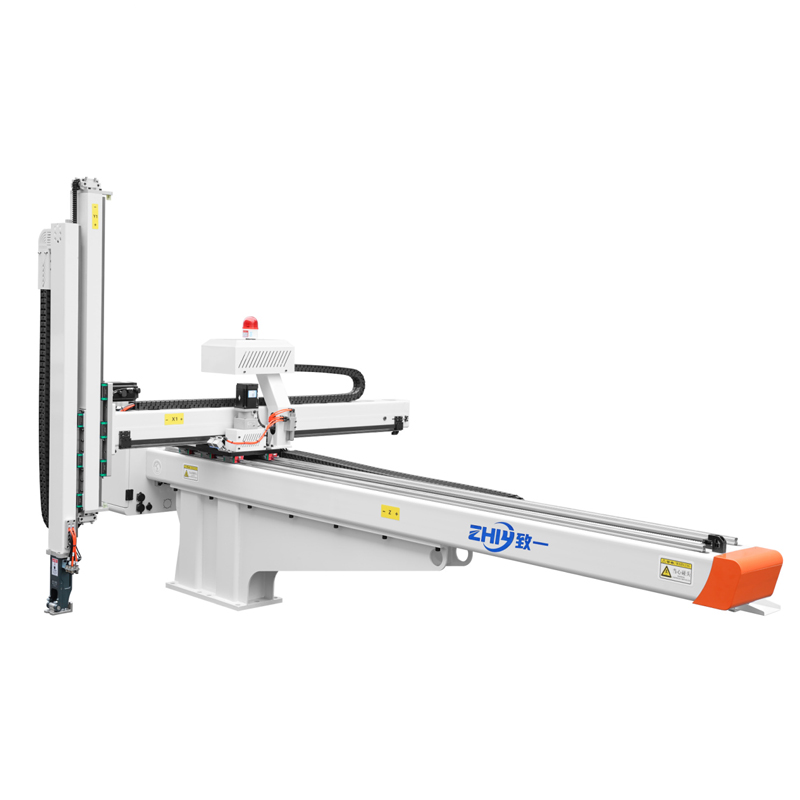
Servo Robot ROI and Maintenance Strategy: A Buying Guide for Injection Molding Plants
How to Build a Realistic Servo Robot ROI Model
Most injection molding plant owners still approve automation spend with a gut feeling instead of a number. That approach works until a 650-ton press sits idle for two shifts because nobody checked the servo robot ROI against the actual cycle mix. A defensible model starts with one variable most buyers ignore: the true loaded cost of the operator who currently tends the machine, including benefits, training time, and turnover. In a 24-hour plant running three shifts, that figure is rarely below USD 28,000 per year per station, and in Western Europe or North America it is frequently double that. The robot does not need to replace the person entirely on day one; it needs to remove the manual take-out, degate, and stacking task that breaks concentration and produces inconsistent parts.
Build the model in five lines. Line one is labor saved. Line two is scrap reduction from consistent removal timing. Line three is downtime avoided through faster, repeatable cycles. Line four is the maintenance and energy cost the robot adds. Line five is the purchase, freight, and integration price. Net the five and divide by annual benefit to get payback years. A preventive maintenance injection molding plan should already be in line four before you sign, not discovered after the warranty expires.
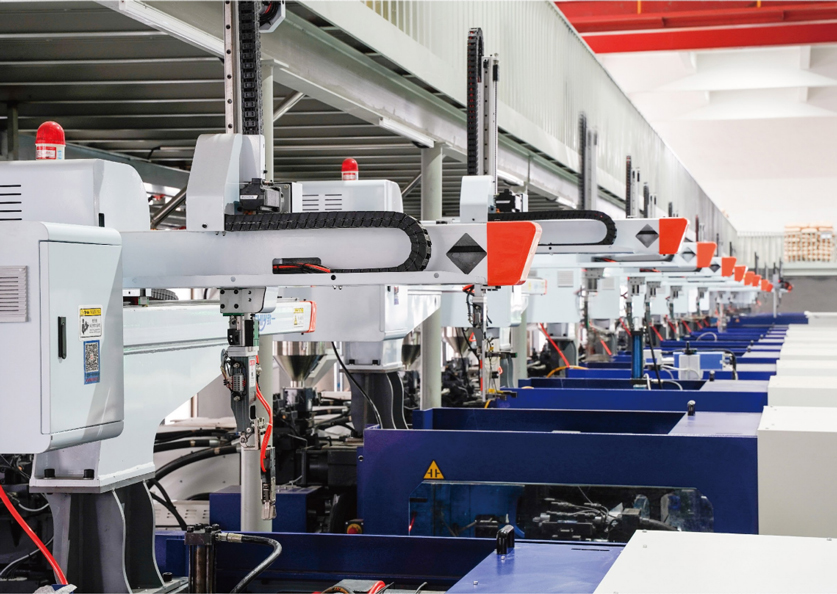
Payback Period by Machine Tonnage and Running Hours
The same robot pays back very differently depending on how hard the press runs. A 120-ton machine making thin-wall packaging on a 24/7 schedule with one operator per two machines often clears its cost in eleven to sixteen months. A 2,000-ton machine running automotive parts on a single day shift may need twenty-eight to thirty-six months because the labor offset is smaller and the part value hides the waste. The crossover point is running hours, not tonnage. Plants below 4,000 operating hours per year should treat the robot as a quality investment first and a labor saver second.
Use a simple rule when comparing quotes. Take the delivered price of the servo robot retrofit cell and divide it by your confirmed annual savings. If the result is under eighteen months, the project is financeable through operating cash. Between eighteen and thirty months, it needs a capital justification tied to a specific scrap or labor problem. Above thirty months on a single shift, wait until volume grows or buy refurbished.
Three Sources of Return: Labor, Scrap, and Downtime
Labor is the visible return, but it is rarely the largest. Consistent take-out timing is what protects the mold. A manual operator who is tired on the third shift removes the part a half second late, the gate hangs, and the next shot flashes. Over a month that is thousands of sub-spec parts and a polishing session on a hardened steel cavity that costs more than the robot's annual service contract. The second hidden return is downtime. A servo arm finds the part the same way on shot 10,000 as on shot 1, so the machine stays in its process window instead of drifting while someone troubleshoots a jam by hand.
The third return is capacity. When the robot handles take-out, degating, and stacking, the same press produces more good parts per hour with no mold change. For a custom molder quoting against a competitor with manual cells, that extra two to four percent throughput is the difference between winning the program and being the backup supplier.
Critical Wear Components and Their Replacement Cost
A servo robot is a precision assembly, and a small failure stops the whole cell. The components that fail first are predictable. Servo motors and their drive cables suffer from continuous flexing; a worn encoder cable causes position drift that the controller flags as a fault. Reduction gearboxes lose backlash after years of high-cycle pick-and-place, and the symptom is a part that lands a millimeter off and jams the conveyor. Pneumatic elements are the highest-frequency failure group: tube fittings crack, vacuum generators clog with dust and regrind, and suction cups harden and lose grip.
Grippers and end-of-arm tooling wear with every cycle and should be treated as consumables, not capital. The plant that stocks the right Robotic Arm spare parts fixes a stoppage in twenty minutes; the plant that waits for a freight shipment from the OEM loses a shift. Budget roughly six to nine percent of the robot's purchase price per year for wear parts once the machine is past its second year.
Preventive Maintenance Calendar for a Molding Cell
Maintenance only works if it is scheduled, not requested. Daily checks take under five minutes: listen for unusual servo whine, verify the vacuum level at pick, and confirm the safety door interlock releases cleanly. Weekly, inspect tube runs for rub points and check that the gripper fingers are not chipped. Monthly, re-torque the arm mounting and review the controller fault log for repeated minor errors that precede a major one.
Quarterly, lubricate the guide rails per the manufacturer interval and calibrate the home position against a fixture. Annually, have a technician measure gearbox backlash, test the brake, and verify the light curtain response time with a calibrated test piece. Plants that follow this injection Molding Robot maintenance routine report robot availability above 98 percent across a five-year horizon. Skipping the annual calibration is the single most common cause of a robot that slowly loses accuracy until an entire shift of parts is non-conforming.
Spare Parts Stocking: What to Keep On the Shelf
A stopped molding cell costs more per hour than almost any other equipment in the plant, so the spare parts decision is a financial one. Keep a minimum of two of every suction cup size in active use, one spare vacuum generator, one full set of pneumatic tube fittings, and three meters of the most-used tube diameter. For the electrical side, stock one encoder-equivalent servo cable and one set of fuses sized for the controller. The expensive items, like a full servo motor or a gearbox, do not belong on your shelf; they belong in a service agreement with a defined swap time.
Tag every spare with the robot serial and the install date when used, so the next order matches the actual wear rate. Plants that track robotic arm spare parts consumption this way cut emergency freight spend by more than half within a year, because they stop ordering the wrong variant under pressure.
New vs. Refurbished Servo Robots: A Decision Framework
Buying used is not a compromise when the application is stable. A refurbished three-axis servo robot from a reputable supplier, with new cables, re-greased gearbox, and a six-month warranty, often costs forty to fifty-five percent of new and pays back in months on a simple take-out job. The right use cases are stable part geometries, proven tooling, and a press that is itself past its own payback, where tying up capital in a new robot is poor accounting.
Avoid refurbished units when the process is new, when cycle time is already at the limit, or when you need integrated vision or complex double-arm handling. In those cases the hidden cost of an older controller's limited I/O and slower bus will erase the purchase saving within a year. The decision rule is simple: if the robot is doing the same job it did five years ago, buy refurbished; if it is enabling a new capability, buy new.
Retrofitting an Existing Press: Managing the Shutdown Window
The fear that stops most retrofit projects is the shutdown. A planned weekend conversion is almost always cheaper than the unplanned stoppages the manual cell is already costing you. The work splits into three phases. Phase one, done while the press runs, is bracket fabrication, cable tray routing, and controller panel build. Phase two is the physical mount and alignment during a scheduled maintenance window, typically Saturday. Phase three, Sunday, is the teach-in, safety validation, and first-article approval.
The mistake is starting fabrication on the shutdown day. A servo robot retrofit that is pre-built off-line installs in under ten hours; one built in place drags into a second shift and a missed Monday start. Coordinate with the molder's tooling schedule so the robot commissioning overlaps a planned mold change rather than a production run.
Safety Fencing, Light Curtains, and Interlock Compliance
A robot that moves faster than a person's reflex needs a boundary that a person cannot accidentally enter. Perimeter fencing with a monitored gate interlock is the baseline; a light curtain across the load side catches the case where someone reaches in during a fault recovery. The controller must drop power to the servos the instant the interlock opens, and that function must be tested on the maintenance calendar, not assumed.
For plants exporting to or operating in regulated markets, the cell must meet the applicable CE machinery directive requirements in Europe or the relevant ANSI and risk-assessment practice in North America. Documentation matters as much as hardware: keep the risk assessment, the validation record, and the interlock test log with the machine file. An auditor who cannot find the safety validation will stop the line regardless of how well the robot runs.
FAQ
How long does a servo robot actually last in a molding plant?
With a proper preventive plan, a well-specified servo robot runs seven to ten years before a major component reaches end of life. The servo motors and gearboxes are the long-life items; the consumables are grippers, suction cups, and pneumatic elements that you should replace on a schedule regardless of apparent condition.
What is the minimum spare parts list for one robot?
Two sets of each suction cup in use, one vacuum generator, a full fitting kit, three meters of tube, one encoder servo cable, and the correct fuse set. This covers the failures that cause ninety percent of stoppages and fits in a single small bin.
Is refurbished safe for food-grade or medical molding?
Yes, provided the refurbisher replaces all wear seals, certifies the gearbox, and the application does not require features the older controller lacks. For cleanroom or silicone work, verify the gripper materials and the vacuum path are rated for the contact class you need.
How do I justify a robot on a single-shift press?
Lead with scrap and quality, not labor. A single shift rarely saves enough hours to hit an eighteen-month payback, but consistent removal timing and reduced flash and short shots often exceed the labor saving when you price the rework and the mold maintenance it prevents.
Who should perform the annual calibration?
A technician trained on the specific controller, either your maintenance lead after factory training or a regional service partner. The key is that the same procedure runs every year and the result is recorded against the serial number, so drift is caught early.
Can a robot be moved to a different press later?
Most three-axis top-entry models are bracket-specific to a platen size but controller-portable. Keep the original brackets and the configuration file, and a later move is a one-day job. Double-arm and five-axis cells are less portable and should be specified for the press they will stay on.
What slows down a retrofit the most?
Starting fabrication during the shutdown window and underestimating cable tray routing. Both are solved by building the non-serialized parts off-line and walking the cable path before the press stops.
Related Pages
- 3-Axis Servo Robots for Food-Grade Silicone Molding: A Practical Specification Guide for Buyers
- 3-Axis Silicone Servo Robot for Kitchenware Manufacturing
- Five-Axis Servo Double Arm for Industrial Equipment Housings
- Automotive Parts Molding with 3-Axis Servo Robotic Arm
Tip: Approve the robot purchase only after the supplier confirms the annual wear-parts cost in writing, because that number decides whether your eighteen-month payback survives year three. Ready to source a servo robot with a documented maintenance plan and spare parts list for your molding cell?