
Leave Your Message
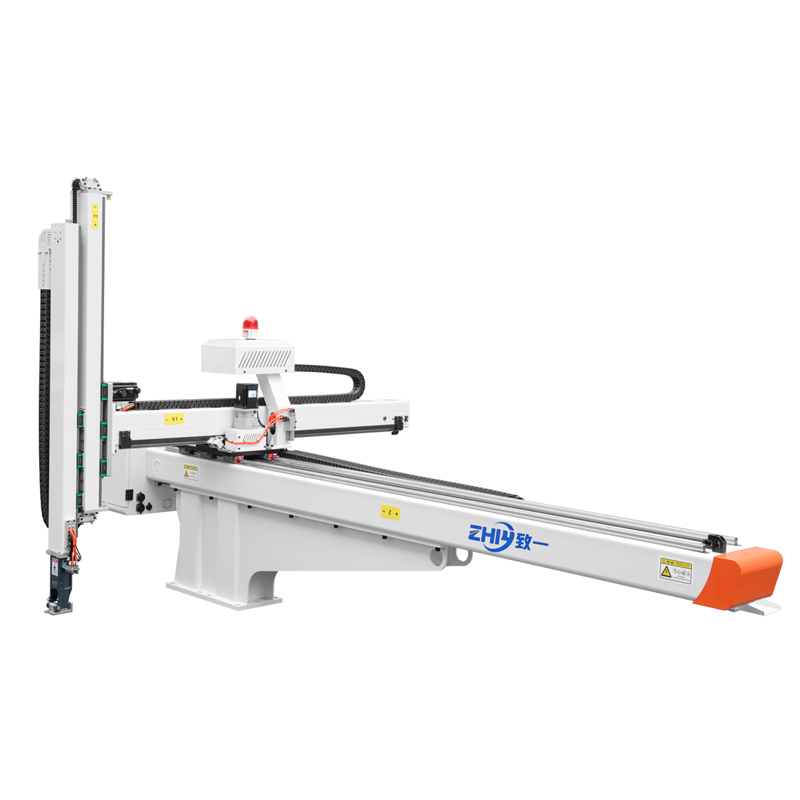
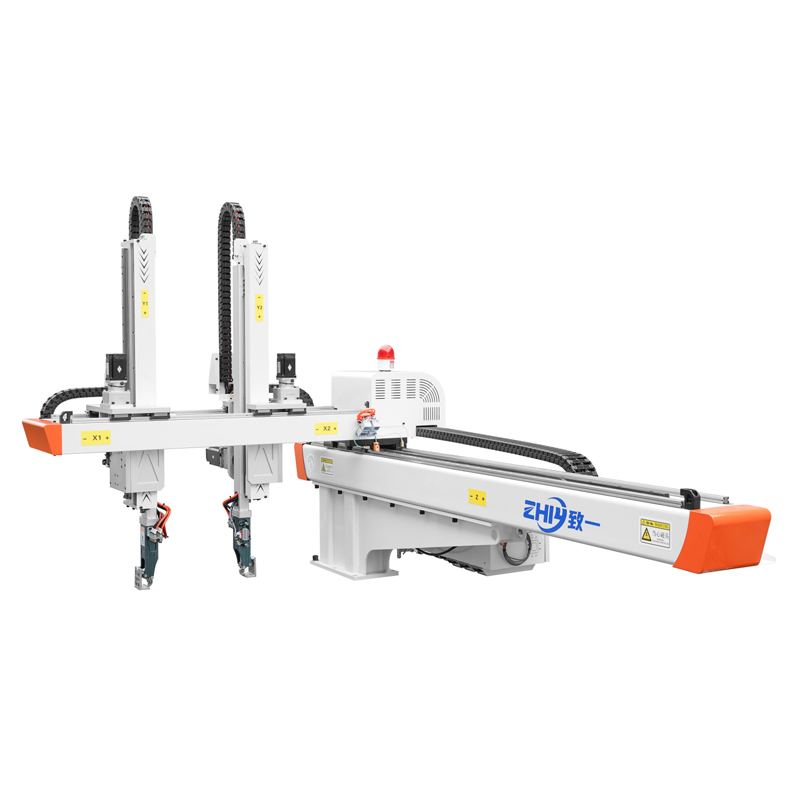
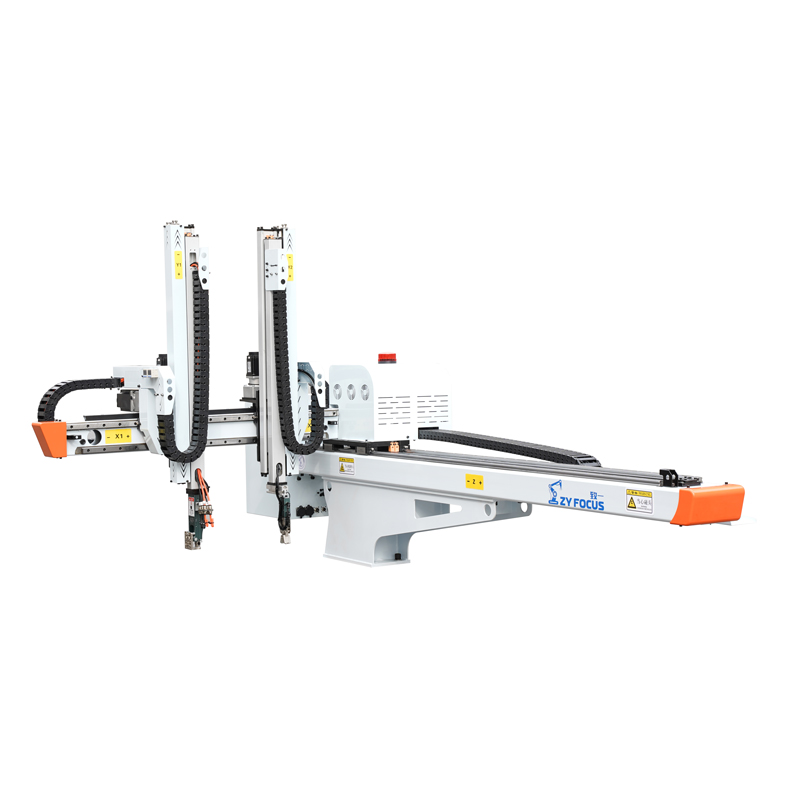
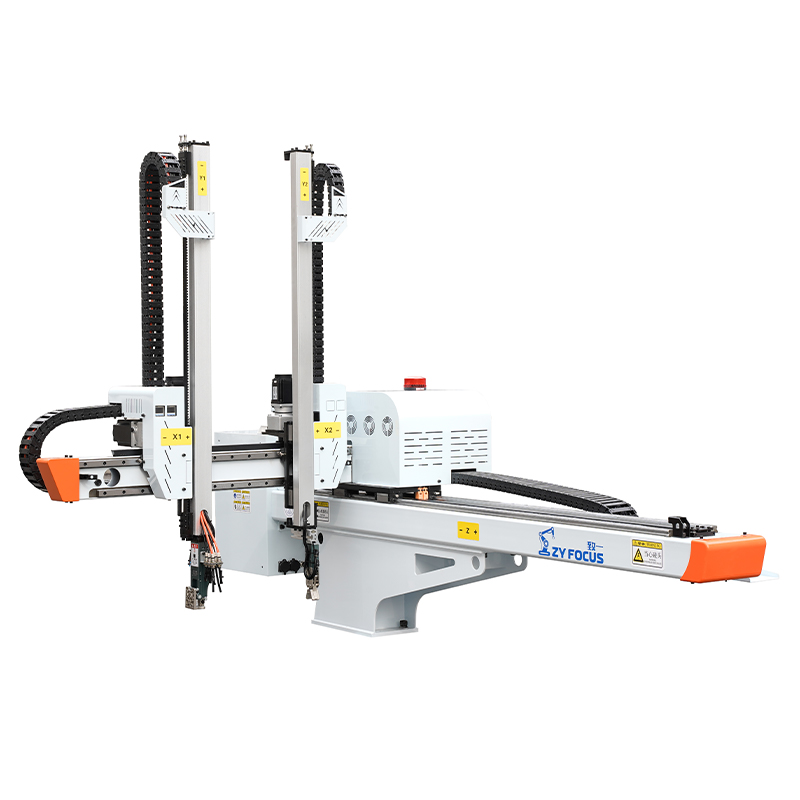
Servo Robot Programming, Operator Training and Technical Documentation: A B2B Buyer's Guide for Injection Molding Plants
Programming Skill and Maintenance Skill Are Two Separate Trees
Most plant managers assume that an operator who can run a servo robot on the floor also understands how to edit its motion program. That assumption breaks down the first time a mold change forces a re-teach of pick-and-place coordinates. Programming is a logical, abstract skill: the person reads cycle timing, understands coordinate frames, and rewrites trajectory points. Maintenance is a physical, diagnostic skill: the person reads encoder drift, checks belt tension, and isolates why an axis faulted mid-cycle. A good cell lead needs both, but hiring and training for them as one competency hides the gap until it costs you scrap.
When you scope A Robot purchase, ask the supplier to separate these two tracks in the proposal. The cost of a three-day HMI class is different from the cost of a fourteen-day programmable-logic and servo-tuning course, and mixing them produces operators who can start a cycle but cannot recover one.
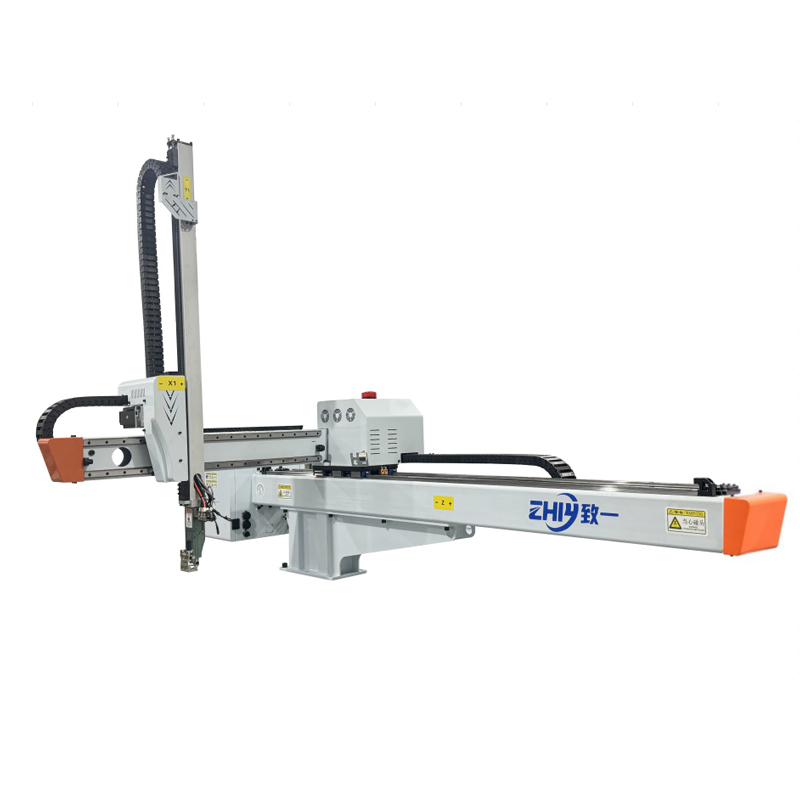
Teach Pendant Programming: From Basics to Advanced
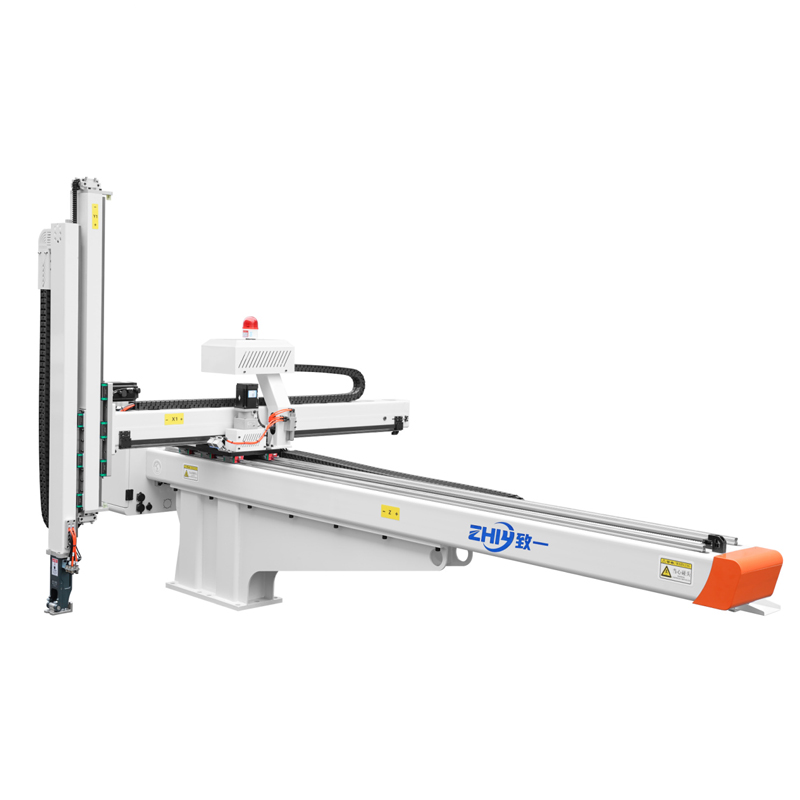
The teach pendant programming workflow starts with jogging the arm to defined waypoints and saving them into a sequence. On a 3-axis take-out robot this is usually a straight horizontal-stroke path with a vertical drop and a release at the conveyor. The operator stores points P1 through P5, assigns gripper open/close signals, and sets the delay before the next mold-open signal. This is the floor of competence and it is teachable in under a day.
Advanced programming adds condition branching: if the part sensor does not confirm at P3, the robot retries once, then raises a soft alarm instead of binding the tool. It adds synchronization with the injection machine via Euromap 67 or a fieldbus, and it adds subroutines for dual-cavity asymmetrical parts. At this level the operator is effectively writing logic, and that is where most plants underestimate the training burden.
Control Systems: Japanese, European, and Domestic Stacks
The control architecture dictates how your team learns. Yaskawa and Mitsubishi controllers use menu structures and ladder conventions familiar to many Asian molders. KUKA and ABB bring European safety and motion paradigms, with structured text and robust offline simulation. Domestic stacks from Zhiyi and Inovance now ship pendant interfaces in both Chinese and English with trajectory wizards that shorten the learning curve for first-time automation buyers.
The practical point for a buyer: pick a controller your local labor pool can already service, or budget for the vendor to build that skill on-site. A cheap arm on an unfamiliar controller is more expensive than a mid-priced arm your team can already program.
Three Tiers of Operator Training
Tier one is HMI operation: start, stop, change recipe by loading a saved program, and perform the daily lube check. Tier two is program editing: re-teach points after a mold change, adjust stroke and speed, and modify gripper timing. Tier three is fault diagnosis: read alarm codes, trace the fault tree, and decide whether the issue is pneumatic, electrical, or mechanical before calling service.
A plant running three shifts needs at least two tier-three people per line. Otherwise every midnight fault becomes a daytime service call, and your OEE automation drops because no one on nights can clear a recoverable stop.
Training Delivery: On-Site, Video, and Remote
On-site training remains the only format that teaches the physical cell, the actual mold, and the real signal wiring. Video courses scale the HMI tier across a workforce but fail at tier three because diagnosis is contextual. Remote assistance, where a vendor engineer drives the pendant over a secure link, fills the gap between a scheduled class and an emergency, and it should be written into the support contract rather than billed ad hoc.
Training Duration by Competency Level
Plan the calendar realistically. Basic HMI operation takes about three days for a motivated machine operator with no Robot Background. Intermediate program editing takes roughly seven days, including two live mold changes under supervision. Expert-level fault diagnosis and servo tuning takes about fourteen days spread across a commissioning period so the learner sees real failure modes, not just classroom faults.
Compress these at your peril. A plant that crams fourteen days into five produces operators who pass a checklist but freeze on a genuine encoder fault at 2 a.m.
Technical Documentation You Must Receive at Handover
The single biggest cause of slow recovery after a fault is missing paper. At handover you should receive the operation manual, the preventive maintenance manual, the electrical schematic with terminal numbers, and the alarm code table mapping every fault number to a cause and a first action. Without the schematic, even a competent electrician wastes an hour tracing a wire that the manual should have shown in five seconds.
Require the documents in both print and searchable PDF, and require the alarm table to be specific to your firmware version. A generic table from a different controller revision misleads more than it helps.
Alarm Codes and the Fault Tree (FMEA)
Build a one-page fault tree for the ten most common stops: air pressure low, encoder battery, grip vacuum loss, stroke timeout, and emergency-stop reset among them. Pair it with an FMEA that ranks each failure by likelihood and downstream impact. The goal is not engineering perfection; it is that a night-shift operator reaches the right first action in under two minutes. Robot documentation that lives only inside a departed engineer's laptop is a liability, not an asset.
Spare Parts Manual: Consumables, Lifecycle, and Order Numbers
Demand a spare parts manual listing every consumable with its predicted lifecycle and the exact order number. Belts, gripper seals, vacuum cups, and encoder batteries should each carry a recommended change interval measured in cycles, not vague months. When a belt is quoted by description alone, procurement buys the wrong pitch and the line stays down waiting for a return. A precise order number turns a two-day outage into a same-day fix.
Safety Standards and What They Require of Operators
CE marking, ANSI/RIA R15.06, and ISO 10218 all place duties on the people who work around the robot, not just the machine builder. Operators must understand the protective stop function, the restricted envelope, and the difference between a pause and a safe state. Supervisors must enforce that no one enters the envelope while power is present. These are not suggestions; they are the legal floor for running the cell, and your insurer will ask for evidence of training if an incident occurs.
Lockout Tagout (LOTO) Discipline
Before any teach, belt change, or end-of-arm tooling swap, the cell must be isolated at the disconnect and the lock applied by the person doing the work. A common failure is the "quick re-teach" where someone jogs the arm with the guard open and the gate interlock bridged. That behavior, once it spreads on a shift, is how fingers get crushed. Write LOTO into the work instruction for every task that breaks the envelope, and audit it monthly.
Operator Certification: Internal vs Third-Party
Internal certification confirms a person can run your specific cell and your specific molds. Third-party certification, where available through regional training bodies, adds portable proof that the person understands the standard safety and programming concepts. For most molders, a layered model works: everyone holds internal tier-one certification, and at least the cell leads pursue an external credential so your skill base is not hostage to one employer.
Training Budget and the Supplier SOW
Budget the training as a line item, not a freebie buried in the quote. Across the industry, a realistic training investment runs from USD 5,000 to 15,000 per robot when you include on-site classes, materials, and follow-up remote sessions. When you sign the statement of work with the equipment supplier, nail down the number of seats, the tier covered, the language of instruction, the deliverable documents, and the re-training clause if you add a second shift six months later. Vague training language is where the real cost hides.
Tip: Insist that the training SOW names a maximum trainee-to-instructor ratio and a post-training sign-off test, because a class with no measured pass criterion is a vendor photo opportunity, not workforce capability.
FAQ
How long does it take to train a beginner operator on a 3-axis servo robot?
Expect three days for safe HMI operation and about seven days before the same person can re-teach points after a mold change without supervision. Full fault diagnosis competency needs the fourteen-day expert path.
Can teach pendant programming be learned from video courses alone?
Video works for the HMI tier and for reviewing program structure, but physical jogging, signal wiring, and diagnosis need hands-on time on the real cell. Treat video as reinforcement, not replacement.
Which controller family is easiest for a first-time automation plant?
Domestic stacks from Zhiyi and Inovance now offer bilingual pendants with trajectory wizards that lower the barrier, while Japanese controllers suit shops already familiar with that convention. Match the controller to the labor you can hire locally.
What documents must the supplier hand over at commissioning?
Operation manual, preventive maintenance manual, electrical schematic with terminal numbers, alarm code table for your firmware, and a spare parts manual with order numbers and cycle-based change intervals.
Is third-party operator certification necessary?
Not for every role, but cell leads should hold an external credential so your automation skill is not dependent on a single employer's internal program. Everyone else can run on internal certification.
How much should we budget for robot training per machine?
A realistic range is USD 5,000 to 15,000 per robot including on-site classes, materials, and remote follow-up, depending on tiers covered and number of shifts trained.
Does ISO 10218 apply to the operator or just the robot builder?
It applies to both. The builder must design to the standard, but operators and supervisors must follow its safe-stop, envelope, and LOTO requirements during daily work, and insurers expect proof of that training.
Related Pages
- 3-Axis Servo Robots for Food-Grade Silicone Molding
- 3-Axis Silicone Servo Robot for Kitchenware Manufacturing
- Five-Axis Servo Double Arm for Industrial Equipment Housings
- Automotive Parts Molding with 3-Axis Servo Robotic Arm
Ready to source a servo robot with a documented training program and full handover package for your molding cell?