
Leave Your Message
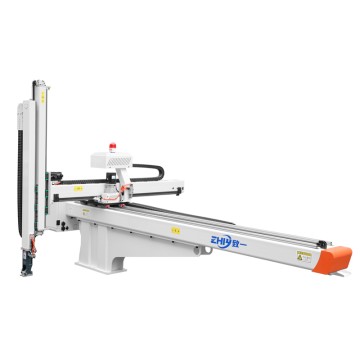
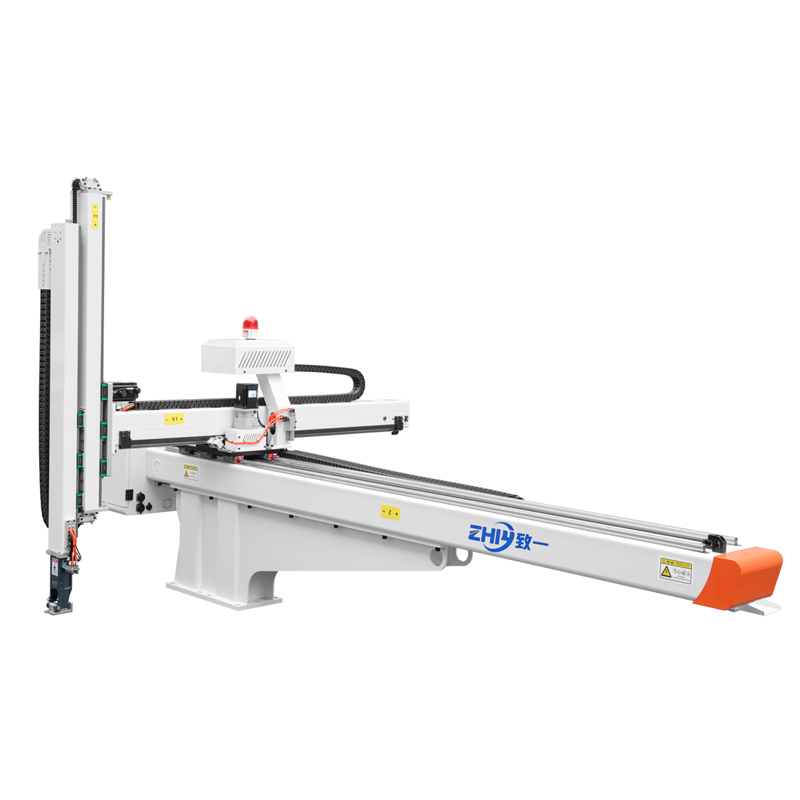
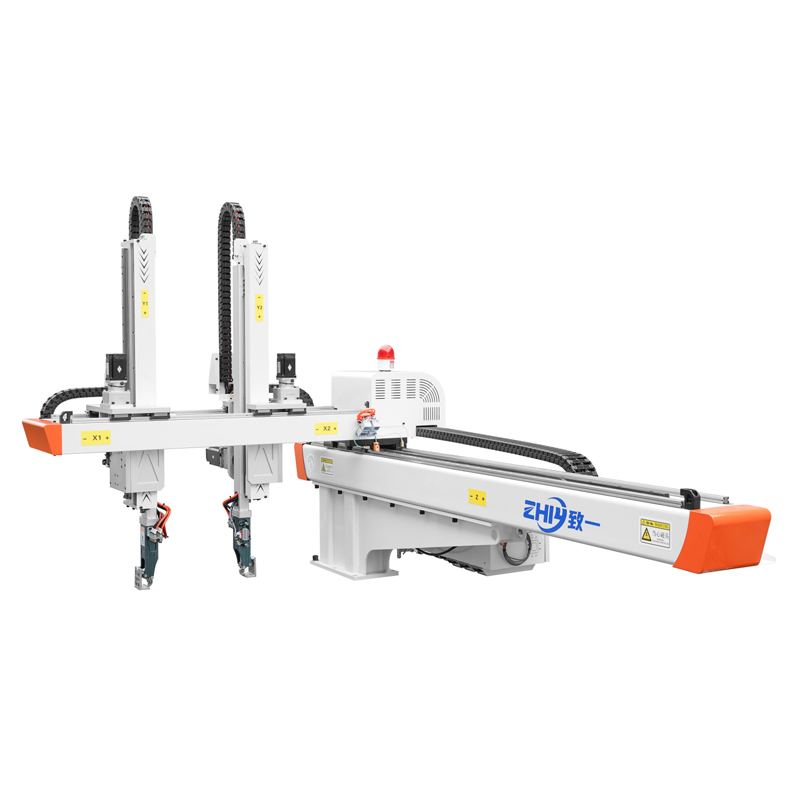
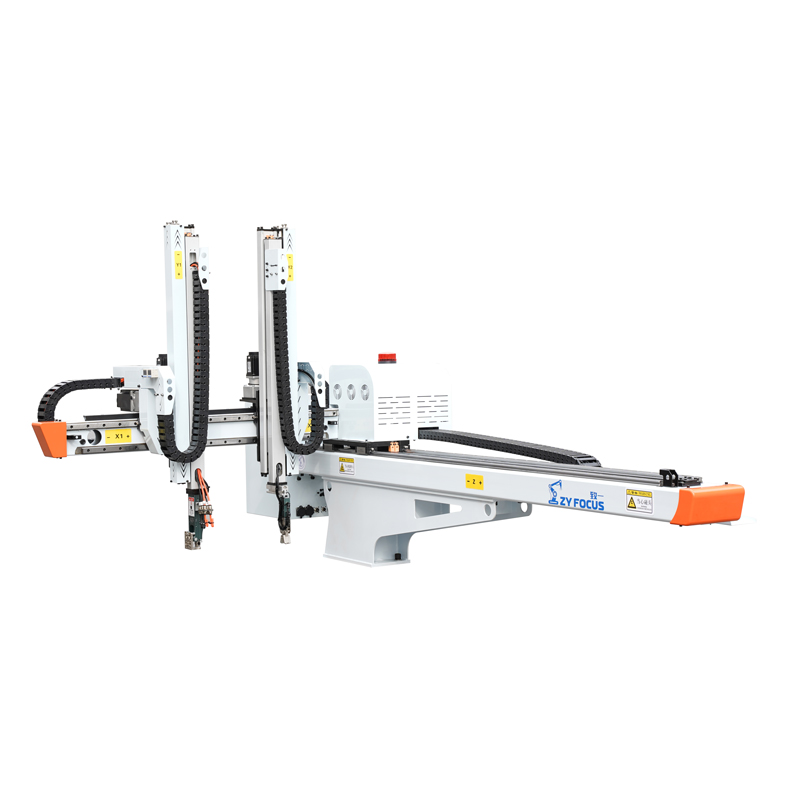
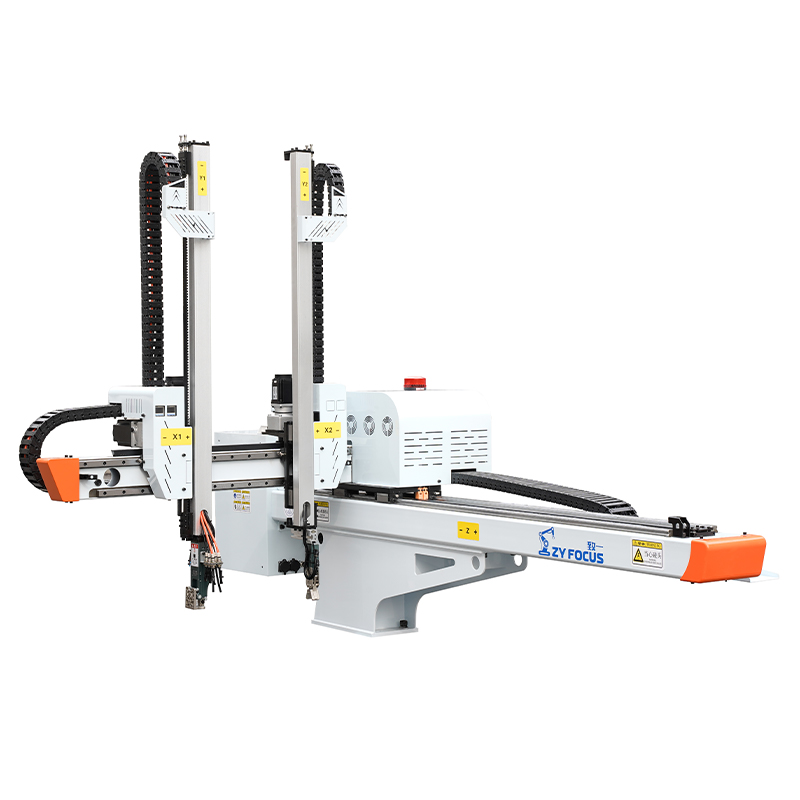
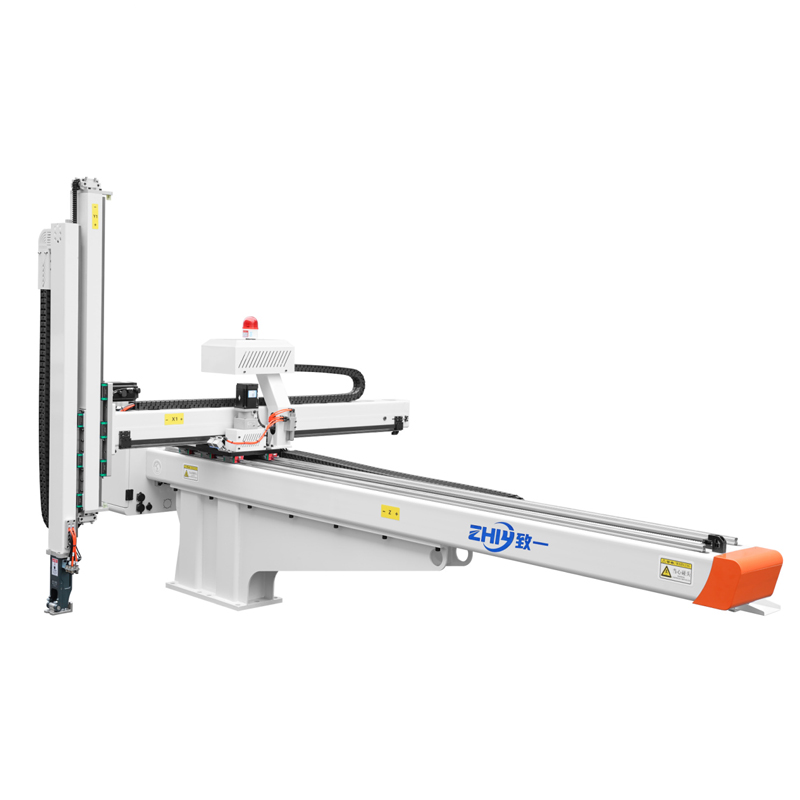
Servo Robot Installation and Retrofit Guide for Injection Molding Factories
Why Retrofitting Servo Robots Is the Fastest Path to IMM Automation
For most injection molding factory owners, the question is no longer whether to automate, but how to do it without replacing the entire machine. A new Injection Molding Machine is a major capital outlay, while aservo robot retrofit is a fraction of the cost and can be installed in days, not weeks. A well-specified servo robot takes over the part-pick, sprue-cut and placement steps, frees the operator from the heat zone and runs a 24-hour shift with consistent cycle time. The capital payback is often under 12 to 18 months for a 200 to 500 ton press, and shorter for higher-tonnage machines. This guide explains how to scope a retrofit, what to ask the supplier, and how to avoid the integration mistakes that cause downtime.
Payload, Stroke and Traverse: The Three Specs That Decide Fit
The first spec to lock in is payload, which is the combined weight of the part, the sprue, the gripper and the end-of-arm tooling. Under-spec the payload and the servo will fault under load; over-spec the payload and you will pay for capacity you never use. The second spec is stroke, the vertical and horizontal travel needed to enter the mold, pick the part and exit cleanly. Measure the mold dimensions and the press daylight before you order, because A Robot that cannot reach the part will sit idle. The third spec istraverse type: a single-axis beam, a three-axis gantry or a full six-axis articulated arm. Each fits a different press size and part geometry, and the wrong choice will cost you cycle time or floor space.
Controller Integration: Euromap 67, 73 and the Modern IMM
The Robot Must talk to the injection molding machine, and the protocol decides how cleanly that conversation happens.Euromap 67 is the older standard for IMM-to-robot communication and is still common on Chinese presses. Euromap 73 is the modern Ethernet-based protocol that supports more data and faster cycle times. Confirm which protocol your press supports before you order the robot, and ask the supplier for a written integration plan. A robot that does not integrate cleanly will trigger false alarms, drop parts and erode the operator's trust. Always test the handshake in the factory with your own press and your own mold, not a generic demo cell.
End-of-Arm Tooling: Grippers, Vacuum and Sprue Cutters
The end-of-arm tooling is what actually does the work, and it is the most customized part of a retrofit. Mechanical grippers suit rigid plastic parts with a clear gripping surface. Vacuum cups suit flat, smooth parts and run quietly. Sprue cutters trim the gate at the press, eliminating a secondary operation. Most retrofits combine two of these in a single tool, which adds cost but saves cycle time. Always ask the supplier to provide a CAD drawing of the end-of-arm tool for your specific part, and review it with your molding engineer before production.
Safety Standards and What a Compliant Cell Looks Like
A robot cell is a moving machine next to a heated press, so safety is not optional. In Europe, the cell must meet EN ISO 10218 for industrial robot safety and ANSI/RIA R15.06 in the US. The cell needs a safety-rated enclosure or a light curtain, an emergency stop within reach, and a lockable main disconnect. A risk assessment is mandatory in the EU under the Machinery Directive. A reputable robot supplier will provide a risk assessment template and a checklist. If the supplier does not, find another supplier; a cell that is not CE-marked cannot be sold into a European molding shop.
Cycle Time and ROI Calculation
The whole point of a retrofit is faster cycle time and lower labor cost. To build the ROI model, start with the current cycle time and the planned cycle time after the robot is installed. A typical 5 to 15 second reduction in cycle time is realistic for a part-pick step. Multiply the cycle-time savings by the number of cycles per shift and the gross margin per part to get the annual savings. Add the labor cost saved from removing the operator from the heat zone. Subtract the robot cost, the installation cost and the maintenance reserve. A well-run retrofit pays back in 12 to 18 months and earns a 50 to 100 percent annual return on the capital after that.
Installation Timeline and Production Disruption
A retrofit is faster than a new machine, but it is not instant. Plan for 3 to 5 days of installation, plus 1 to 2 days of trial and training. The press will be down for that period, so schedule the retrofit during a planned maintenance window or a low-demand week. Ask the supplier for an installation checklist and a pre-installation survey of your press. A good supplier will visit the site, measure the press, confirm the controller and the end-of-arm tooling, and arrive with everything in one shipment. Suppliers who skip the survey usually arrive missing parts and the project drags for weeks.
Operator Training and After-Sales Support
The robot is only as good as the operator who runs it. A two-day training program on the teach pendant, the recipe library and the basic fault-finding is the minimum. Ask the supplier to leave a written manual in the local language and a quick-reference card on the press. After installation, the supplier should provide remote support over a VPN or a 4G link, with a guaranteed response time of a few hours. Spare parts — vacuum cups, sensors, gripper fingers and servo drives — should be stocked locally or shipped within 48 hours. A robot that sits idle waiting for a part is more expensive than one that was never installed.
Common Mistakes in a Retrofit
The most common mistake is under-specifying the payload. The part weight, the sprue weight and the gripper weight must all be in the calculation, with a safety margin of 30 to 50 percent. A second mistake is ignoring the controller protocol; a robot that does not speak Euromap 67 or 73 will trigger false alarms and waste shift time. The third mistake is skipping the safety cell; a robot without a light curtain or an enclosure is a liability that will fail an audit and may injure an operator. Avoid these three mistakes and the retrofit will pay back as planned.
Tip: Ask the supplier for a video of a working cell running your part on a press similar to yours. A real cycle-time video is far more useful than a brochure spec sheet, and a supplier who cannot produce one is not the right partner for a retrofit.
Frequently Asked Questions
What is the typical ROI for a servo robot retrofit?
Most retrofits on 200 to 500 ton presses pay back in 12 to 18 months through cycle-time savings and labor cost reduction. Higher-tonnage presses and high-margin parts can pay back even faster.
Do I need a specific injection molding machine brand?
No. Most servo robots integrate with any IMM that supports Euromap 67 or Euromap 73. Older Chinese presses may need a protocol adapter, which the robot supplier can provide. Always confirm the protocol before placing the order.
How long does installation take?
Plan 3 to 5 days for installation plus 1 to 2 days for trial and training. Schedule the retrofit during a planned maintenance window to minimize disruption. A pre-installation survey by the supplier shortens the on-site time.
What safety standards apply?
In Europe the cell must meet EN ISO 10218 and carry a CE mark under the Machinery Directive. In the US the cell must meet ANSI/RIA R15.06. A risk assessment and a light-curtain or enclosure are mandatory.
Can the robot handle inserts and overmolding?
Yes, with a three-axis traverse and a rotating end-of-arm tool, the robot can place metal inserts, run a two-shot mold or pick a sub-component. Discuss the part geometry with the supplier so the tool design supports insert loading.
What spare parts should I keep on hand?
Stock vacuum cups, gripper fingers, proximity sensors, vacuum filters and one servo drive per 10 robots. These cover the most common failures and keep the cell running while a replacement is shipped.
How do I extend the robot to a downstream operation?
Add a conveyor, a degating station or a vision inspection cell downstream. Most robot controllers can synchronize with a conveyor indexer and a reject station, which is the next step in a full automation upgrade.
Does the robot need its own compressed air supply?
Most grippers and vacuum systems need 5 to 6 bar of clean, dry air. Confirm the air supply on site before installation, and add a filter and a regulator if the line is not stable. A fluctuating air supply will cause vacuum faults and lost cycles.
What training does the operator need?
A two-day course on the teach pendant, recipe creation and basic fault-finding is the minimum. Ask the supplier to leave a written manual in the local language and a quick-reference card on the press. Refresher training every six months keeps the team sharp.
How do I know if my press can be retrofitted?
Most presses built in the last 20 years can be retrofitted if they have a controller with Euromap 67 or 73 support and a standard fixed platen. The robot supplier will run a pre-installation survey to confirm the press dimensions, the controller version and the end-of-arm-tooling requirements.
Related Pages
- 3-Axis Servo Robots for Food-Grade Silicone Molding
- 3-Axis Silicone Servo Robot for Kitchenware Manufacturing
- Five-Axis Servo Double Arm for Industrial Equipment Housings
- Automotive Parts Molding with 3-Axis Servo Robotic Arm
Ready to retrofit your injection molding cell with a servo robot?