
Leave Your Message
Servo Robot End-of-Arm Tooling (EOAT) Selection: A Buying Guide for Injection Molding Plants
What Is EOAT on an Injection Molding Robot?
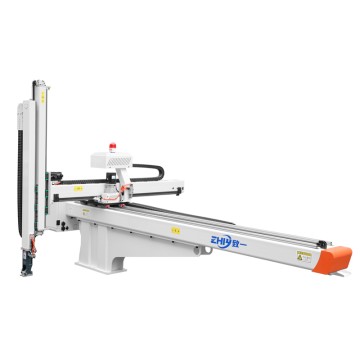
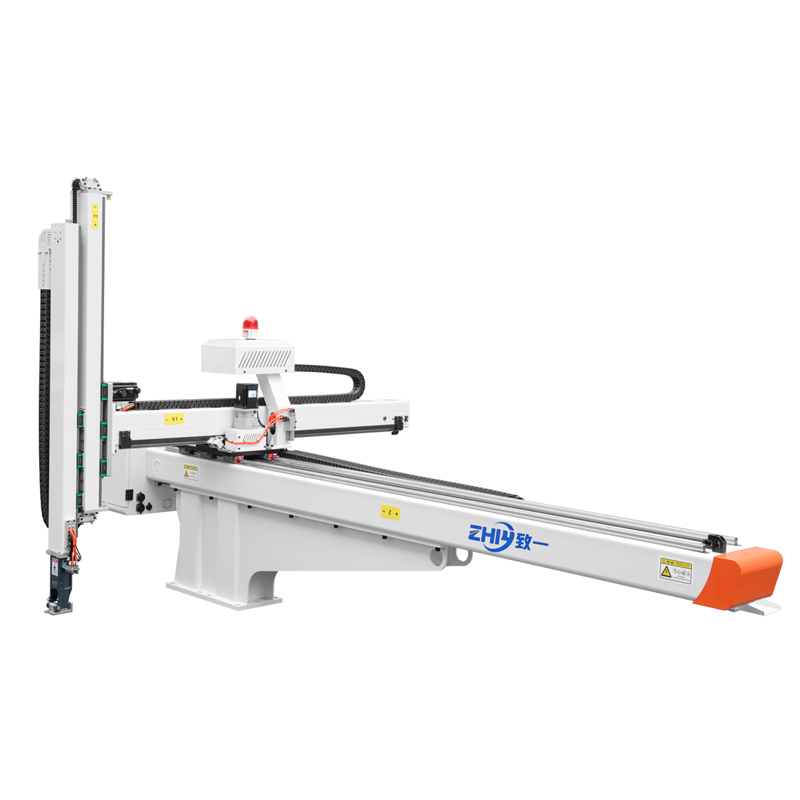
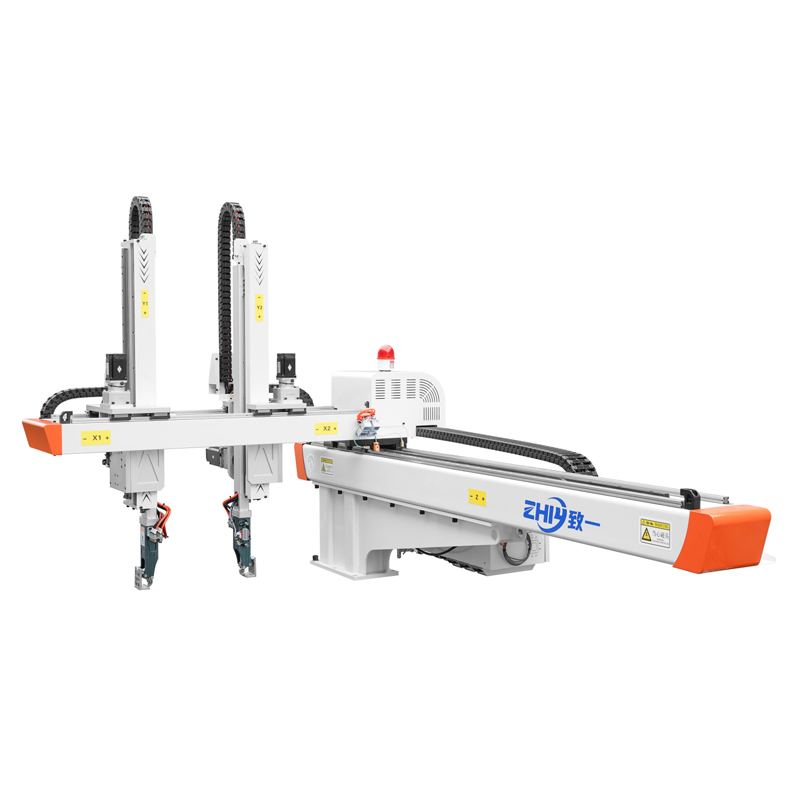
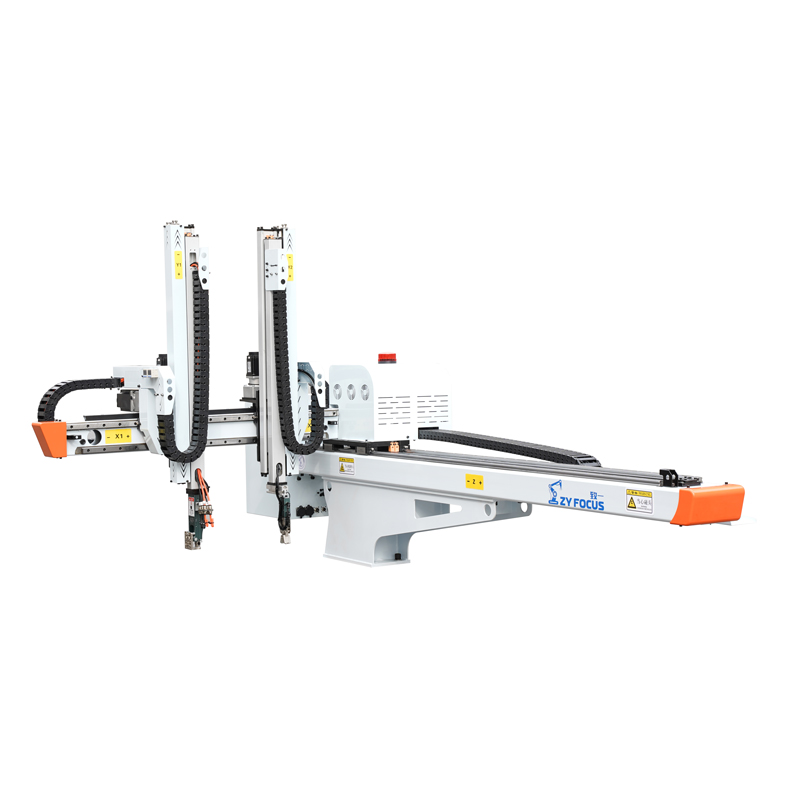
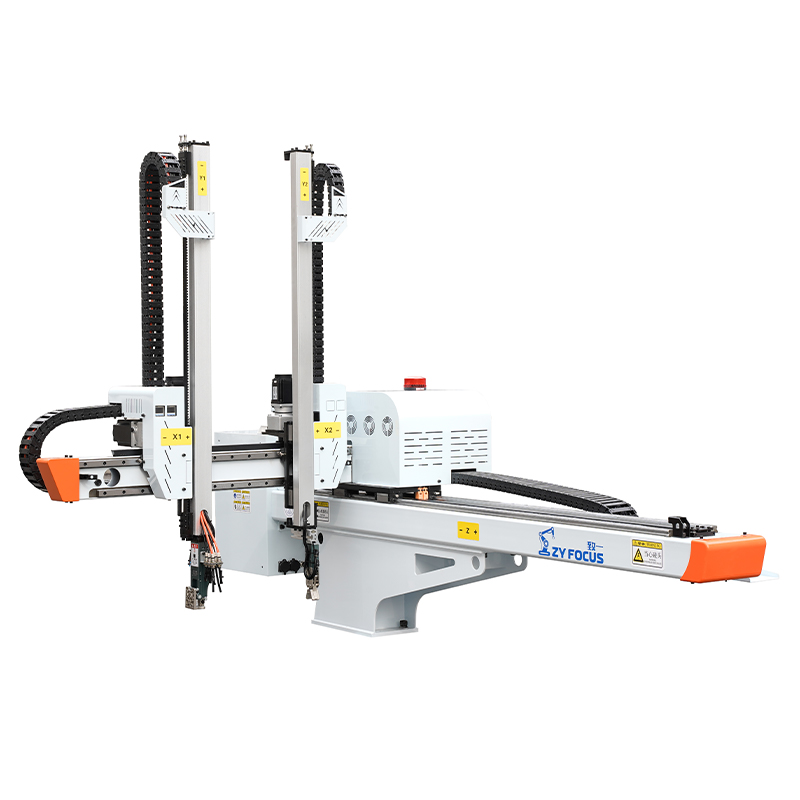
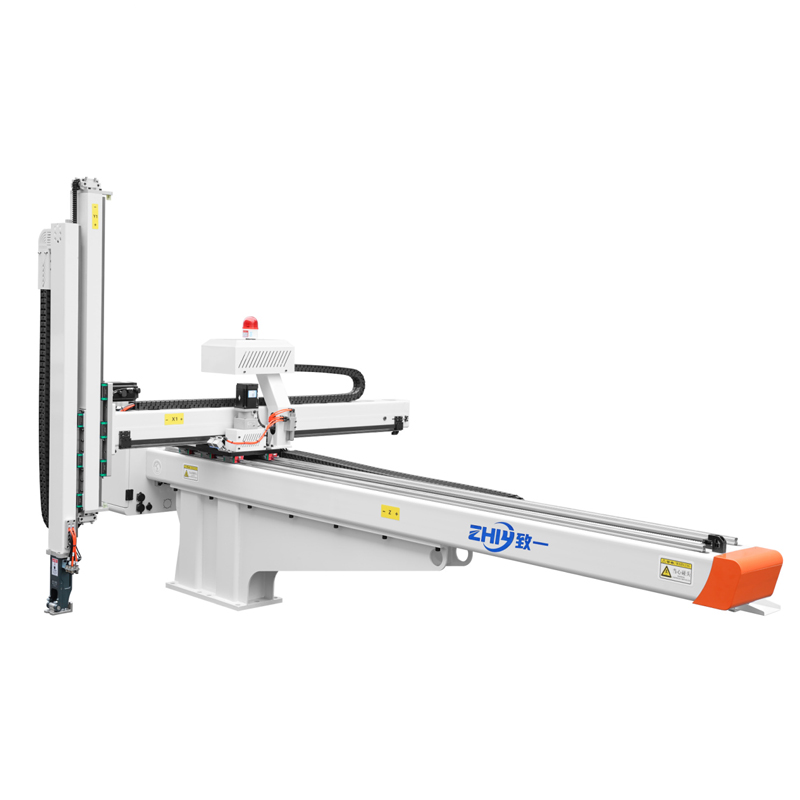
End-of-arm tooling, or EOAT injection molding, is the physical interface between a servo robot and the molded part. It is the only part of the cell that actually touches the product, the runner, and the sprue. A 3-axis servo robotcan run a perfect pick-and-place cycle, but if the tooling at the end of the arm cannot hold the part securely, strip the gate cleanly, or survive 2 million cycles, the whole automation project stalls on the floor. Plant owners and automation contractors often budget for the Robot Arm and forget that the grippers, suction cups, and cutters are where most downtime starts. EOAT is not a commodity add-on. It is a load-bearing component of the production line.
Gripping Methods: Which One Fits Your Part?
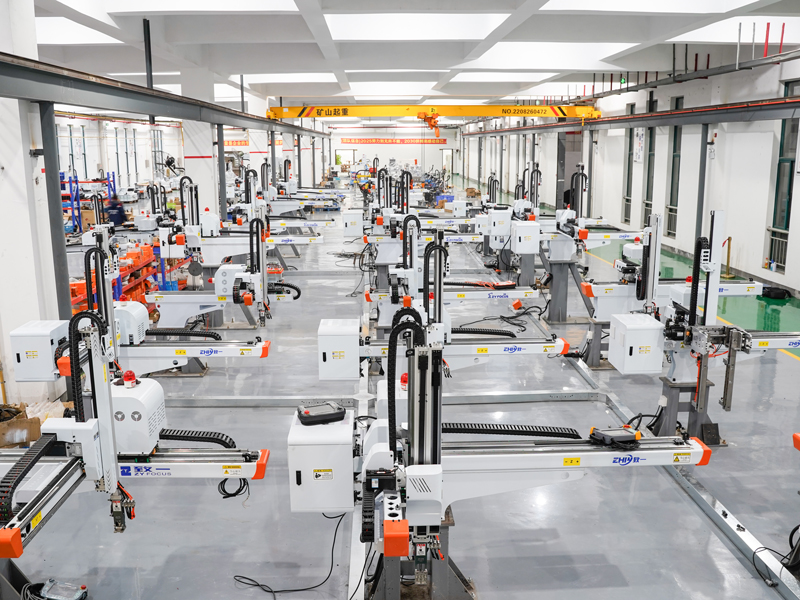
There are four main ways A Robot takes a part out of a mold. Mechanical grippers pinch the part from the sides. Vacuum cups hold flat or curved surfaces by suction. Needle grippers pierce thin-walled or flexible parts that have no flat face to grip. Magnetic units pull ferromagnetic components such as stamped inserts or steel-backed bushings. Each method changes your cycle time and your reject rate. Thin food-grade silicone parts deform under mechanical pressure, so a vacuum solution usually wins. Rigid automotive clips need positive mechanical retention because suction can release during high-speed traverse. Matching the grip method to the material and wall thickness is the first decision a tooling engineer makes.
Robot Gripper Selection: Pneumatic, Electric, or Servo?
Robot gripper selection starts with the actuation source. Pneumatic grippers are cheap, fast, and easy to maintain, but their clamping force drifts with air pressure. Electric grippers give repeatable force and feedback, useful for fragile parts. Servo-driven fingers add position control so the same tool can handle two part sizes by adjusting travel. For a typical 30-ton to 800-ton injection press, a two-finger pneumatic unit with a 10–40 mm stroke covers most sprue and runner removal. Calculate required force as part weight times safety factor 3, then add the inertial load from robot acceleration. Undersized fingers slip; oversized fingers crush thin walls. Most failures come from guessing the force instead of measuring it.
Vacuum Cup Selection: Material, Diameter, and Holding Force
Vacuum cup gripper choice depends on surface, temperature, and part curvature. Silicone cups suit hot, delicate parts straight out of the tool. Nitrile resists oil and abrasion on technical plastics. Polyurethane lasts longest on rough or glass-filled surfaces. Cup diameter sets the holding area, and holding force equals the vacuum level times the effective area. At −0.6 bar with a 30 mm cup you get roughly 4 kg of lift per cup before safety margin. Use two or four cups for heavy housings, and add a vacuum sensor so the robot aborts the traverse if a part drops. For automotive interior trim, a soft-rim cup sealed against the painted face prevents marring while still holding through a fast 1.2-second extraction.
Sprue Cutters and Gate Trimming Synchronization
A sprue cutter removes the gate at the moment of extraction so the part leaves the cell finished. Hydraulic cutters deliver the highest shear force for thick hardened gates but need a power pack. Pneumatic cutters are compact and fast for soft polypropylene gates. Electric cutters give the cleanest, adjustable cut and feedback on blade wear. The cutter must fire in sync with the mold open signal; a late cut leaves a string of material, a early cut jams the tool. Set the blade to close during the last 150 mm of vertical travel, then verify the gate separates every cycle with a vision or load-cell check. Mismatched timing is the top cause of incomplete degating complaints from molders.
Insert Loading: Vibratory Bowl and Vision Positioning
When a part needs a metal insert molded in, the EOAT becomes a placement tool, not just a remover. A vibratory bowl orients the insert and feeds it to a pick nest. The robot grips the insert, then a vision camera confirms position before the arm swings over the open mold. Missed or flipped inserts cause short shots and damaged cavities, so the system needs a no-read reject branch. For low-volume runs, a manual magazine fed by an operator is cheaper than a full bowl system. For high-volume connector or kitchenware production, automatic insert loading pays back in under a year by removing one staffing position per shift.
Multi-Product Changeover with EOAT Quick-Change Plates
Contract molders running 20 tool numbers a week cannot bolt a new gripper on by hand every changeover. A manual quick-change plate lets one operator swap EOAT in under two minutes with pinned alignment. An automatic robot tooling changeover plate stores several tools on a rack beside the press and swaps them in the robot program with no human touch. Pneumatic or electric coupling passes air, signal, and vacuum across the interface. The payback shows up in changeover minutes saved across hundreds of jobs per year. Build the tool library with a shared base plate standard so future EOAT designs drop in without re-engineering the mount.
Synchronization Between EOAT and the Mold Cycle
The tooling only works if it talks to the machine. The robot must wait for mold-open confirmation, then enter after the ejector pins reach home. The EOAT vacuum or gripper engages, the sprue cutter fires, and the arm clears the platen before the safety door closes and the next shot starts. A door interlock stops the cell if anyone opens the guard during motion. Linking the EOAT action to the injection molding machine sequencer through the robot controller removes manual timing errors. Plants that skip this step see occasional double-ejection, where the robot grabs a part that the ejector has not fully released, jamming the tool.
Common Failure Modes and How to Avoid Them
Vacuum cup leakage from heat cracking is the most frequent EOAT fault on hot-runner jobs; rotate cup stock and keep spares on the cart. Gripper jaw wear changes the grip point and lets parts tilt, so track jaw life in the maintenance log. Sprue cutters that no longer sever the gate usually have a dull blade or low air pressure, fixed by a blade swap and a regulated supply. Needle grippers bend when operators load the wrong part, so add a load-check routine. Most of these faults are silent until a reject slips to the customer, which is why a simple per-cycle sensor on the EOAT beats a monthly inspection.
Cost and Payback for a Robot Plus EOAT Cell
A single 3-axis servo robot with a purpose-built EOAT typically costs a fraction of the annual loaded labor for one operator working two shifts. Add the tooling design and spare cups or jaws, and most plants still recover the spend inside 12 to 20 months on a labor rate above 25 dollars per hour. The bigger saving is consistency: a robot does not tire, so scrap from mishandled parts drops. For a molder running food-grade silicone or kitchenware, the EOAT also removes a hygiene risk by keeping hands off the product. Quoting the cell as robot plus tooling plus training, rather than arm alone, gives a realistic payback number to the plant owner.
Frequently Asked Questions
How do I know if I need a vacuum or a mechanical gripper?
If the part has a flat or gently curved face and low weight, vacuum is faster and leaves no marks. If the part is heavy, oily, or has no sealable surface, use a mechanical gripper. Many cells combine both on one EOAT.
What vacuum level is safe for thin silicone parts?
Keep the level around −0.4 to −0.6 bar with a soft silicone cup so the part is not stretched. Add a vacuum switch to confirm holding before the traverse starts.
Can one EOAT handle multiple mold numbers?
Only with a quick-change plate and a shared base standard. Without it, plan one dedicated tool per part family and store them on a rack.
Why does my sprue cutter sometimes leave a string?
Usually low air pressure, a dull blade, or wrong firing timing relative to mold open. Check the sequencer sync and the regulator first.
How often should gripper jaws be replaced?
Log jaw life by cycle count. On abrasive glass-filled materials, inspect at 500,000 cycles; on clean polypropylene, 2 million cycles is common.
Do I need vision if I only do insert molding?
For high volume and zero defect targets, yes. A vision check prevents a flipped insert from cracking the cavity, which costs far more than the camera.
What is the real cost of skipping EOAT design?
Buying the arm and guessing the tooling leads to downtime, scrap, and a second purchase later. Proper EOAT design is cheaper than one week of stopped production.
Related Pages
- 3-Axis Servo Robots for Food-Grade Silicone Molding
- 3-Axis Silicone Servo Robot for Kitchenware Manufacturing
- Five-Axis Servo Double Arm for Industrial Equipment Housings
- Automotive Parts Molding with 3-Axis Servo Robotic Arm
Tip: Always size the EOAT holding force to three times the part weight plus acceleration load, because a grip that is correct at rest will slip the moment the robot accelerates. Ready to source a servo robot and custom EOAT built for your mold and part geometry?