
Leave Your Message
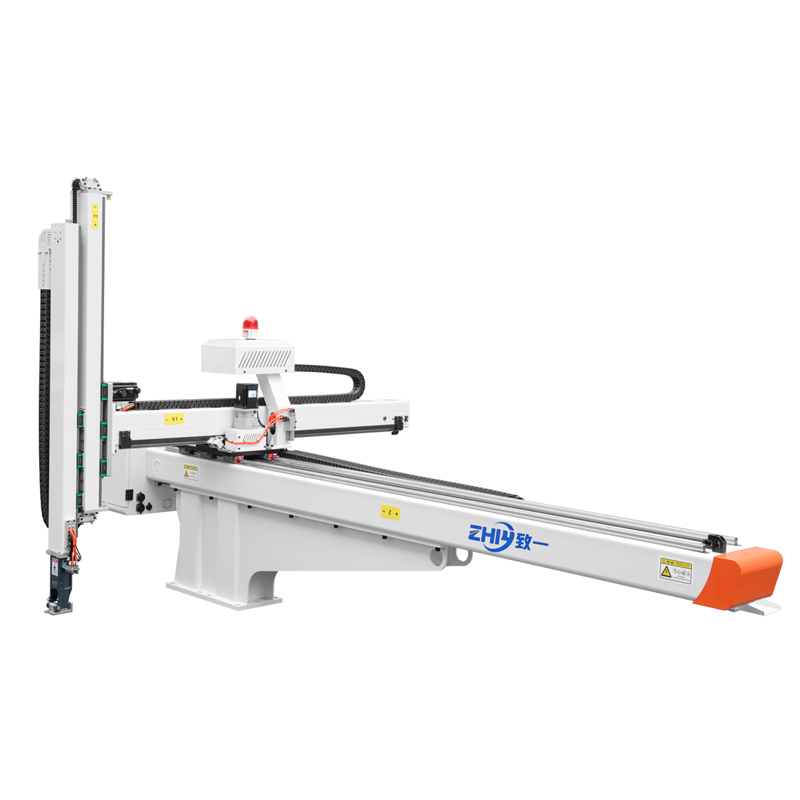
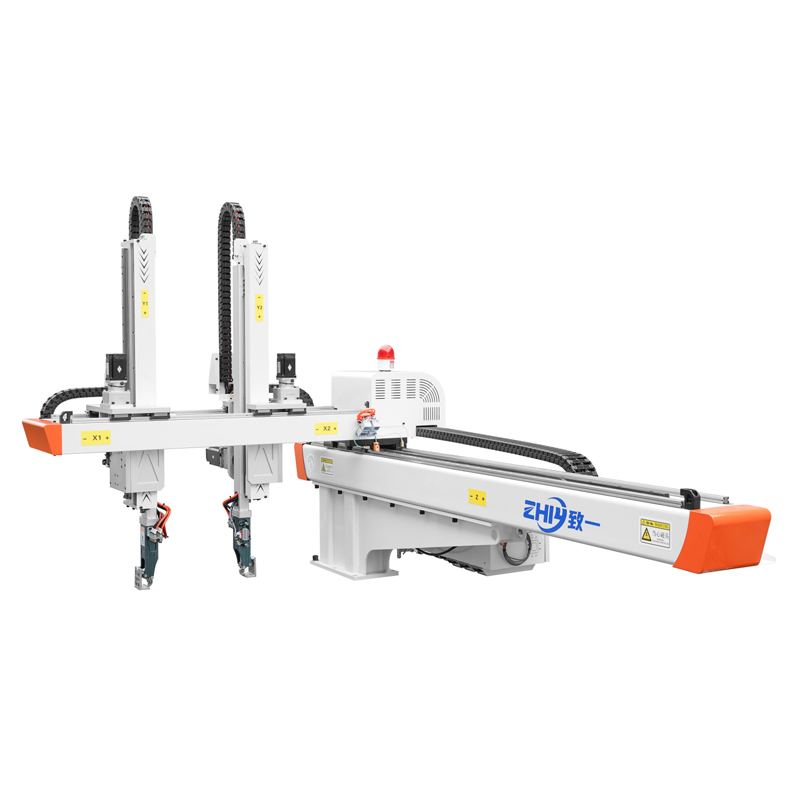
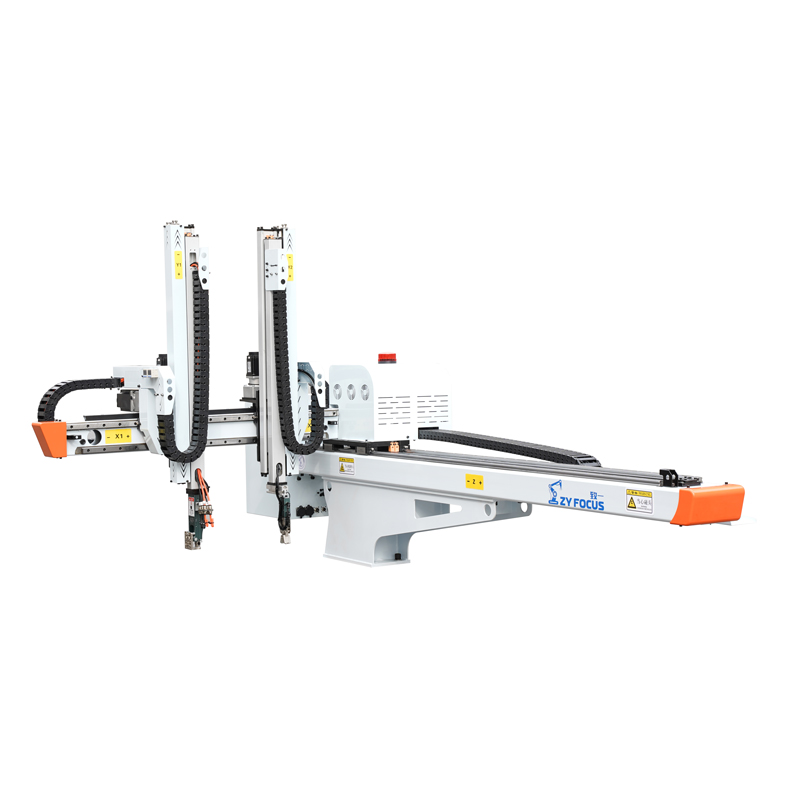
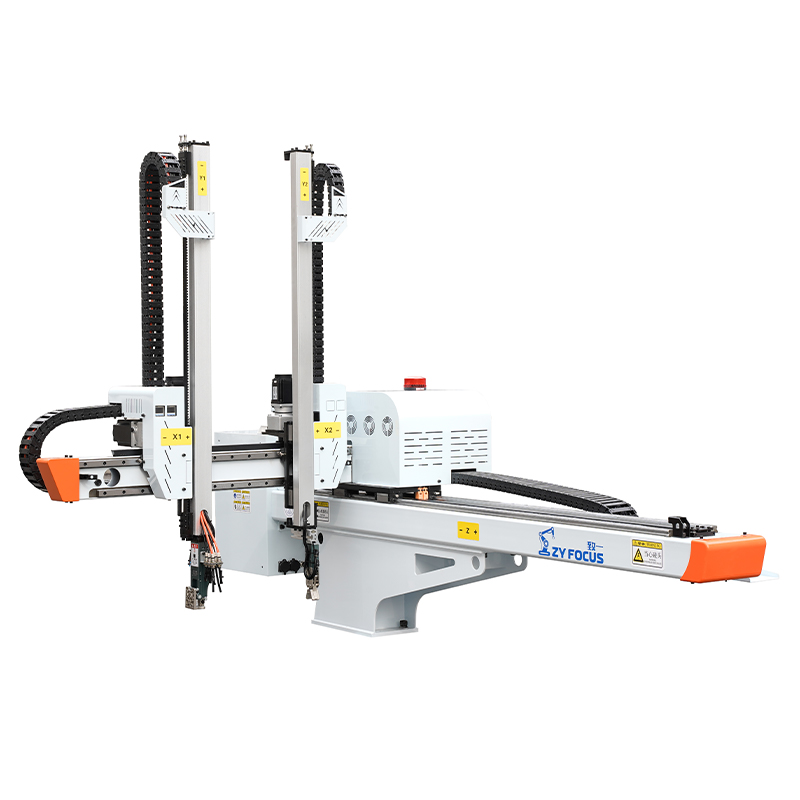
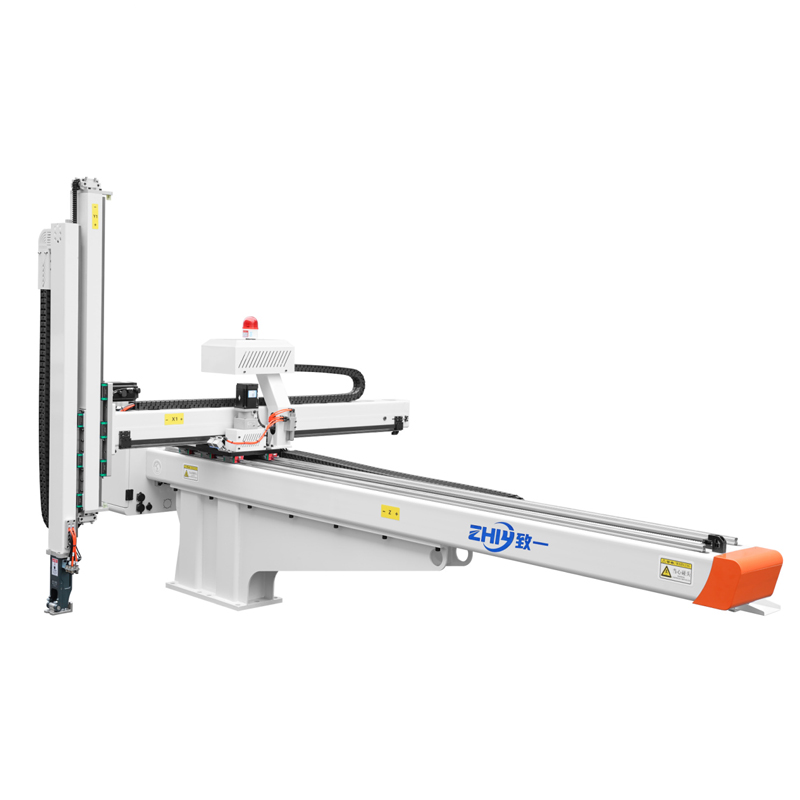
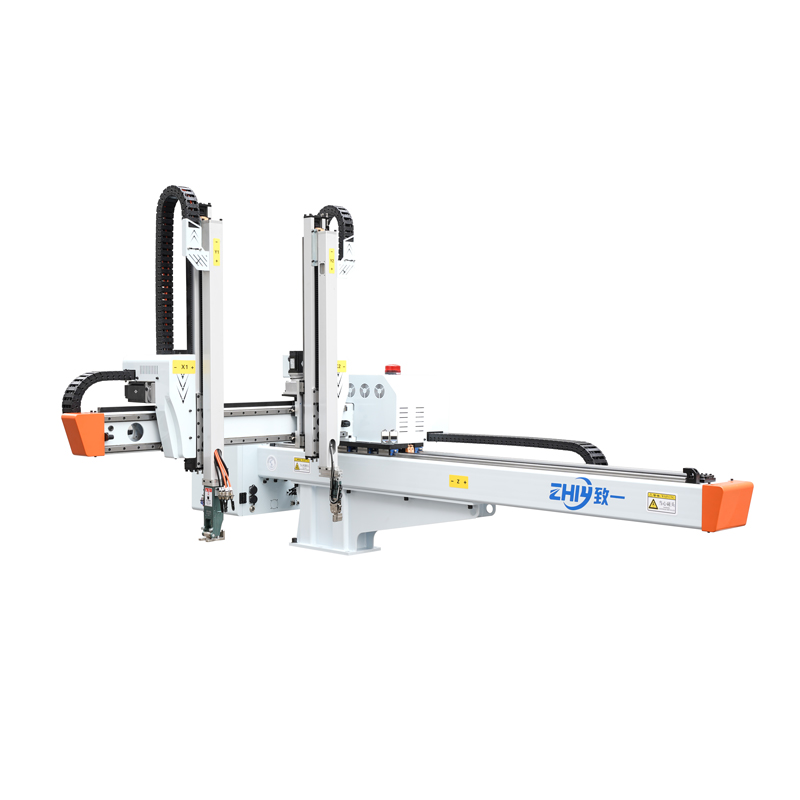
Key Technical Indicators and Considerations for Purchasing Three-Axis Servo Robots
Key Technical Indicators and Considerations for Purchasing Three-Axis Servo Robots
In the wave of industrial automation, three-axis servo robots, with their precise positioning capabilities, efficient operation, and flexible adaptability, have become a valuable asset in numerous industries, including electronics manufacturing, automotive parts, and packaging logistics. For international buyers, faced with a wide variety of products and varying specifications on the market, accurately assessing key technical indicators and selecting equipment that meets their production needs while balancing cost-effectiveness and reliability is crucial for optimizing production processes and achieving long-term return on investment. This article will provide an in-depth analysis of the core technical indicators of three-axis servo robots and share practical purchasing considerations to provide a reference for global buyers.
I. Core Performance Indicators: The "Hard Power" that Determines Operational Precision and Efficiency
Core performance indicators are the "soul" of a three-axis servo robot, directly determining whether it can meet core production requirements such as precision and speed, and are the primary evaluation criteria during procurement.
(I) Positioning Accuracy and Repeatability
Positioning accuracy refers to the deviation between the actual coordinates of A Robot's end-effector when it reaches a specified target position and its theoretical coordinates, typically measured in millimeters (mm) or microns (μm). Repeatability refers to the degree of dispersion in the end-effector's position when the robot repeatedly reaches the same target position. These two metrics are key to measuring a robot's operational accuracy and are particularly crucial in applications requiring extremely high precision, such as electronic component assembly and precision welding.
Generally speaking, high-end three-axis servo robots can achieve repeatability of ±0.01mm, while standard industrial-grade products typically range from ±0.05mm to ±0.1mm. When purchasing, consider the specific process requirements. For example, in chip packaging operations, products with a repeatability of ≤±0.02mm are preferred; in standard box handling applications, an accuracy of ±0.1mm is sufficient. At the same time, it's important to note the prerequisites for the specification. Some manufacturers specify accuracy under "no-load conditions," but accuracy may decline under actual load. Therefore, suppliers should be asked to provide actual measured data under load.
(II) Operating Speed and Acceleration
Operating speed includes the maximum operating speed of each axis and the combined speed of the end effector. Acceleration reflects the robot's ability to transition from standstill to maximum speed or vice versa. Together, these two factors determine the robot's operating efficiency. In mass production scenarios, higher speed and acceleration mean shorter cycle times, which directly increases production line productivity.
The speed requirements of different axes must be appropriately matched based on the operational trajectory. For example, the X-axis (horizontal) typically handles long-distance transport tasks and requires a higher maximum speed; the Z-axis (vertical) is often involved in precise pick and place operations and requires more stable acceleration. When purchasing, avoid blindly pursuing "high speed" and instead comprehensively evaluate the operational range. If the range is short, excessively high speeds may cause the robot to frequently accelerate and decelerate, negatively impacting efficiency and equipment life. Furthermore, attention should be paid to the equipment's ability to control vibrations during high-speed operation. Excessive vibration can affect positioning accuracy and may also increase wear on mechanical components.
(III) Load Capacity
Load capacity refers to the maximum weight that the robot's end effector can bear, including the combined weight of the gripper, workpiece, and other attachments. Insufficient load capacity can lead to reduced accuracy and speed, and even cause failures such as motor overload and mechanical deformation. Excessive load capacity, on the other hand, can lead to redundant equipment selection, increasing procurement costs and energy consumption.
When purchasing, it is important to accurately calculate the actual load: first determine the maximum weight of the workpiece, then select an appropriate gripper (e.g., pneumatic gripper, electric gripper, etc.) based on the job requirements. Calculate the weight of the gripper and attachments (e.g., sensors, vacuum cups), and allow a 10%-20% safety margin to account for unexpected load fluctuations. At the same time, it's important to note the correlation between load capacity and operating speed. The maximum speed of the same robot under different loads will vary. The greater the load, the lower the upper speed limit. Suppliers typically provide "load-speed" characteristic curves, which can be used to verify whether the equipment can meet dynamic operating requirements during procurement.
II. Compatibility Indicators: Ensuring Seamless Integration of Equipment with Production Scenarios
The compatibility of a three-axis servo robot directly impacts its ability to integrate into existing production lines, reducing retrofit investment and enabling rapid production start-up. This is a crucial compatibility consideration during procurement.
(I) Travel Range
The travel range refers to the maximum distance each axis of the Robot Can move, determining the spatial range of its operational coverage. The travel range of a three-axis servo robot is typically expressed as the maximum travel distance of the X-axis (horizontal), Y-axis (vertical), and Z-axis (vertical). When purchasing, the travel range should be determined based on factors such as the layout of the production stations, the workpiece handling distance, and the equipment's installation space. For example, in handling between two sides of an assembly line, the X-axis travel must cover the line width and the lateral distance of the workpiece being handled. In multi-level racking, the Z-axis travel must meet the shelf height and the required height for loading and unloading. Insufficient travel prevents the robot from fully covering the entire work area; excessive travel increases the equipment's footprint and procurement costs. It's recommended to draw a detailed workspace layout before purchasing, clearly defining the minimum travel required for each axis and allowing for sufficient adjustment margin to accommodate subsequent fine-tuning of the production line.
(II) Installation Methods and Space Dimensions
Three-axis servo robots can be installed in three main ways: floor-standing, wall-mounted, and inverted. The space requirements for each installation vary significantly. Floor-standing installations require floor space but offer a higher load-bearing capacity. Wall-mounted and inverted installations conserve floor space and are suitable for smaller workshops, but they require a higher load-bearing capacity for the wall or ceiling. When purchasing, it's important to first clarify the spatial constraints of the installation location: these include the load-bearing capacity of the floor/wall/ceiling, the length, width, and height of the installation area, and the layout of surrounding equipment (such as machine tools and conveyors). Also, pay attention to the robot's dimensions, especially when operating in confined spaces. These include the robot's rotation radius and the maximum space occupied by each axis when extending and retracting. Ensure that the equipment will not collide with surrounding objects during operation. It's recommended to request a 3D model or detailed dimensional drawings of the equipment from the supplier, and conduct a simulated layout verification based on the production site.
(III) End-Effector Interface
The end-effector (gripper, suction cup, etc.) is the component of the robot that directly contacts the workpiece. The versatility and compatibility of its interface determine whether the equipment can accommodate different types of end-effectors and meet diverse operational requirements. Common interface types include standard flanges, pneumatic interfaces, and electric interfaces. Standard flanges (such as ISO standard flanges) are the mainstream choice due to their adaptability. When purchasing, confirm the interface specifications, such as flange diameter, mounting hole location, and locating pin size, to ensure compatibility with existing or planned end effectors. If frequent end effector changes are required during production (e.g., when simultaneously processing workpieces of varying shapes), the interface's ability to quickly change models is also important. Some high-end equipment is equipped with automatic tool changing systems, which can significantly reduce changeover time. Furthermore, consider the interface's load-bearing capacity to ensure it can stably support the combined weight of the end effector and workpiece.
III. Reliability and Stability: The "Cornerstone" for Long-Term Continuous Operation
Industrial production places extremely high demands on equipment for continuous operation. The reliability and stability of a three-axis servo robot directly impacts production line downtime and maintenance costs, and is crucial to determining the equipment's long-term cost-effectiveness.
(I) Servo System Configuration
The servo system is the "power core" of a three-axis servo robot, consisting of a servo motor, servo drive, and encoder. Its performance directly determines the robot's operating accuracy, speed, and stability. When purchasing, focus on the servo motor's power and torque characteristics, the servo drive's response speed and interference rejection, and the encoder's resolution (which determines positioning accuracy). Mainstream servo motor brands such as Panasonic, Mitsubishi, and Siemens offer greater assurance of stability and durability. Encoder resolution is typically expressed in lines; the higher the line count, the more accurate the positioning. Standard Industrial Robots typically use encoders with 1000 lines or higher, while high-precision applications require encoders with 2000 lines or higher. Additionally, it's important to confirm whether the servo system has overload, overvoltage, and overheating protection features, as these can effectively reduce the risk of equipment failure.
(II) Mechanical Structure and Materials
The design of the mechanical structure and the choice of materials affect the rigidity, wear resistance, and service life of the robot. The mechanical structure of a three-axis servo robot primarily includes components such as linear guides, ball screws, and brackets. Linear guides and ball screws are core transmission components, and their precision and wear resistance directly determine the robot's operating accuracy and service life. When purchasing, pay attention to the type of linear guide (such as ball guides or roller guides, the latter offering greater load-bearing capacity) and its accuracy grade; the lead of the ball screw (which affects operating speed), its accuracy grade, and whether it has a preload mechanism (which eliminates backlash and improves rigidity). Regarding materials, load-bearing components such as brackets should be made of high-strength aluminum alloy or steel, with surface treatments such as anodizing and quenching to enhance rust and wear resistance. Also, check the assembly accuracy of mechanical components, such as the parallelism and perpendicularity of the axes. Inadequate assembly accuracy can lead to operational lag, reduced accuracy, and increased component wear.
(III) Mean Time Between Failures (MTBF) and Maintenance Ease
Mean Time Between Failures (MTBF) is an important quantitative indicator of equipment reliability, typically expressed in hours. A higher value indicates a lower probability of failure. Mainstream three-axis servo robots typically have an MTBF of over 10,000 hours, with high-end products reaching over 20,000 hours. When purchasing, request an MTBF report from a third-party testing agency to avoid relying solely on manufacturer promotional data.
Maintenance ease is equally important, impacting both the efficiency and cost of repairs after equipment failures. When purchasing, consider the equipment's maintenance design: whether key components (such as guides and lead screws) are easily lubricated and cleaned, whether a fault diagnosis system is included (to quickly locate the fault point), whether wear parts (such as seals and bearings) are easily replaceable, and whether the supplier offers a sufficient supply of spare parts. Furthermore, understand the equipment's daily maintenance requirements (such as lubrication intervals and cleaning frequency) and assess whether the maintenance workload is within your operational capabilities.
IV. Intelligence and Scalability Indicators: The "Potential" to Adapt to Future Production Upgrades
With the advancement of Industry 4.0, intelligence and scalability have become crucial indicators of equipment competitiveness. When purchasing, consider both current needs and future upgrade potential to avoid rapid obsolescence.
(I) Control System and Programming Method
The control system is the "brain" of the robot, determining its ease of operation and functional scalability. Mainstream control systems use PLCs or dedicated motion controllers, supporting multi-axis linkage control and complex trajectory planning (such as linear, circular, and point-to-point motion). When purchasing, consider whether the control system's user interface is intuitive and easy to understand, whether it supports multiple languages (especially for international buyers, an English interface is a basic requirement), and whether it has data storage and export capabilities (to facilitate production data traceability).
Programming methods include teach-in and offline programming. Teach-in programming is suitable for simple operation trajectories, offering ease of use and requiring no specialized programming knowledge. Offline programming is suitable for complex trajectory planning, allowing programming to be completed on a computer and imported into the equipment without disrupting production line operations. If production involves multiple complex operation trajectories, it is recommended to select a control system that supports offline programming. Additionally, it is important to confirm whether the control system supports secondary development to meet subsequent functional customization requirements.
(II) Communication Interfaces and Data Interaction Capabilities
In intelligent production lines, robots must exchange data and collaborate with PLCs, MES systems, and other automated equipment. Therefore, the richness and compatibility of communication interfaces are crucial. Common communication interfaces include Ethernet (industrial Ethernet protocols such as EtherNet/IP and Profinet), RS485, and I/O interfaces. When purchasing, confirm whether the equipment's communication interface is compatible with the existing production line's control system. For example, if the production line uses a Siemens PLC, ensure that the robot supports the Profinet protocol. Also, pay attention to the real-time and stability of data exchange. Inadequate real-time performance can lead to lags in equipment coordination, impacting production efficiency. For companies planning to build an industrial internet, it's also important to confirm whether the equipment supports features such as OTA (over-the-air updates) and remote monitoring, enabling remote operation, maintenance, and management.
(III) Functional Scalability
Production needs may fluctuate with market trends, and the robot's functional scalability determines its adaptability to future production upgrades. When purchasing, consider whether the equipment supports additional axis control (for example, if it needs to be expanded to a four- or five-axis robot), whether it can be adapted to vision systems (for accurate workpiece identification and positioning), and force feedback systems (for precision assembly operations).
Also, confirm whether the equipment's load capacity and travel range allow for upgrades. For example, whether the bracket can be expanded and lengthened, and whether the servo system can be adapted to larger loads through parameter upgrades. Equipment with good scalability can effectively reduce the investment cost of subsequent production line upgrades and extend the equipment's lifecycle.
VI. Core Procurement Considerations: A Comprehensive Decision-Making Process from Requirements to Implementation
The ultimate goal of interpreting technical indicators is to inform purchasing decisions. In conjunction with the aforementioned indicators, the purchasing process should follow the comprehensive logic of "clarifying requirements - comparing and selecting - verifying and ensuring - comprehensive evaluation" to ensure the purchase of suitable equipment.
(I) Accurately Define Your Needs
Before approaching suppliers, you must first clarify your core requirements: including the operating scenario (handling, assembly, welding, etc.), workpiece parameters (weight, size, material), accuracy requirements (positioning accuracy, repeatability), efficiency targets (cycle time), installation space constraints, and interface protocols for existing production lines. Quantify your requirements into specific parameters and avoid vague statements (such as "high accuracy" or "fast speed") to ensure accurate product matching and facilitate subsequent comparative evaluation.
(II) Multi-Partner Comparison and On-Site Verification
Shortlist two to three qualified suppliers (this can be obtained through industry exhibitions, foreign trade B2B platforms, peer recommendations, and other channels). Request detailed product specifications, technical solutions, and prototype testing services. Focus on comparing core performance indicators, servo system and mechanical structure configurations, and reliability metrics such as MTBF. Also pay attention to the supplier's industry experience (e.g., successful case studies in similar industries) and after-sales service capabilities (e.g., service locations in the target market, response time, warranty period, etc.).
When conditions permit, be sure to conduct on-site prototype testing: simulate actual production scenarios, test the robot's positioning accuracy, operating speed, and load capacity, observe the equipment's stability and vibration after long-term operation, and verify the control system's ease of use. For international trade procurement, also confirm whether the equipment meets the target market's industry standards (e.g.,
CE and UL certifications) to avoid issues affecting customs clearance and use.
(III) Focus on Lifecycle Costs
Purchase costs include not only the purchase price of the equipment itself, but also the full lifecycle costs, including installation and commissioning, spare parts, maintenance, and energy consumption. For example, some equipment may have a low purchase price but use non-standard components, making spare parts difficult and expensive to source. Other equipment, while more expensive, may have high servo system energy efficiency ratings, resulting in significant long-term electricity savings. Maintenance is simplified, and spare parts are readily available, resulting in lower lifecycle costs.
When evaluating costs, it is important to calculate the average annual investment cost based on the equipment's expected lifespan (typically 5-10 years). The residual value of the equipment (e.g., whether it can be resold or modified after retirement) should also be considered to achieve a comprehensive assessment of cost-effectiveness.
(IV) Emphasize After-Sales Service and Technical Support
Three-axis servo manipulators are precision automation equipment, requiring professional after-sales service support for subsequent installation, commissioning, maintenance, repair, and technical upgrades. When purchasing, it's important to clarify the supplier's after-sales service offerings: whether free installation and commissioning are provided, whether operator training is offered, the warranty period (core components like servo motors typically have a warranty of 1-2 years, while the entire unit has a warranty of 6 months to 1 year), fault response time (requires a response within 24 hours and on-site service within 48 hours), and whether long-term technical consulting is provided.
For international trade purchases, it's also important to confirm whether the supplier offers cross-border after-sales service or has partnerships with local service providers in the target market to avoid equipment failures that could lead to long-term production line downtime due to untimely repairs.
Conclusion
Purchasing a three-axis servo robot is a systematic project involving technology, cost, and service. The key lies in precisely matching your production needs with the equipment's technical specifications. From the "hard power" of core performance to the "compatibility" of adaptability, to the "stability" of reliability and the "potential" of scalability, each indicator is crucial to the equipment's actual performance and long-term value.