
Leave Your Message
0102030405
How to Get Wholesale 3 Axis Servo Robot Price?
2026-07-24
How to Get Wholesale 3 Axis Servo Robot Price?
Table of Contents
- Understanding 3 Axis Servo Robot Wholesale Pricing Basics
- Core Factors That Shape Wholesale 3 Axis Servo Robot Costs
- Step-by-Step Process to Request Accurate Wholesale Quotations
- How to Compare Multiple Wholesale Robot Offers Fairly
- Effective Negotiation Tips for Better Bulk Pricing
- Hidden Fees to Watch Out For in Wholesale Robot Orders
- FAQs About Sourcing 3 Axis Servo Robots at Wholesale Rates
- Conclusion
Industrial buyers, distributors and factory operators frequently struggle to lock in transparent, competitive wholesale prices for 3 axis servo robots. Unlike retail machinery purchases, bulk wholesale pricing relies heavily on clear technical specifications, order volume, supplier qualification and long-term cooperation terms. Many sourcing teams receive wildly inconsistent quotes from different manufacturers simply because they fail to provide complete demand details during initial inquiries.
Whether you are purchasing robots for in-house injection molding production, reselling automation equipment to regional manufacturers, or expanding multiple production lines, mastering the full wholesale pricing workflow will help you cut total procurement costs while avoiding low-quality, under-specified machinery. This guide breaks down every stage of securing reliable wholesale pricing, written entirely from the perspective of global industrial buyers.


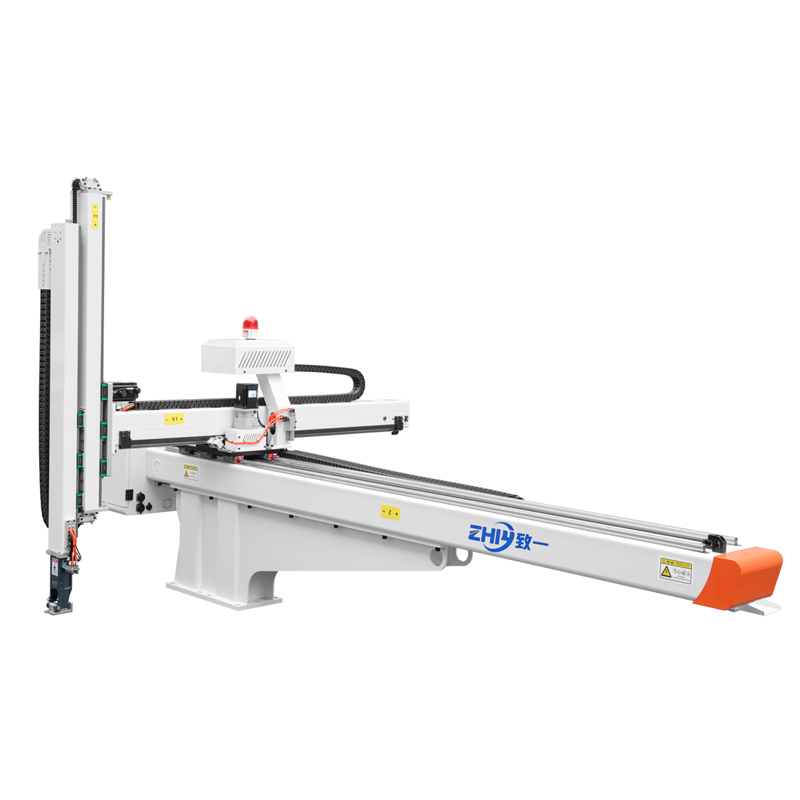
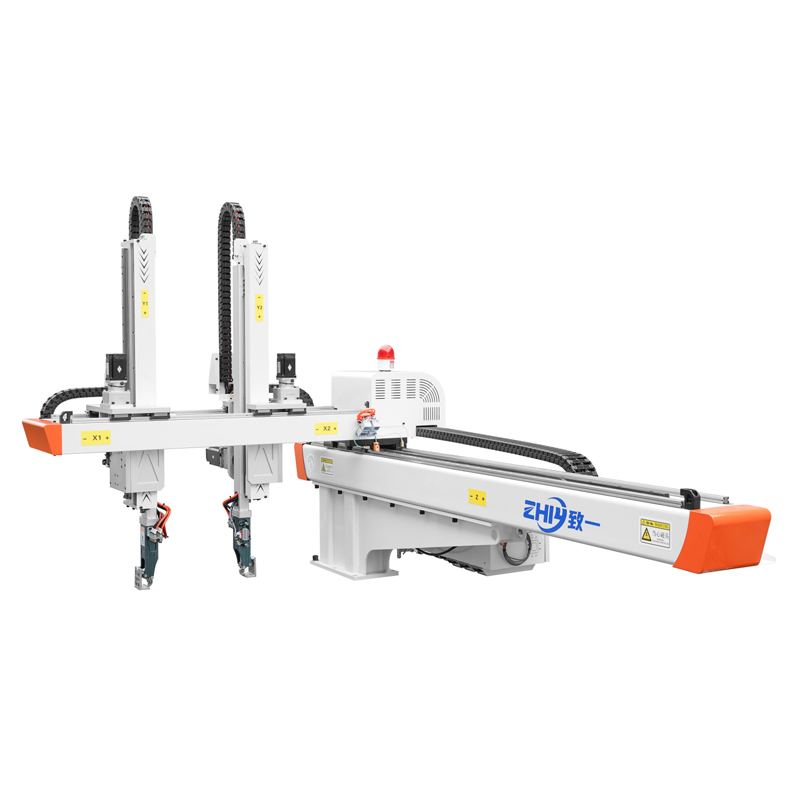
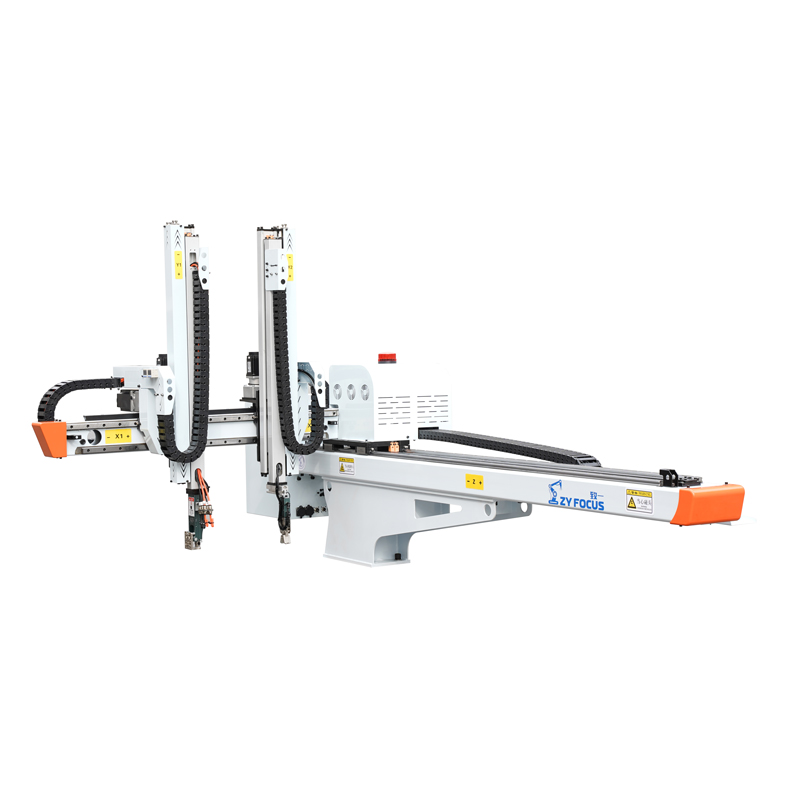
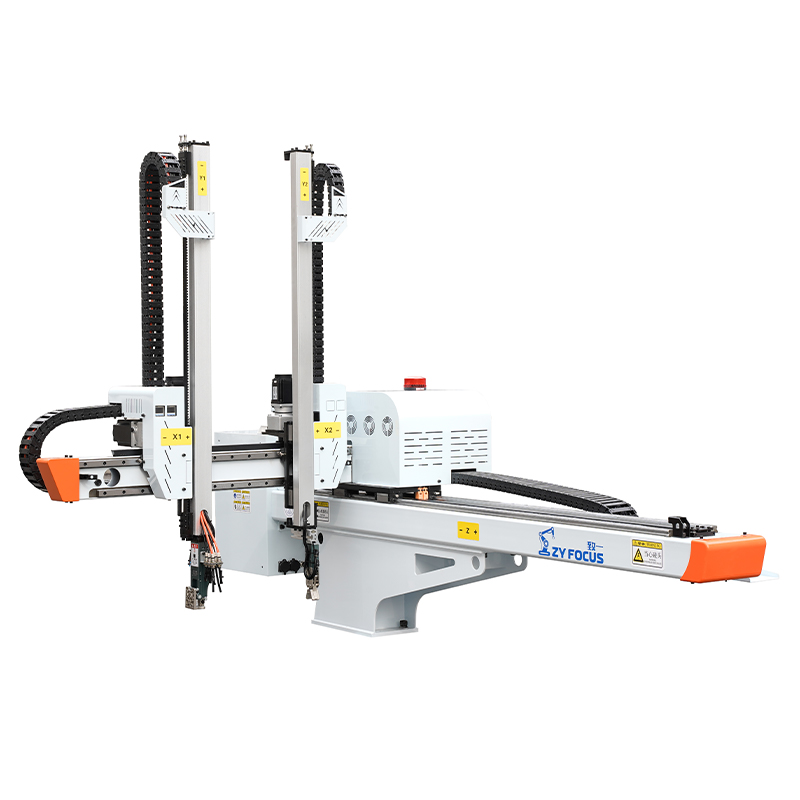
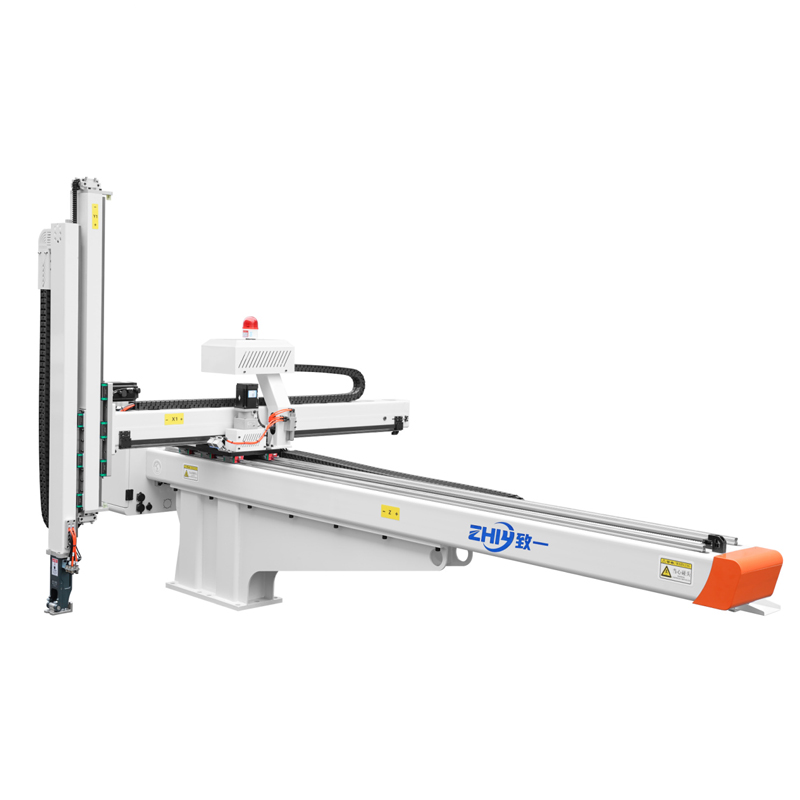
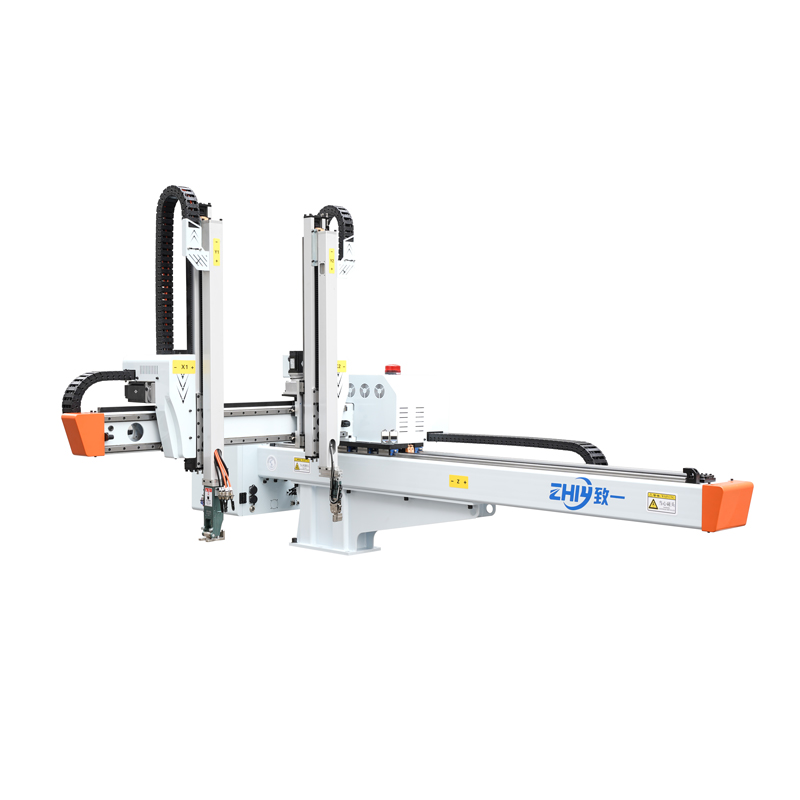
3 Axis Servo Injection Robot
Understanding 3 Axis Servo Robot Wholesale Pricing Basics
Before reaching out to suppliers for quotes, it is critical to separate retail unit pricing from true wholesale bulk pricing. Wholesale rates are structured around order tiers, production capacity allocation and long-term order commitments, with clear price breaks for larger batch sizes.
Standard market wholesale tier logic for injection molding 3 axis servo robots follows this general structure across most automation manufacturers:
| Order Quantity | Typical Wholesale Price Discount | Suitable Buyer Profile |
|---|---|---|
| 1–4 units | Base factory unit price, minimal discount | Small single-factory operators, trial order buyers |
| 5–9 units | 5%–8% off base price | Mid-sized manufacturers with multiple injection molding machines |
| 10–49 units | 10%–18% off base price | Regional automation distributors, factory expansion projects |
| 50+ units | 20%+ volume discount, custom contract pricing | Large manufacturing groups, national equipment resellers |
Two core rules govern all wholesale robot pricing:
- Standardized, non-custom models carry far deeper bulk discounts than customized modified robots. Any adjustment to stroke length, load capacity or gripper systems will add fixed customization surcharges regardless of order size.
- Long-term annual order agreements deliver better unit pricing than one-time bulk orders, as manufacturers reserve priority production slots for recurring clients.
Core Factors That Shape Wholesale 3 Axis Servo Robot Costs
Every supplier’s wholesale quote will shift based on these non-negotiable technical and commercial variables. To receive aligned, comparable price sheets from multiple vendors, standardize these details in all RFQ documents.
1. Mechanical Configuration Specs
- Maximum load capacity: Light-duty 5–15kg robots carry lower wholesale prices; high-load 30–50kg models use thicker structural frames and upgraded servo motors, pushing bulk costs upward.
- Arm structure type: Single-arm single-section robots are the most cost-effective wholesale option; double-section telescopic arms or dual-arm variants add significant hardware costs.
- Effective stroke length: Extended horizontal/vertical travel ranges require longer linear guide rails and longer timing belts, increasing raw material costs per unit.
2. Core Electrical & Control Components
The brand grade of servo motors, drivers and PLC controllers creates the largest price gap between competing wholesale robot lines. Robots equipped with international brand servo systems command higher bulk pricing than domestic entry-level control kits, though they deliver longer service life and lower maintenance expenses over time.
3. Customization & Auxiliary Add-ons
Standard wholesale base pricing only covers the main robot body. Any extra features add separate line-item charges to bulk orders: custom product grippers, safety light curtains, conveyor matching modules, vision positioning systems, and special anti-corrosion surface treatment.
4. Compliance & Certification Requirements
Buyers targeting European, North American or Australian markets will see a wholesale price premium for CE, ISO9001 certified robot units. Factories producing non-certified robots offer cheaper bulk rates but cannot support cross-border industrial import regulations.
5. Order Logistics & Service Inclusions
Wholesale quotes split into two categories: ex-factory unit price and delivered landed price. Pricing differences emerge based on whether the offer includes export wooden packaging, ocean freight, local installation training, multi-year warranty extensions and spare part bulk kits.
Step-by-Step Process to Request Accurate Wholesale Quotations
Step 1: Document Full Standardized Demand Details
Vague inquiries like “quote for 3 axis servo robot” always result in generic, inflated preliminary pricing. Create a formal RFQ document with all mandatory technical and commercial data:
- Exact robot model series, required load weight and full stroke dimensions
- Compatible injection molding machine tonnage range
- Total order quantity, plus projected annual repeat order volume
- Target delivery timeline and required port of shipment
- Mandatory certifications (CE, ISO9001, regional industrial compliance)
- Auxiliary accessories needed (grippers, control panels, safety accessories)
- Preferred warranty length and after-sales support requirements
Step 2: Source Qualified Factory Suppliers Directly
Target manufacturers with dedicated mass production capacity for injection molding servo robots, rather than third-party trading intermediaries. Direct factory wholesale quotes eliminate middleman markup, cutting total bulk costs by 10%–25% on average.
Verify supplier credentials before submitting RFQs: confirm monthly production output, completed cross-border project case library, and independent factory audit records. Reputable robot manufacturers maintain standardized wholesale price tier sheets available upon formal buyer request.
Step 3: Submit Formal Written RFQs to 3–5 Matched Manufacturers
Send your standardized RFQ via official business email or verified B2B platform messaging, and explicitly request fully itemized wholesale quotations. Clearly state you require tiered pricing brackets for different order volumes (5 units, 10 units, 50 units) to unlock maximum volume discounts upfront.
Step 4: Request Detailed Breakdown of All Line Items
Insist suppliers split their wholesale quote into separate cost sections: main robot body cost, customization fees, packaging, export documentation, warranty services, and spare part bundles. A fully itemized breakdown eliminates hidden surcharges that often appear after order confirmation.

Robot Factory Production Line

Mass Produced 3 Axis Servo Robots
How to Compare Multiple Wholesale Robot Offers Fairly
The most common sourcing mistake is only comparing the headline unit wholesale price across vendors. Two quotes with seemingly similar per-unit costs can carry vastly different total landed expenses when all terms are evaluated. Use this comparison checklist for every bulk offer:
- Align technical specifications first: Ensure all suppliers quote robots with identical load, stroke, servo component grade and certification standards. Comparing a basic entry robot against a high-precision upgraded model will create misleading price gaps.
- Calculate total landed cost, not just ex-factory price: Add export packaging, freight, import duty, and overseas training fees into your total cost calculation. A slightly higher unit price with included free training and extended warranty often delivers better long-term value.
- Review warranty and service boundaries: Confirm the length of standard warranty, coverage for core servo components, remote technical support availability, and cost of on-site global service calls. Cheap wholesale robots with only 6-month limited warranties create expensive downtime risks later.
- Evaluate minimum order quantity flexibility: Some manufacturers lock steep volume discounts behind rigid high MOQs, while flexible factories offer mid-tier pricing for smaller recurring bulk orders. Match MOQ rules to your actual purchasing cycle.
Effective Negotiation Tips for Better Bulk Pricing
Once you have collected standardized, itemized wholesale quotes, use these low-risk negotiation strategies to secure improved terms without sacrificing equipment quality:
- Lock multi-year annual order commitments: Notify suppliers of your projected yearly robot consumption; most manufacturers will offer an extra 3%–10% annual volume discount for written framework agreements.
- Bundle auxiliary accessories into bulk orders: Request combined pricing for robots plus matching grippers, spare servo parts and safety modules. Bundled wholesale packages carry combined order discounts unavailable for separate small accessory purchases.
- Schedule production during off-peak factory windows: Manufacturers face lower order backlogs in mid-quarter periods and can offer extra price incentives to fill idle production capacity. Avoid peak pre-holiday manufacturing cycles when demand surcharges apply.
- Negotiate flexible payment terms alongside unit pricing: If upfront deposit costs impact your cash flow, negotiate staggered payment schedules (split deposit, inspection balance, final warranty retention payment). Many factories will adjust unit pricing slightly to accommodate reasonable payment flexibility.
Hidden Fees to Watch Out For in Wholesale Robot Orders
Many suppliers advertise low headline wholesale unit pricing but add unstated charges before shipment. Flag these potential hidden costs during your RFQ phase to lock fixed all-in pricing:
- Custom design modification revision fees for adjusted robot strokes or gripper mounts
- Extra certification testing charges for regional compliance documents
- Rush production surcharges for expedited delivery timelines
- Separate export wooden fumigation packaging fees
- Separate charges for operation and maintenance training manuals in your local language
- Premium pricing for expedited spare part delivery after order completion
FAQs About Sourcing 3 Axis Servo Robots at Wholesale Rates
Q1: What is the minimum order quantity to qualify for wholesale bulk pricing?
Most professional robot manufacturers offer tiered wholesale discounts starting at 5 units, with deeper price breaks at 10 units and above. Single-unit trial orders typically carry standard factory retail pricing without volume discounts.
Q2: Can I get wholesale pricing for customized non-standard 3 axis servo robots?
Yes, but customization will reduce the percentage of volume discount available. Standard off-the-shelf robot models deliver the largest bulk price cuts, while heavily modified robots carry fixed engineering overheads that limit discount flexibility.
Q3: How long are wholesale price quotations valid for industrial robot orders?
Standard factory wholesale quotes hold valid for 30–60 calendar days. Raw material and servo component price fluctuations can cause manufacturers to revise pricing after the quote expiry window, so finalize order contracts within the validity period.
Q4: Does buying robots in bulk reduce long-term maintenance costs?
Many manufacturers include complimentary bulk spare part kits with large wholesale orders, lowering your ongoing maintenance inventory expenses. Multi-unit bulk purchases also qualify for consolidated remote technical support packages.
Q5: Is direct factory sourcing always cheaper than buying through trading companies?
In nearly all cases, direct factory wholesale pricing eliminates the 15%–30% markup added by trading intermediaries. Reputable manufacturers also provide direct technical engineering support unavailable from third-party resellers.
Conclusion
Securing fair, transparent wholesale pricing for 3 axis servo robots relies entirely on structured, detailed sourcing workflows rather than simple price haggling. By standardizing your technical RFQ requirements, sourcing verified direct manufacturers, comparing full landed costs instead of standalone unit prices, and negotiating long-term volume commitments, buyers can consistently lock in competitive bulk rates while maintaining reliable machine quality and after-sales support.
Avoid the common pitfall of prioritizing the lowest upfront wholesale price without evaluating component grade, certification, warranty and hidden logistics fees. The optimal wholesale robot offer balances affordable bulk unit pricing with complete service coverage aligned to your long-term production automation goals.