
Leave Your Message
0102030405
How to Choose Servo Robot Arm for Southeast Asia
2026-07-23
How to Choose Servo Robot Arm for Southeast Asia Manufacturing Facilities
Introduction
Southeast Asia has become the global hub for electronics, automotive parts, plastic molding, and light manufacturing over the past decade. Factories across Vietnam, Thailand, Malaysia, Indonesia and Singapore are rapidly replacing manual labor with servo robot arms to cut scrap rates, stabilize production cycles and offset rising labor costs.
Unlike temperate manufacturing regions, Southeast Asian production sites face unique operational hurdles: year-round high heat, extreme humidity, frequent power fluctuations, mixed high-mix low-volume production lines, and limited on-site technical maintenance teams. A servo arm that performs reliably in European or Northern Chinese factories often underperforms or suffers premature breakdowns when deployed in unconditioned Southeast Asian workshops.
For factory procurement managers, plant engineers and automation integrators, selecting a suitable servo robot arm is not just about comparing payload or speed specs. It requires matching hardware design, environmental tolerance, software usability, after-sales support and total cost of ownership to local regional conditions.
This guide breaks down every critical selection factor tailored exclusively to Southeast Asian factory operating realities, helping buyers avoid over-specification, unnecessary maintenance costs and long production downtime.
1. Match Core Technical Specs to Local Production Scenarios
Before evaluating environmental adaptability, buyers must lock in hardware parameters aligned with their daily production workflows. Generic datasheet figures cannot replace on-site demand matching.
1.1 Payload Capacity: Reserve 20% Safety Margin for Long-Term Stability
Payload rating refers to the maximum weight the arm can lift, including finished parts plus grippers, suction fixtures and connecting hardware.
- Rule of thumb for Southeast Asian factories: Choose a servo arm with rated payload 20% higher than your maximum combined load weight.
- Small electronics molding (phone connectors, small plastic housings): 1kg–5kg payload arms work best; overloading leads to servo motor overheating in hot workshops.
- Automotive component injection, heavy plastic goods: 10kg–25kg medium-heavy servo series for consistent cycle performance.
- Common buyer mistake: Picking the minimum payload to cut upfront costs. Underloaded servo systems run at maximum torque daily, burning out motors 30–50% faster in high-temperature Southeast Asia environments.
1.2 Reach & Axis Configuration: Fit Compact Southeast Asian Factory Layouts
Most regional manufacturing plants feature narrow production aisles, closely spaced Injection Molding Machines and limited floor space. Two mainstream servo arm designs dominate local applications:
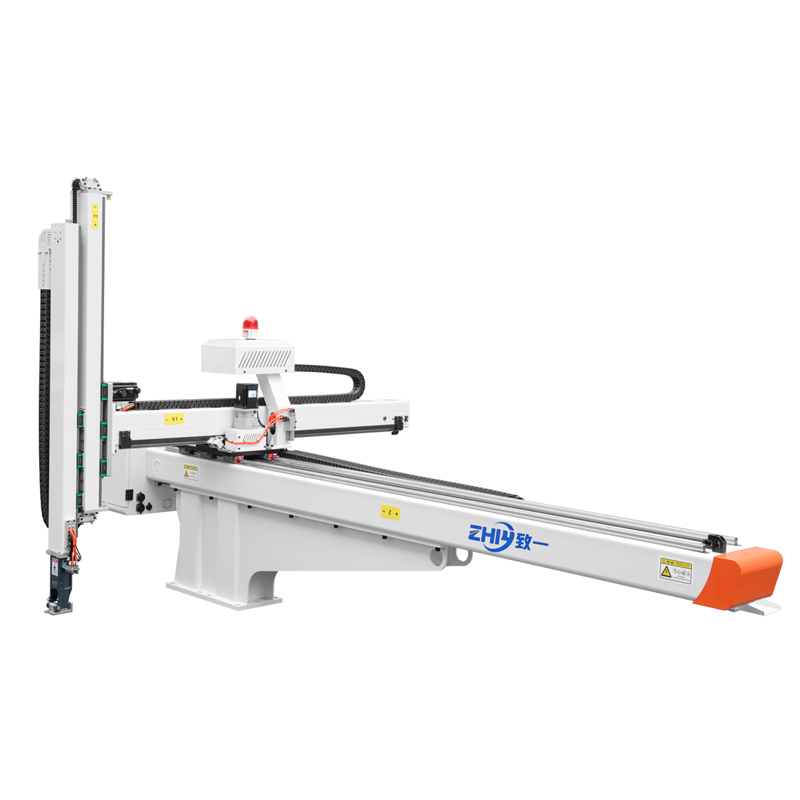
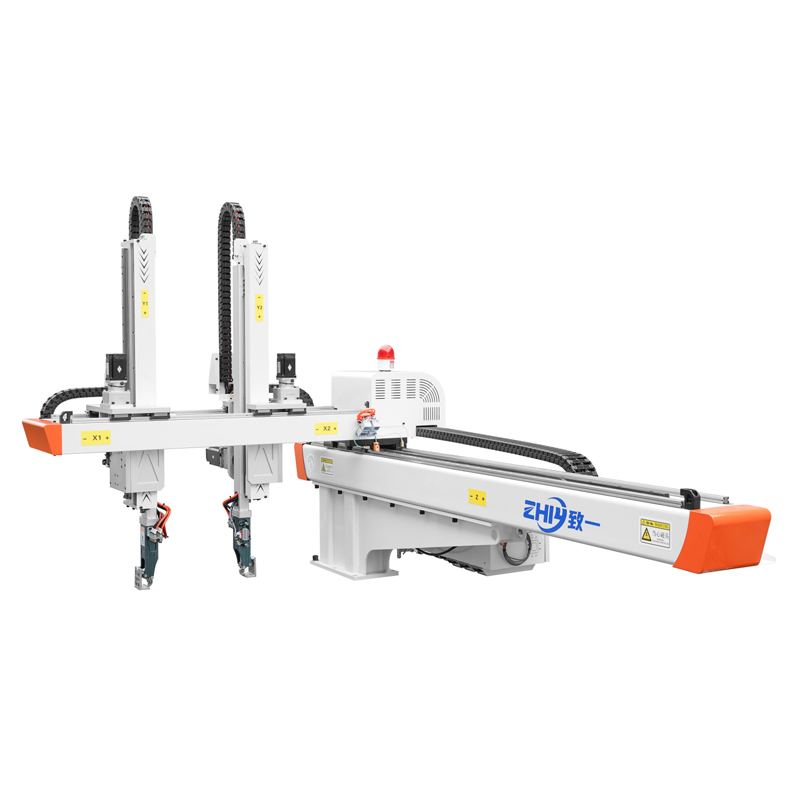
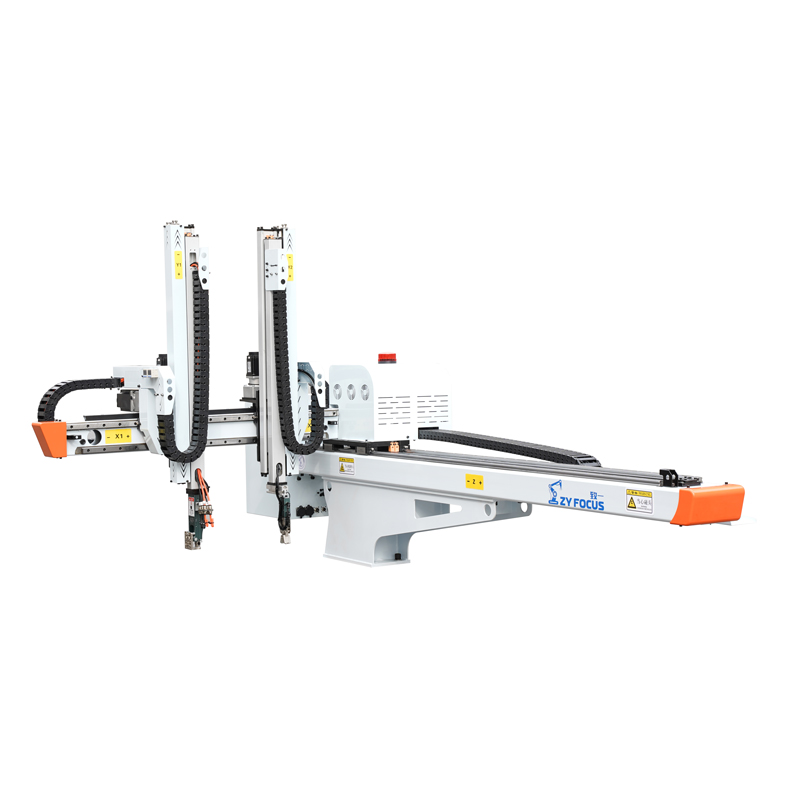
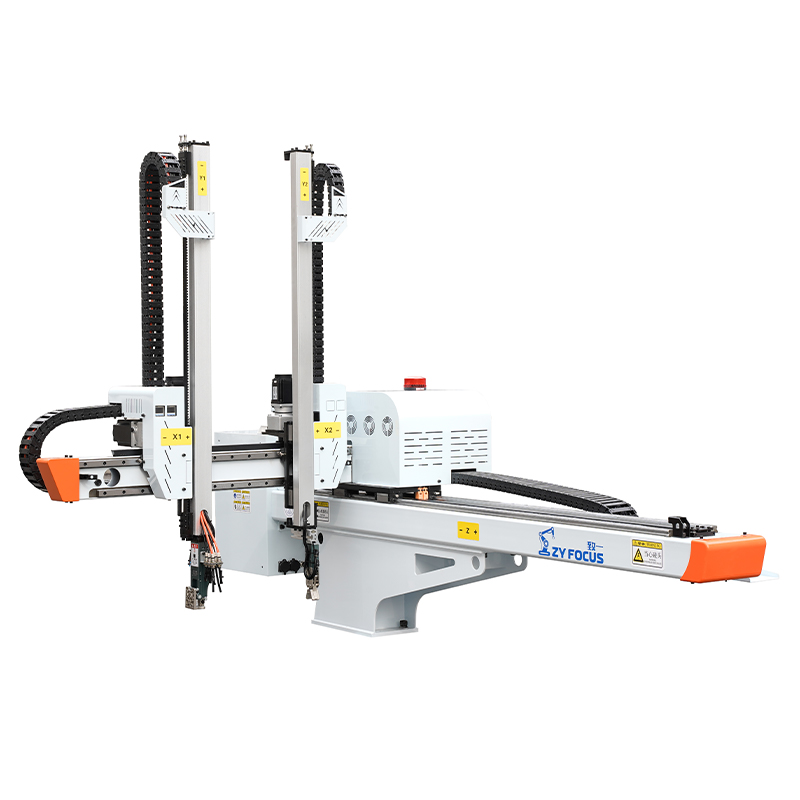
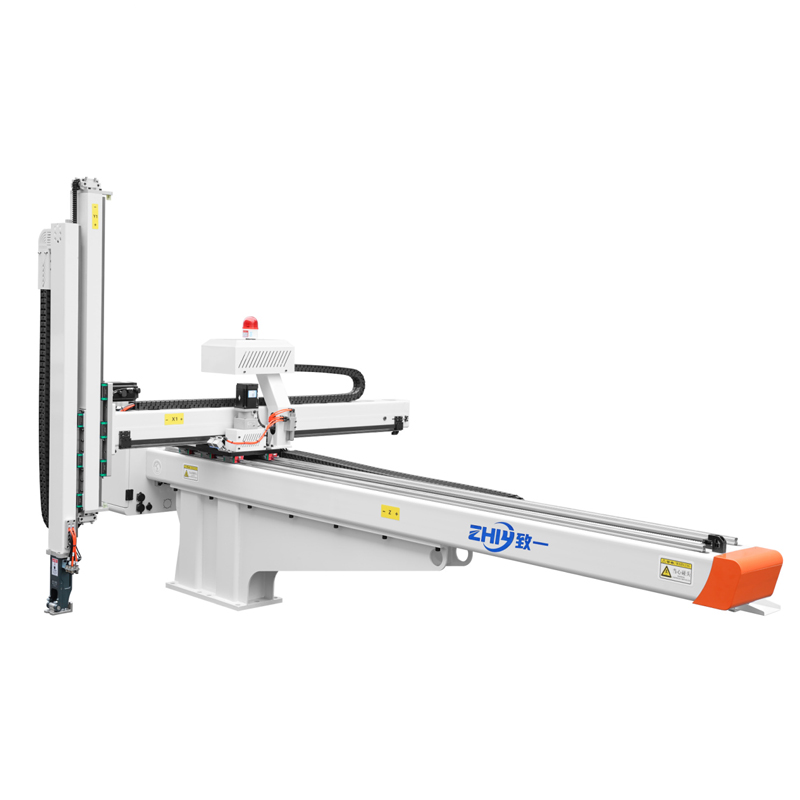
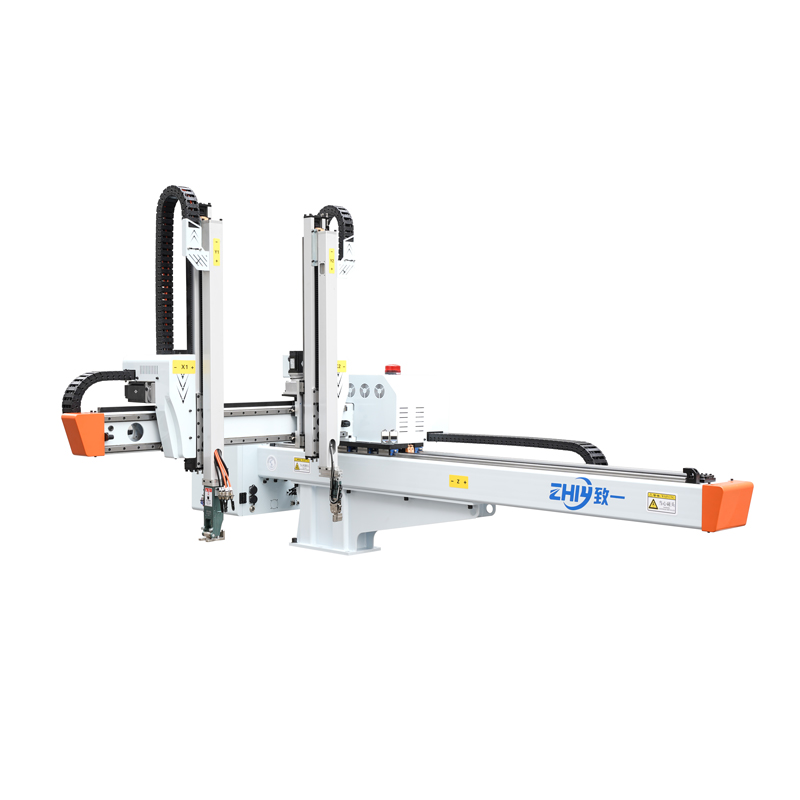
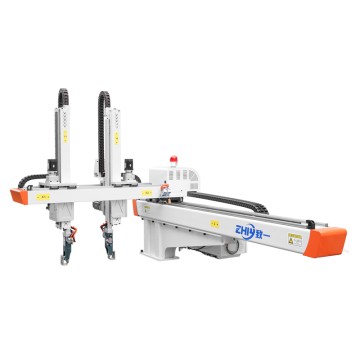
- 3-axis Cartesian servo arms: Ideal for standard injection molding pick-and-place, compact footprint, simple programming, widely used in Vietnam and Thailand 3C workshops.
- 4/6-axis articulated servo arms: Suited for multi-angle assembly, polishing and packaging, flexible for mixed production lines in Malaysian automotive facilities.
Key check: Measure the maximum distance between your mold opening and product drop-off station. Oversized reach models waste floor space and increase movement cycle time, reducing hourly output.
1.3 Repeatability & Cycle Speed: Balance Precision and Throughput
Southeast Asian manufacturers split into two clear demand groups:
- Precision electronics & medical component factories: Require repeatability ≤±0.05mm to lower defective product rates; high-resolution absolute encoders are non-negotiable.
- Daily plastic commodity, food packaging lines: Accept ±0.1mm repeatability, prioritize fast acceleration/deceleration to shorten molding cycles below 3 seconds.
Top travel speed is less important than smooth acceleration control. Many low-cost servo arms advertise high maximum speed but lag in rapid start-stop performance, creating inconsistent product placement on high-volume lines.
2. Prioritize High Humidity & High Temperature Environmental Resistance (Critical for SEA)
This is the most overlooked yet decisive factor for Southeast Asian buyers. Temperatures inside unairconditioned workshops regularly hit 38–45°C, with relative humidity hovering between 70%–95% year-round. Dust, plastic oil mist and occasional water splashes further accelerate component corrosion.
2.1 Ingress Protection Standard (IP Rating)
Only consider servo robot arms with IP65-rated sealed servo motors, controllers and wiring enclosures:
- IP65 fully blocks fine dust and withstands workshop water/chemical splashes.
- IP54 basic models will develop short circuits, encoder failures and rusted guide rails within 6–12 months of continuous operation in Vietnam, Indonesia and Thailand workshops.
2.2 Thermal Management Design
Ask suppliers for validated test data covering 10°C–45°C continuous operation without forced workshop cooling:
- Integrated active cooling systems inside controller cabinets prevent thermal throttling during summer peak shifts.
- Anti-corrosion surface treatment on linear guides and metal frames avoids rust from constant moisture.
- Avoid servo arms that require additional external industrial air conditioners for normal operation—extra cooling equipment adds long-term electricity expenses for small and medium manufacturers.
2.3 Power Fluctuation Adaptation
Grid voltage instability is widespread across rural industrial zones in Southeast Asia. Select servo drive systems with wide voltage tolerance and built-in surge protection modules to avoid sudden shutdowns during power spikes or drops, which cause costly mold damage and production waste.
3. Software & Operation: Built for Teams With Limited Automation Training
Most factory operators in Southeast Asia receive only basic technical training, with few dedicated robot programming engineers on staff. Complex industrial robot control systems from premium Western brands create long downtime when staff cannot adjust production recipes independently.
3.1 Intuitive HMI Touchscreen Control
Look for servo arms equipped with graphical, icon-based touch panels with multi-language support (English, Vietnamese, Thai, Bahasa Indonesia). Key user-friendly features:
- Pre-built production templates for molding pickout, sorting and stacking, requiring zero manual coding.
- One-click product recipe storage (200+ product profiles standard) to cut changeover time from 40+ minutes down to under 4 minutes when switching product batches.
- Real-time fault alert prompts with simple troubleshooting steps displayed directly on screen, reducing reliance on supplier technicians.
3.2 Simple Integration Compatibility
Southeast Asian factories frequently mix equipment from multiple brands (injection molders, conveyors, inspection cameras). Confirm the servo controller supports universal communication protocols without expensive custom adapters:
- Standard IO signal connection for basic linkage with molding machines
- Optional Ethernet/IP and Modbus compatibility for future smart factory upgrades
- Plug-and-play mounting for common grippers, suction cups and vision sensors from mainstream regional suppliers
4. Calculate Total Cost of Ownership (TCO), Not Just Upfront Price
Procurement teams across Southeast Asia tend to fixate on initial purchase cost, ignoring recurring operation and maintenance expenses that dominate long-term expenditure. A low-cost servo arm often carries 2–3 times higher annual running costs over a 5-year service life.
Breakdown of TCO Factors for Regional Buyers
- Energy consumption: Full servo drives consume 30% less electricity than pneumatic hybrid robotic systems, delivering clear monthly savings for 24-hour continuous production lines.
- Spare part availability: Standardized, widely stocked wear parts (belts, bearings, seals) cut waiting time for replacements. Avoid proprietary custom components that require 4–8 week international shipping delays.
- Local maintenance labor cost: Simple mechanical structures reduce monthly service hours; complex custom servo designs require certified professional technicians, which are expensive to hire in regional industrial zones.
- Warranty coverage: Prioritize suppliers offering minimum 24-month full component warranty, not limited 12-month motor-only coverage.
5. Evaluate Supplier Localized Support Capacity (Non-Negotiable)
When production lines stop unexpectedly, fast on-site support directly determines financial loss. Cross-border suppliers without Southeast Asian service networks create crippling downtime during machine faults. Use this checklist to screen vendors:
- Local service office or authorized engineering partners in your operating country (Vietnam, Thailand, Malaysia, Indonesia)
- 24-hour technical hotline support in local business hours
- On-site troubleshooting response window within 48 hours maximum
- Regional spare parts warehouse to eliminate long international shipping lead times
- Free on-site operator training post-installation, plus periodic remote software upgrade support
Also request verified local factory case studies matching your industry (electronics molding, automotive parts, packaging). On-site reference visits to nearby operating plants let buyers test real-world performance under identical high-heat, high-humidity workshop conditions.
6. Common Servo Robot Arm Selection Mistakes to Avoid for SEA Factories
- Buying European/Japanese high-end precision arms for basic pick-and-place tasks: Over-specification inflates purchase price with zero production benefit.
- Choosing low IP rating models to save upfront capital: Rapid corrosion and motor failure generate excessive repair downtime within one year.
- Ignoring grid voltage fluctuation resistance: Random unplanned stops damage molds and waste raw plastic materials.
- Neglecting local after-sales infrastructure: Waiting weeks for overseas technicians leads to multi-day production halts.
- Miscalculating payload without including gripper weight: Sustained overload shortens servo motor service life drastically in hot climates.
Final Conclusion
Selecting a high-performance servo robot arm for Southeast Asian manufacturing is a balancing act of technical matching, environmental durability, operational simplicity, long-term cost efficiency and localized service backup. The optimal model is not the most powerful or cheapest option available—it is the one engineered to withstand regional tropical workshop conditions, align with your unique production volume and product mix, and backed by fast local maintenance support.
Before issuing formal purchase orders, schedule equipment trial runs with your actual production molds and raw materials to validate cycle speed, stability and temperature tolerance on-site. This small pre-purchase step eliminates costly post-installation mismatches and maximizes your automation ROI over the robot’s full service lifespan.
Frequently Asked Questions
Q1: Are 3-axis servo arms sufficient for most Southeast Asian plastic molding factories?
A1: Yes. Over 70% of injection molding lines across Vietnam, Thailand and Malaysia use 3-axis Cartesian servo arms for pickout, trimming and stacking tasks. 4/6-axis articulated models are only necessary for complex multi-angle assembly, polishing or automotive component handling workflows.
Q2: Can servo robot arms run reliably in unairconditioned tropical workshops?
A2: Only units with IP65 full sealing and dedicated thermal control systems. Standard general-purpose servo arms without tropicalized design will experience regular overheating, encoder drift and rust damage under constant high heat and humidity.
Q3: How long is the typical payback period for servo automation in Southeast Asian plants?
A3: For 24-hour daily production lines, most factories recover robot investment within 12–20 months via reduced labor expenses, lower scrap rates and faster molding cycle times. Small-batch mixed production lines usually see full ROI within 2–3 years.
Q4: Do I need dedicated robot programming engineers on staff after installation?
A4: Not required for modern touchscreen servo systems with pre-built production recipes. Basic line operators can adjust product parameters and switch batches after 1–2 days of supplier-provided training. Advanced custom trajectory programming support is available via local supplier technical teams.
Q5: What’s the biggest difference between servo arms designed for Southeast Asia vs cooler manufacturing regions?
A5: Tropicalized servo robot arms feature upgraded sealed motor assemblies, enhanced cabinet cooling, anti-corrosion metal surface treatment and wider voltage tolerance to counteract high temperature, humidity and unstable power grids—modifications rarely included in standard global base models.