
Leave Your Message
0102030405
How to Choose Robot for Stable Operation
2026-07-06
How to Choose Robot for Stable Operation: A Complete Buyer’s Guide
Target Audience: Factory procurement managers, automation system integrators, production plant engineers, manufacturing business owners Core Theme: Eliminate frequent downtime, unstable movement, and inconsistent output by selecting robots built for long-term continuous stable operation; practical, procurement-oriented decision framework without brand bias
Introduction
Unplanned production halts caused by unstable robotic performance are one of the biggest profit drains for modern manufacturing lines. Shaky positioning, sudden axis alarms, shortened core component lifespans, and inconsistent cycle times all stem from mismatched Robot Selection rather than poor daily maintenance.
For global manufacturing buyers, the core goal of robot procurement is not just finishing a single task, but maintaining steady, repeatable 24/7 operation across years of high-volume production. Many purchasing teams only compare upfront pricing and basic parameters, ignoring hidden stability risks that trigger costly breakdowns months after deployment.
This guide breaks down every critical evaluation standard from real factory operation perspectives, helping you filter reliable robotic models and avoid common costly selection mistakes. All criteria align with global industrial production standards and cater to cross-border factory procurement workflows.
1. Match Robot Type to Production Workflow First (Stability Starts With Correct Classification)
Each robotic form factor is engineered for specific motion logic; picking the wrong category inherently creates persistent stability flaws, no matter how premium the unit’s hardware specs. Below are mainstream robot types and their stable-operation suitable scenarios:
6-axis articulated robots
Best for multi-angle welding, complex assembly, heavy part handling, palletizing. Stability advantage: Wide flexible movement range, balanced multi-joint torque output for irregular workpiece trajectories. Stability risk to avoid: Deploying lightweight 6-axis units for full-load continuous heavy stacking—repeated overload accelerates gearbox fatigue and positioning drift.
SCARA Robots
Designed for planar electronic assembly, PCB plugging, glue dispensing, small component pick-and-place. Stability advantage: Rigid vertical axis structure, minimal horizontal vibration during high-speed repetitive cycles. Stability risk to avoid: Using SCARA for large-radius horizontal transfer tasks; extended horizontal reach causes arm bending and position deviation.
Delta parallel robots
Optimized for high-speed lightweight sorting, food packaging, small product inspection. Stability advantage: Low moving mass, synchronized parallel linkages that suppress vibration during rapid cycles. Stability risk to avoid: Carrying heavy end tools or bulky workpieces; unbalanced load triggers frame resonance and frequent error alarms.
Collaborative cobots
Fit for mixed human-machine stations, low-speed flexible assembly, small-batch variable production. Stability advantage: Built-in torque feedback safety systems, low impact force during accidental collisions. Stability risk to avoid: High-speed continuous mass production; cobot servo output limits lead to slow response and cycle inconsistency under long-running heavy use.
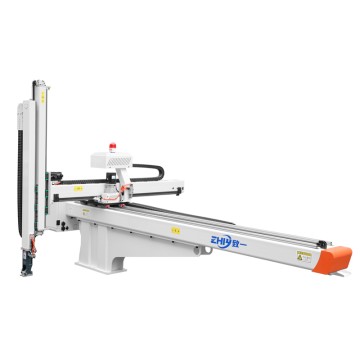
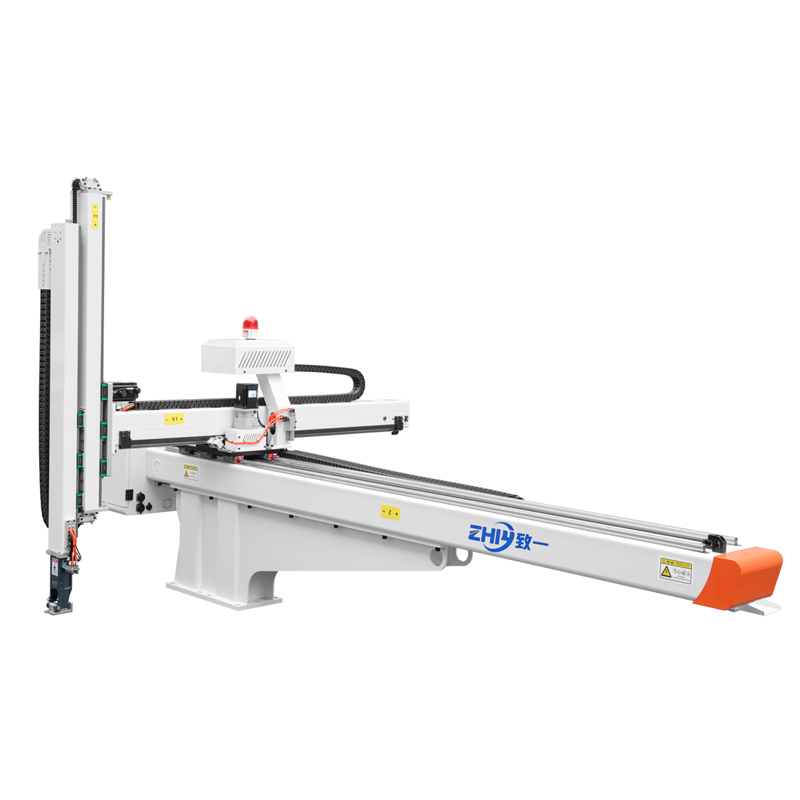
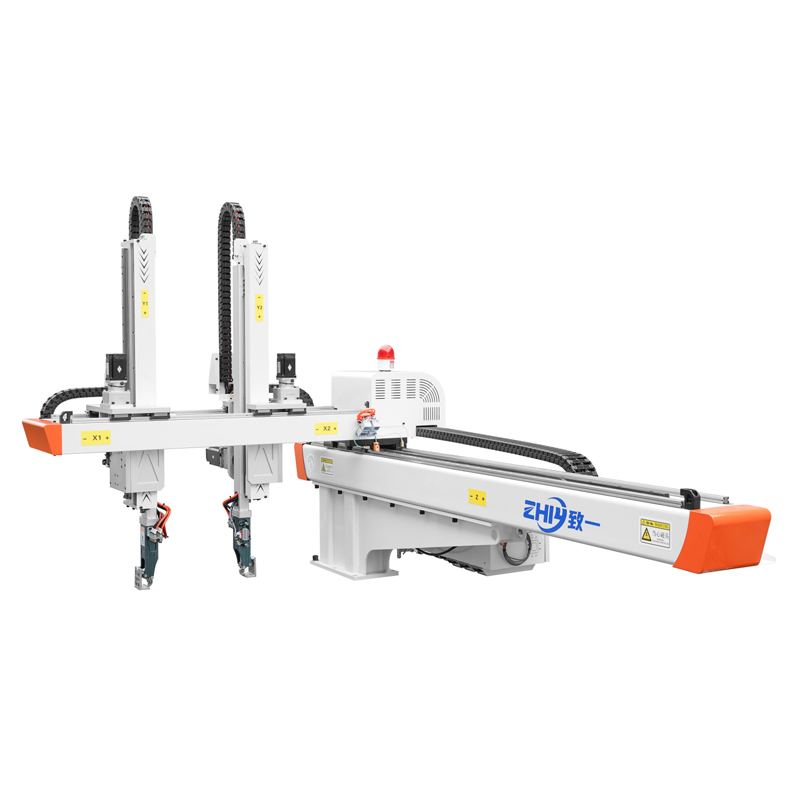
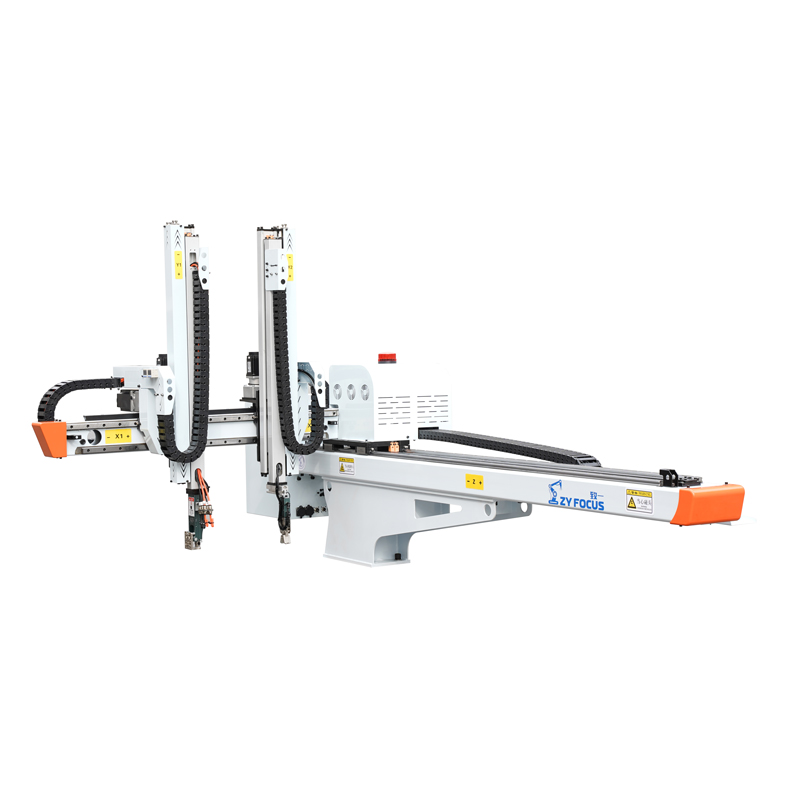
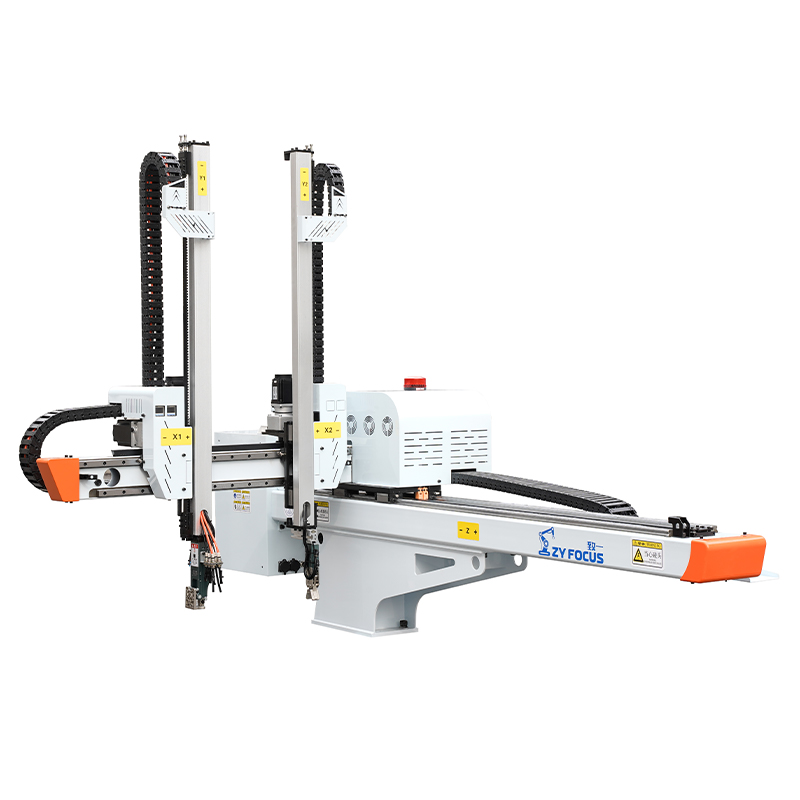
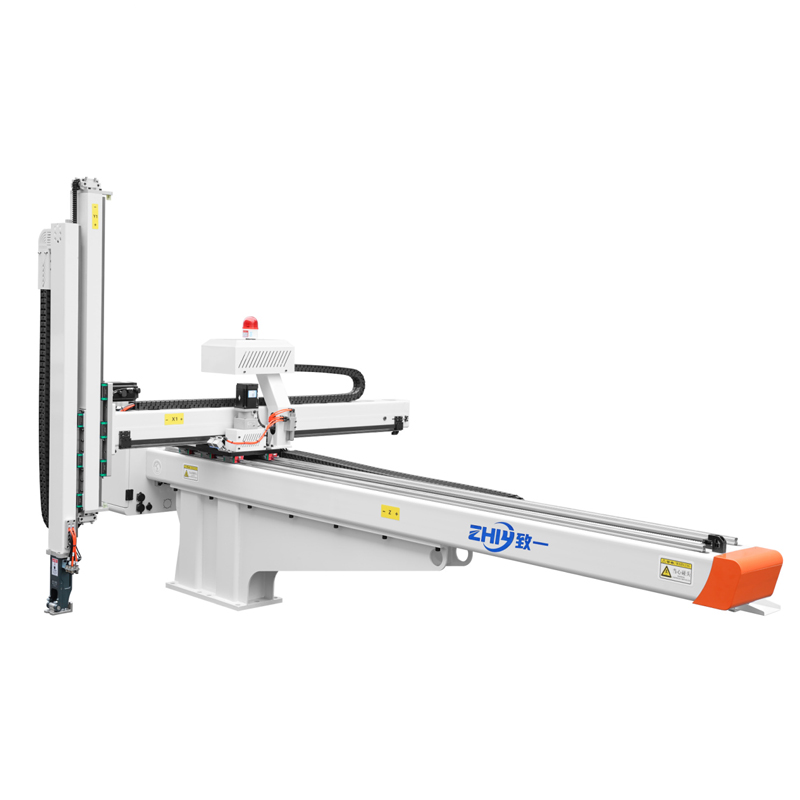
Cartesian gantry robots
Ideal for linear coating, long-distance material transfer, large-area inspection. Stability advantage: Linear guide rail design with consistent load distribution along the full travel path. Stability risk to avoid: Uneven floor foundation installation; unlevel rails create jitter and position offset over time.
Buyer Quick Checklist: Document your full workflow cycle, maximum workpiece weight, required movement angles, and line speed before shortlisting robot types. Cross off any model that does not fit your core process category.
2. Core Hardware Parameters That Directly Determine Long-Term Running Stability
Stable operation relies on hardware tolerance and load margin design. These five parameters are non-negotiable evaluation items for procurement teams, with clear industry stability thresholds for reference:
2.1 Payload Capacity (Leave 20–30% Safety Margin)
The rated payload listed on robot spec sheets represents the maximum instantaneous load, not continuous operating load. When running 8–16 hours daily at full rated weight, internal reducers, servo motors and bearings face accelerated wear, gradually causing positioning instability and recurring fault codes.
- Calculation rule: Total load = workpiece weight + gripper/end effector weight + cable weight
- Stable operation standard: Select a robot whose rated payload exceeds total load by at least 20%
- Example: If your total end load hits 10kg, choose a 12–13kg rated payload robot instead of a 10kg model for long-term consistent performance.
2.2 Effective Reach & Working Space Coverage
Many buyers only check the robot’s maximum reach value, ignoring fixture offset and station obstacle clearance. When the robot operates near its maximum arm extension limit, joint torque spikes sharply, generating vibration and position drift after thousands of cycles.
- Procurement evaluation tip: Map your full work envelope with CAD layout drawings; reserve 15% extra reach buffer to prevent the robot from working at extreme joint angles.
- Common stability failure case: Palletizing lines where the robot fully stretches its arm to stack top-layer boxes—units develop repeat accuracy drift within 6 months.
2.3 Repeat Positioning Accuracy (Match Tolerance to Process Requirements)
Repeatability measures how consistently the robot returns to the same coordinate point, the core metric for uniform product output. Confuse repeatability with absolute positioning accuracy will lead to hidden stability issues for vision-guided production lines.
- High-precision assembly (electronics, precision hardware): Require ±0.02mm to ±0.05mm repeatability
- General handling, packaging, palletizing: ±0.1mm to ±0.5mm repeatability is sufficient
- Stability reminder: Low-cost robots with advertised high accuracy often lose precision quickly under continuous high-speed cycles due to low-grade reducer components. Request third-party long-cycle accuracy test reports from suppliers.
2.4 IP Environmental Protection Rating
Dust, water splash, oil mist, chemical vapors and temperature fluctuations are major external factors breaking continuous stable operation. A robot with insufficient IP rating will suffer servo short circuits, sensor failure and joint rust within months.
- Welding, cutting, machining workshops with oil mist: Minimum IP65 rated body
- Food, beverage, pharmaceutical production lines with frequent water washing: IP67 stainless steel structure preferred
- Dry indoor assembly workshops with clean air: IP54 baseline standard
- Procurement tip: Avoid robots with only IP30/IP40 ratings for workshop floor deployment; maintenance downtime costs far outweigh initial price savings.
2.5 Reducer & Servo Drive Quality
Reducers are the most wear-prone core component directly impacting long-term stability. Low-cost plastic or low-precision metal reducers generate backlash after several thousand operating hours, causing shaky movement and inconsistent product quality. Key supplier verification points:
- Confirm reducer brand and standard service life under continuous full-shift operation
- Ask for warranty coverage on core transmission parts (standard stable Robot Models offer 3–5 year reducer warranties)
- Check servo drive anti-interference performance; poor anti-interference triggers random stop alarms near welding machines or high-power equipment.
3. Control System & Software Capabilities for Steady Uninterrupted Production
Even top-tier mechanical hardware cannot guarantee stable operation without a mature, compatible control system. Procurement teams need to evaluate three control-layer stability factors:
3.1 Compatibility With Existing Line Equipment
Robots often lose stability due to communication mismatch with factory PLC, conveyor belts, vision systems and sensors. Disconnected signal transmission leads to delayed movement, missed workpieces and emergency stops.
- Standard stable communication protocols to prioritize: EtherCAT, Profinet, Modbus TCP
- Procurement action: Provide your existing automation equipment model list to suppliers, require on-site communication compatibility testing before order confirmation.
3.2 Built-In Anti-Vibration & Cycle Optimization Algorithms
High-speed repetitive movement creates mechanical resonance. Advanced robot controllers embed automatic vibration suppression logic to smooth joint acceleration and deceleration curves, reducing component fatigue and cycle fluctuation. Low-end control systems lack this algorithm; operators must manually slow down movement to avoid shaking, lowering overall line efficiency. When comparing suppliers, request live cycle demonstration of continuous high-speed operation to observe arm vibration levels.
3.3 Predictive Maintenance & Real-Time Monitoring Functions
Stable long-term operation relies on early fault warning instead of passive breakdown repair. Robots equipped with real-time torque, temperature and vibration sensors feed data to the control system, triggering maintenance reminders before critical component failure. Key monitoring functions to require:
- Real-time joint temperature tracking
- Reducer torque load curve recording
- Automatic fault log storage for quick troubleshooting
- Remote fleet monitoring support for multi-plant unified management
4. Environmental Adaptability & Structural Durability Evaluation
Factory ambient conditions create long-term stability pressure that many buyers overlook during selection. Use these standards to assess environmental adaptability:
- Operating temperature range: Stable industrial robots support continuous operation from 0°C to 45°C; models with narrow temperature ranges stall in summer high-temperature workshops or cold winter warehouses.
- Anti-corrosion structure: Lines with chemical sprays, salt spray or food-grade cleaning agents require stainless steel arm surface treatment to prevent rust-induced joint jamming.
- Floor mounting rigidity: Check robot base plate thickness and anchor point design. Thin base plates produce whole-machine vibration during fast cycles, damaging precision over time.
5. Supplier Reliability & After-Sales Support (Hidden Factor of Long-Term Stable Operation)
A robot’s stability performance does not end at delivery; timely spare parts supply and professional technical support directly determine how quickly you can resolve stability failures. When screening suppliers, add these procurement evaluation standards:
5.1 Verified Global Installation Track Record
Prioritize manufacturers with mass deployment records across multiple manufacturing industries. Robots proven to run stably in automotive, electronics, food packaging factories worldwide have undergone long-cycle real production testing, avoiding unoptimized prototype design flaws. Request case references with continuous operation duration data from existing overseas clients.
5.2 Global Spare Parts Inventory & Lead Time
Long waiting times for replacement reducers, servo motors or sensors lead to extended production downtime. Stable supply chains with regional overseas spare parts warehouses cut component delivery lead times drastically compared to small manufacturers relying on single-region stock.
5.3 On-Site Commissioning & Stability Testing Service
Professional suppliers provide 72-hour continuous full-load stability testing after installation, adjusting motion parameters to eliminate vibration and positioning drift before handover. Suppliers skipping this step often deliver robots with hidden stability risks that surface weeks after production launch.
5.4 Long-Term Software Update Support
Outdated controller firmware causes compatibility bugs and unstable operation with new production line upgrades. Reliable robot brands provide free regular firmware optimization updates to fix motion logic defects and improve long-running stability.
6. Total Cost of Ownership (TCO) Analysis: Avoid Low-Price Robots With Hidden Stability Risks
Many procurement teams fixate on upfront purchase cost, ignoring higher long-term losses from unstable low-cost robots. Calculate full TCO before finalizing selections:
- Initial investment: Robot body, custom end tools, installation and safety fencing
- Recurring operating costs: Regular maintenance, spare part replacement, extra labor for frequent fault troubleshooting
- Hidden loss costs: Production downtime from unstable robot stops, defective products caused by positioning deviation, wasted raw materials
Mid-range robots with standardized stability design usually deliver shorter ROI cycles than ultra-low-cost models. The minor upfront price difference is quickly offset by fewer production halts and lower annual maintenance expenses.
7. Common Robot Selection Mistakes That Destroy Operational Stability
Summarized frequent procurement missteps from global manufacturing automation projects for reference:
- Overloading robots by selecting payload exactly matching workpiece weight without safety margin
- Choosing a universal robot type for specialized high-speed processes, creating persistent vibration
- Ignoring workshop dust, oil and water environments and picking low IP rating units
- Neglecting communication compatibility with existing production line control systems
- Purchasing untested new prototype robots without mass production track records
- Skipping continuous full-load stability testing during factory acceptance
- Only comparing initial price and cutting budgets on core components like reducers and servos
Final Buyer’s Quick Selection Checklist for Stable Operation
Tick all items before confirming your robot order to lock consistent long-run performance:
- Robot type fully matches core production workflow
- Rated payload leaves 20–30% continuous operating margin
- Effective reach reserves buffer space to avoid extreme joint angles
- Repeat positioning accuracy meets process tolerance requirements
- IP protection rating fits workshop dust, liquid and temperature conditions
- Core reducers and servos have verified long service life and clear warranty terms
- Control system supports your line’s existing communication protocols
- Built-in vibration suppression and real-time equipment monitoring functions
- Supplier provides global spare parts support and on-site continuous stability testing
- Full TCO calculation confirms low long-term downtime and maintenance costs
Conclusion
Robot stable operation is built on layered, systematic selection rather than random parameter comparison. By matching robot form factors to production processes, verifying critical hardware stability parameters, evaluating control system compatibility, auditing environmental adaptability and screening reliable global suppliers, procurement teams can eliminate most long-term downtime risks in advance.
For cross-border manufacturing facilities pursuing consistent 24/7 production output, stable robotic performance directly translates to predictable production yields, reduced waste and higher overall operational profit margins. Take the full framework above as your standard procurement evaluation process to make data-driven robot purchasing decisions that support years of uninterrupted factory operation.